Musselbed Shoals, RI 
Select a photograph to view a photo gallery
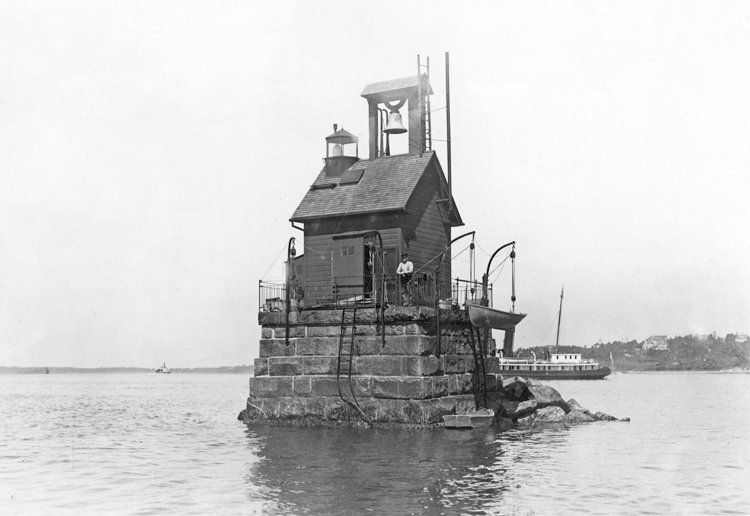
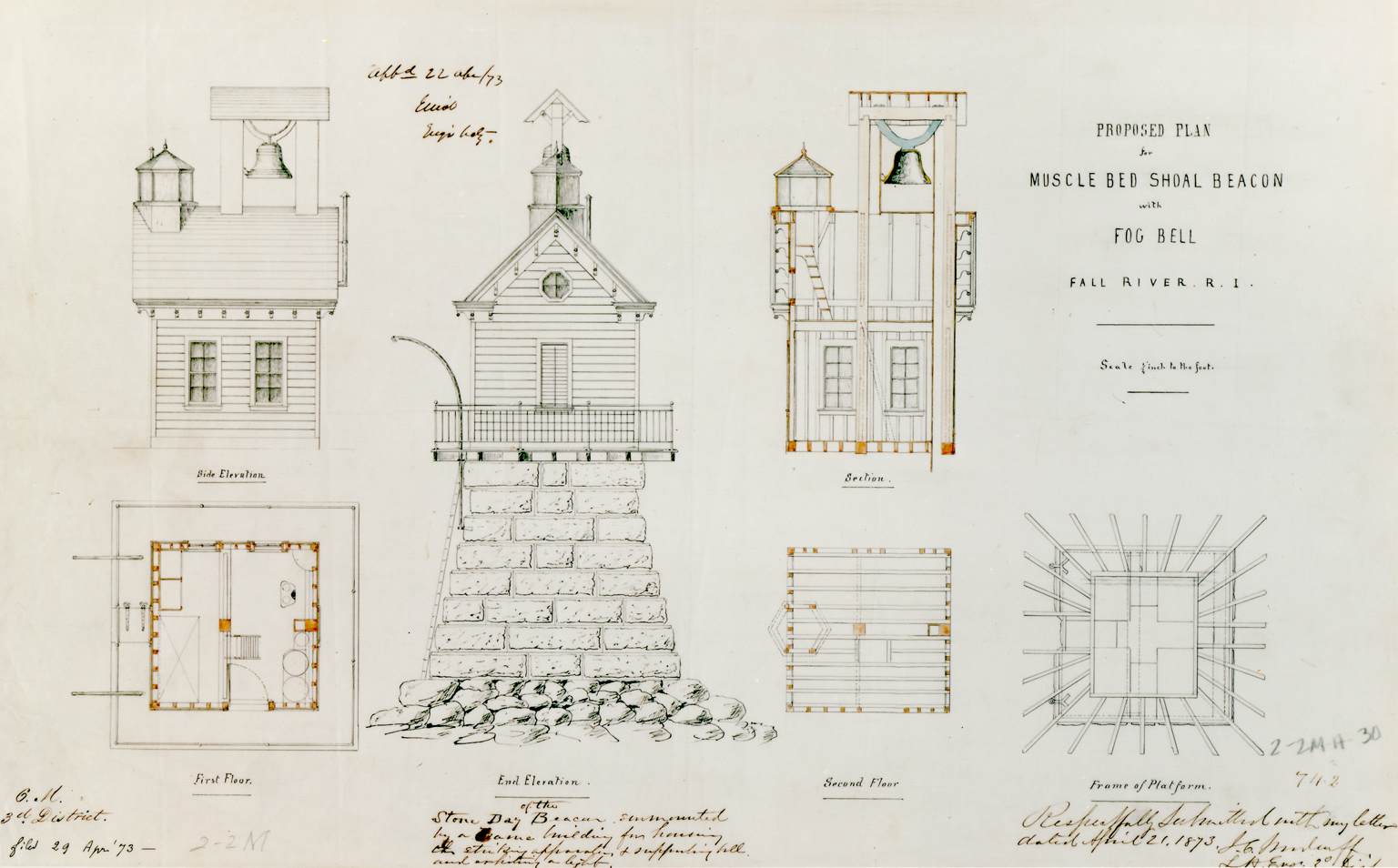
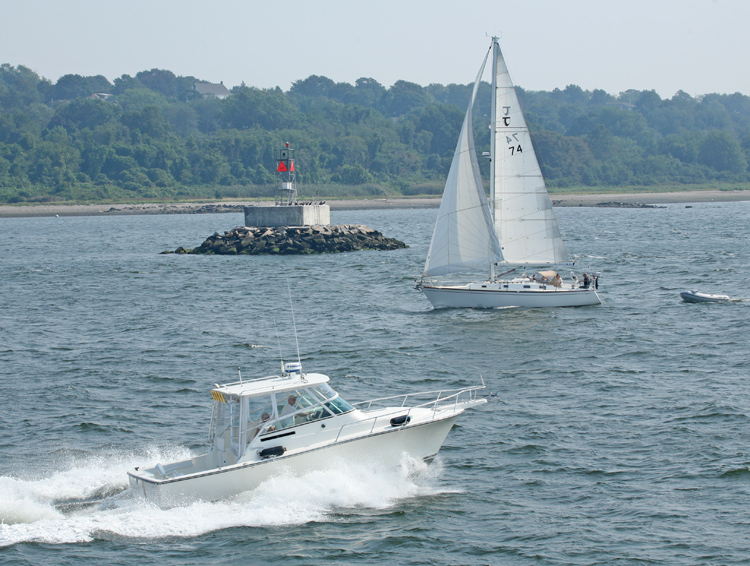
Photo Gallery
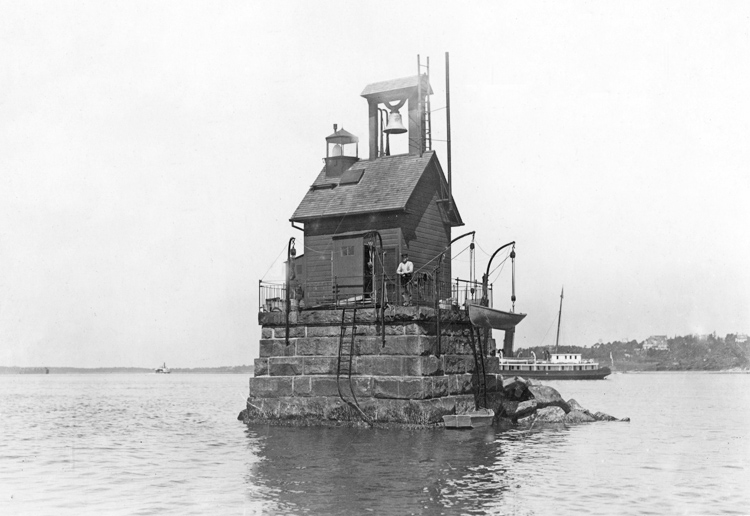
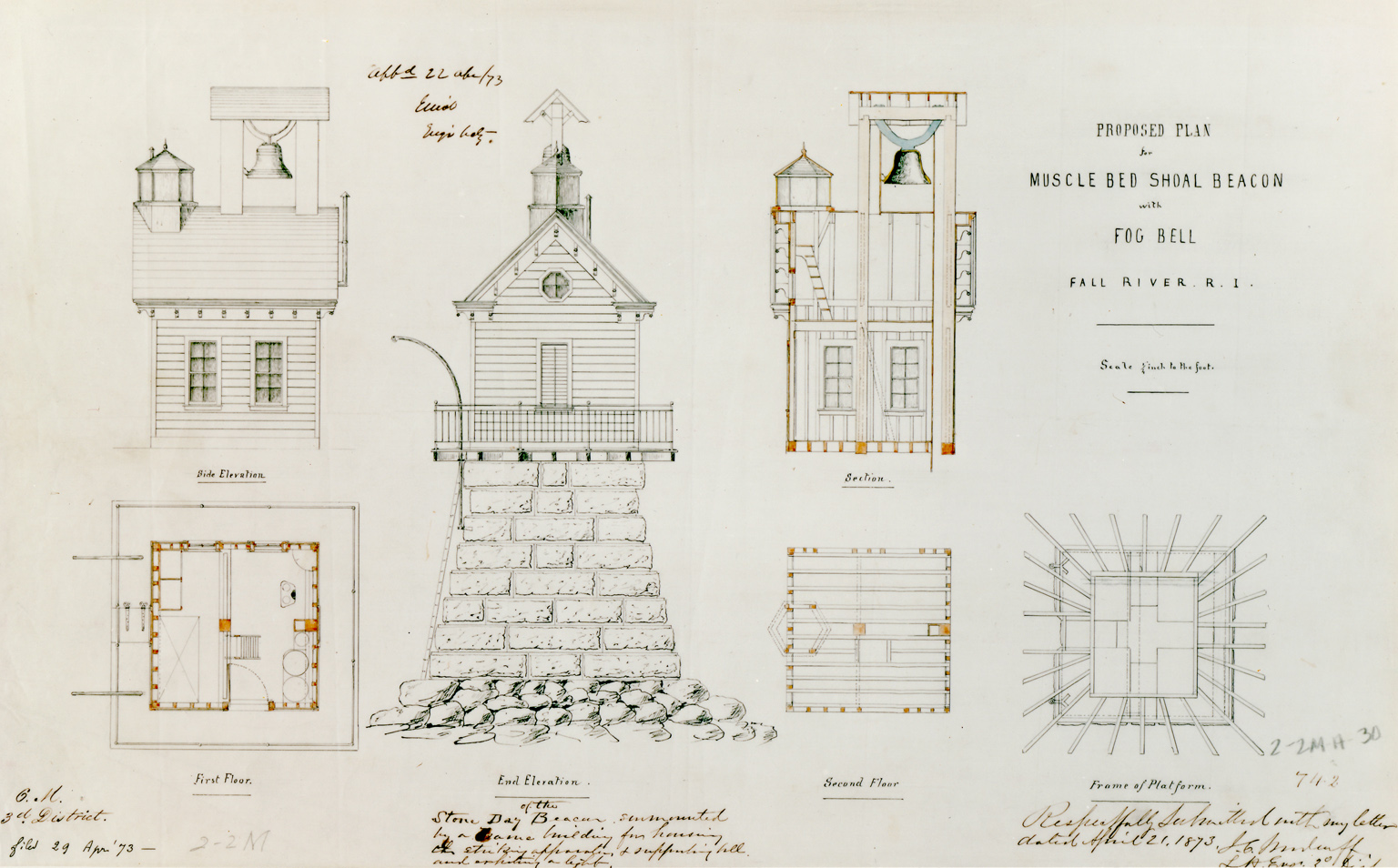
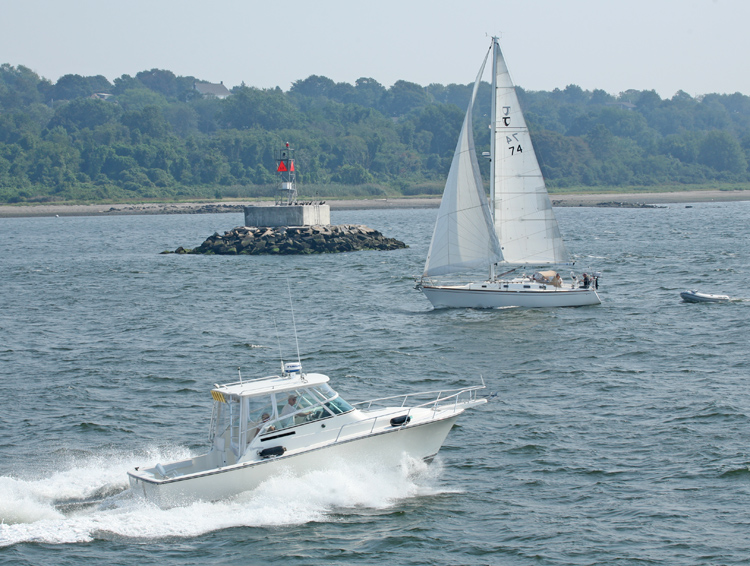
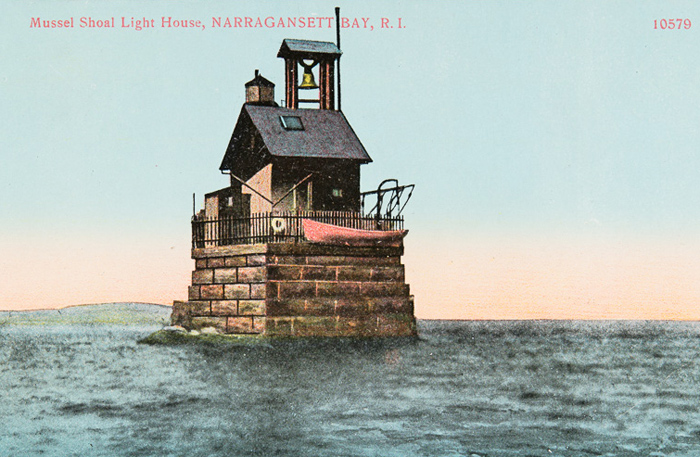
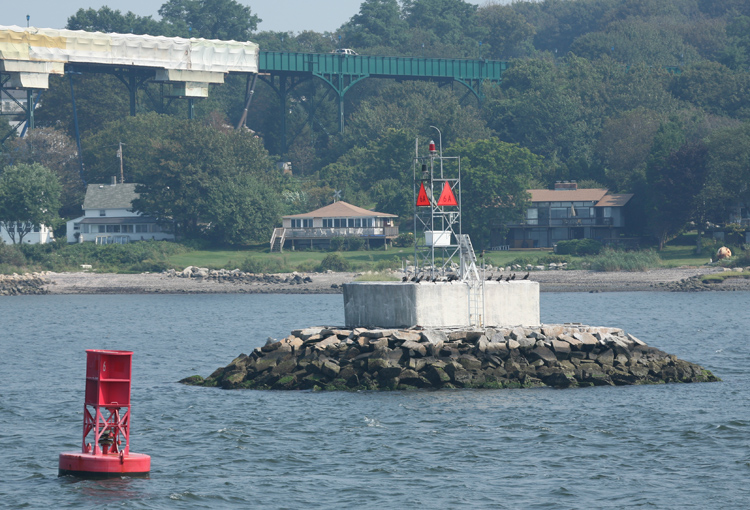
Photo Gallery
Photo Gallery
Musselbed Shoals Lighthouse stood on one of the most exposed and troublesome hazards in upper Narragansett Bay, marking a rocky obstruction in the narrow channel between the bay and Mount Hope Bay. Located a little over half a mile east-northeast of Hog Island Shoal Lighthouse and opposite Bristol Ferry, the station played a vital role in guiding vessels through swift tidal currents and over hidden shoals. Though modest in size and often overlooked, its history is rich with engineering challenges, devoted keepers, and acts of quiet heroism.
Efforts to improve navigation in the Bristol Ferry passage date to at least 1871, when the Lighthouse Board considered erecting a full lighthouse on Hog Island Reef. Instead, a more economical solution was proposed: placing a light and fog bell on an existing stone beacon at Musselbed Shoals to supplement Bristol Ferry Lighthouse, which had been in operation since 1855. Congress appropriated $3,000 in March 1873, and by August 1 of that year, a fixed red light shone from the newly established station.
|
The first structure consisted of a hexagonal tower rising from the center front of a square wooden keeper’s dwelling that measured twelve feet, four inches on each side. The lighthouse displayed a fixed red light using a sixth-order Fresnel lens, visible for over ten nautical miles, and a fog bell struck every twenty seconds during poor visibility. Though simple, the station immediately proved its value in marking the dangerous shoal. The light had a focal plane of thirty-one feet above mean low water, and the bell was mounted under a gallows beam over the dwelling. As the lighthouse was cramped, the keeper often resided on shore, one-half mile away.
The first keeper, Dennis Shea, served only four months before resigning. He was succeeded by William Dunwell, followed in 1875 by Thomas S. Smith. These early years revealed the station’s greatest enemy: ice. During the winter of 1874–75, drifting ice shifted the stone foundation four feet out of position, rendering the structure nearly useless. Despite the damage, Keeper Smith managed to keep the light burning—an early example of the determination required to serve at Musselbed.
Recognizing the need for a stronger foundation, Congress appropriated $6,000 in 1877. The original pier was dismantled and replaced with a larger granite base, and the lighthouse was rebuilt and reinstalled in 1878. Even then, the structure remained extremely small—just over twelve feet square—combining living quarters, tower, and fog signal in a single cramped space.
Life at Musselbed Shoals was uniquely challenging. The lighthouse stood entirely surrounded by water, with no land connection, and was frequently battered by tides, ice, and storms. Supplies had to be brought by boat, and during severe weather, keepers could be isolated for days or even weeks.
Thomas S. Smith served until his death in 1881. In a remarkable and telling moment, his son Andrew T. Smith—just shy of his eighteenth birthday—was appointed keeper. As the eldest of eight children, Andrew’s appointment likely provided critical financial stability for the family. He remained at the station for a decade, an unusually long tenure for such a difficult post.
Repairs and improvements continued through the 1880s and 1890s, including riprap reinforcement around the pier and upgrades to the dwelling. Still, the station remained vulnerable and uncomfortable, a reality that shaped the experiences of its keepers.
One of the most notable keepers was Captain James D. Leonard, who served from 1891 to 1905. A former mariner from Warren, Leonard had spent much of his life at sea before joining the Lighthouse Service. By the time of a 1902 newspaper account, he had already devoted several years of service aboard the Hog Island Shoal lightship.
Leonard’s tenure illustrates both the isolation and resilience required at Musselbed. He lived alone in the tiny structure, completely surrounded by water. During storms, he sometimes went an entire week without speaking to another person. Yet in fair weather, he made daily trips ashore, maintaining ties with the Bristol Ferry community.
|
Despite the hardships, Leonard formed strong friendships with fellow keepers, including Captain Edward Sherman of the nearby Bristol Ferry Light. His life reflects a broader truth about lighthouse keeping: it demanded not only technical skill, but also emotional endurance and self-reliance.
The early 1900s saw frequent turnover among keepers, a testament to the station’s difficult conditions. Among them was William Tengren, who in 1913, along with his son, rescued three people from an overturned powerboat—one of many rescues performed by keepers at the station.
Otis L. Barstow, keeper from 1916 to 1920, also demonstrated the keeper’s role as a first responder, towing a disabled launch to safety in 1919. That same winter, heavy ice again damaged the station, dislodging foundation stones and making landings nearly impossible. Reports described the structure as “very small and inconvenient,” suggesting that its days in original form were numbered.
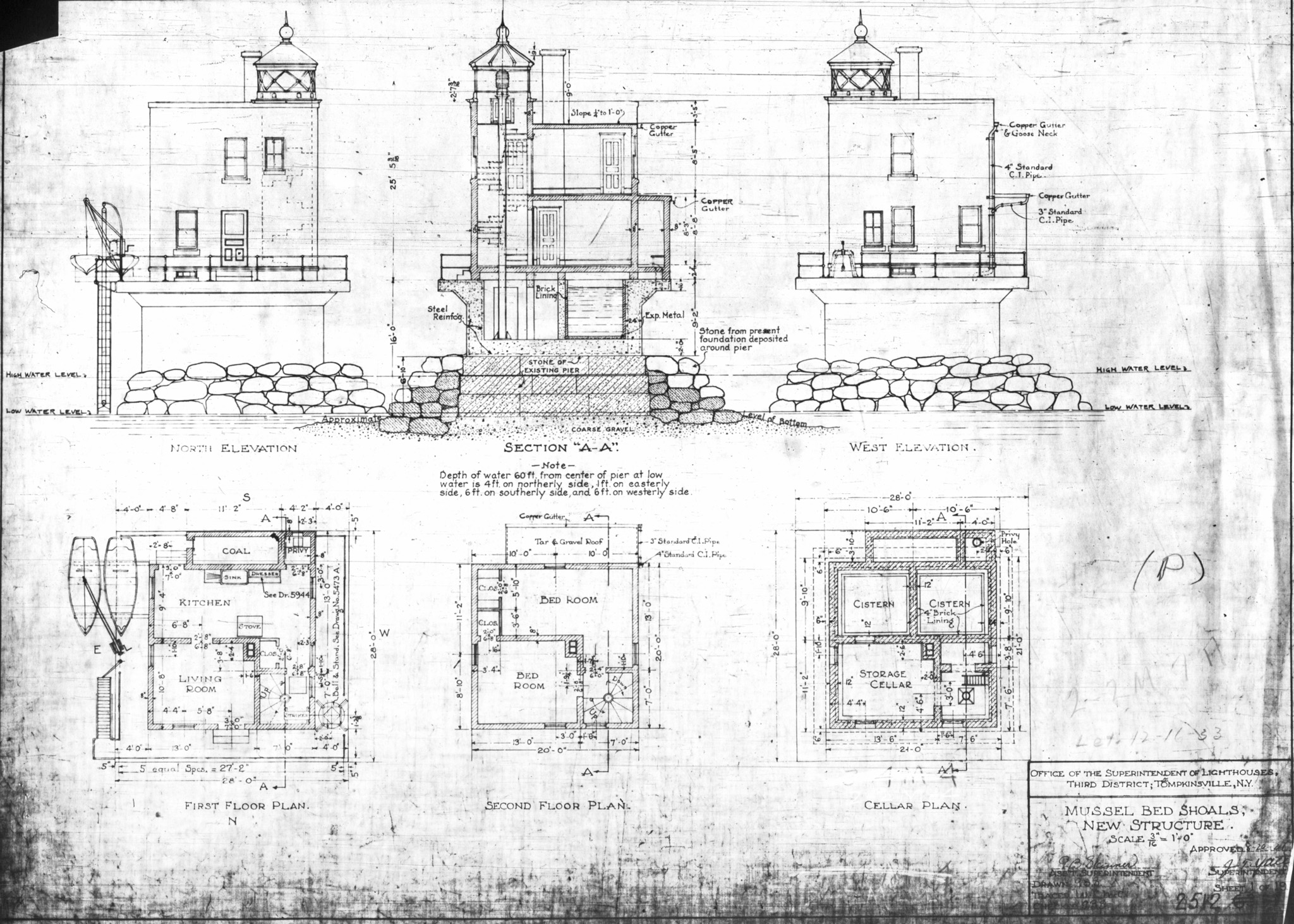
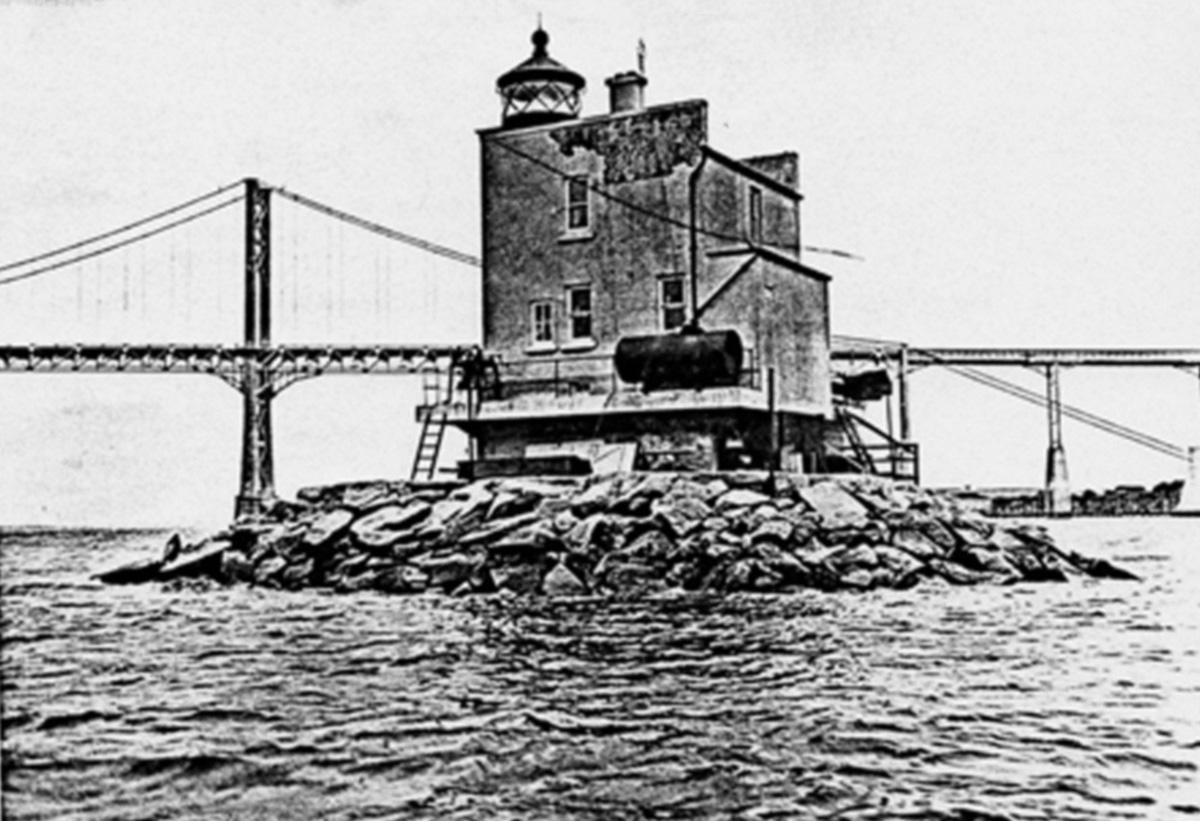
In 1924, the aging lighthouse was demolished and replaced with a larger four-room dwelling, marking a significant improvement in living conditions. That same year, Patrick J. Brides was appointed keeper, beginning the most celebrated chapter in the station’s history.
Brides had entered the Lighthouse Service in 1920 at Hog Island Shoal Light, quickly rising from second assistant to first assistant before his transfer to Musselbed. Over the next fifteen years—the longest tenure of any keeper at the station—he became known for his vigilance, courage, and repeated lifesaving efforts.
His rescues were numerous and well documented. In October 1932, he saved two men clinging to an overturned boat in choppy waters, rowing out quickly despite strong winds and an outgoing tide. In April 1934, he rescued a man from a sinking vessel drifting toward Fall River. The following year, he responded to a dramatic incident involving the steamer Plymouth, in which a passenger fell or jumped overboard. Brides reached the man first and kept him afloat until a lifeboat arrived from the Plymouth. This act earned official commendation and even a $10 reward from grateful passengers.
After Bristol Ferry Lighthouse was automated in 1927, Keeper Brides was paid an extra sixty dollars to look after that light as well, until it was discontinued in 1930.
Amid these acts of heroism came a deeply personal tragedy. In 1934, Brides’ wife, Mary Duffy Brides, suffered a horrific accident at the lighthouse. While retrieving milk from an outdoor icebox, she slipped on an ice-covered deck, slid under the guardrail, and fell twelve feet onto jagged rocks before being washed into the frigid water.
Keeper Brides heard his wife’s screams and immediately attempted a rescue, eventually lowering a rope, climbing down, and bringing her to safety. Battling ice-choked waters, he transported her ashore for medical care. Remarkably, she survived with just painful bruises, a cut over her right eye, and a lacerated leg. The incident underscored the ever-present dangers faced not only by keepers, but by their families.
The devastating New England Hurricane of 1938 marked the beginning of the end for Musselbed Shoals Lighthouse. The storm inundated the structure, washing away platforms and flooding the interior to significant heights. The lighthouse was deemed beyond practical repair.
In 1939, the building was dismantled, and a skeletal steel tower replaced it. The light was automated on June 6, and the position of keeper was officially discontinued later that month.
Keeper Brides, despite nearly two decades of service, had to take his accrued leave starting on May 1, 1939, while the lighthouse was razed and a new steel tower was erected. A bell buoy marked the station during this work. A new position for Brides finally became available, and he was appointed second assistant of Mintos Ledge Lighthouse that July. He served there until retiring as first assistant in 1943.
Today, though a formal lighthouse is long gone, a light still marks Musselbed Shoal, continuing a mission that began in 1873: to guide mariners safely through the treacherous waters of Narragansett Bay.