Northwest Point Royal Shoal, NC 
Select a photograph to view a photo gallery
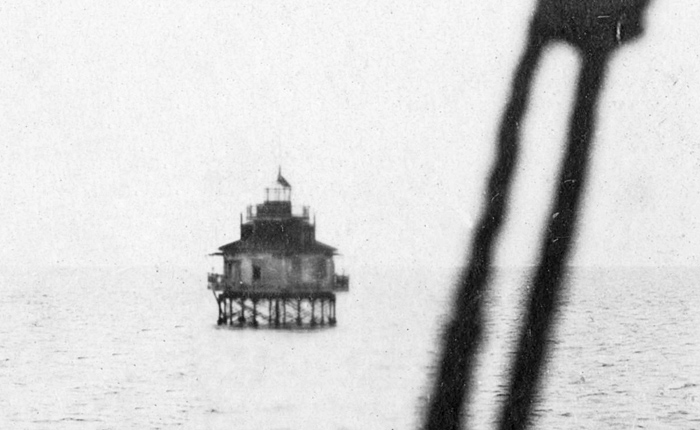
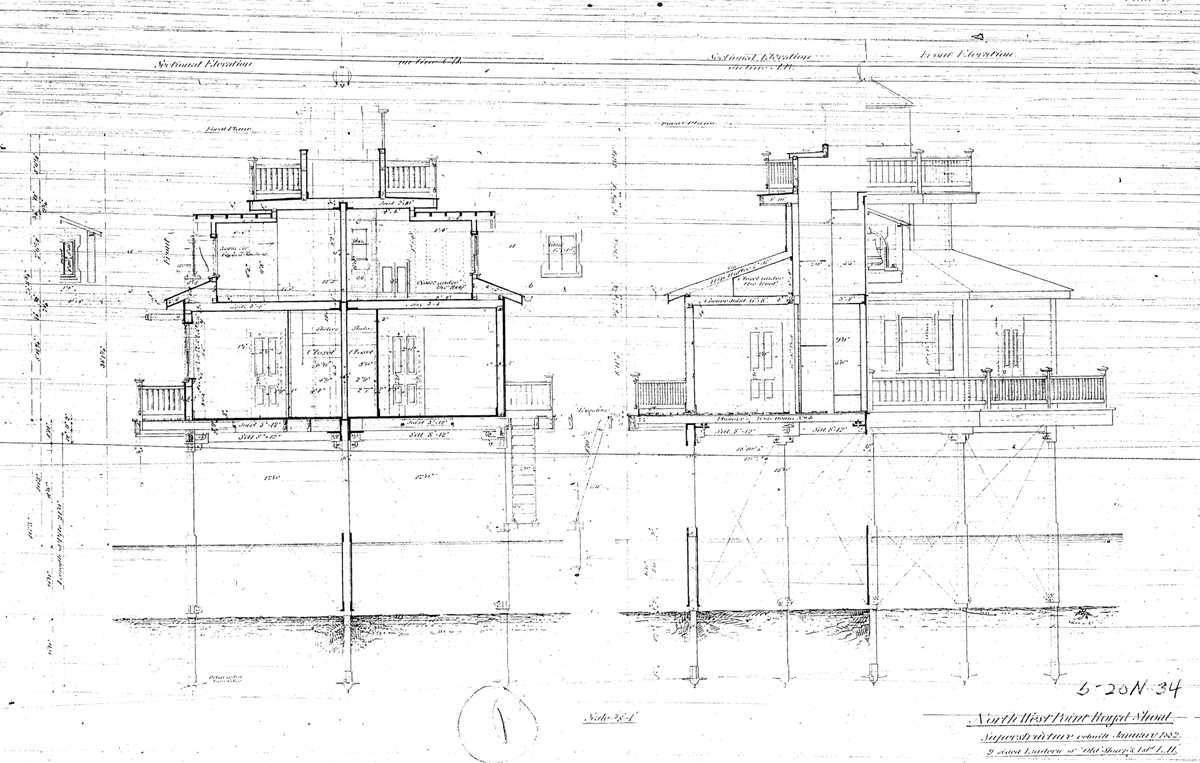
Photo Gallery

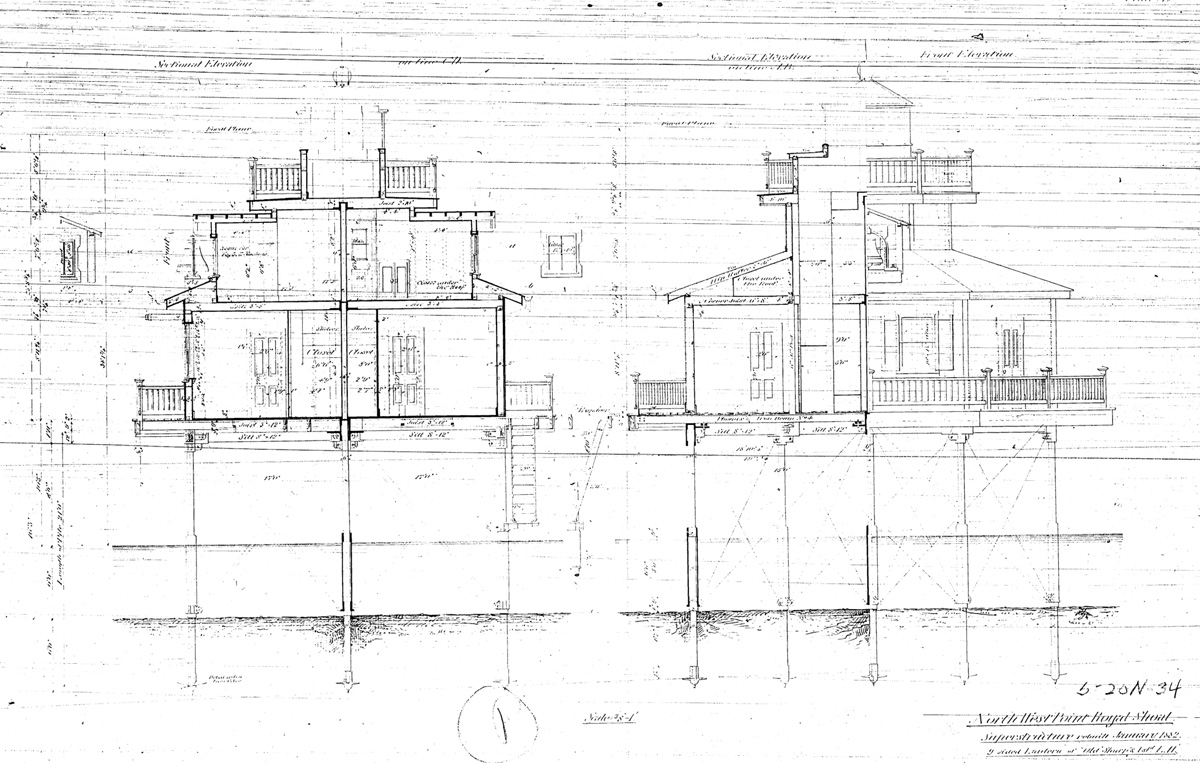
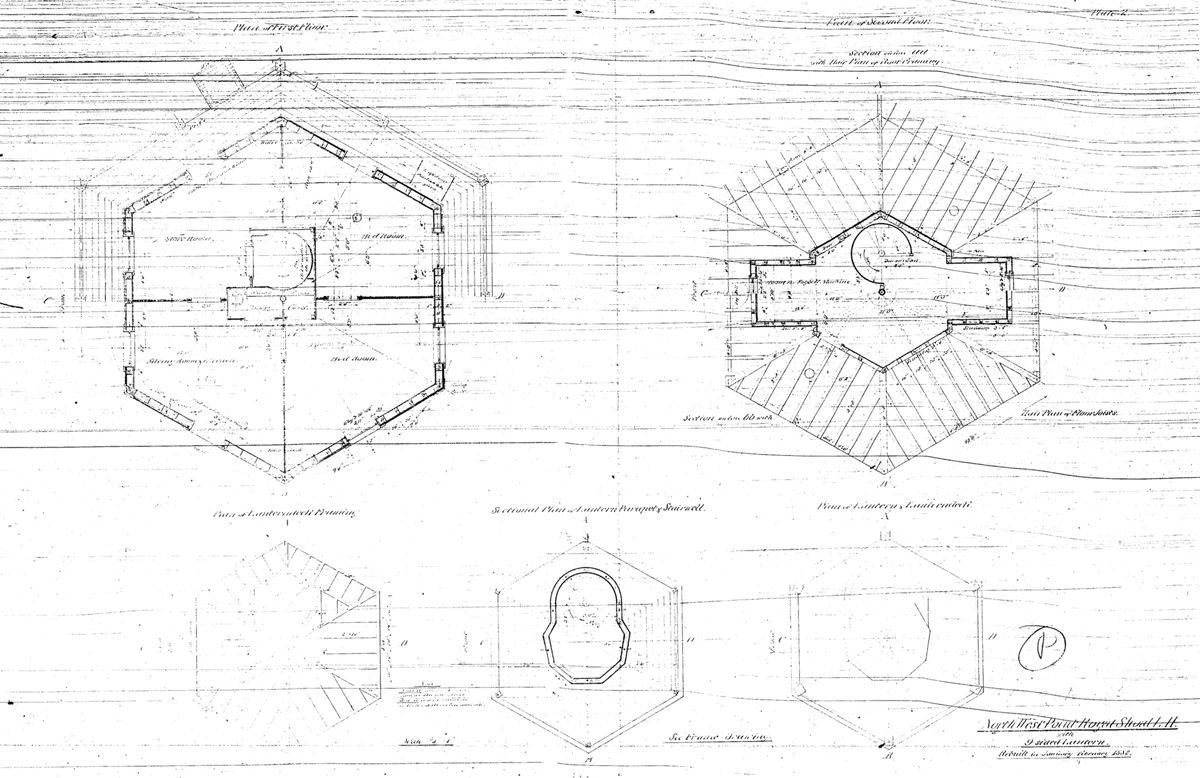
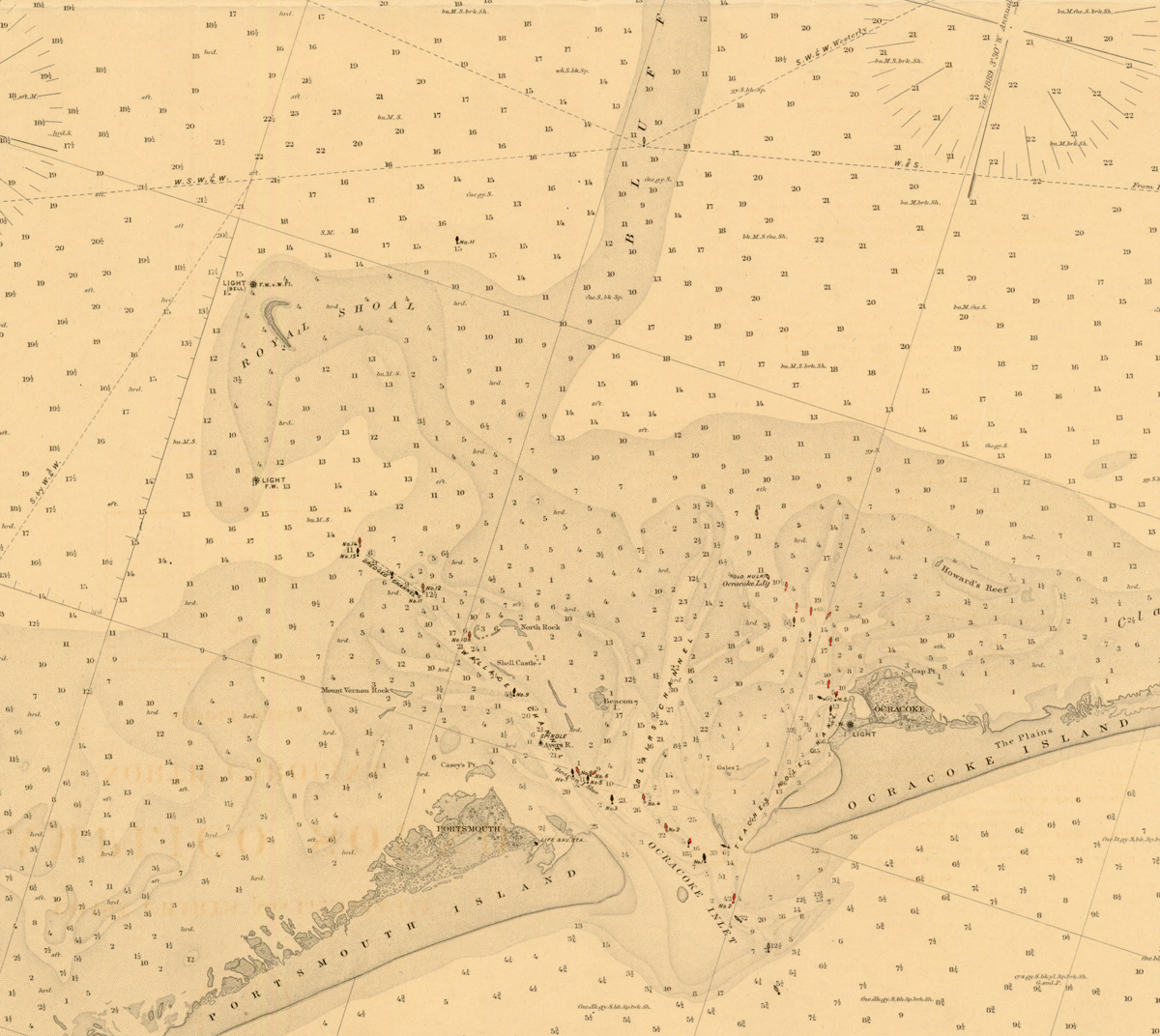
Photo Gallery
Photo Gallery
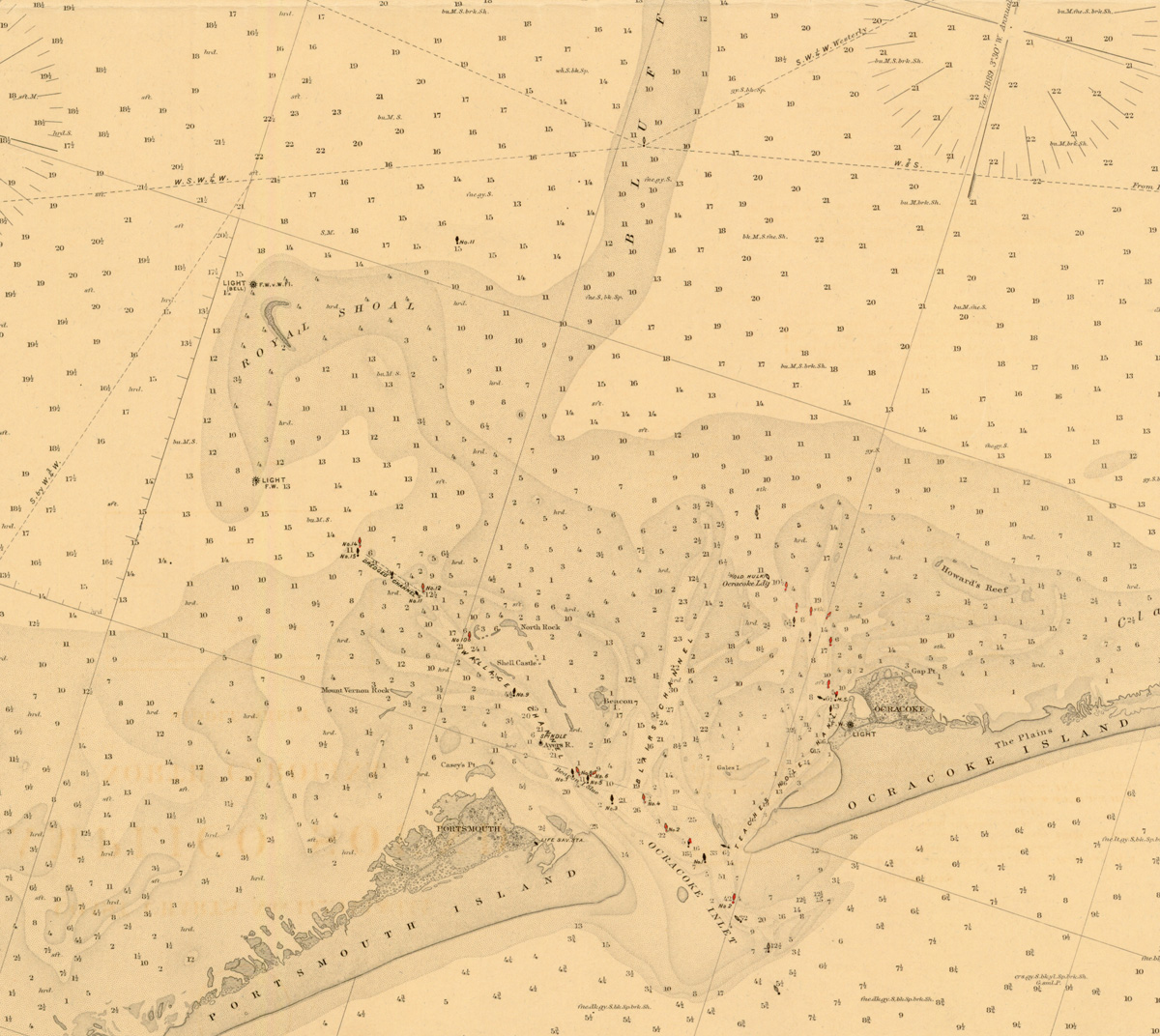
In the broad, shallow waters of North Carolina’s Pamlico Sound, Royal Shoal long presented a serious hazard to navigation. Located roughly eight to nine miles west-northwest of Ocracoke Island and north of Cedar Island, the shoal forms part of a complex system of submerged sandbars that stretches across the sound. Royal Shoal itself was described in nineteenth-century government reports as a large horseshoe-shaped shoal connected to Bluff Shoal on the north and to the extensive shoals extending from the Outer Banks on the southeast. The curved interior of the horseshoe, known locally as the “Bight of Royal Shoal,” enclosed a relatively deeper basin where water depths reached twelve feet or more. Mariners navigating between Ocracoke Inlet and the inland waters of North Carolina were forced to thread their way through channels bordered by these shifting shoals, making reliable aids to navigation essential.
Recognizing the importance of the area, Congress appropriated $10,000 on August 3, 1854, for the construction of a lighthouse at the northwest point of Royal Shoal. The project was notable because it employed one of the relatively new screw-pile designs that were revolutionizing lighthouse construction in shallow coastal waters. Traditional masonry towers could not be built economically on unstable shoals, but iron piles fitted with screw-like flanges could be twisted into the bottom and provide a stable foundation for a light structure above.
Construction was completed in 1857, and the Lighthouse Board announced that the new lighthouse would begin operation on July 4 of that year. Mariners were informed that the structure stood on an iron screw-pile foundation and exhibited a fixed white fourth-order Fresnel lens varied by flashes. The lighthouse rose thirty-three feet above the water and was expected to be visible for approximately eleven nautical miles. The white dwelling and lantern house were topped by a lantern painted red, a color scheme that became characteristic of many screw-pile stations in the sounds of North Carolina.
|
Benjamin Robinson was appointed the first keeper in 1857 at an annual salary of $500. He was assisted by two assistants, reflecting the isolation of the station and the labor required to maintain the light. By 1859, Robinson’s wife, Matilda, had become first assistant keeper, while Judith Robinson, Benjamin’s sister, served as second assistant. Their service made the Robinsons one of three husband-and-wife teams that would operate the station during its history. Life at Northwest Point Royal Shoal was demanding. The lighthouse stood alone over shallow water, exposed to storms, ice, and the constant movement of the surrounding shoals. Supplies had to be transported by boat, and the keepers endured long periods of isolation while maintaining an uninterrupted light for passing vessels.
The coming of the Civil War disrupted operations throughout the North Carolina lighthouse system. Confederate forces extinguished or removed many coastal lights to hinder Federal naval operations. Northwest Point Royal Shoal was among the stations affected. By 1862, however, Federal authorities had regained control of portions of the North Carolina coast and began restoring the aids to navigation that were vital to military and commercial traffic. Temporary lighted vessels marked several stations, including Royal Shoal, while plans were made to reactivate permanent lights.
The lighthouse was restored and relighted on October 31, 1862. An official report issued the following year described the station as consisting of seven iron piles painted red supporting a hexagonal wooden superstructure painted white, with a red lantern at its center. The rapid restoration of Northwest Point Royal Shoal reflected the strategic importance of Pamlico Sound during the war, as Union forces relied heavily on the region’s waterways for transportation and supply.
Throughout the 1860s and 1870s, the Lighthouse Board repeatedly repaired and maintained the station. In 1868, workers painted the iron foundation, repaired the lantern and gallery railing, installed new locks and hinges, and supplied fresh water casks. Similar maintenance followed in 1869, when rust was removed from the ironwork and repairs were made to the lantern platform. In 1876, the dwelling received a new roof and underwent extensive repairs.
One of the most interesting keeper families associated with the lighthouse was that of James E. Merriam. Born in Connecticut in 1830, Merriam reportedly served the Federal government during the Civil War as a special secret-service agent and was said to have enjoyed the friendship of President Abraham Lincoln and Secretary of War Edwin Stanton. After the war, he settled near Washington, North Carolina, where he married Mary Lucretia Stilley. Merriam was appointed assistant keeper at Northwest Point Royal Shoal in 1877 and was promoted to head keeper the following year. From 1880 to 1885, his wife Mary served as first assistant keeper, making them the station’s third husband-and-wife keeper team. Thomas C. Jones served as keeper from 1866 to 1875, with his wife as his assistant from 1868 to 1875, but little is known of their service other than they had seven kids living at home according to the 1870 Census.
James Merriam’s career extended beyond lighthouse service. He became active in local politics and public affairs, serving as a county commissioner, justice of the peace, deputy internal revenue collector, and civic leader. Following his death in 1899, a North Carolina newspaper recalled that “no former citizen of Beaufort county was better known” and credited him with promoting important local improvements, including the extension of a railroad line to Washington. His years at Northwest Point Royal Shoal formed only one chapter in a remarkably varied public career.
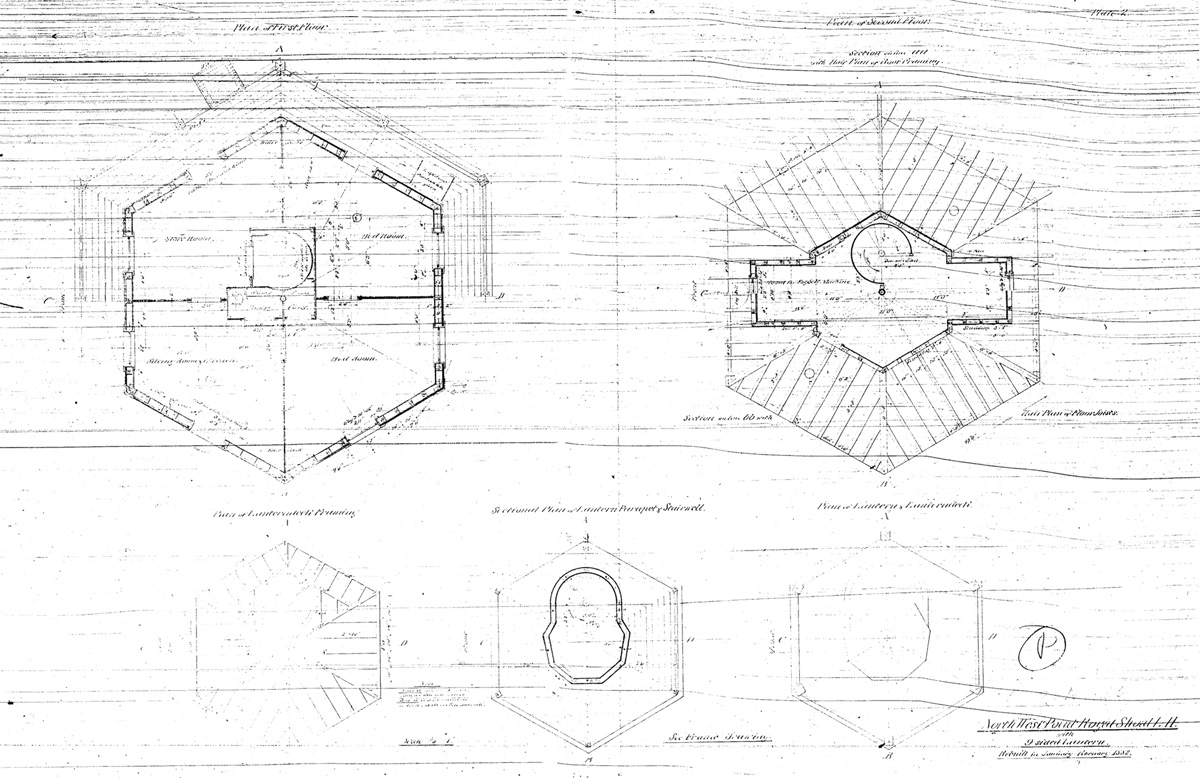
By the early 1880s, the original superstructure had deteriorated badly. In 1882, the Lighthouse Board undertook a complete rebuilding of the wooden portions of the station. The keepers and their belongings were removed while the old structure was dismantled by burning. A new superstructure was erected on the existing foundation, and a suspended scaffold was installed beneath the dwelling to provide storage space for fuel, oil, and supplies. The improvement significantly increased the comfort of the keepers, who occupied one of the smallest offshore lighthouse dwellings in the district.
Despite these efforts, the station faced a growing threat from nature. Surveys conducted in 1889 revealed that erosion and scouring around the structure had removed approximately three and one-half feet of bottom material since the lighthouse was established. The original screw piles, driven only six feet into the shoal, now had barely two and one-half feet of penetration remaining. The structure shook noticeably during storms, prompting the placement of riprap stone around the foundation.
|
Conditions continued to worsen during the 1890s. Inspections found that some of the riprap had either sunk into the bottom or washed away. Ice damaged the iron bracing, and the lighthouse moved perceptibly during storms. Rather than replace the structure immediately, the Lighthouse Board attempted an ambitious strengthening project. Beginning in 1896, contractors installed six additional cast-iron piles around the original foundation. The new piles were filled with concrete and connected by iron beams and bracing designed to stabilize the structure. Although delays plagued the work, it was finally completed in 1897, and additional tension bracing was added shortly thereafter.
The repairs failed to solve the fundamental problem. By 1899, officials concluded that the shoal itself was disappearing beneath the lighthouse. During the powerful hurricane of August 17–19, 1899, waves swept completely over the dwelling, causing extensive damage. Reports noted that the structure oscillated so badly in ordinary weather that it was nearly impossible to keep the roof watertight. The Lighthouse Board declared the site unsafe and recommended spending $30,000 to construct a replacement.
As a temporary measure, the station’s fourth-order Fresnel lens and fog signal were removed in January 1900 and replaced by a simpler lantern light. To distinguish it from nearby Southwest Point Royal Shoal Lighthouse, the light was changed from white to red on June 1, 1900. The resident keeper was transferred to Southwest Point Royal Shoal and made responsible for maintaining the weakened Northwest Point light as well.
Edward L. Keeler, the longest-serving keeper at Northwest Point Royal Shoal Lighthouse, was in charge of the station during the devastating hurricane of 1899, when storm seas swept over the dwelling and further weakened the already unstable structure. He was already a veteran lighthouse keeper when he was appointed head keeper in 1886, having served for roughly a decade as an assistant keeper at Long Shoal and Brant Island Shoal. During Keeler’s fourteen years in charge, the lighthouse underwent repeated repairs and strengthening efforts as the shoal beneath it steadily eroded away. In 1900, he was transferred to nearby Southwest Point Royal Shoal Lighthouse, where he served with his wife, Susan, as assistant keeper until his death in 1905.
Congress appropriated $30,000 on March 3, 1901, to rebuild the lighthouse. Further study, however, convinced lighthouse officials that a better site existed nearby on Bluff Shoal, a long narrow shoal extending northward from Royal Shoal. The new location would provide superior guidance to vessels navigating the changing courses through Pamlico Sound. Congress approved the change in 1902, allowing the funds originally intended for Northwest Point Royal Shoal to be used for construction at Bluff Shoal.
The final keeper of Northwest Point Royal Shoal was Amasa J. Simpson, a veteran lighthouse keeper whose career stretched back to 1883. Simpson had served at Cape Hatteras, Cape Charles, Currituck Beach, Hatteras Inlet, Seven Foot Knoll, Laurel Point, and Long Shoal before assuming charge of Northwest Point Royal Shoal in 1901. When the replacement lighthouse at Bluff Shoal entered service in January 1904, Simpson transferred to the new station.
On or about January 15, 1904, the red light at Northwest Point Royal Shoal was permanently discontinued. The fourth-order lens, lamps, and other equipment were removed for use elsewhere, while the old structure was retained as a daymark. The new Bluff Shoal Lighthouse, located several miles away in a more favorable position, assumed responsibility for marking the dangerous shoals of central Pamlico Sound.
Although Northwest Point Royal Shoal Lighthouse was active for only forty-seven years, it played a vital role during a formative period in the development of North Carolina’s lighthouse system. As one of the earliest screw-pile lighthouses in the state, it demonstrated the practicality of offshore iron-pile construction while helping generations of mariners navigate the treacherous waters surrounding Ocracoke and Pamlico Sound. Its history also illustrates the constant struggle between engineers and the ever-changing shoals of the North Carolina coast, where shifting sands ultimately proved stronger than even the most innovative lighthouse foundations of the nineteenth century.
Keepers:
References