North River, NC 
Select a photograph to view a photo gallery
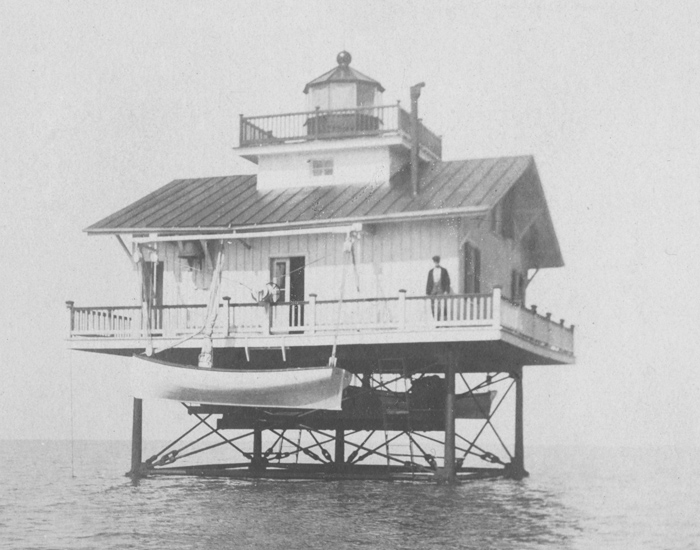
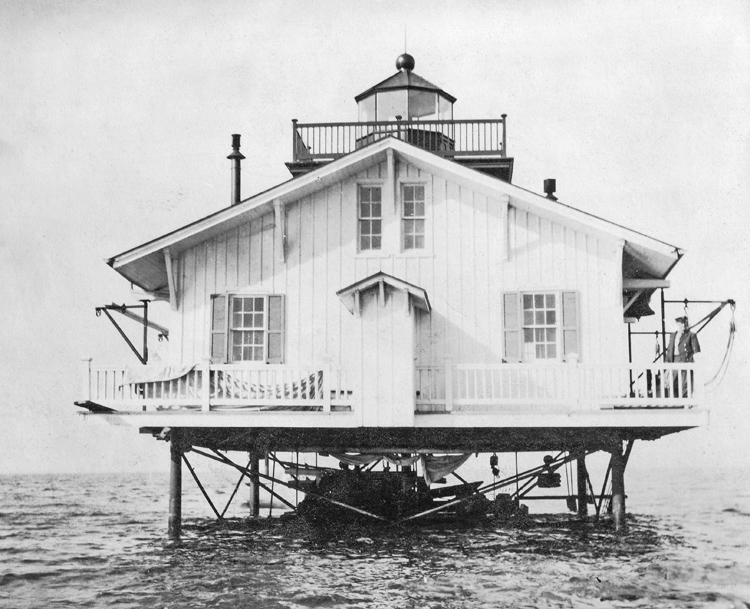
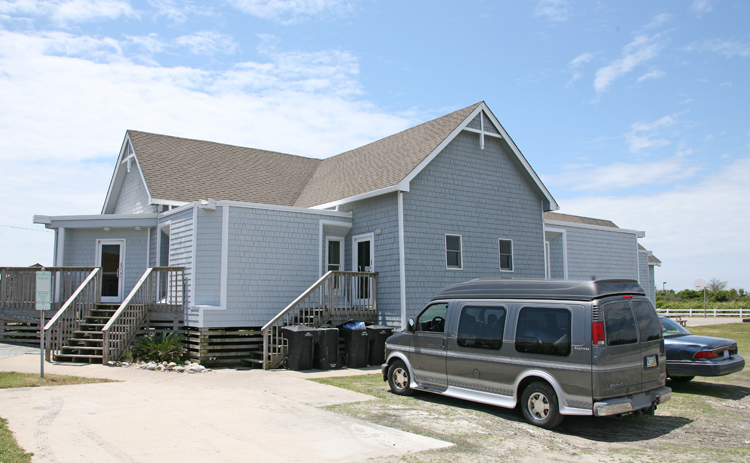
Photo Gallery
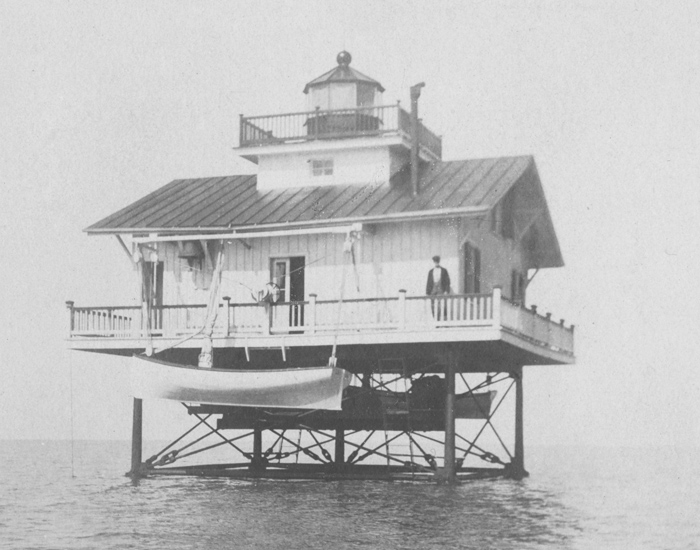
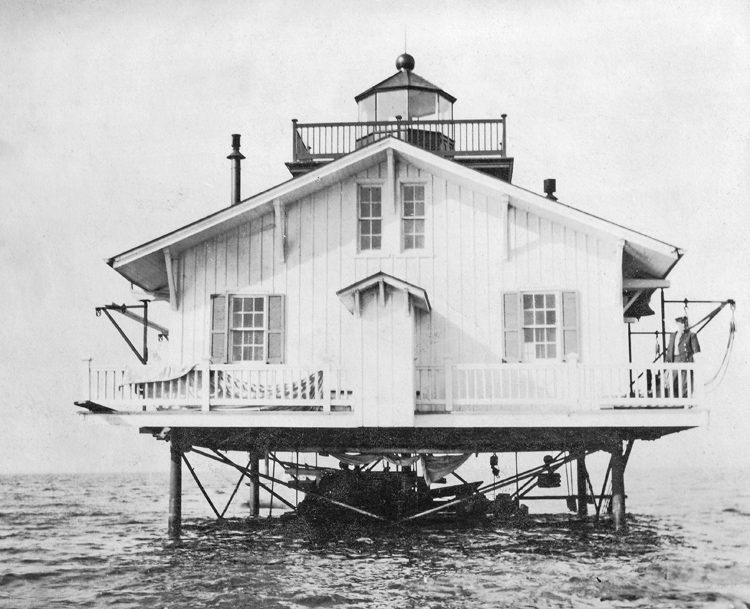
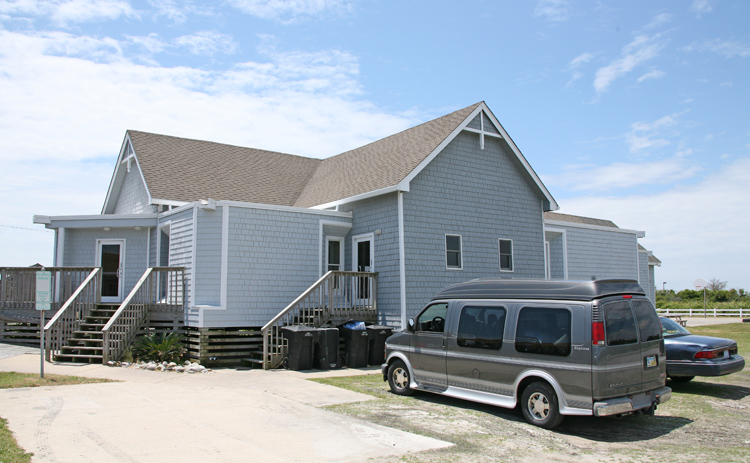
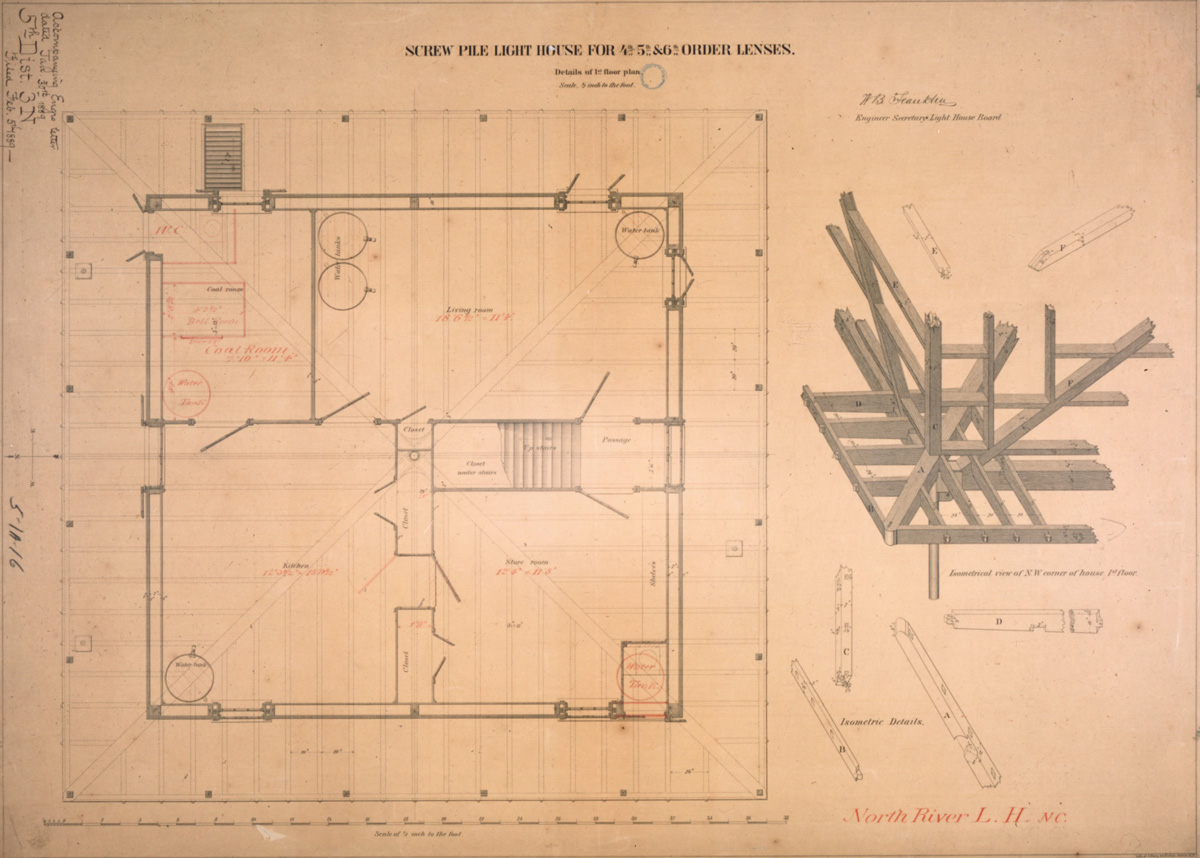
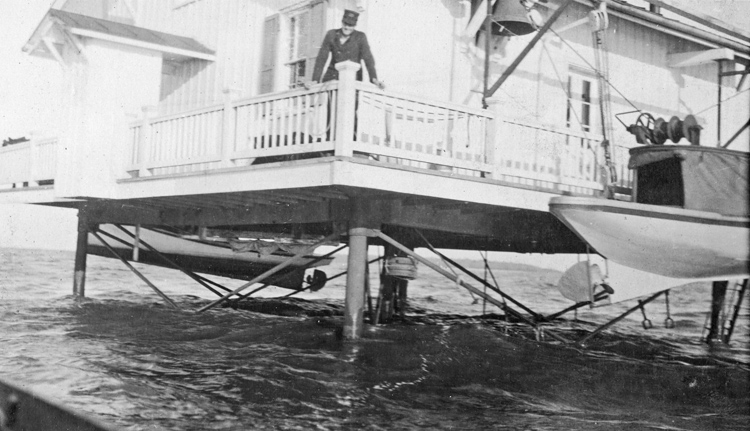
Photo Gallery
Photo Gallery
The North River is a tidal waterway approximately eighteen miles long in northeastern North Carolina, forming part of the boundary between Camden and Currituck counties before emptying into Albemarle Sound. Though modest in length, the river gained great commercial importance in the nineteenth century when it became the southern link in a transportation corridor connecting the waters of North Carolina with those of Virginia. The construction of the Albemarle and Chesapeake Canal transformed the river from a local waterway into a vital segment of an inland route between Chesapeake Bay and the sounds of North Carolina, creating a need for improved navigation aids at the river’s mouth.
The dream of a canal linking the Chesapeake Bay region with Albemarle Sound dated back to 1772, when the concept was first proposed to the Virginia General Assembly. The project was repeatedly discussed over the ensuing decades, but the engineering challenges and expense prevented construction. By the 1850s, advances in steam-powered excavation equipment finally made the undertaking practical. Construction began in 1856, and by 1859 the Albemarle and Chesapeake Canal was complete. The project consisted of a Virginia section connecting the Elizabeth River with the North Landing River and a North Carolina section connecting Currituck Sound with North River. Together these waterways created a protected inland route that bypassed the hazards of the Atlantic coast.
Recognizing the growing importance of this new navigation corridor, Congress appropriated $10,000 on June 20, 1860, for the construction of a lighthouse at the mouth of North River on Albemarle Sound. Work was expected to proceed promptly, and Lighthouse Board reports for 1860 noted that operations were underway for both the completion of Cape Charles Lighthouse and the building of the new lighthouse at North River. However, the outbreak of the Civil War dramatically altered those plans.
|
The strategic waterways of coastal North Carolina became contested territory during the war, and the region around Albemarle Sound was vulnerable to military operations and raids. In its 1865 annual report, the Lighthouse Board explained that although funds had been appropriated in 1860, “because that region was open to raids by the enemy it was not deemed prudent to take any steps towards building the structure.” The appropriation ultimately lapsed back into the Treasury. Thus, while the completion of the canal had created a clear need for a lighthouse, the Civil War delayed its construction for more than five years.
After the war, the need for a light at the entrance to North River remained pressing. Traffic traveling between Chesapeake Bay and North Carolina's sounds depended upon the canal route, and mariners required a reliable guide when entering the river from Albemarle Sound. Congress responded by appropriating $15,000 on April 7, 1866, for a new lighthouse.
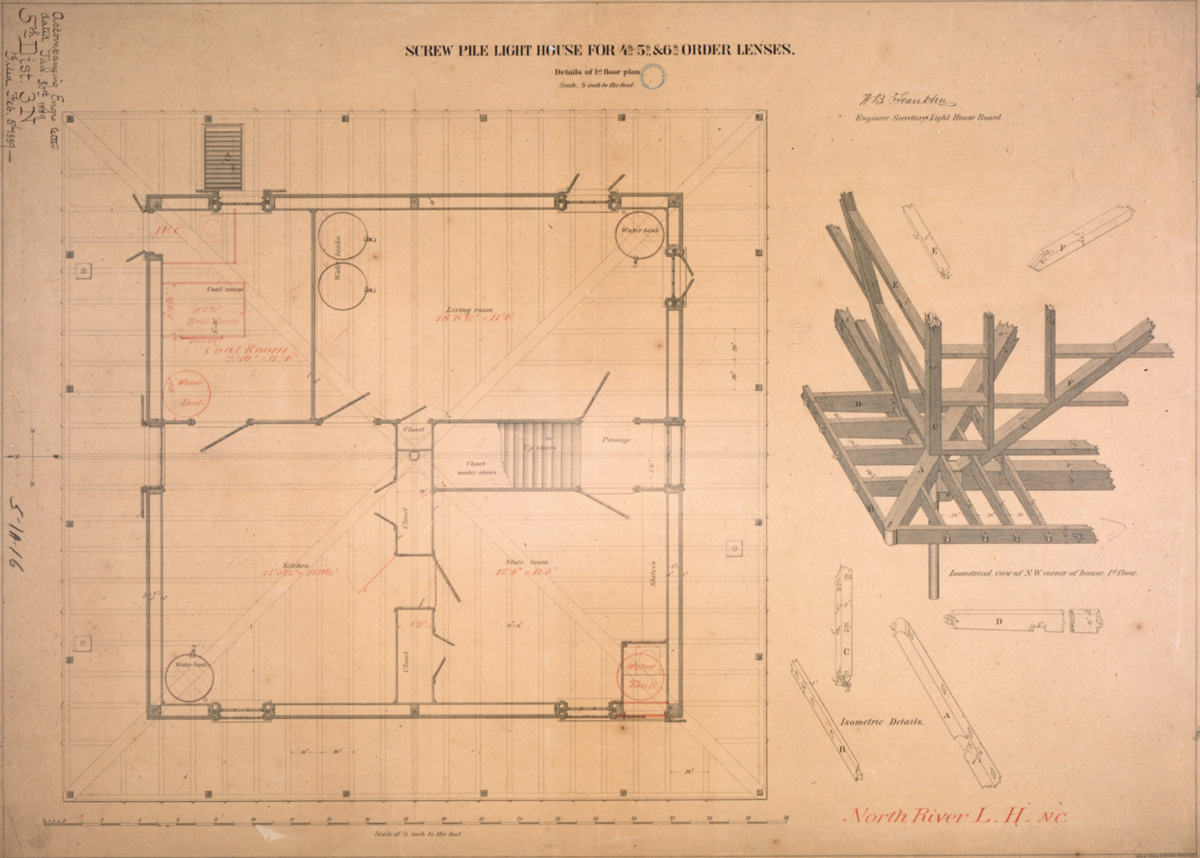
A screw-pile lighthouse was erected on the bar at the mouth of North River during 1866. Like many postwar lighthouses constructed in the shallow waters of North Carolina, the structure stood upon iron screw piles anchored into the bottom. The lighthouse was located in only three and three-quarter feet of water, about three hundred yards west of the channel crossing the bar. Rising thirty-five feet above the water, the structure displayed a fixed red light produced by a fifth-order Fresnel lens. The light was first exhibited on the evening of December 1, 1866, and was visible for approximately ten miles in clear weather.
Willis Partridge was appointed the station’s first keeper on November 7, 1866, at an annual salary of $400. His son, Jesse Partridge, became the first assistant keeper on January 23, 1867. The appointment of a father-and-son team reflected a common practice in the Lighthouse Service, where family members often worked together to maintain isolated stations. Their duties included caring for the light, maintaining the structure, tending boats, and ensuring that mariners could depend upon the station every night of the year.
The Lighthouse Board devoted considerable effort to maintaining the exposed structure. Repairs in 1868 included painting the iron foundation, lantern, and other portions of the station, replacing broken glass, installing a new cooking stove, and supplying materials for boat sails. Additional painting and maintenance were completed in 1869. In 1873 the station received a fog bell and striking machine, providing an audible warning to vessels during periods of reduced visibility. The bell was struck at five-second intervals and greatly enhanced the station’s usefulness during the foggy weather common on Albemarle Sound.
During the tenure of Keeper William H. Lyon, who served from 1877 to 1883, the station experienced both danger and distinction. In 1877, Lyon was caught in a gale while traveling by boat to or from the lighthouse. His boat capsized in the rough water, and he was rescued by local men who launched another boat and came to his aid. The incident demonstrated the hazards routinely faced by keepers serving isolated screw-pile lighthouses in Albemarle Sound. Lyon also displayed a talent for craftsmanship. At the North Carolina State Fair in 1882, visitors were encouraged to view a working model of North River Lighthouse that Lyon had constructed. Displayed in the main exhibition hall, the model attracted enough attention to be specifically mentioned in newspaper coverage of the fair.
|
Although the lighthouse served navigators well, the shifting bar at the river’s entrance continued to create difficulties. By the late 1880s, the U.S. Army Corps of Engineers examined methods for improving navigation through North River Bar. In 1887 the Chief of Engineers recommended dredging a straight channel through the shoal and establishing range lights to guide vessels safely through it. The Lighthouse Board supported the proposal and requested appropriations for gas-lighted beacons. Meanwhile, extensive repairs were made to the aging lighthouse. Rotten structural members were replaced, a new gallery was constructed, the old shingle roof was replaced with a tin roof, and numerous other improvements restored the station to excellent condition.
Work on the channel improvement progressed slowly, but Congress finally appropriated funds in 1891 for range lights. Plans were completed the following year, and in March 1893 two gas-lighted range beacons were placed in operation. The front beacon stood nineteen feet above the water, while the rear beacon reached thirty-five feet. Displaying fixed white lights, the pair guided mariners through the dredged channel across North River Bar. Lighthouse Board officials believed the new aids would eventually render the old screw-pile lighthouse unnecessary, but the station continued to operate for many years.
Routine improvements continued at North River Lighthouse. A landing platform and new iron boat davits were installed in 1896. New fifth-order lamps were fitted in 1900. In 1904 a water tank was added and the fog-bell machinery was replaced with a more modern apparatus. Although the assistant keeper position had been abolished in 1882 as an economy measure, increasing responsibilities led to its reinstatement in 1905.
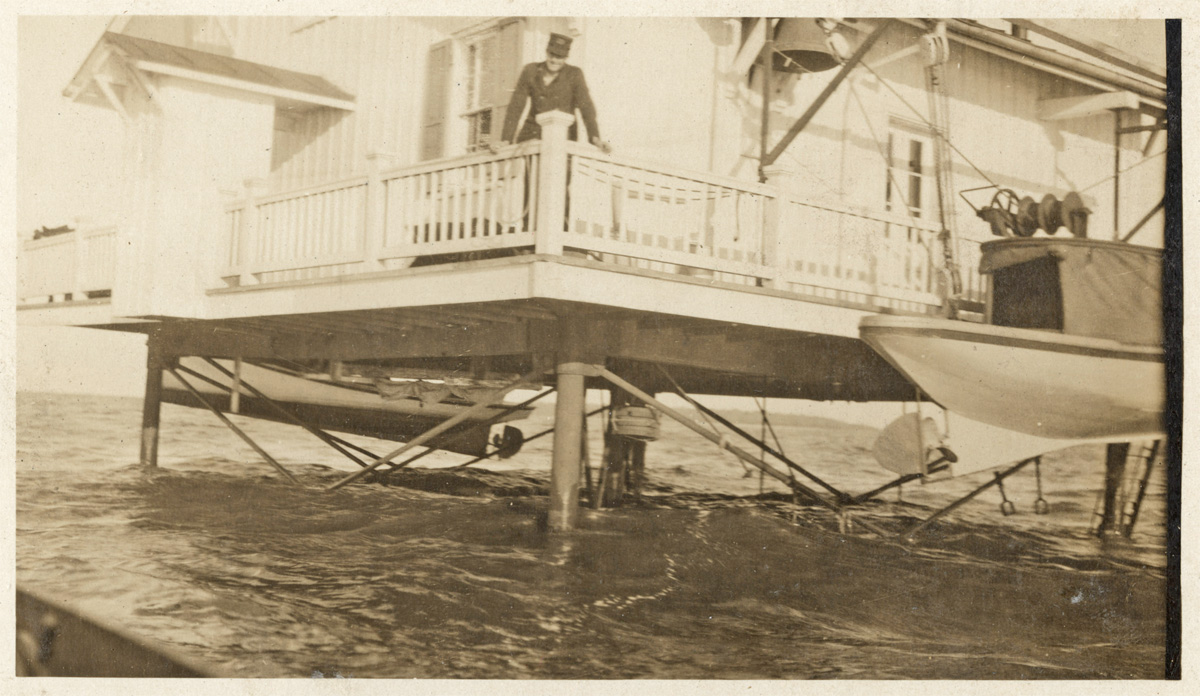
The station’s greatest challenge arrived during the severe winter of 1917–1918. At the end of December 1917, Albemarle Sound froze solid around the lighthouse. The expanding ice exerted tremendous pressure on the screw-pile foundation. During the winter the supporting piles were broken, and the structure was torn from its foundation. A photograph taken on March 26, 1918, carried the caption: “This structure was broken from the supporting piles, moved about 3 feet southwest and dropped on the bottom. It is now about 6 feet lower than before the break.”
Remarkably, the lighthouse did not collapse. Despite severe ice damage to the foundation, the light was reestablished on February 7, 1918, and continued serving navigation after the structure settled onto its broken piles. Later that year, Commissioner of Lighthouses George R. Putnam informed Congress that North River Lighthouse had been “carried bodily off its foundations by the ice and is now resting on its broken piles close to the water.” He emphasized the importance of the route, noting that traffic traveling from Chesapeake Bay through the sounds passed the station.
Even while serving at a damaged station, lighthouse personnel continued to aid mariners. On August 20, 1918, Assistant Keeper Stephen B. Meekins rendered assistance to two grounded motorboats that were in danger of filling with water. Using his own motorboat, he helped unload the vessels and pull them into deep water. Lighthouse officials recommended that he receive a formal letter of commendation for his actions.
The damaged lighthouse was ultimately deemed beyond economical repair. On February 28, 1919, North River Light was discontinued. Assistant Keeper Stephen B. Meekins was released from service that day, while Keeper Joseph F. Mercer was transferred shortly afterward to the recently repaired Wade Point Lighthouse.
The federal government offered the abandoned station for sale in 1920. Sealed bids were solicited by the Superintendent of Lighthouses in Baltimore, and the surviving structure was purchased for use by the Dare County school system. Rather than being dismantled, the lighthouse found an unusual second life. The superstructure was moved across the sounds to Rodanthe on Hatteras Island, where it was converted into a schoolhouse.
For more than three decades the former lighthouse served the educational needs of the isolated villages of Hatteras Island. Originally containing two classrooms, it accommodated students in grades one through ten. Later additions expanded the building, and generations of island children attended classes within walls that had once sheltered lighthouse keepers. The Rodanthe School remained in use until 1951, when students began attending a consolidated school in Buxton.
Following the school's closure, the former lighthouse building once again adapted to a new role, becoming a community center for Rodanthe, Waves, and Salvo. Today the structure survives as the Rodanthe-Waves-Salvo Community Center, one of the few remaining screw-pile lighthouse superstructures in North Carolina. Though no longer standing above the waters of Albemarle Sound, it remains a tangible reminder of the canal era that transformed North River into a major navigation route and of the lighthouse whose construction was delayed by war but whose service guided mariners for more than half a century.
Keepers: