St. Croix River, ME 
Select a photograph to view a photo gallery
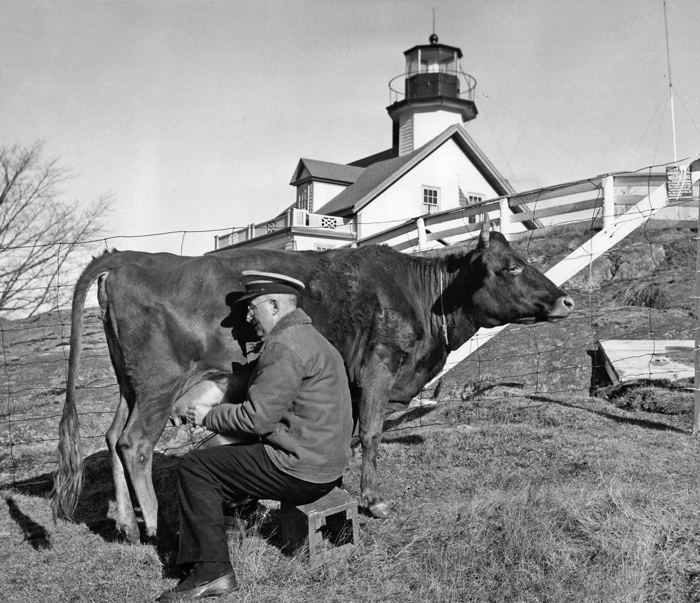
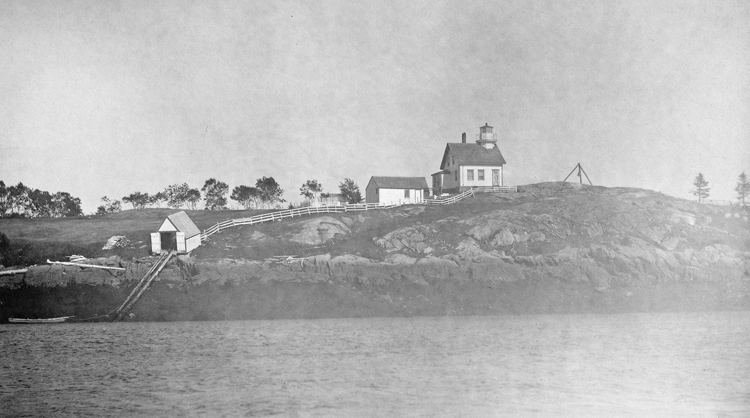
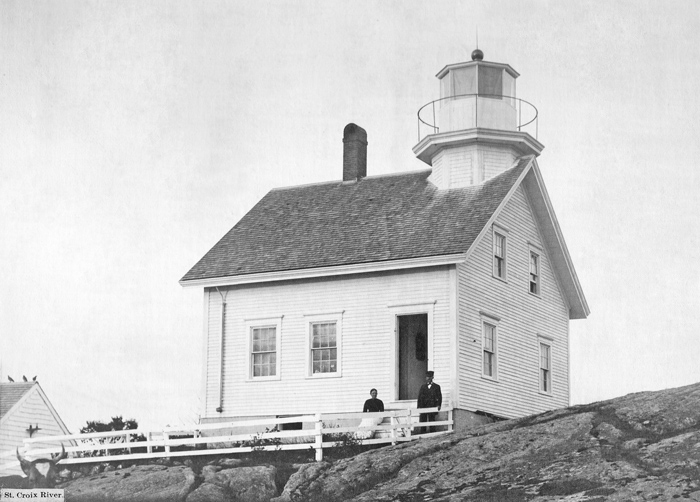
Photo Gallery
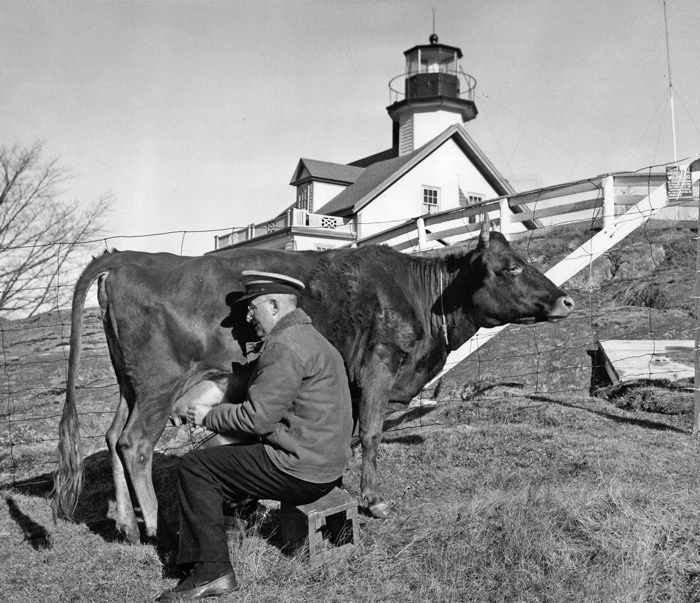
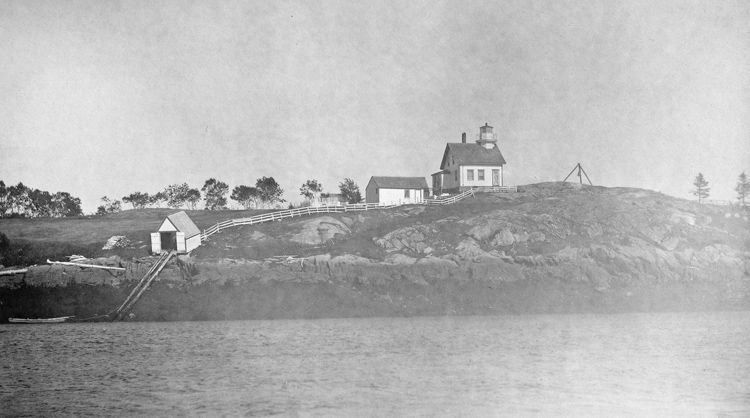
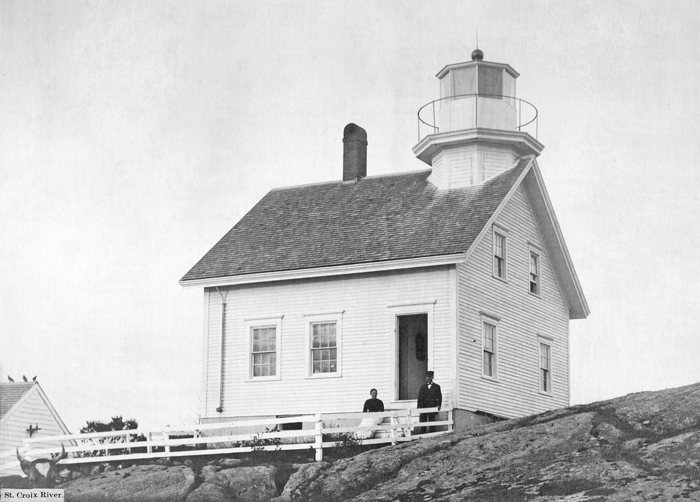
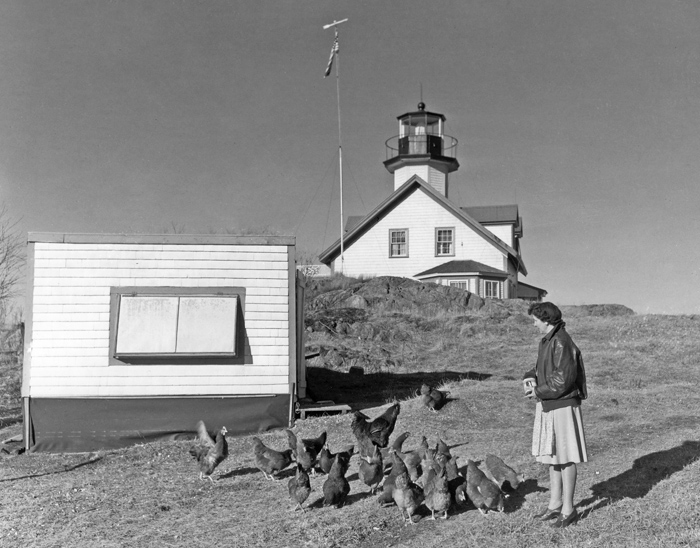
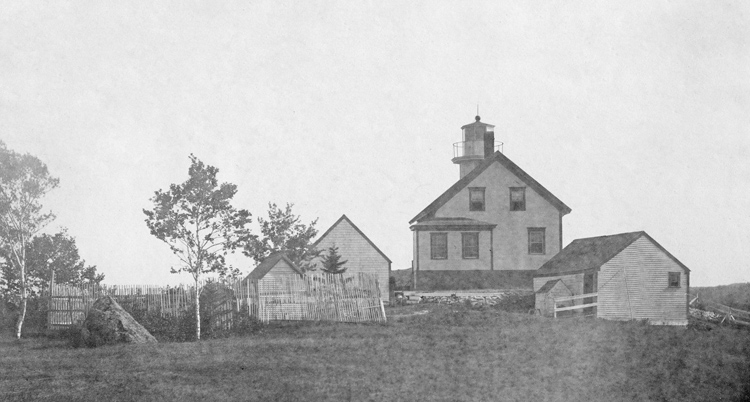
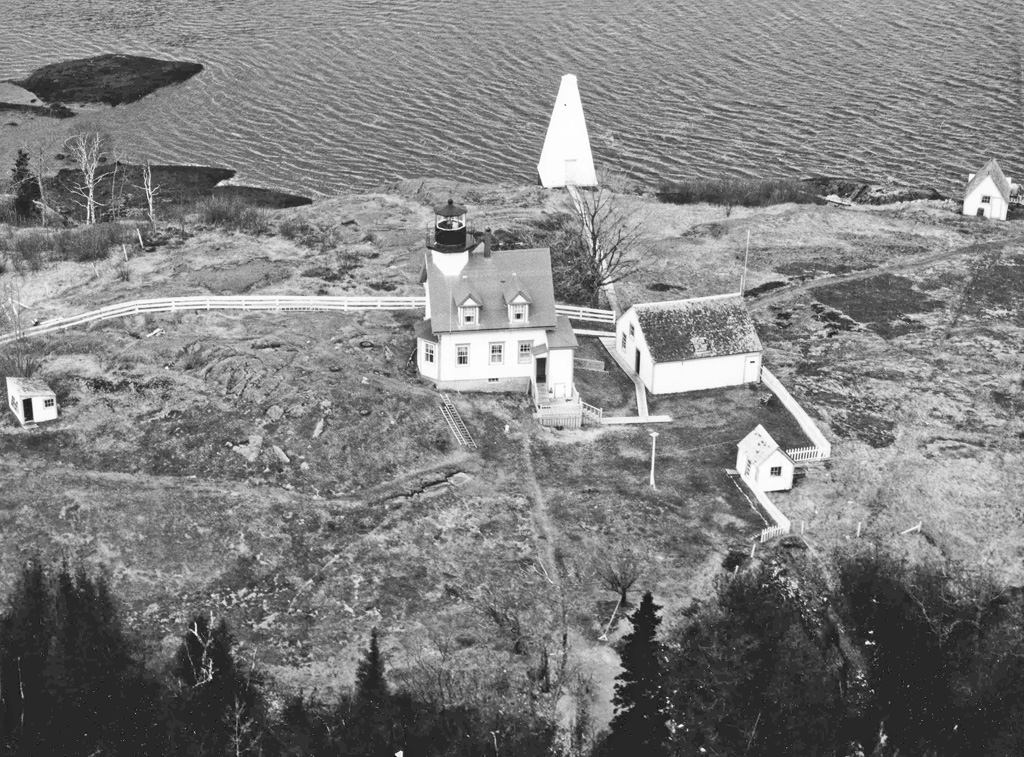
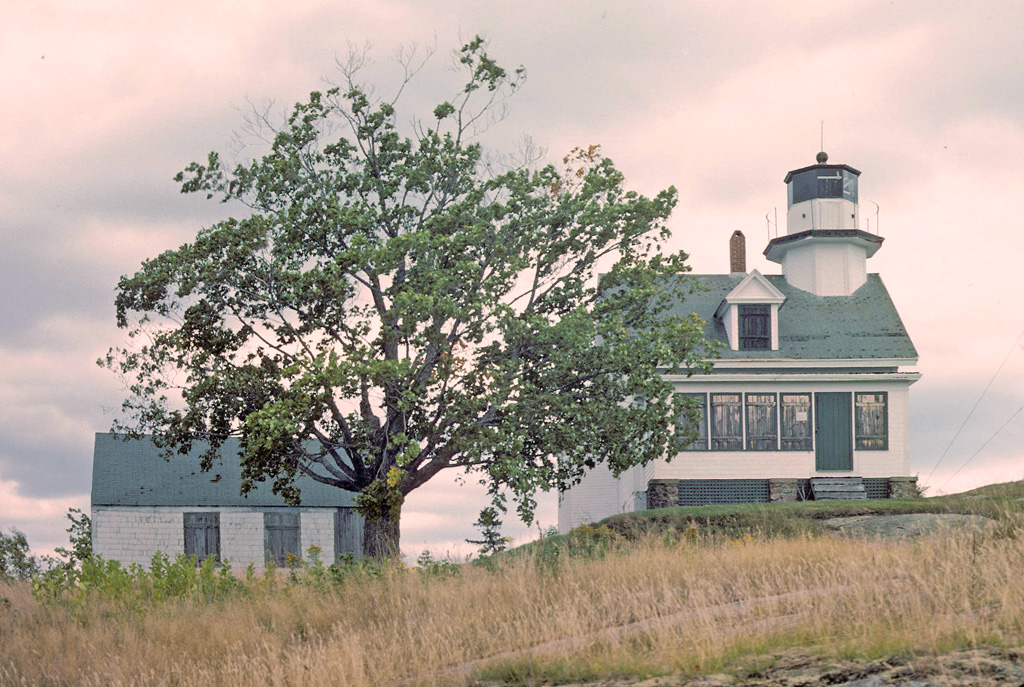
Photo Gallery
Photo Gallery
Rising from the quiet waters of the St. Croix River between Maine and New Brunswick, Saint Croix Island—long known locally as Dochet Island—has borne witness to some of the earliest chapters of European settlement in North America and to more than a century of lighthouse service. Though the lighthouse that once crowned the island is gone, its story remains inseparable from the island’s larger history: a place of ambition, hardship, maritime commerce, and quiet domestic life on a tidal borderland.
|
The island first entered European written history in 1604, when the French expedition led by Pierre Dugua, Sieur de Mons and accompanied by the young cartographer Samuel de Champlain established a settlement there. The previous year, King Henry IV of France had granted Dugua the title of Lieutenant-General of “New France,” along with exclusive trading rights between the 40th and 46th parallels and a ten-year monopoly on the fur trade. In return, Dugua was charged with extending French sovereignty, spreading Christianity, establishing colonies, and seeking valuable resources.
In June 1604, Dugua’s five ships entered Passamaquoddy Bay and selected a small island at the confluence of river and bay. The settlers named it Île Sainte-Croix because the branching waterways resembled the shape of a cross. They erected dwellings, storehouses, fortifications, a blacksmith shop, gardens, and a well, using both prefabricated materials brought from France and timber harvested locally. Trade with the Passamaquoddy people supplied fresh meat and furs in exchange for European goods.
Yet the island’s apparent advantages became liabilities with the onset of winter. When the ships returned to France in autumn, seventy-nine men remained. Ice floes soon choked the river, isolating the island from the mainland and cutting off access to fresh water, firewood, and game. Snow lay deep from October to April. Salt provisions and wine froze solid. By February 1605, scurvy—caused by vitamin C deficiency—ravaged the settlement. Thirty-five men died; many others hovered near death.
Relief came in spring, when local Indigenous people again reached the island and provided fresh food. In June 1605, supply ships returned, and Dugua resolved to abandon the exposed island. By August the settlement moved to Port Royal in present-day Nova Scotia, where conditions proved far more favorable. Though short-lived, the Saint Croix settlement marked the beginning of a continuous French presence in North America. Today the island is preserved as Saint Croix Island International Historic Site, jointly interpreted by the United States and Canada.
|
For more than two centuries after the French departure, the island remained a quiet landmark in a working river. By the mid-nineteenth century, however, the St. Croix River had become a busy commercial artery serving Calais and other lumber ports. Strong tides, spring freshets, narrow channels, and submerged ledges made navigation hazardous.
In September 1853, Theodore Cary, master of the steamer Pequasset, wrote to the customs collector at Eastport urging federal action. He called for a beacon on a ledge four miles below Calais and, more urgently, a lighthouse on “Big Island” at the mouth of the river. More than 1,500 vessels, he noted, had arrived and departed from Calais in the previous year alone. Yet not a single beacon or buoy had been placed on the river by the federal government.
Congress responded in August 1854, appropriating $9,000 for a beacon and a lighthouse. By 1856, a new light had been erected on what was then called Big or Dochet Island. The station was first illuminated on February 2, 1857.
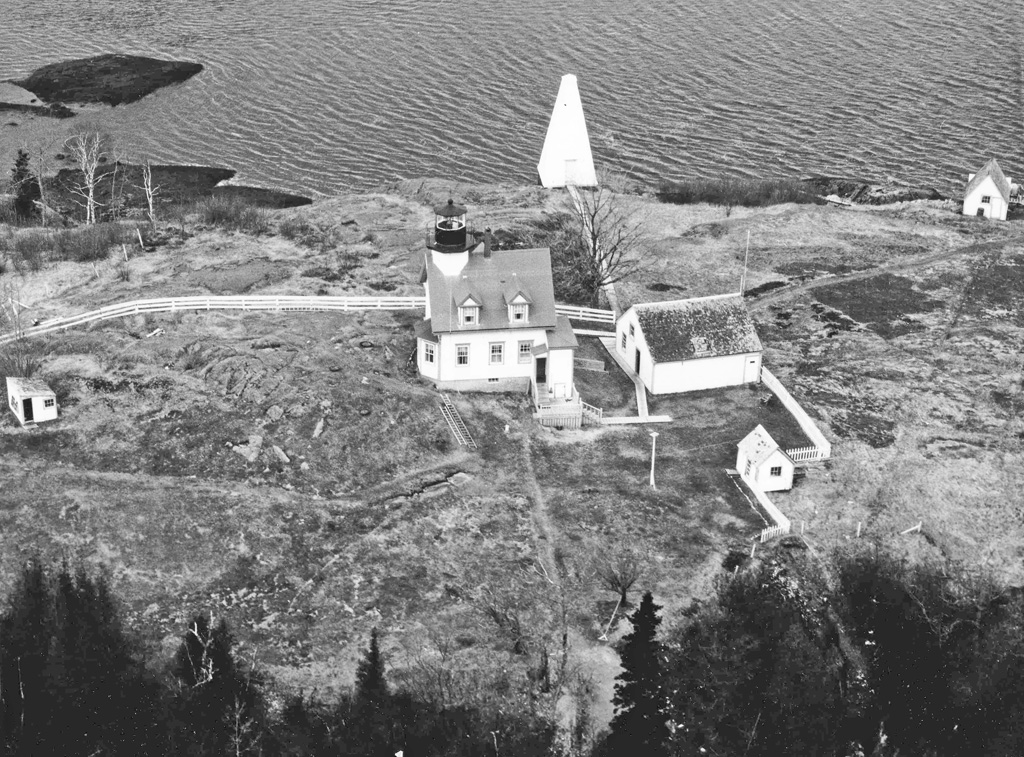
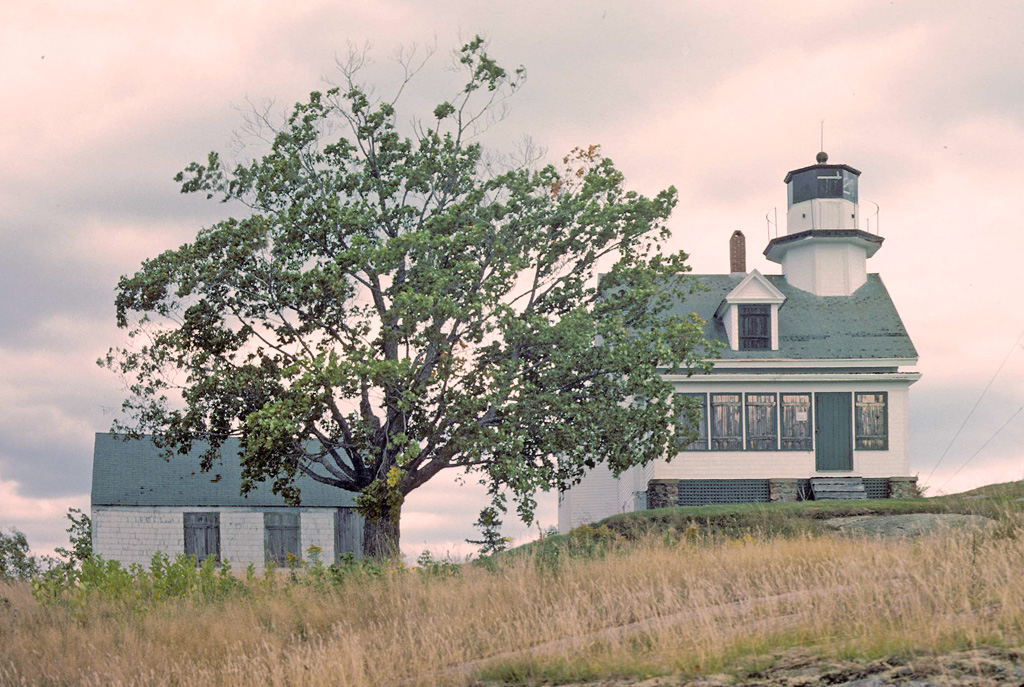
The original St. Croix River Lighthouse consisted of a white-painted wooden dwelling with an octagonal tower rising from its south end. The lantern held a fifth-order Fresnel lens displaying a fixed white light at an elevation of approximately seventy-one feet above high water, visible up to fourteen nautical miles in clear weather. The first keeper, appointed in December 1856, was Elias Barber, whose annual salary was $350.
Despite the clear need expressed by mariners, the light was discontinued in 1859 under congressional authority allowing the Lighthouse Board to extinguish lights deemed unnecessary due to changes in commerce or channels. For a decade the station stood dark.
Local petitioners succeeded in persuading the government to relight the station, and in October 1869 authority was granted to reestablish St. Croix River Light. Jacob F. Young became keeper upon the light’s return to service on December 5, 1869. Instead of the fixed white displayed originally, the reactivated lighthouse exhibited a fixed white light, varied by flashes every thirty seconds.
An 1875 inspection report offers a vivid snapshot of the station. The lantern had eight sides; the tower rose from the attic floor of the 1½-story dwelling. The island reservation comprised only a few acres, part sandy loam and part bare rock, with a small garden at the north end. The south end was washing away under tidal action. The report noted leaking cisterns, the need for a pump, and the absence of a proper boathouse.
Through the late nineteenth century, improvements gradually accumulated: reshingled roofs, rebuilt porches and chimneys, repaired lantern decks, new cisterns and fuel-house floors, a frame boathouse and boat slip in 1885, lightning conductors in 1888, and a brick oil house in 1907. In 1908, a mechanically struck fog bell was established, sounding a single blow every fifteen minutes during thick weather.
|
The roster of keepers reflects both continuity and change. Keeper Frank B. Ingalls earned a remarkable series of efficiency pennants from 1913 through 1922, reflecting meticulous care. A 1928 account of daily duties by Keeper Charles Kenney details the rhythm of service: extinguishing the light at sunrise after climbing stairs and ladder, refilling the lamp, cleaning the lens and brasswork, mowing lawns, painting, making repairs, rowing ashore for mail and supplies, shoveling winter snow, and lighting the lamp again at sunset. In fog, the keeper wound the bell machinery at regular intervals. The work was unending and exacting.
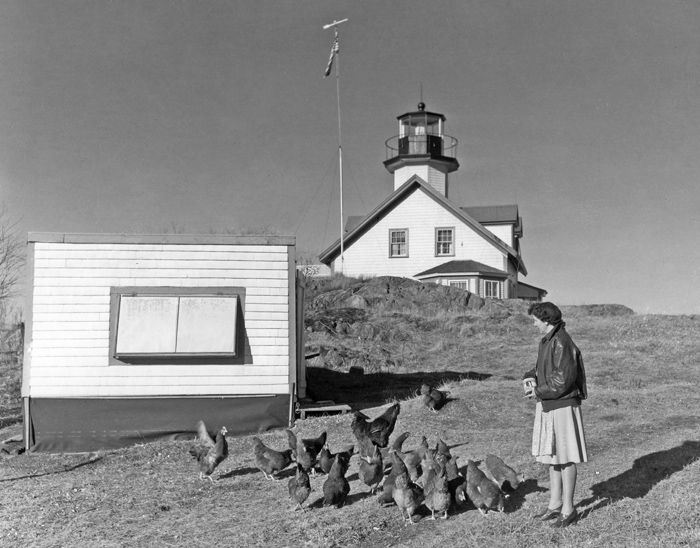
During the tenure of Keeper Elson Small and his wife Connie, from 1930 to 1946, the island was described as a “little paradise” in summer, though winters could plunge to 27 degrees below zero for weeks. Visitors came frequently in warm months; winters were devoted to reading, quilting, and maintenance. The island’s beauty and relative comfort made it one of the more desirable assignments in the district.
In 1904, the three-hundredth anniversary of De Mons’s landing was celebrated on both sides of the border, with ceremonies near the lighthouse and the placement of a commemorative tablet. Thus, the light station stood as both navigational aid and guardian of a historic site.
After nearly a century of manned service, change came swiftly. The fog bell was permanently discontinued on November 1, 1951. In 1957, the Coast Guard automated the light, erecting a forty-foot steel tower equipped with an electric flashing beacon of 3,600 candlepower oriented downriver. Keeper Earle A. Thompson, the last resident keeper, was reassigned.
In 1958, the former light station property—1.21 acres including its buildings—was transferred from the Coast Guard to the National Park Service for inclusion in the Saint Croix Island National Monument.
Tragedy struck in October 1976, when a fire set by juveniles camping on the island spread in high winds, destroying the station’s bell tower, workshop, and lighthouse. Although some structures survived initially, the historic dwelling and much of the station were lost. Only the 1885 boathouse remains as a tangible reminder of the lighthouse era.
Today, the island is uninhabited and protected. Visitors are encouraged to explore interpretive exhibits and trails on the mainland, while the fragile island itself is largely off-limits. The lighthouse that once rose above the keeper’s dwelling—its fifth-order lens gleaming over tidal waters—exists only in photographs and memory.
Yet the story of St. Croix River Lighthouse endures. It links the fragile French colony of 1604 with the bustling lumber fleets of the nineteenth century and the quiet domestic routines of twentieth-century keepers. On this small island at an international boundary, exploration, commerce, and vigilance converged—first in the struggle to survive a northern winter, and later in the steady tending of a light to guide others safely home.
Elias Barber (1856 – 1859), Jacob F. Young (1869 – 1876), Harrison Keen (1876 – 1880), Joseph Huckins (1880 – 1903), Martha A. Huckins (1903), Walden B. Hodgkins (1903 – 1905), Frank N. Jellison (1905 – 1912), Frank B. Ingalls (1912 – 1923), Charles A. Kenney (1923 – 1930), Elson L. Small (1930 – 1946), George S. Morrison (1946 – 1949), Everett W. Quinn (1949 – 1954), Wilbur Bardwell (1954 – 1955), William Lockard (1955 – 1956), Earle A. Thompson (1956 – 1957).