Northwest Passage, FL 
Select a photograph to view a photo gallery
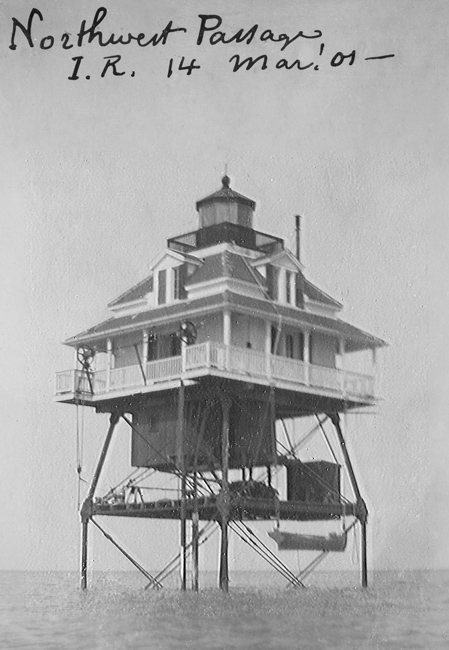
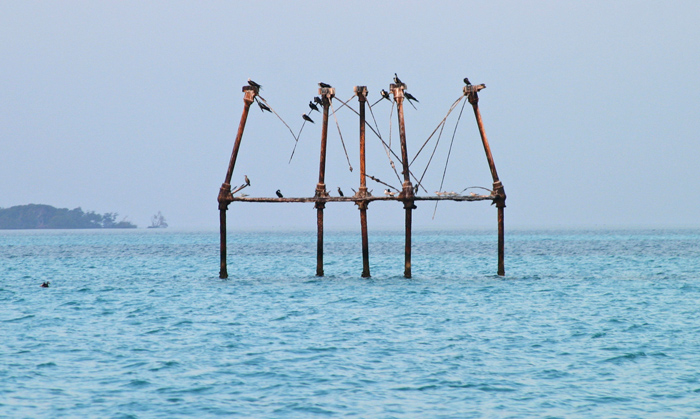
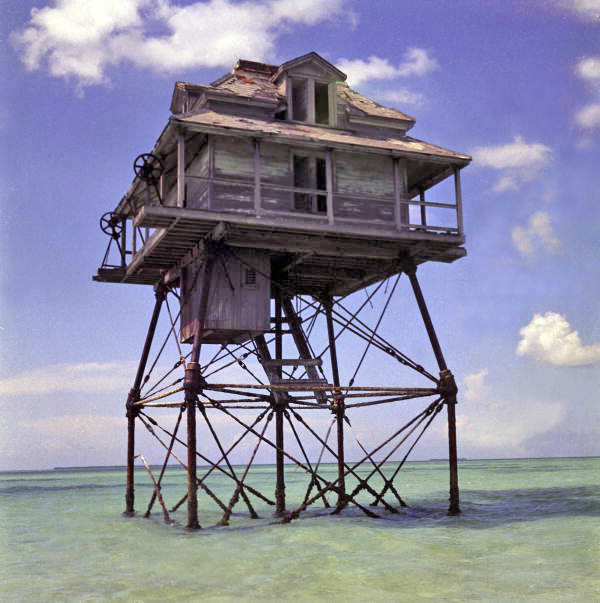
Photo Gallery
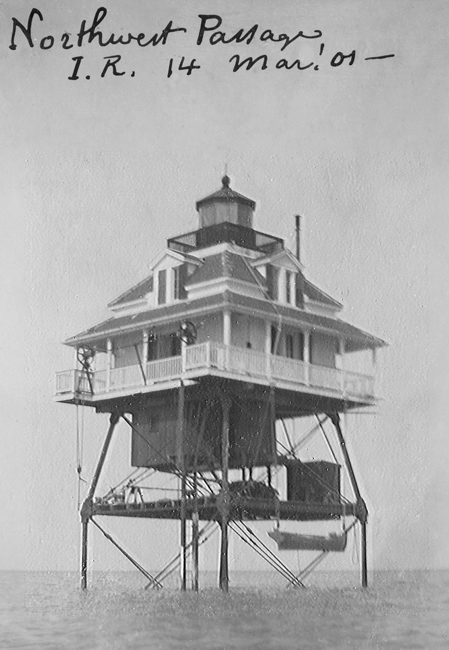
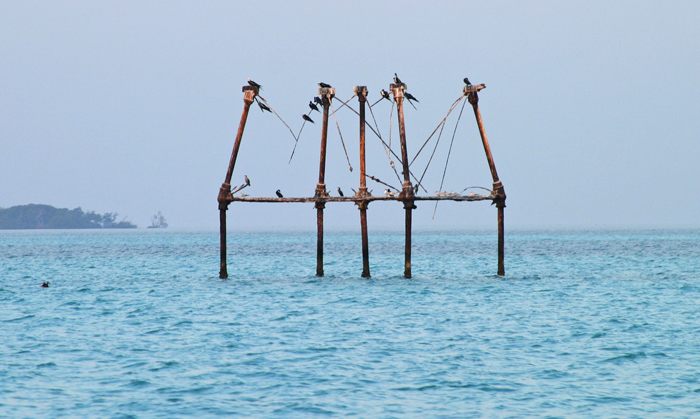
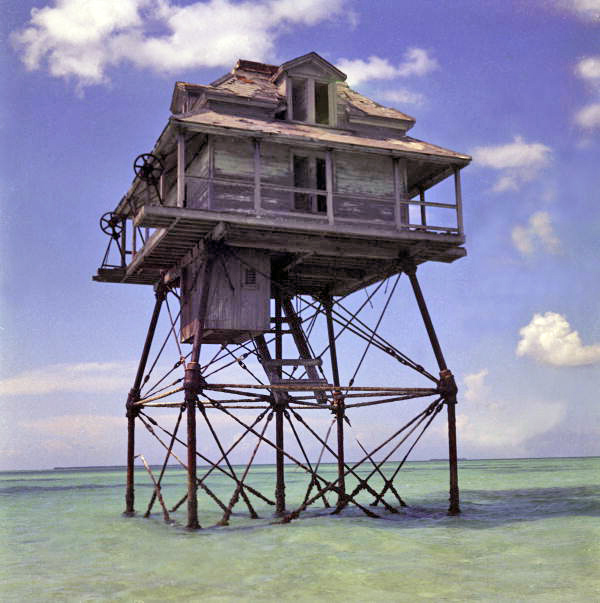
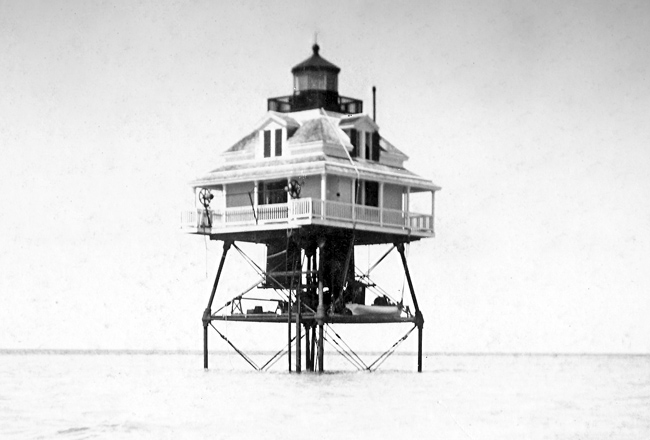
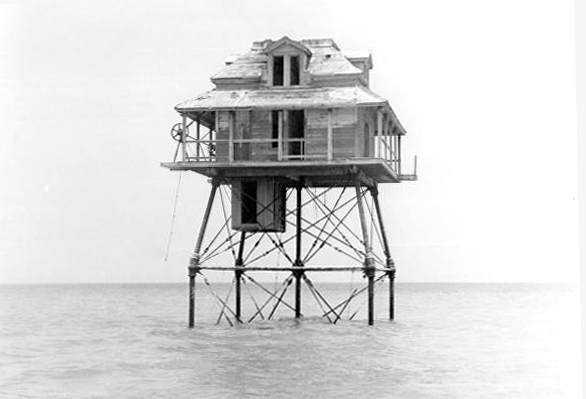
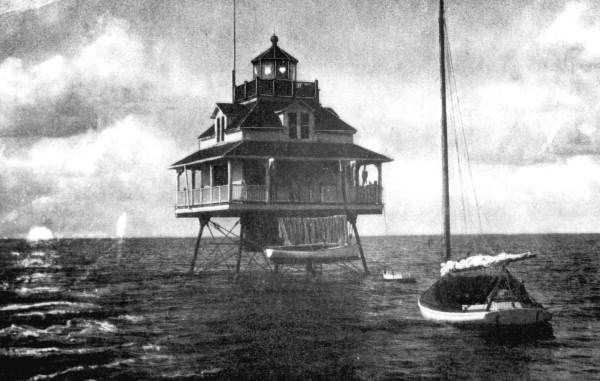
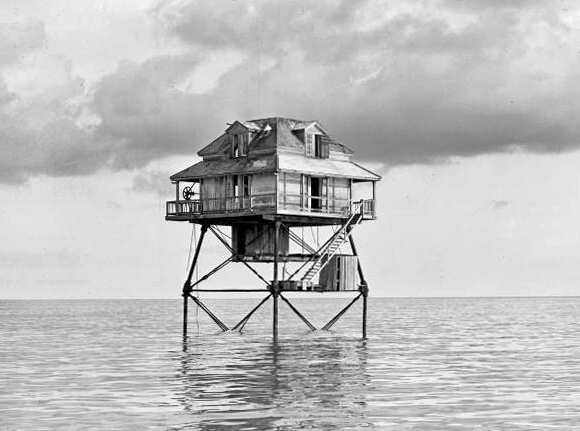
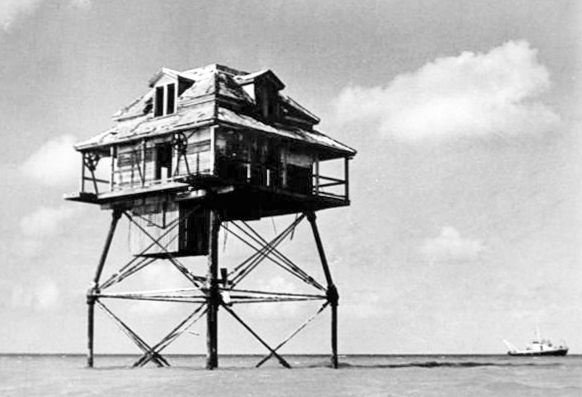
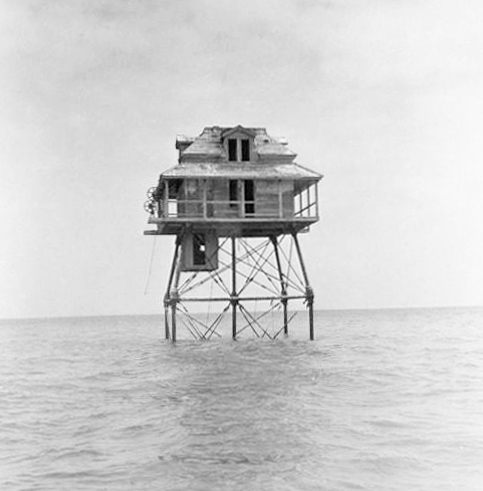
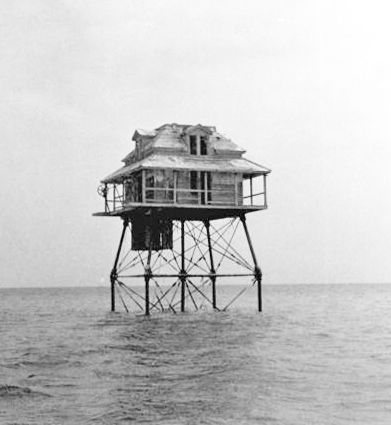
Photo Gallery
Photo Gallery
Few navigational aids in the Florida Keys were as strategically important—or as little remembered—as Northwest Passage Lighthouse. Situated on the shallow flats north and west of Key West, the light marked a narrow but invaluable channel that allowed vessels to pass directly between the Florida Straits and the Gulf of Mexico. For mariners drawing moderate draft, the Northwest Passage shortened voyages by more than one hundred miles, eliminated the hazards of the Dry Tortugas shoals, and provided a safer alternative to some of the most treacherous waters in the Gulf. Despite its advantages, locating the entrance to the channel—especially at night or in hazy weather—was exceedingly difficult. Rocky reefs, shifting shoals, and the absence of distinctive landmarks made the approach hazardous even for experienced mariners.
On March 3, 1837, Congress appropriated $10,000 for placing a lightboat at the Northwest Passage. Lieutenant Napoleon L. Coste, after examining the channel, emphasized the value of the passage for both peace and war. He noted that vessels using the route avoided the dangerous shoals and quicksands of the Tortugas, which had destroyed many ships and caused extensive losses of life and property.
|
The lightship—often referred to as the Key West Lightboat—was stationed about seven miles northwest of Key West to mark the offshore end of the channel. It was a relatively small vessel of approximately 145 tons, manned by a captain and three seamen. Its single fixed white light could be seen up to twelve miles under favorable conditions.
Life aboard the lightship was demanding and often dangerous. Crews endured isolation, monotonous routines, and frequent storms. Hurricanes and strong gales were constant threats, and the vessel was moored in an especially precarious position surrounded by shallow water. The lightship survived numerous severe storms, including hurricanes in 1844 and 1846. During the 1846 hurricane, the vessel broke from its moorings and drifted more than sixty miles to sea before being safely recovered and returned to station.
Despite faithful service, mariners frequently complained about the lightship’s weak illumination. Inspectors described the light as “useful but feeble,” and reports criticized its limited range and poor effectiveness. Repairs were frequent and costly, and by the early 1850s the Lighthouse Board concluded that maintaining the lightship was inefficient compared to constructing a permanent lighthouse.
The establishment of the United States Lighthouse Board in 1852 marked a turning point. Engineers evaluated the advantages of a fixed structure over a lightship and determined that a lighthouse would provide greater durability, efficiency, and long-term economy.
On March 3, 1853, Congress appropriated $12,000 for an iron-pile lighthouse to replace the lightship at Northwest Passage. Lieutenant George G. Meade prepared plans and estimates for the structure, along with several other important lighthouse projects in Florida waters. While plans were being finalized, the lightship was temporarily repaired and returned to service to ensure continued navigation safety.
Surveys were conducted in 1853 to select an appropriate site, and detailed plans were approved by the Lighthouse Board early in 1854. A Philadelphia firm fabricated the iron piles and wooden superstructure and shipped the materials to Key West in May of that year.
Construction was delayed by a severe outbreak of yellow fever, one of the most serious health crises in Key West’s history. Fear of the disease caused unacclimated northern mechanics to abandon the project, and the lighthouse materials were stored on the grounds of Fort Taylor until conditions improved. Work resumed in the fall but was frequently interrupted by rough seas and strong winds.
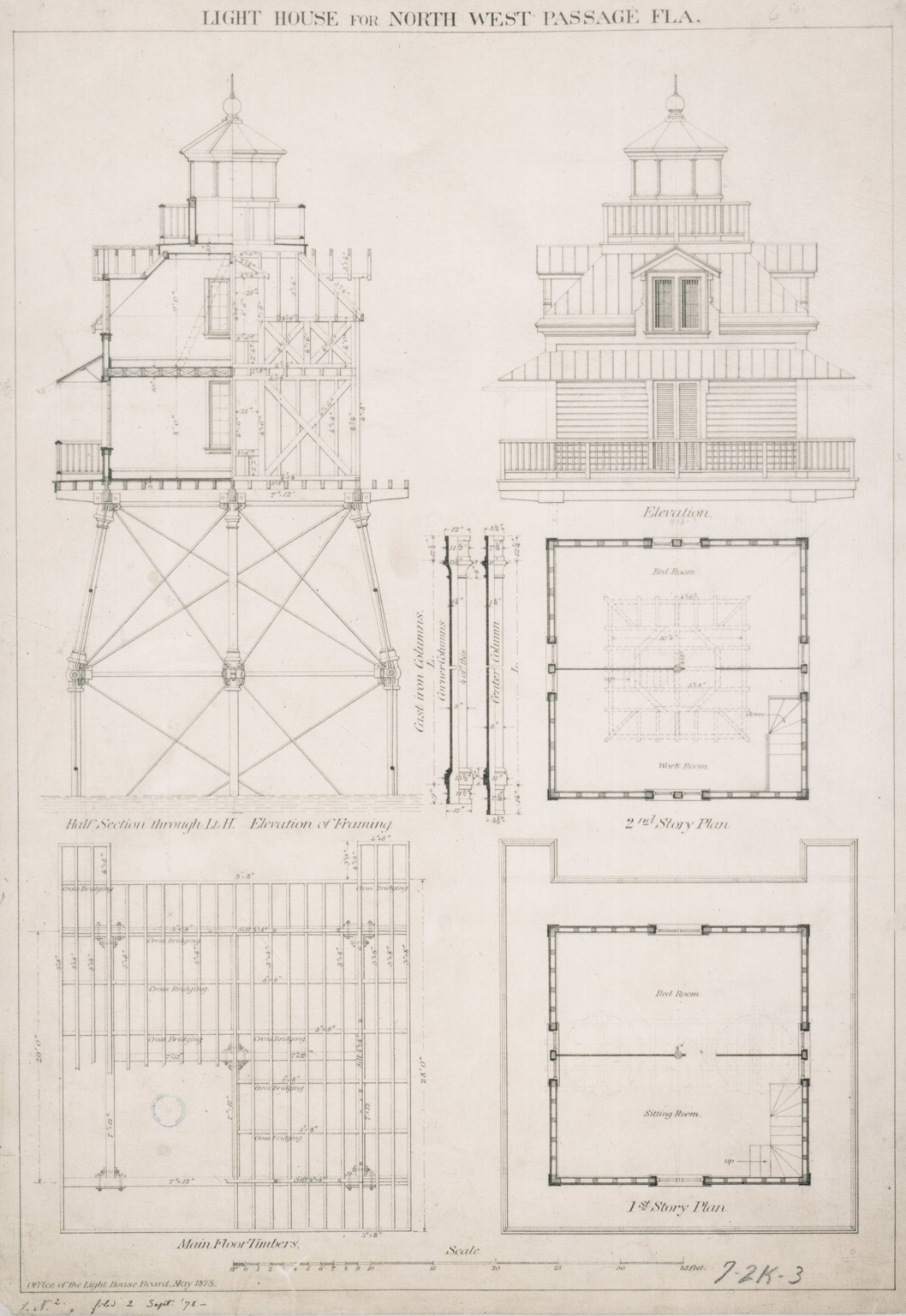
The foundation consisted of five wrought-iron piles driven into the coral seabed through cast-iron disks four feet in diameter. Twelve-inch yellow pine spars formed a secondary framework above the iron piles, supporting the keeper’s dwelling. The frame house was topped with a galvanized iron, fireproof roof and an iron lantern room.
Despite unremitting effort, construction required nearly six months to complete. On March 5, 1855, the lighthouse was first illuminated with a fifth-order Fresnel lens. The fixed white light was visible over more than 275 degrees of the horizon and could be seen at least ten miles beyond the bar. J.L. Thompson was hired as the first keeper at an annual salary of $550, while his assistant was paid $300.
Northwest Passage Lighthouse stood on the western edge of the channel in approximately six feet of water. Its focal plane was forty feet above sea level, and it was carefully integrated into a system of buoys and nearby lights at Sand Key and Key West.
For its first decade, the lighthouse required little more than routine maintenance. However, the harsh marine environment soon began to take its toll. Inspectors reported leaking roofs, rotting wood, and corrosion of iron components. By the late 1860s, the station required increasingly frequent repairs.
By the 1870s, it was clear that the original structure was no longer suitable. In 1877, Superintendent Frank A. Wicker recommended replacing the lighthouse entirely. Congress declined to fund a completely new lighthouse but approved $6,000 in 1879 for a new superstructure.
The Lighthouse Board rebuilt everything above the original iron-pile foundation. The old house was removed, and a new two-story square dwelling was erected. Broad porches surrounded the first floor, providing working space and protection for the station boats during storms.
The rebuilt lighthouse featured a fourth-order Fresnel lens, replacing the earlier fifth-order apparatus. The increased height and stronger illumination greatly improved the light’s effectiveness. The new structure was first illuminated on June 30, 1879.
Further improvements followed, including the installation of kerosene lamps in 1882 and the addition of range lights and red sectors. The first red sector was added on June 1, 1886, and a second one on April 30, 1893. Red sectors typically warned mariners of dangers, but at Northwest Passage, mariners were told to keep “full in the red cut to clear all dangers.”
Severe hurricanes continued to challenge the structure, particularly the storm of 1909, which damaged the foundation braces. Repairs were completed just in time to avoid endangering the structure during a subsequent hurricane season.
In 1913, the Bureau of Lighthouses approved automation of the station using acetylene gas equipment with a sun valve and a group-flashing characteristic. The change in illuminant was made on August 22 and John Peterson, the last head keeper, left the station in September. On September 20, Peterson was returning to the lighthouse aboard the tender Magnolia when he found the lower platform was on fire. The station dinghy, along with its oars, sail, and mast, was a total loss. It was believed that fishermen spending the night on the platform during the absence of the keeper caused the fire. Though the damage was limited, the incident foreshadowed what would happen to the station once its keepers were permanently withdrawn.
By the early 1920s, the Northwest Passage was well marked with buoys, ranges, and beacons, making the lighthouse redundant. On June 30, 1921, Northwest Passage Lighthouse was officially discontinued, though the structure was retained as a daymark.
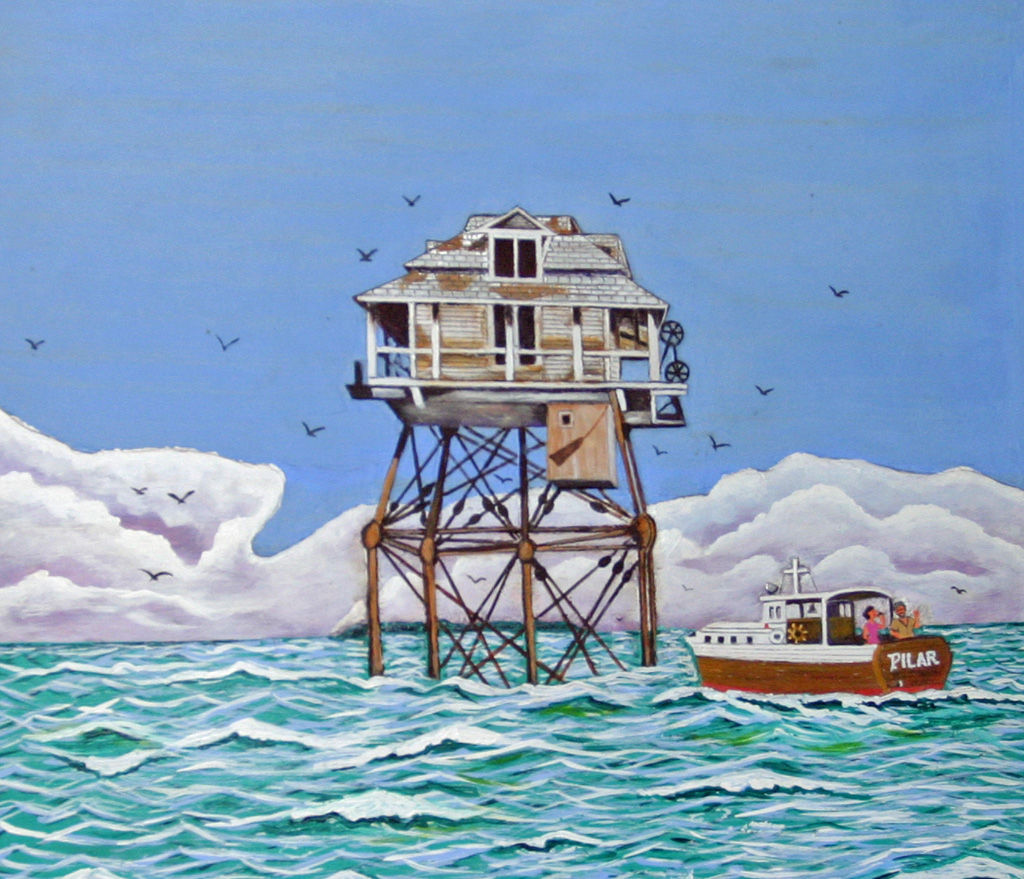
For decades afterward, the abandoned lighthouse stood isolated above the shallow turquoise waters. Locals called it the “Pilot House,” and legends arose, including stories linking it to Ernest Hemingway. Boaters visited the structure, and vandalism slowly took its toll.
On August 30, 1971, fire destroyed Northwest Passage Lighthouse. Today, only the skeletal remains of the iron screwpile foundation remain, still serving unofficially as a daymark. Modern nautical charts have identified the site simply as “Platform (in ruins).”