Fort Barrancas, FL 
Select a photograph to view a photo gallery
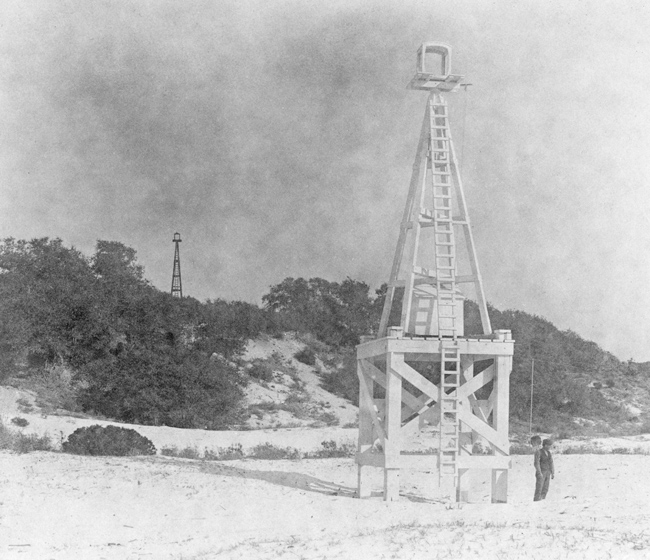
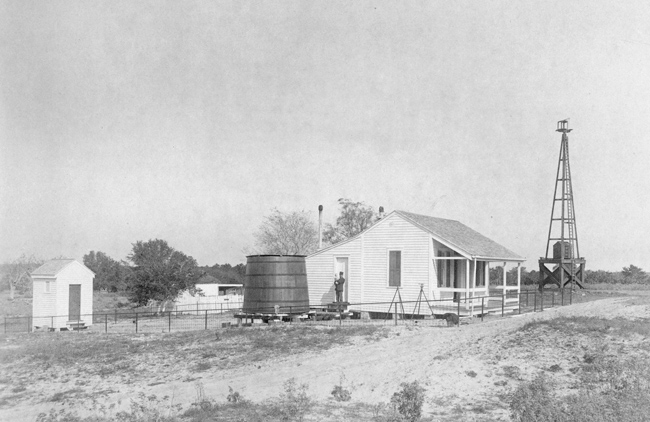
Photo Gallery
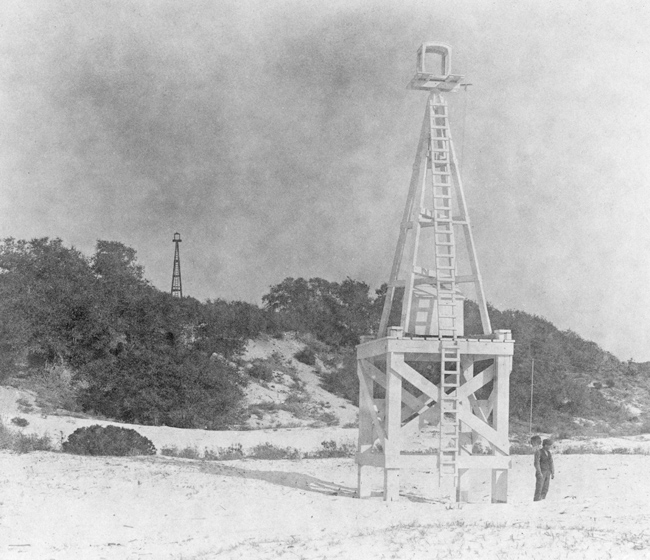
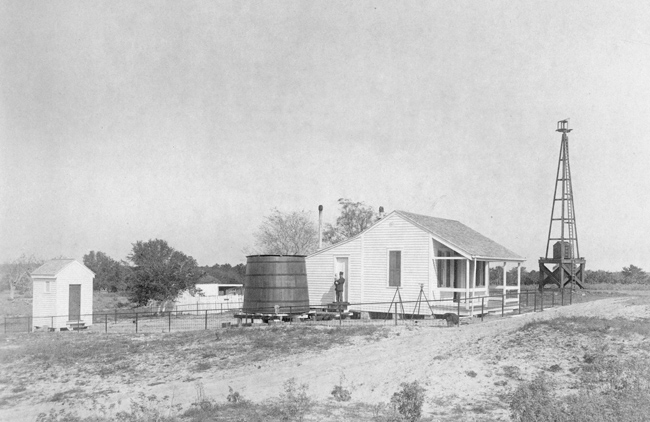
Photo Gallery
Photo Gallery
The entrance to Pensacola Harbor has long been recognized as one of the most strategically important and navigationally challenging gateways along the northern Gulf of Mexico. Guarded by shifting bars, strong tidal currents, and narrow channels, the harbor required reliable aids to navigation from an early date to support both commercial shipping and military operations. Among the most important of these aids were the Fort Barrancas Range Lights, which for decades helped mariners safely cross the bar and enter Pensacola Bay.
|
Federal recognition of the need for improved navigational aids at Pensacola came in the mid-nineteenth century. By an act of Congress approved August 3, 1854, a new Pensacola Lighthouse was authorized and funded with $25,000. On August 18, 1856, an appropriation of $30,000 was made for the establishment of proper range lights for crossing the bar at the entrance to Pensacola Harbor, as well as for completing Pensacola Lighthouse.
In 1857, reports indicated that the first-class lighthouse at Pensacola was under construction and expected to be completed during the working season. Upon its completion, the beacons authorized as range lights were to be erected to provide mariners with clear visual alignments for safely crossing the bar and making night anchorages. By January 1859, this system had come to fruition: the new Pensacola Lighthouse was completed and lighted, along with a new set of range lights. Francis Spencer was hired as the first keeper of the range at an annual salary of $450.
The outbreak of the Civil War disrupted navigation throughout the Gulf Coast, and the Pensacola area was no exception. Lighthouse and range light structures were extinguished or destroyed during the conflict to prevent their use by opposing forces. Following the war, restoring navigational aids became a priority for reviving commerce and ensuring safe passage into the harbor.
By 1866, steps were underway to re-establish the range beacons marking the entrance into Pensacola. The work of rebuilding the Barrancas and Caycas (or Fort McRae) range beacons began on November 3, 1866, and was completed remarkably quickly, by November 19. The rapid progress was largely due to the prefabrication of wooden structures before transport to the sites. Despite challenges in landing materials by boat at the Caycas range, five structures—serving the Bar, Barrancas, and Caycas ranges—were erected, whitewashed, painted, and fitted with illuminating apparatus consisting of steamer’s lenses.
With a workforce of just four laborers and two carpenters, the beacons were made ready for lighting in only sixteen days. The Caycas range was lighted on December 22, 1866, and the Barrancas range followed on February 4, 1867. The delay in lighting was attributed to misunderstandings that caused keepers to report late for duty. Despite the efficiency of the reconstruction, these postwar range lights proved short-lived. Under departmental authority, both the Barrancas and Caycas ranges were discontinued on January 1, 1868, having been deemed no longer necessary for the commerce of Pensacola. Their apparatus and fixtures were removed and preserved for future use.
Renewed commercial activity and evolving channel requirements eventually revived the need for range lights near Fort Barrancas. On March 3, 1887, Congress appropriated $17,250 for lights and other navigational aids serving channels leading to Pensacola. This legislation included provisions for range lights near Fort McRae and the re-establishment of Fort Barrancas range beacon lights near Devil’s Point on Escambia Bay, as well as additional aids throughout the surrounding waters.
In February 1888, the new Fort Barrancas Range Lights were placed in service. The front range beacon was built on the beach near Fort Barrancas, about 150 feet back from the low-water line. Painted white, it stood approximately thirty-six feet above mean low tide and exhibited a fixed white light. The rear range beacon was located on a bluff about twenty-five feet high and roughly 400 feet behind the front beacon. Painted red, its lantern stood about seventy-five feet above mean low tide and displayed a fixed red light. Together, these lights provided mariners with a precise alignment for safe passage into Pensacola Bay. Both lights were first shown on February 15, 1888.
|
At the turn of the twentieth century, Fort Barrancas Range Lights underwent significant technical updates. In 1901, both beacons were modified with new five-day lens lanterns and hoisting gear, and the colors of the lights were reversed to improve visibility and distinction: the front light became red, while the rear light became white. The front beacon was rebuilt on a new foundation slightly west of its original position, and the illuminating power of both beacons was increased through the installation of a lens lantern.
Additional site improvements continued through 1902, including new galleries, fencing, and chimneys, as well as improvements to the well. On September 27, 1906, a hurricane destroyed the front and rear beacons, necessitating the construction of new structures on the same foundations.
The vulnerability of the range lights to Gulf Coast storms was underscored again in the devastating hurricanes of October 18, 1916, and September 28, 1917. These storms damaged lighthouse property at numerous stations across Florida and Louisiana, including the Fort Barrancas Range Lights. Despite the severity of the conditions, no lives were lost among Lighthouse Service personnel. Keeper William J. Doyle was later commended for maintaining the lights and safeguarding government property under hazardous conditions during the 1917 hurricane.
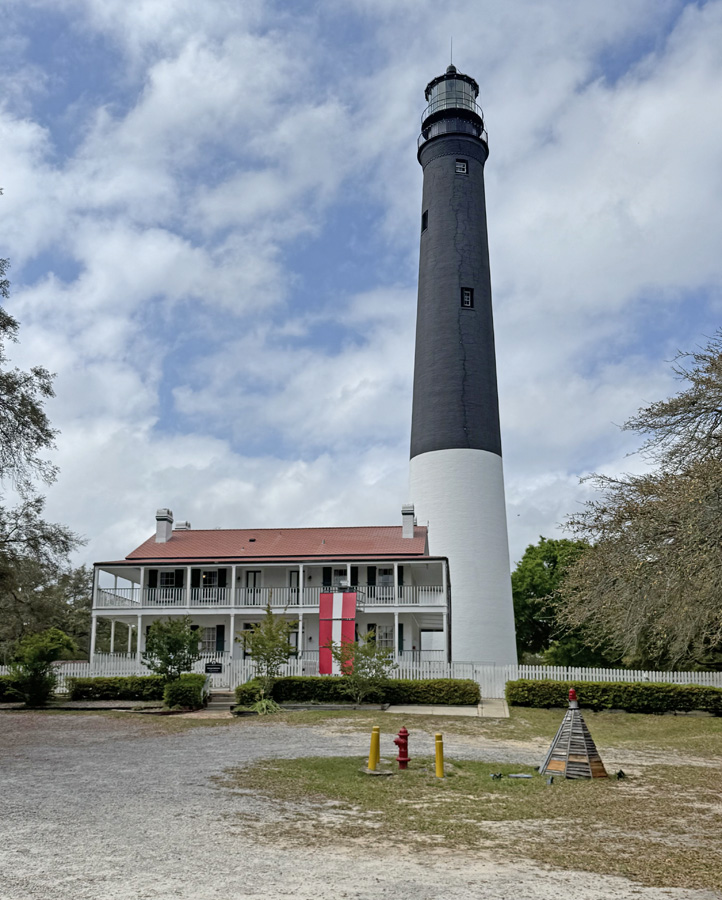
By the late 1920s, consolidation within the Lighthouse Service led to another change at Fort Barrancas Range Lights. After having served as keeper of the range lights since 1888, William J. Doyle was placed in charge of nearby Pensacola Lighthouse in 1929, and the Fort Barrancas Range Lights were placed under the care of the keepers of Pensacola Lighthouse. This transition marked the end of an era in which Fort Barrancas maintained its own dedicated lighthouse staff.
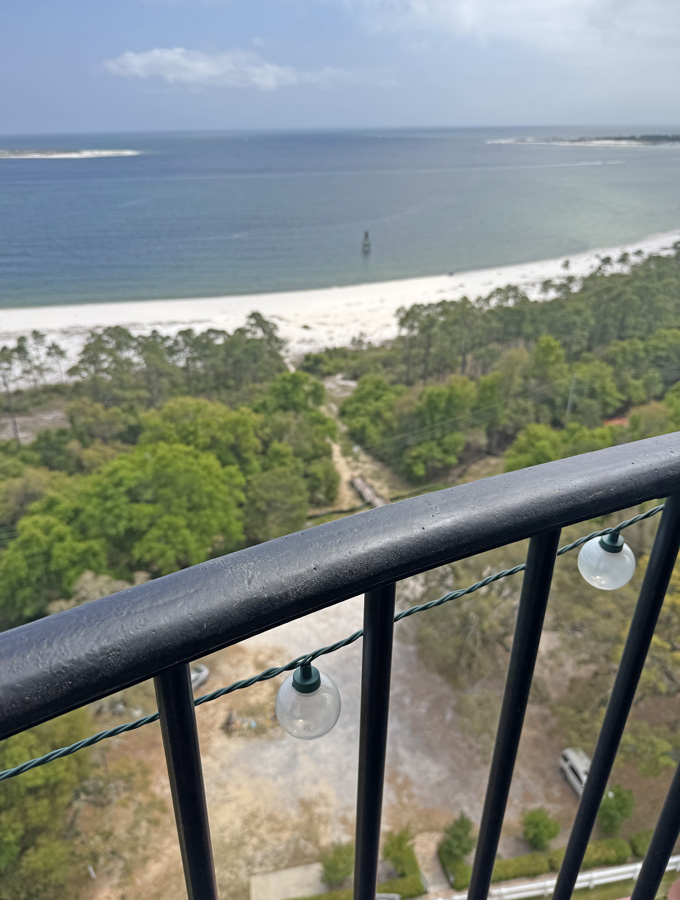
In 2026, Fort Barrancas Range Lights were being exhibited from structures near Pensacola Lighthouse. The rear range light was displayed from a tower near the keeper’s dwelling, while the front light was exhibited from a structure just offshore.