Pass Christian, MS 
Select a photograph to view a photo gallery
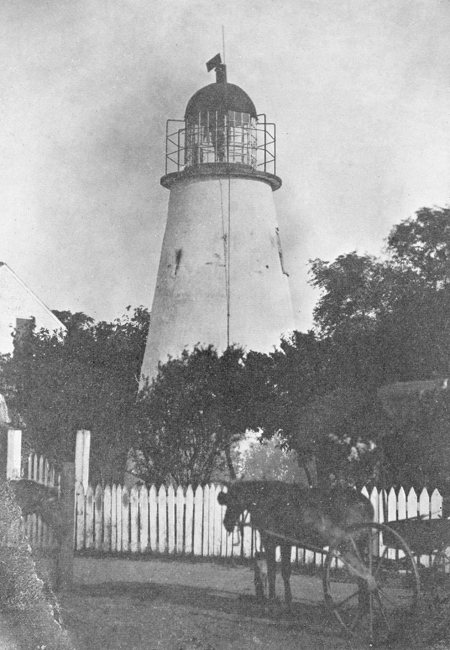
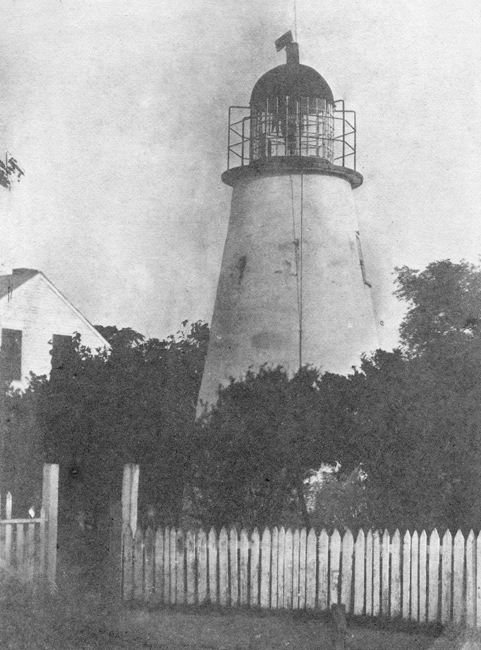
Photo Gallery
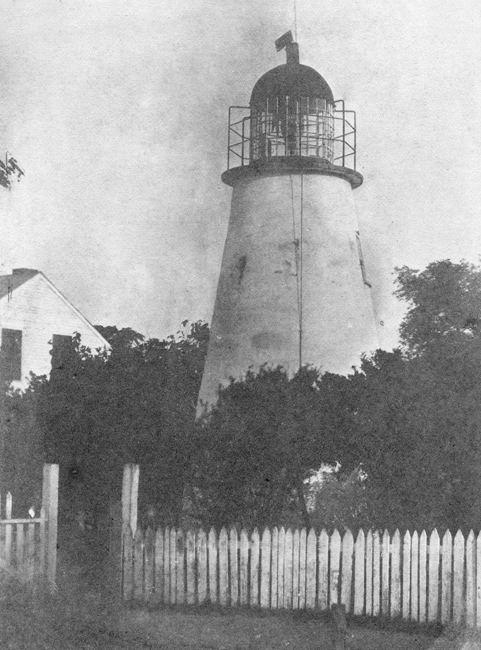
Photo Gallery
Photo Gallery
The strategic importance of the Mississippi Gulf Coast was recognized early in American history. In January 1811, General Andrew Jackson raised the United States flag over Pass Christian as he marched eastward through Spanish West Florida, demonstrating American resolve and reinforcing the nation’s claim to the region. As coastal trade expanded in the following decades, the need for navigational aids along the Mississippi Sound became increasingly apparent.
|
Not everyone agreed that a lighthouse was warranted. An Army engineer advised against the expenditure, noting that the pass carried only five feet of water at common tides and was impassable to vessels at low water. Packet boat and mail steamer captains, however, strongly disagreed. By this time, the cotton trade between Mississippi and Alabama was booming, and passenger steamers increasingly carried vacationers to the Mississippi Gulf Coast. These mariners pressed for a navigational guide through the tricky passage near Pass Christian, arguing that even a small light would be of practical value.
Construction was completed in 1831. The lighthouse consisted of a brick tower standing 28 feet 2 inches tall. The interior diameter measured 12 feet at the base and narrowed to 7 feet 7 inches at the top. The masonry walls were substantial, three feet thick at the base and tapering to one foot eight inches at the top. The lantern displayed ten lamps, positioned approximately 30 feet above the ground and 42 feet above sea level, making the structure one of the smallest classes of lighthouse towers built by the federal government at the time.
A keeper’s dwelling was erected adjacent to the tower. Roger A. Hiern, whose family name would later be memorialized in a main street in Pass Christian, was appointed the first keeper and also supervised construction. Hiern accepted the position of keeper on July 1, 1831, though the lighthouse did not immediately go into operation. The U.S. surveyor at Port Pontchartrain complained that the government had failed to supply oil for the lamps, delaying the exhibition of the light for nearly six months.
During this interim, navigation was aided in a more improvised manner. The captain of the mail steamer running between New Orleans and Mobile paid Hiern fifty cents per night to keep a pinewood fire burning on the beach, providing a temporary guiding light until the lighthouse could be properly illuminated.
Her tenure was not without controversy. At least one rival applicant for the position complained that Claudine Hiern and her companion were “two old maids” who contributed nothing to the community and claimed the lighthouse was in a dilapidated condition. Despite such criticisms, Miss Hiern continued as keeper until the light was extinguished around July 7, 1861, at the onset of the Civil War.
By the 1850s, Pass Christian experienced a building boom that increased both maritime traffic and local development. While the growing town drew more passenger steamers, it also created new problems for the lighthouse. Buildings along the main street began to encroach upon the light’s visibility. A store adjacent to the lighthouse added architectural features that overtopped the lantern and obscured large portions of the seaward horizon.
In 1854, the lighthouse and keeper’s dwelling underwent extensive repairs. The exterior stucco of the tower was repaired and whitewashed, all glass was reputtied, and the wood and ironwork—including the dome—were painted. The lantern door’s iron casing was repaired, a new concrete step was installed at the tower entrance, and window frames were cemented. The dwelling received equally thorough attention, including roof repairs, new joists and flooring, rebuilt galleries and railings, and improvements to fireplaces and interior rooms.
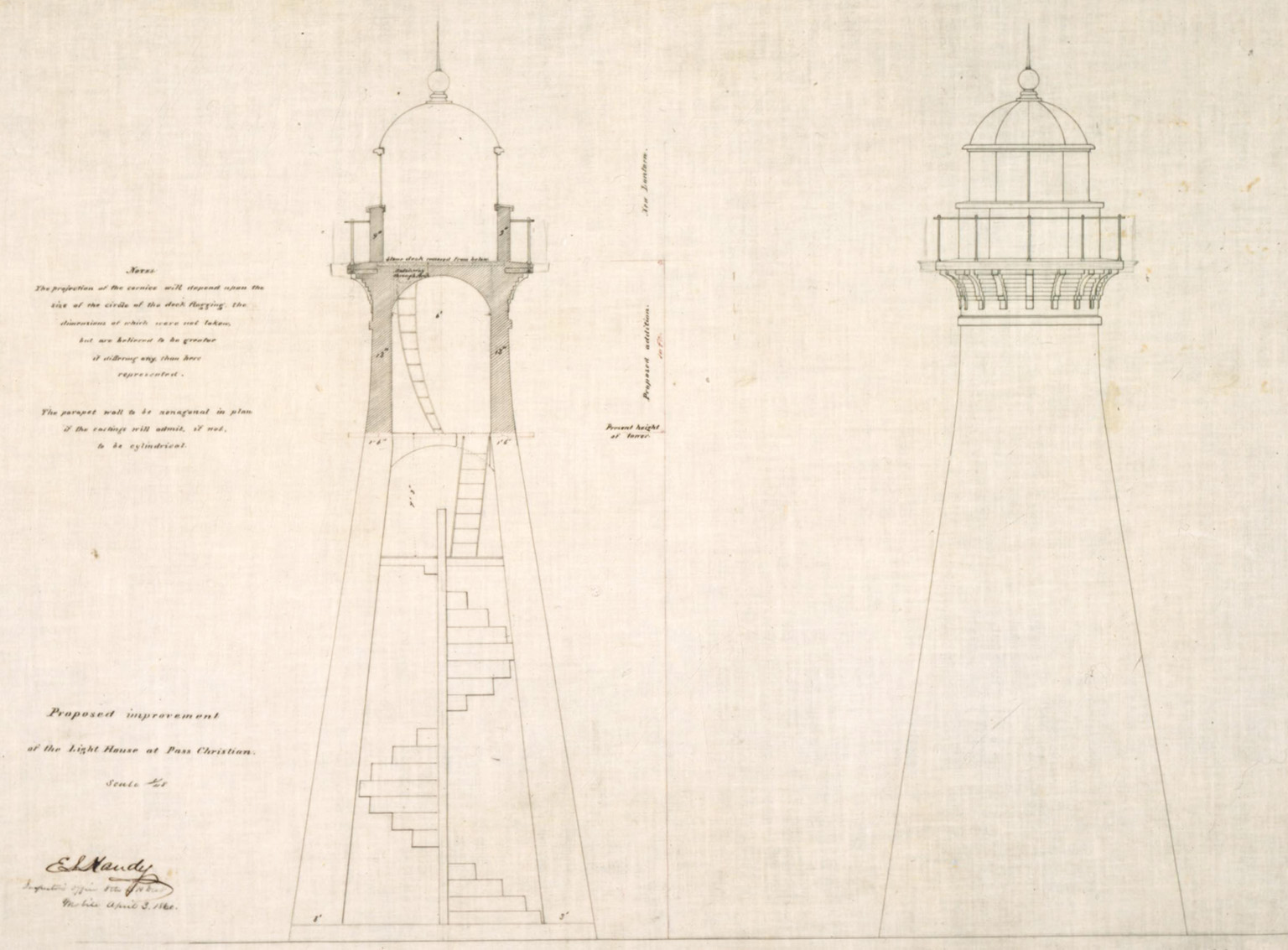
Despite these efforts, concerns persisted. In April 1860, Lieutenant Edward L. Handy, Inspector of the Eighth Lighthouse District, reported that a neighboring store owner planned to add another story to a building already taller than the lighthouse. Handy warned that any increase in the height of the lighthouse would be futile and suggested selling the valuable property and relocating the station closer to the beach. Though economically sound, this proposal was not acted upon before the outbreak of war.
In January 1866, citizens of Pass Christian submitted a petition, signed by thirty-two residents, urging restoration of the light. They argued that steamers from New Orleans and Mobile avoided the port due to the absence of the lighthouse, harming schools, institutions, and commerce along the coast.
The Lighthouse Board responded. Repairs totaling $3,198.52 were authorized, and the station was thoroughly overhauled. A parapet was added to the tower to support the new lantern room, and the height of the tower was increased two feet. On August 15, 1866, the light was re-exhibited. The brick tower, whitewashed with a black-painted lantern, displayed a fixed fifth-order dioptric light.
The station remained in good condition through the late 1860s and 1870s. In 1878, the keeper’s dwelling was found untenantable and replaced with a new frame house, along with a wooden cistern. Yet the fundamental problem remained: trees and houses increasingly obstructed the light. Repeated requests to raise the tower by ten feet went unanswered, and property owners refused to allow the trimming of trees.
By 1882, the Lighthouse Board concluded that Pass Christian Lighthouse was “of so little benefit to navigation or commerce” that discontinuance was preferable to further expense. The light was extinguished on October 1, 1882.
Though Congress considered legislation to force the light’s re-establishment, the measure failed. Buoys and beacons replaced the lighthouse as navigational aids, and the property was sold at public auction held at the lighthouse on April 18, 1883, to Lawrence C. Fallon for $1,225.
Pass Christian Lighthouse was the first lighthouse on the Mississippi mainland. Though modest and ultimately overtaken by the growth it helped encourage, it served generations of mariners and residents alike. Today, the site is occupied by Pass Christian City Hall, a reminder that the lighthouse’s greatest legacy may lie not in its beam, but in the community that grew up around it.
Keepers: Roger A. Hiern (1831 – 1839), Finley B. Hiern (1839 – 1844), Claudine A. Hiern (1844 – at least 1859), C.F. Johnson (1865 – 1871), Lawrence Hyland (1871 – 1873), Maria J. Reynolds (1873 – 1874), Sally A. Dear (1874 – 1877), Alice S. Butterworth (1877 – 1882).
References