Cat Island, MS 
Select a photograph to view a photo gallery
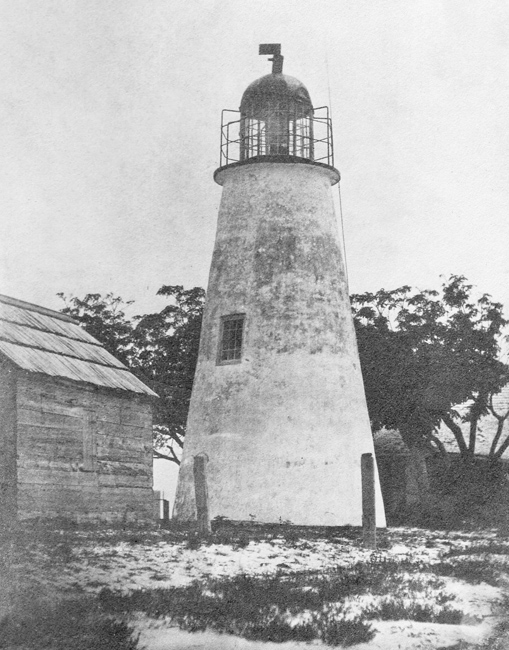
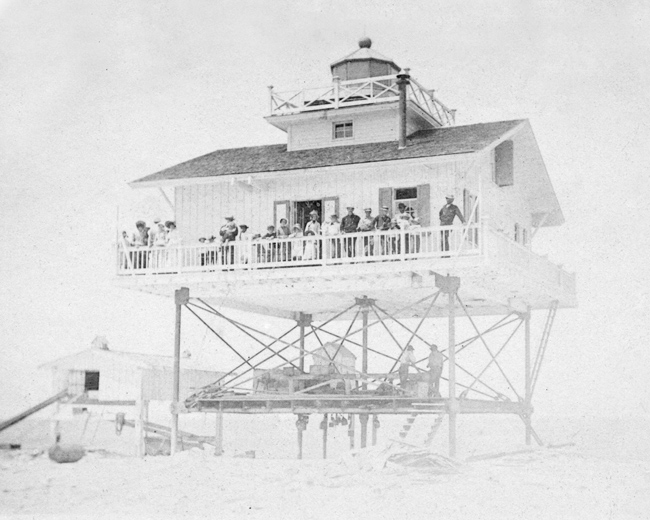
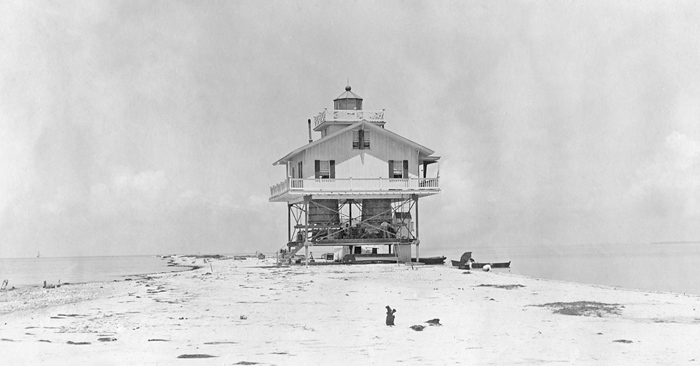
Photo Gallery
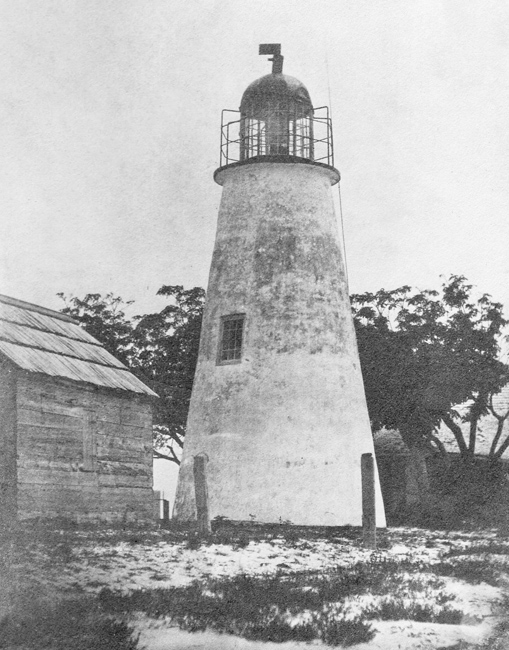
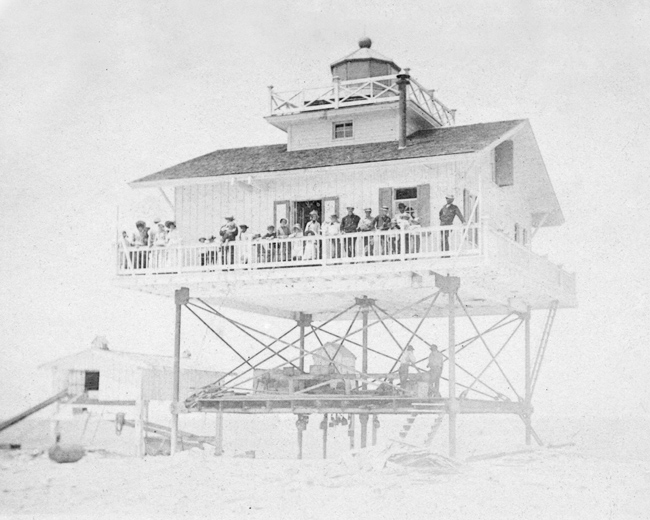
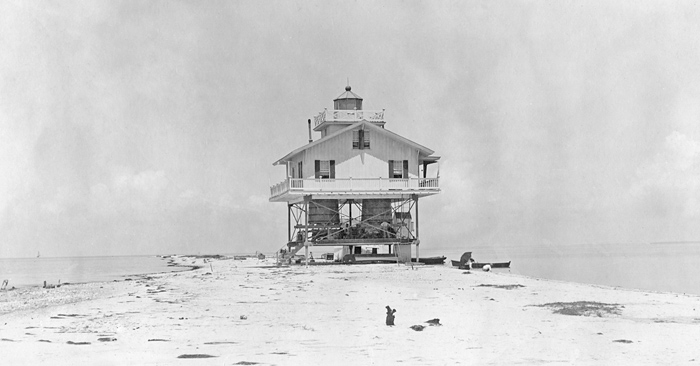
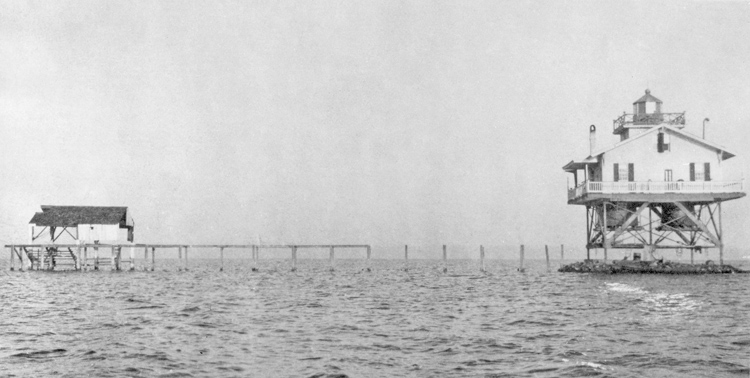
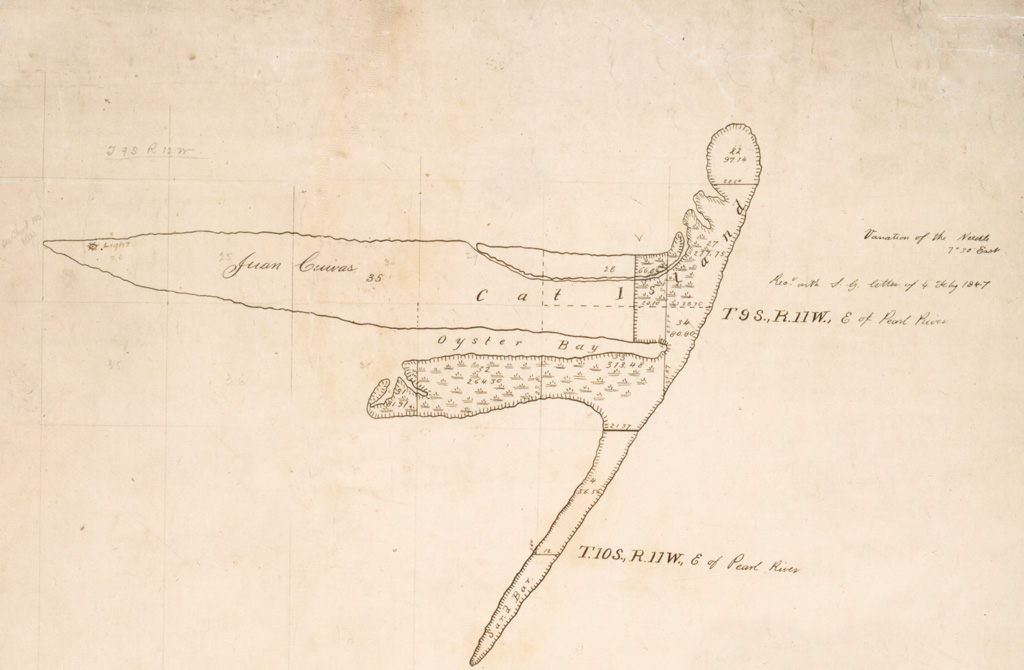
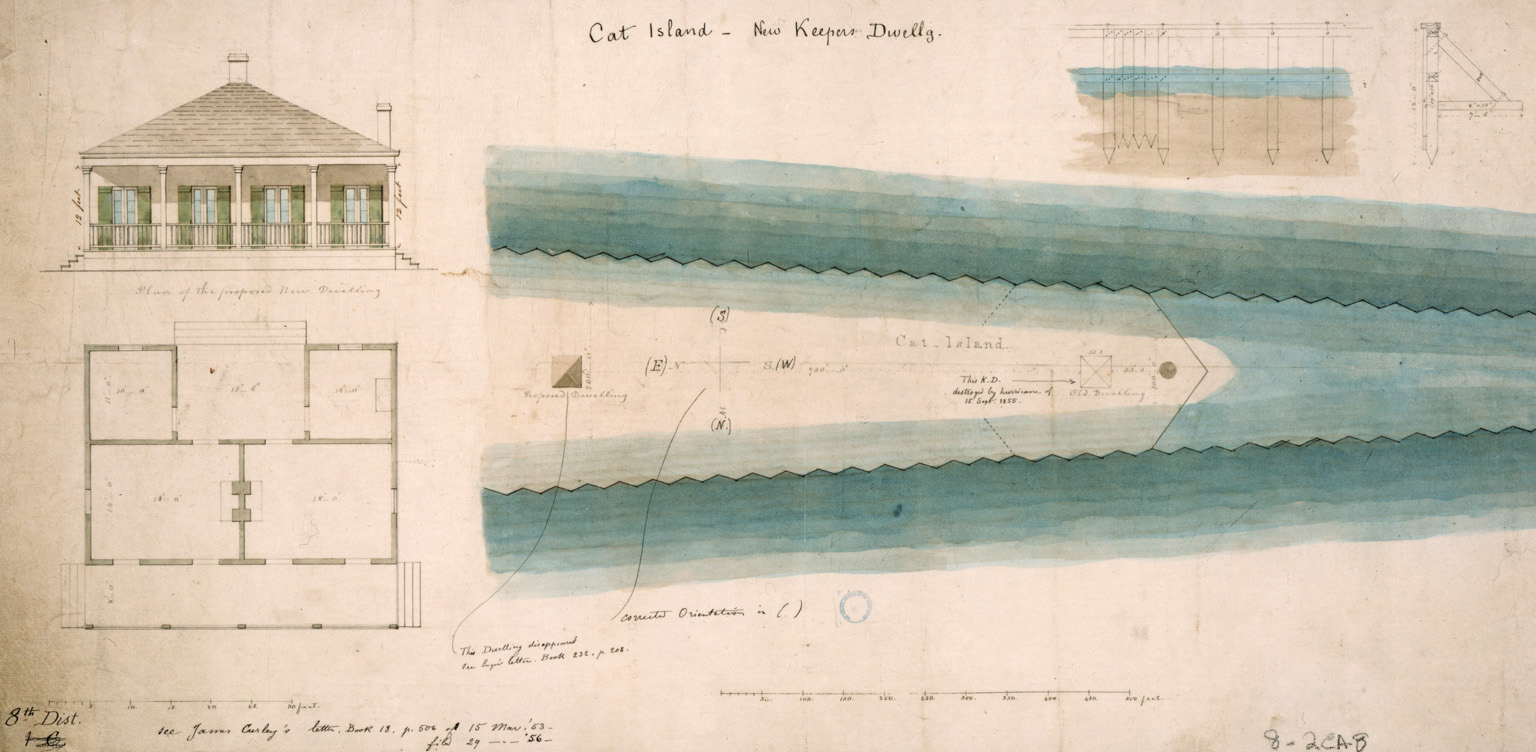
Photo Gallery
Photo Gallery
|
Congress first authorized a lighthouse at Cat Island on March 2, 1827, appropriating $5,000 and directing the Secretary of the Treasury to provide by contract for its construction. That initial appropriation was carried to the surplus fund, reflecting uncertainty about priorities along the Gulf Coast during a period when navigational aids were still unevenly distributed between Atlantic and southern waters. Renewed authorization followed on March 18, 1830, again for $5,000, and this time construction proceeded. By 1831, a brick lighthouse tower and a keeper’s dwelling had been completed on the island’s western sand spit under the supervision of contractor Winslow Lewis, who also erected a companion light at Pass Christian. The Cat Island light was formally accepted on June 10, 1831, though it was not immediately illuminated due to delays in obtaining lamp oil. When placed in service later that year, the light consisted of a modest array of lamps and reflectors—adequate for a harbor light, but limited in range for so important a location.
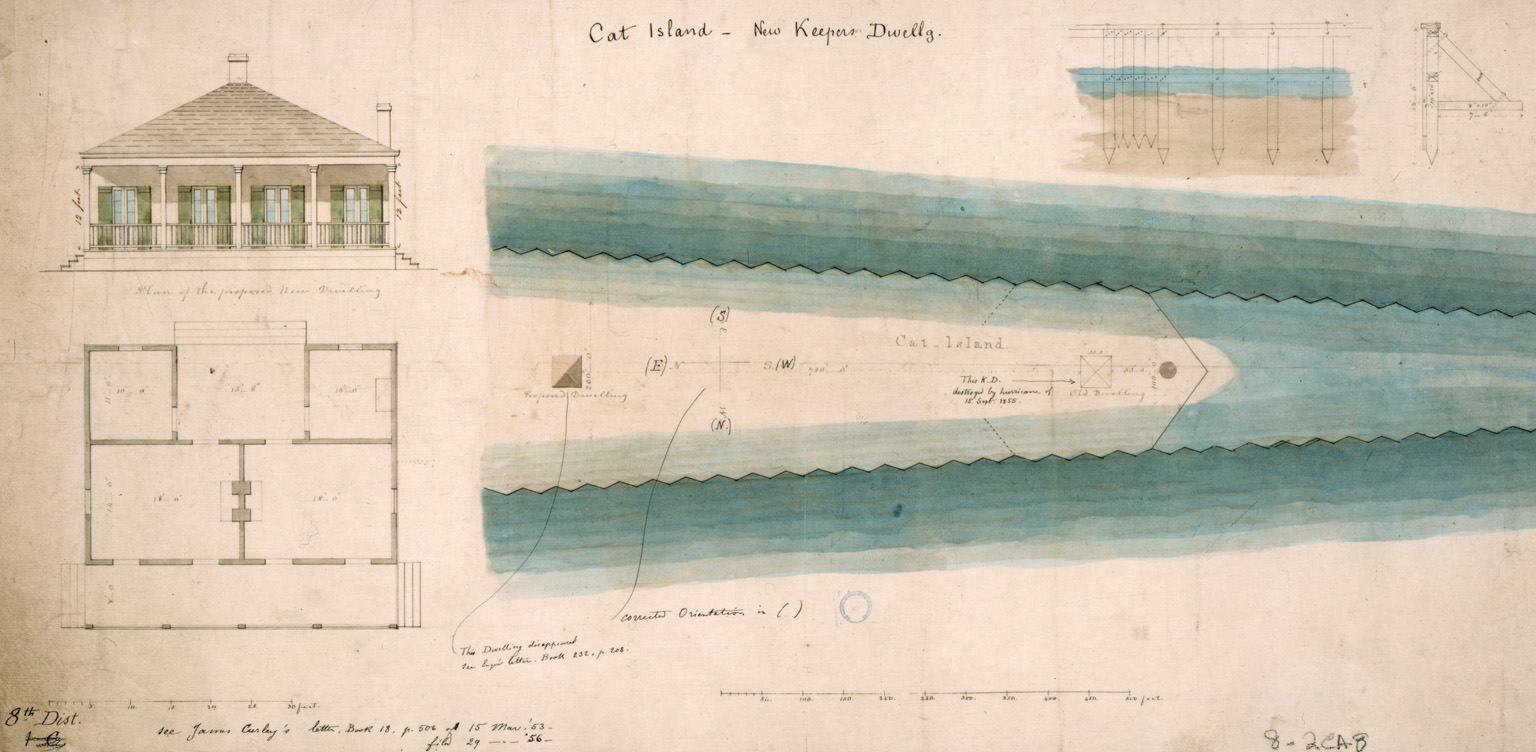
From its earliest days, the station was threatened by its environment. The lighthouse stood on a low, narrow neck of sand, only a few feet above the water and lacking any true foundation, with bricks laid directly upon the beach. Storm-driven waves frequently washed across the spit, undermining the base of the tower. By the mid-1840s inspectors were already warning that the site was dangerously exposed, and in 1846 a hurricane cut a channel between the lighthouse and the rest of Cat Island. Continued erosion brought the waterline ever closer to the structure, and by 1851 the tower stood only a few feet from open water.
These concerns proved well founded. In September 1855, a powerful hurricane severely encroached upon the sand spit and destroyed the keeper’s old dwelling. Although the tower survived, another storm of similar force threatened to sweep it away entirely. Access between the new dwelling and the tower became increasingly difficult during high tides, and the Lighthouse Board concluded that relocation was essential. The Board recommended rebuilding the tower on higher ground near the edge of the island’s woods and fitting it with a modern fourth-order Fresnel lens. Congress responded on August 18, 1856, with an appropriation of $12,000 for rebuilding the lighthouse tower and improving its illumination. In practice, however, only a fraction of this sum was expended. A new lens and lantern were installed during the late 1850s, and by March 1860 the Board reported the station fit for service once more.
Nature again intervened with devastating effect. In August and September 1860, a series of violent gales swept the Gulf Coast, destroying the lighthouses at Bayou St. John and Proctorsville and inflicting serious damage on Cat Island and several neighboring stations. Despite recent repairs, Cat Island lighthouse and its dwelling suffered heavily, reinforcing the Board’s conclusion that traditional masonry towers could not survive at such exposed locations. The Board recommended replacing Cat Island and Choctaw Point with iron screw-pile lighthouses, better suited to shifting sands and storm-driven seas.
The outbreak of the Civil War halted these plans. During the conflict, the Cat Island station fell into Confederate hands, and its buildings suffered further destruction. By 1868, official reports stated that the original buildings had been destroyed during the storms of 1860, the screw-pile dwelling on land had been burned at the beginning of the war, and the lantern had been removed and reused at Tchefuncte River Light Station. Yet the importance of the site was never forgotten. Even in its ruined state, Cat Island remained a critical navigational reference for vessels transiting Mississippi Sound and seeking shelter in Cat Island Harbor.
|
The new Cat Island Lighthouse was completed late that year on a site thirty feet west of the former tower. The light was first exhibited on December 15, 1871. The structure consisted of five iron screw piles supporting a square wooden dwelling surmounted by a lantern. Its fifth-order Fresnel lens displayed a fixed white light, varied by flashes every one minute and thirty seconds, with a focal plane forty-five feet above the mean level of Mississippi Sound. Under ordinary atmospheric conditions, the light was visible for eleven nautical miles. Painted red on the piles and lantern and white on the dwelling, the new lighthouse represented a significant improvement in both durability and effectiveness.
Throughout the late nineteenth century, Cat Island Lighthouse was carefully maintained and gradually adapted to its environment. Keepers reported slow but steady encroachment of the sea against the foundation piles, prompting ongoing efforts to stabilize the site. Mineral-oil lamps were installed in 1882, wooden platforms and galleries were added and rebuilt, and repeated painting and repairs kept the station in good order. After storm damage in 1893, repairs were promptly completed, and by the turn of the century substantial rock ballast had been placed around the foundation—hundreds of tons of stone piled beneath and around the structure to reduce scour and erosion.
Life at the station was often isolated, and the human history of Cat Island is marked by both quiet dedication and profound tragedy. None was more striking than the death of veteran keeper Captain Daniel McCall in 1904. Stricken suddenly and dying alone on the island with only his aged wife present, McCall’s death left her unable to summon help or even bury her husband for several days. Her eventual rescue, after she waded into the Sound holding a white flag aloft, became one of the most poignant episodes in the annals of Gulf Coast lighthouse service, underscoring the loneliness and hardship endured by keepers and their families.
Elizabeth McCall looked after the light for a few weeks following the death of her husband. Daniel McCall served on Cat Island for five years, but before that he had spent nearly twenty-five years as a keeper on Ship Island, situated roughly ten miles to the east.
Despite such hardships, the station continued to serve both navigation and humanity. In 1918, Keeper Richard F. Steen rendered assistance to numerous mariners in distress, rescuing men adrift, aiding grounded schooners, providing medical attention, and offering food and shelter to those in need. These acts exemplified the lighthouse service’s broader mission during an era when keepers were often the only source of aid in remote coastal waters.
By the early twentieth century, advances in lighting technology and declining maritime traffic through Mississippi Sound reduced the station’s strategic importance. In 1923, Cat Island Light was converted to an unwatched automatic acetylene light, flashing white every thirty seconds. Although the light continued to function reliably, its human presence was absent. In 1930, a lightning strike damaged the acetylene gas system but caused no lasting structural harm, marking one of the final notable incidents in the station’s long operational history.
Over more than a century, Cat Island Lighthouse evolved from a vulnerable brick tower on a shifting sand spit into a resilient screw-pile structure adapted to one of the Gulf Coast’s most challenging environments. Its destruction and renewal reflect both the power of nature and the persistence of those who recognized the island’s navigational importance. Though never among the tallest or most powerful lights, Cat Island Lighthouse played a vital role in guiding vessels through Mississippi Sound and into safe harbor, standing as a testament to the endurance of maritime infrastructure—and the people who served it—along the ever-changing shores of the northern Gulf of Mexico.
Keepers:
References