Timbalier Bay, LA 
Select a photograph to view a photo gallery
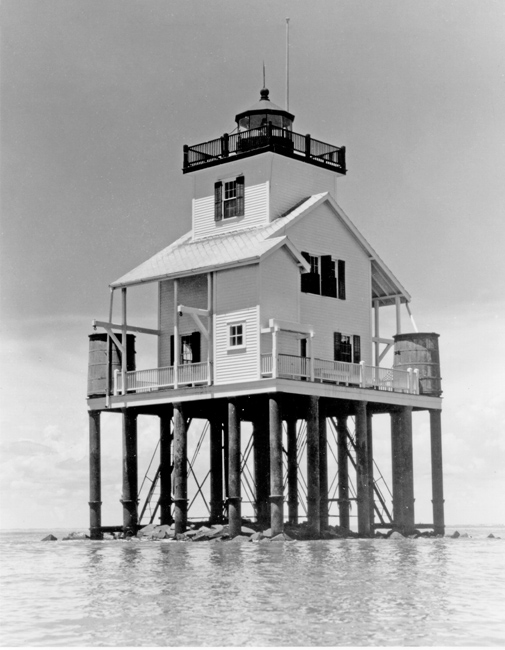
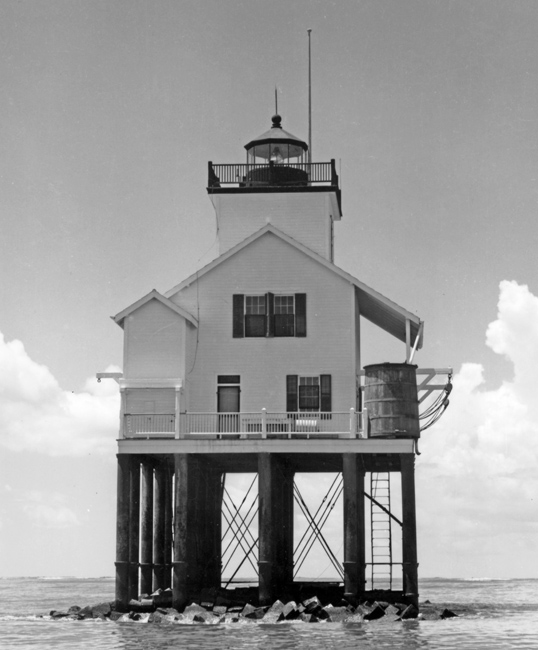
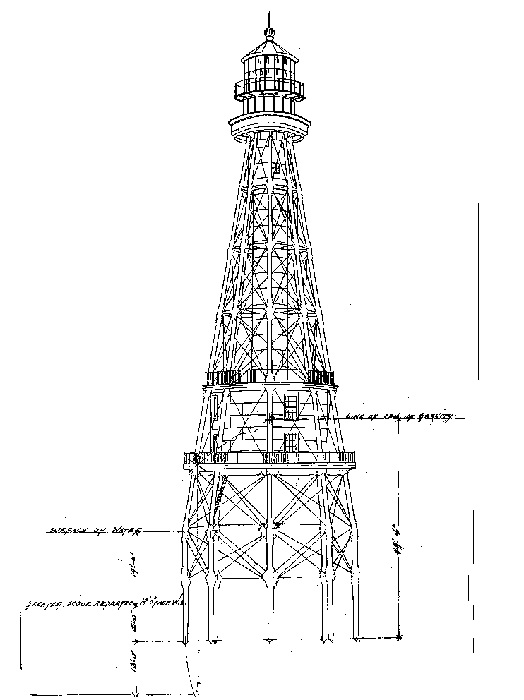
Photo Gallery
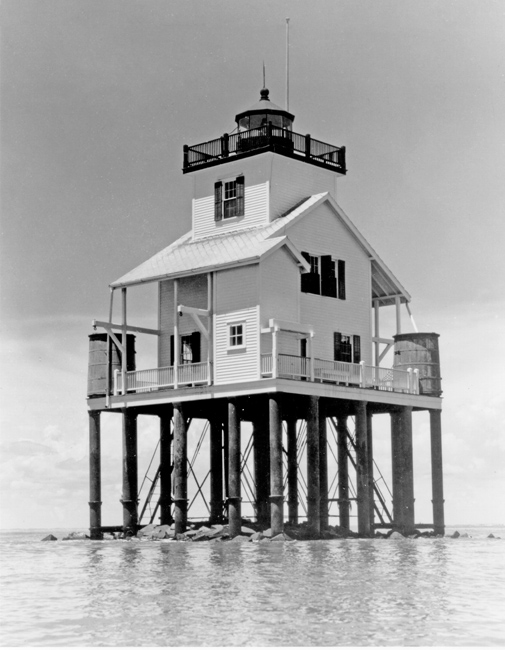
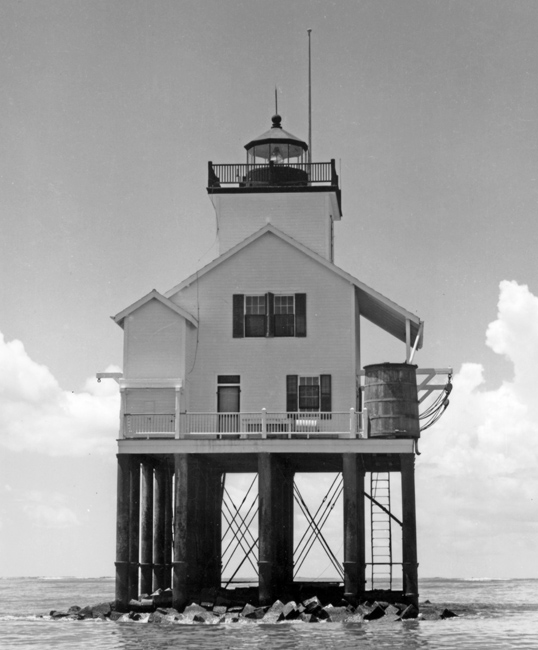
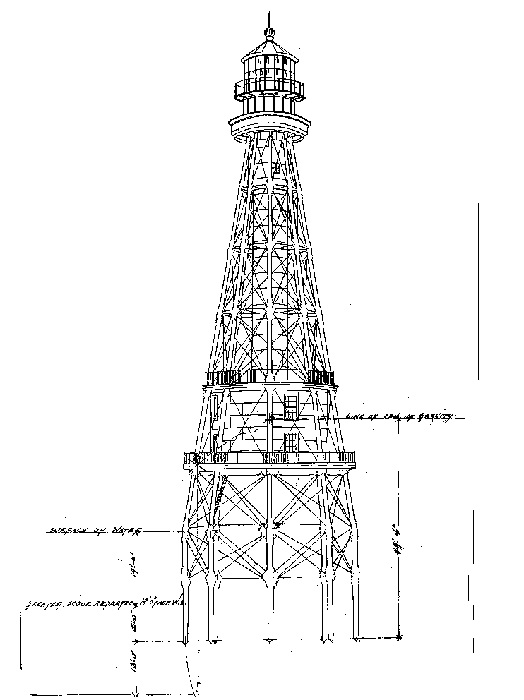
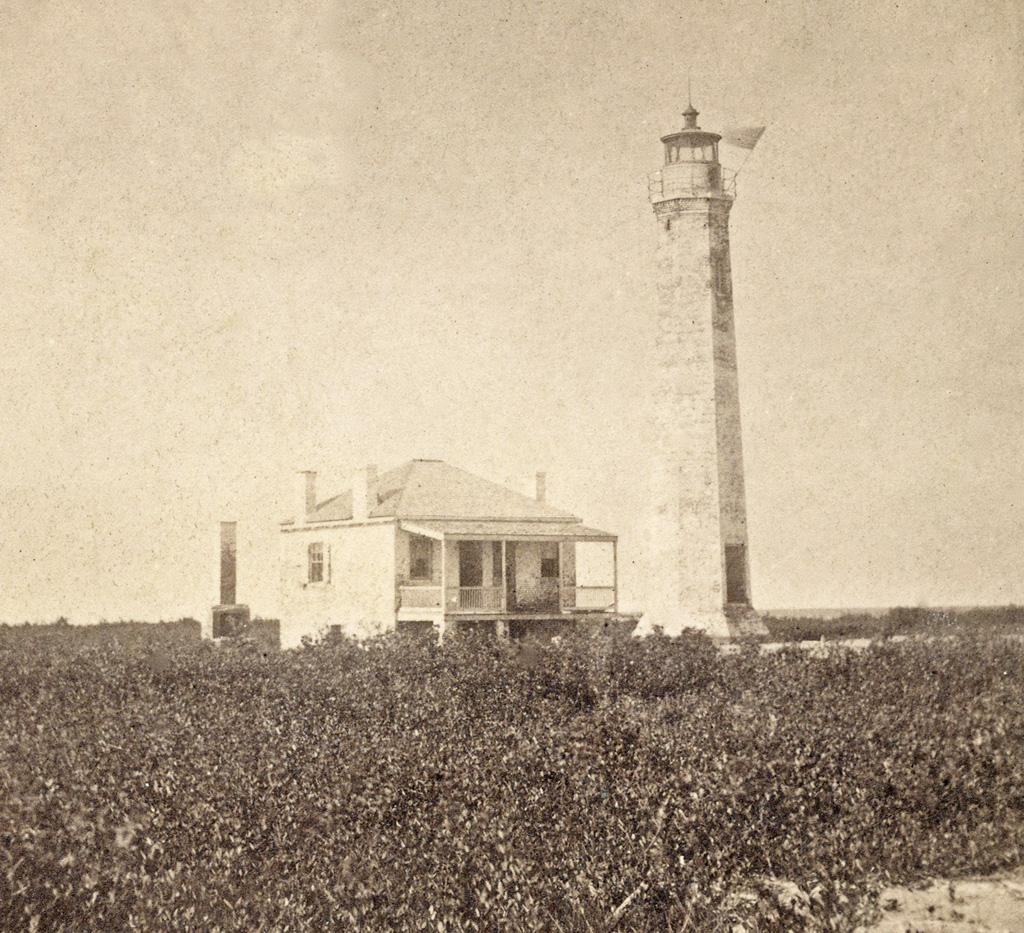
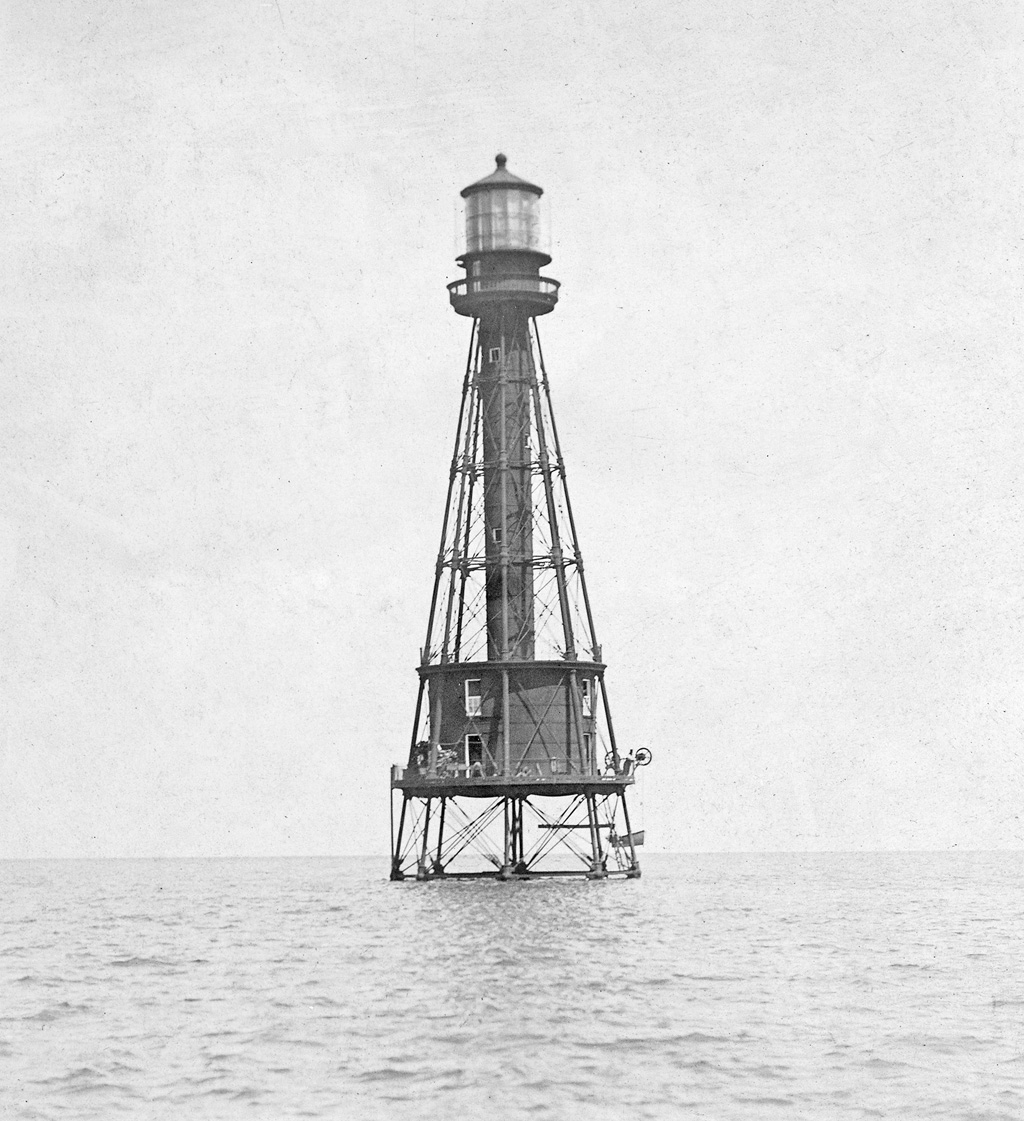
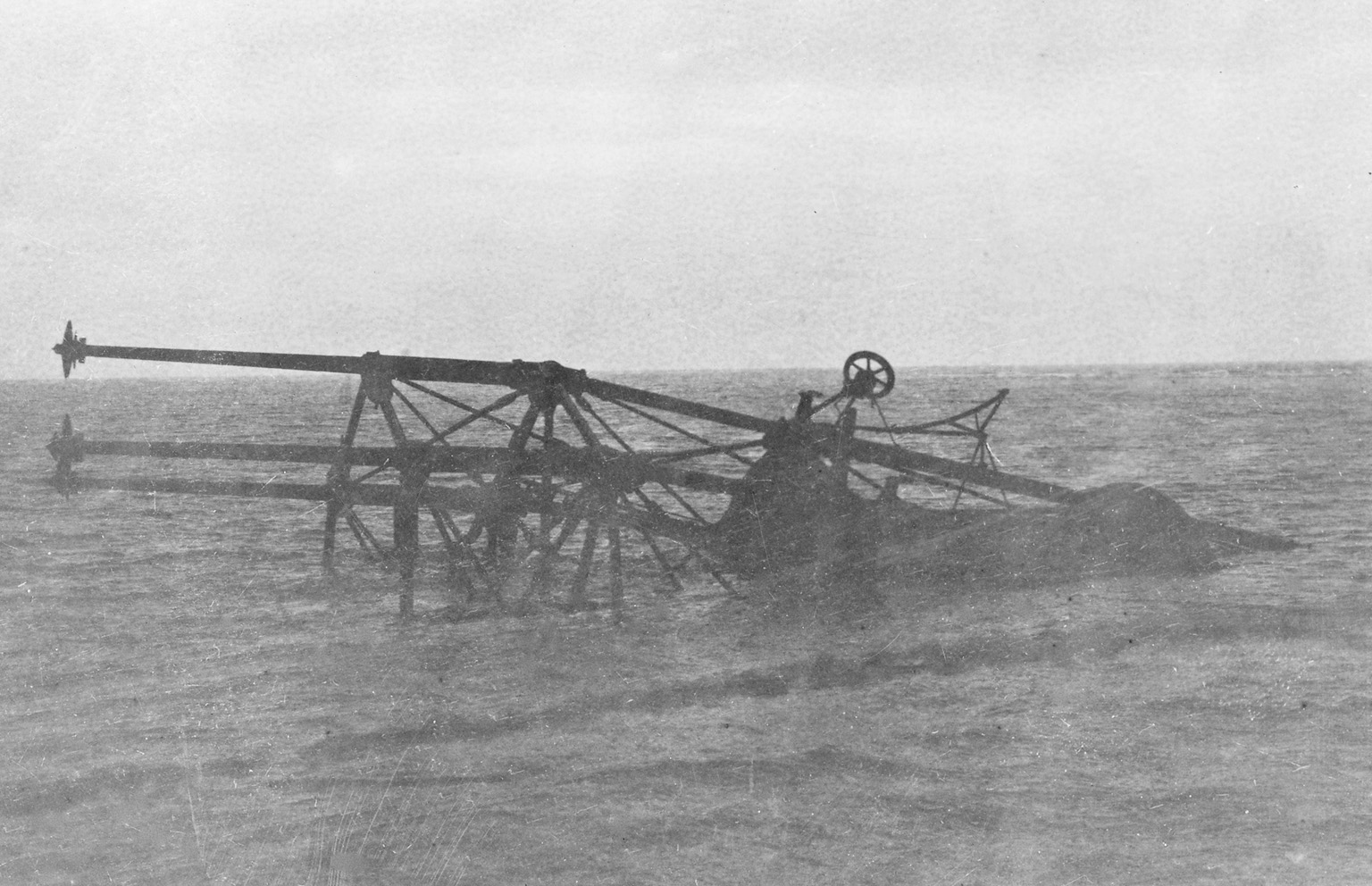
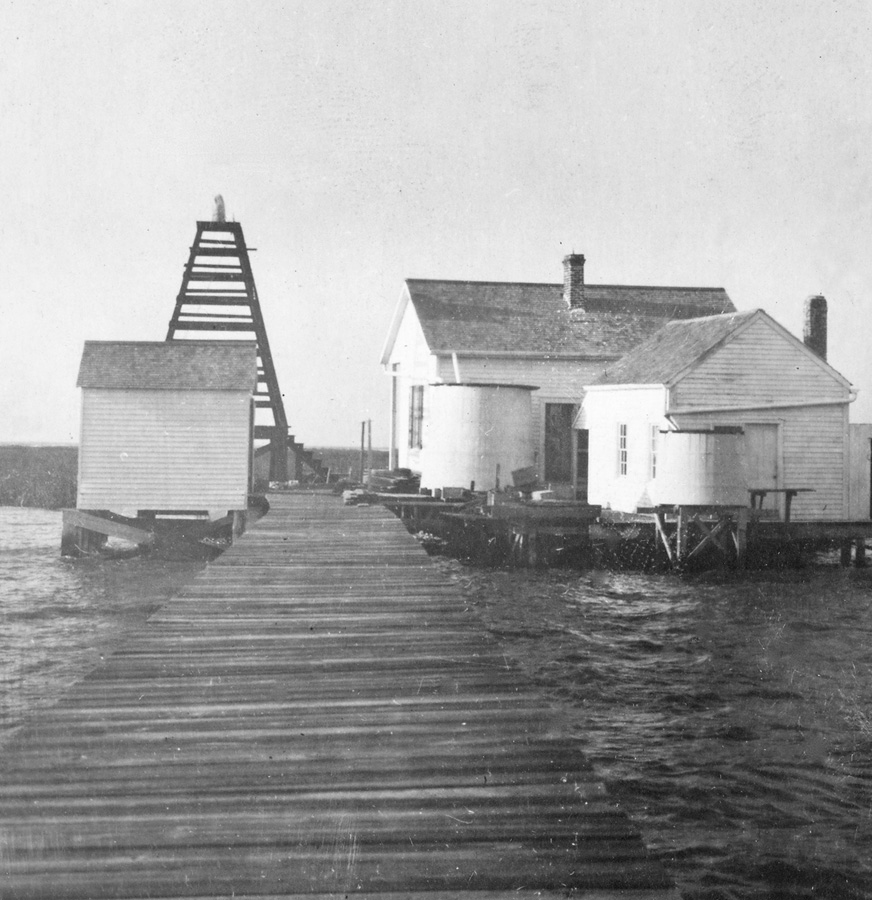
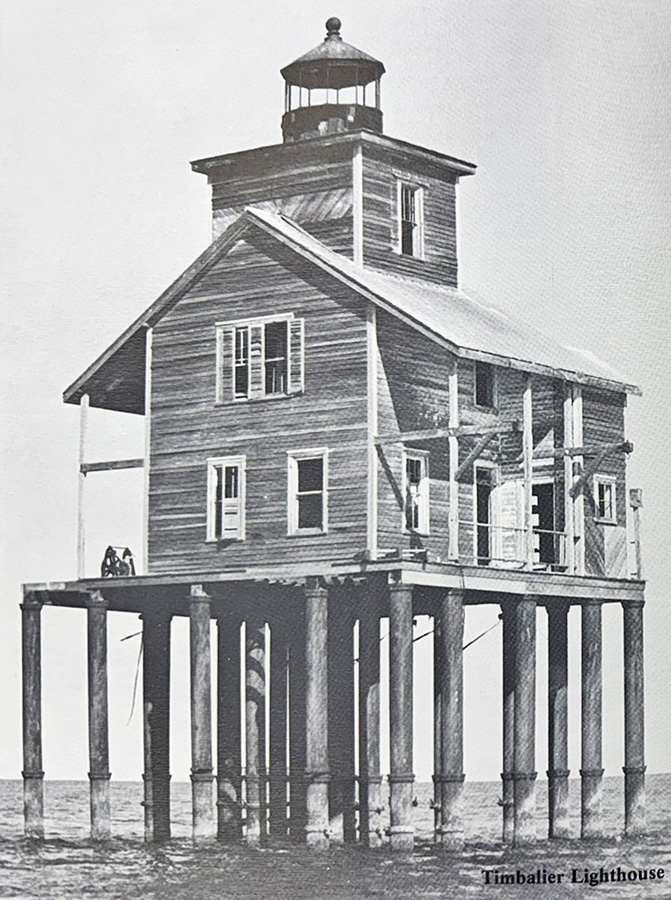
Photo Gallery
Photo Gallery
|
Congress formally authorized a lighthouse at Timbalier Bay on August 3, 1854, appropriating $15,000 “for a light station to mark the entrance to Timbalier Bay and for coast purposes.” The measure reflected growing commercial traffic through coastal Louisiana and the increasing recognition that reliable aids to navigation were essential for the region’s maritime economy.
Before construction could begin, clear title to a suitable site was required. In October 1856, the State of Louisiana conveyed to the federal government approximately twenty acres at the east end of Timbalier Island for lighthouse purposes. The deed, examined and approved by the U.S. Attorney General later that year, stipulated that the land would revert to the state should it ever cease to be used as a lighthouse reservation—a condition that foreshadowed the island’s unstable future.
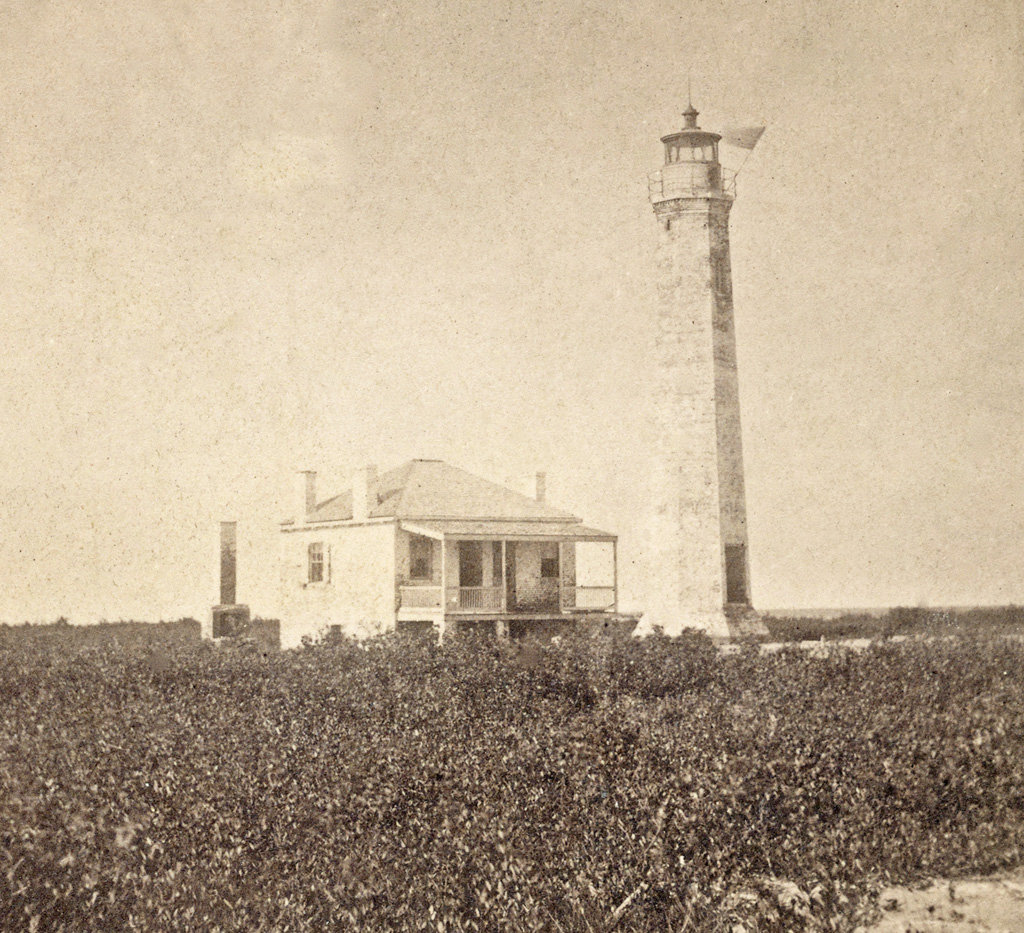
Construction proceeded promptly. By 1857, the Lighthouse Board reported that Timbalier Lighthouse had been completed and its light exhibited. The structure consisted of an octagonal brick tower, whitewashed for visibility, standing fifty-five feet high. A fourth-order Fresnel lens displayed a fixed white light from a focal plane sixty feet above mean sea level, visible approximately thirteen nautical miles under ordinary conditions. The lighthouse stood near the west side of Grand Pass, marking the principal entrance to Timbalier Bay.
During the Civil War, many Gulf Coast lights were extinguished or fell into disrepair. Following the occupation of portions of the Gulf Coast by Union forces in 1864, military authorities requested the re-establishment of several key lights, including Timbalier. The Lighthouse Board promptly assessed the station and arranged for a replacement illuminating apparatus, underscoring the light’s continued strategic importance even amid wartime disruption.
|
On March 29 and 30, 1867, a powerful storm struck the Louisiana coast and obliterated the Timbalier station. The dwelling, tower, and all associated structures were leveled, buried beneath three to six feet of water. Everything belonging to the government—and to the keepers themselves—was lost. The keepers narrowly escaped with their lives and reportedly survived for several days in an iron can buoy amid the wreckage. The keepers had reportedly moved into the station’s kitchen as it was feared that that tower would crush the dwelling if it toppled over.
Recognizing the extraordinary circumstances, Congress appropriated $400 on July 20, 1868, to reimburse the keepers for the loss of their personal property. The episode highlighted both the perilous conditions faced by lighthouse personnel and the unforgiving environment in which the station operated.
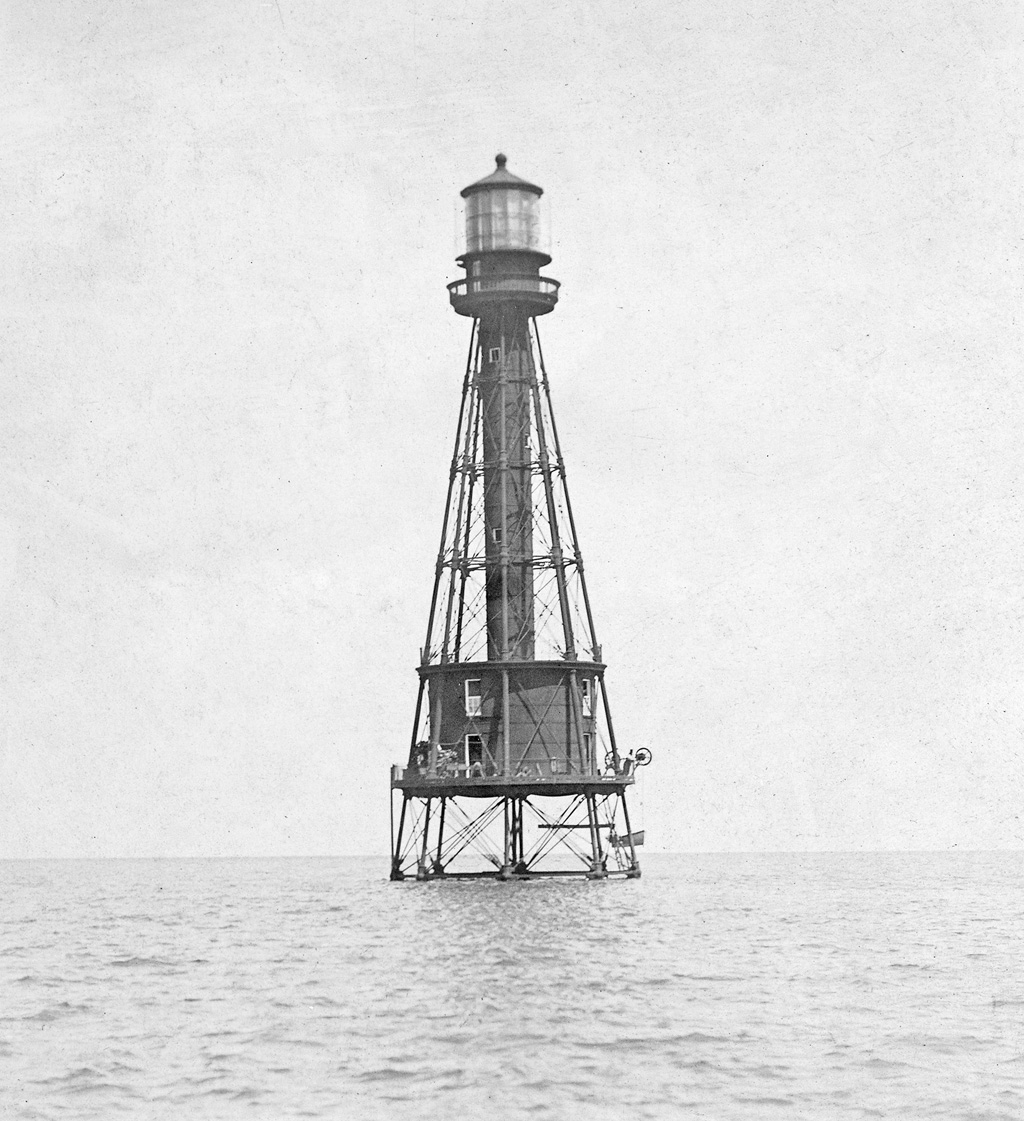
Despite its destruction, Timbalier was considered too important to remain unlit. The Lighthouse Board recommended a fundamentally different approach: an iron screw-pile lighthouse erected in sheltered shoal water inside the island, where the land itself could serve as a natural breakwater. This proposal reflected evolving engineering practice along the Gulf Coast, where iron structures proved more adaptable to unstable seabeds than traditional masonry towers.
Congress responded with a series of substantial appropriations. On March 3, 1869, $50,000 was allocated for a new lighthouse, followed by an additional $50,000 on March 3, 1871, and another $50,000 on March 3, 1873. A final appropriation of $15,000 on June 23, 1874, was made for completion of what was described as the “Gulf Coast iron lighthouse at Timbalier.”
The new design called for a first-order iron skeleton tower mounted on screw piles, with a keeper’s dwelling integrated into the lower portion and an enclosed spiral stairway leading to the lantern. By 1872, the ironwork was under contract in the North, though insufficient funds delayed full erection.
Construction proved arduous. Lumber and materials were transported by lighthouse tenders and staged on the island, while a large wooden platform was built to support both the tower components and the working party. High water repeatedly washed away piles and timbers, delaying progress. By early 1874, foundation piles had been successfully set, and the main column and braces of the second series were erected before funds were again exhausted.
|
For nearly two decades, the iron Timbalier Lighthouse served as a critical sea-coast light. Regular maintenance addressed structural issues, including cracked iron sockets and alignment problems. Mineral-oil lamps replaced earlier fuels in the 1880s, and periodic improvements kept the station operational.
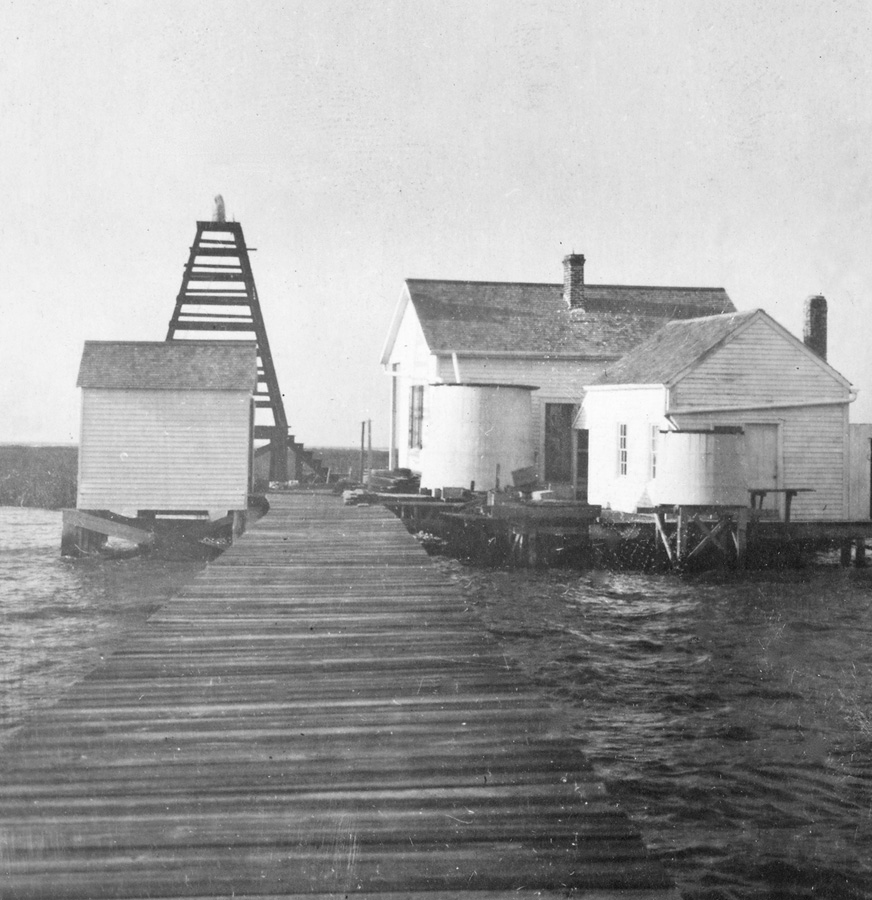
In January 1894, however, scouring of the channel undermined the foundation. The tower canted over and became unsalvageable. Although the illuminating apparatus was recovered, the wrecked structure was abandoned when the lighthouse tender could not approach near enough to the wreck and it was urgently needed elsewhere. A temporary beacon was erected nearby atop a square, pyramidal structure, marking the entrance to Timbalier Bay with a fixed lantern light. This new light was located half a nautical mile from the wreck of the former light, and a temporary dwelling was constructed nearby for the keepers.
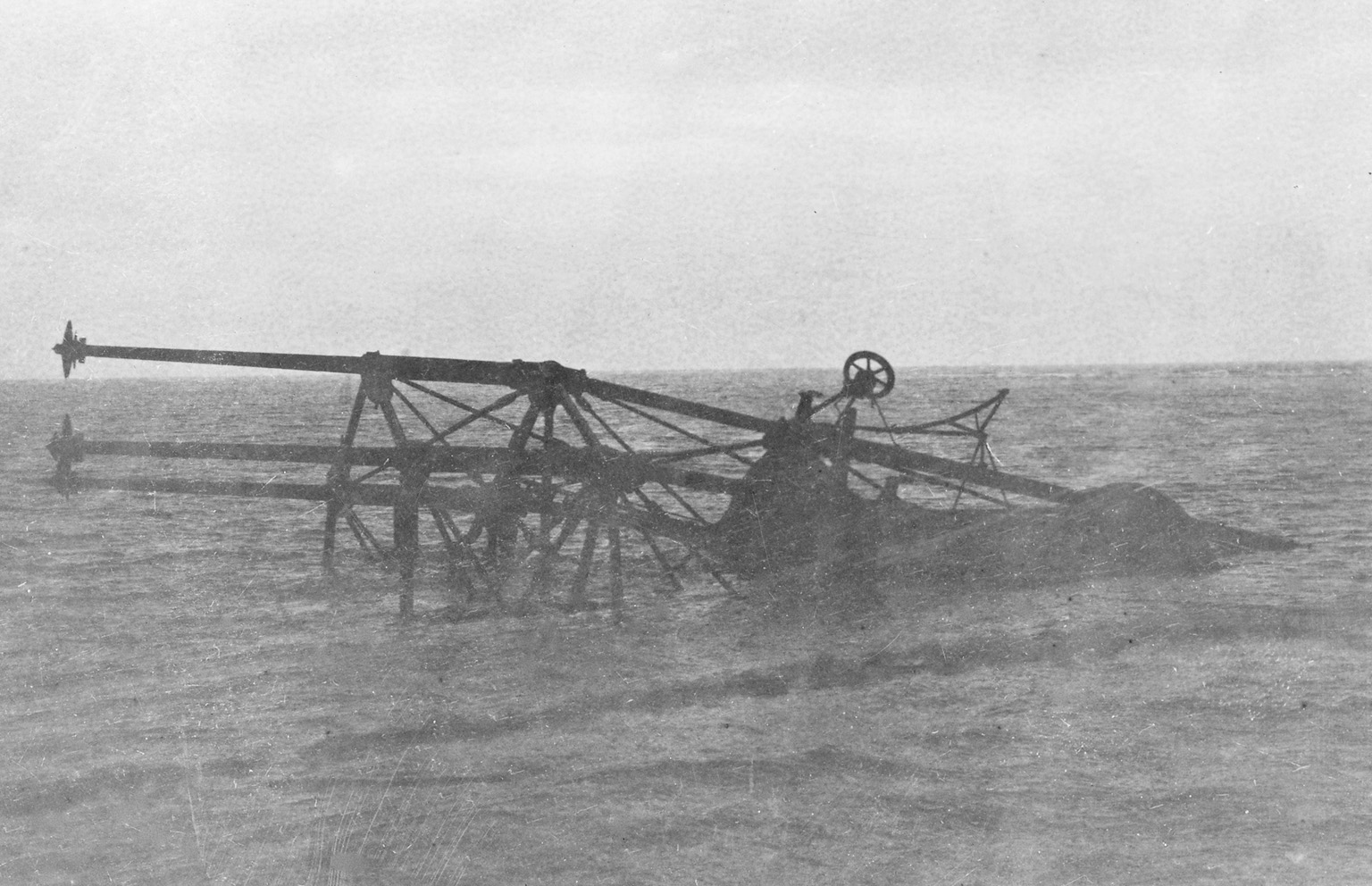
The Lighthouse Board had initially concluded that navigation needs no longer justified a formal lighthouse at Timbalier. Nevertheless, a staffed light and dwelling continued to serve mariners, and the Lighthouse Board’s report in 1898 noted that a two-room addition had been made to the keeper’s dwelling, and a 195-foot-long wharf with a boathouse at its outer end had been completed. The wreck of the second Timbalier Lighthouse remained visible for many years. This photograph of the remains of the iron tower was taken in 1932.
John P. Anderson, assistant keeper of Timbalier Lighthouse, was commended for performing his duties under hazardous and trying conditions during a hurricane that struck the Gulf Coast on September 28 and 29, 1915.
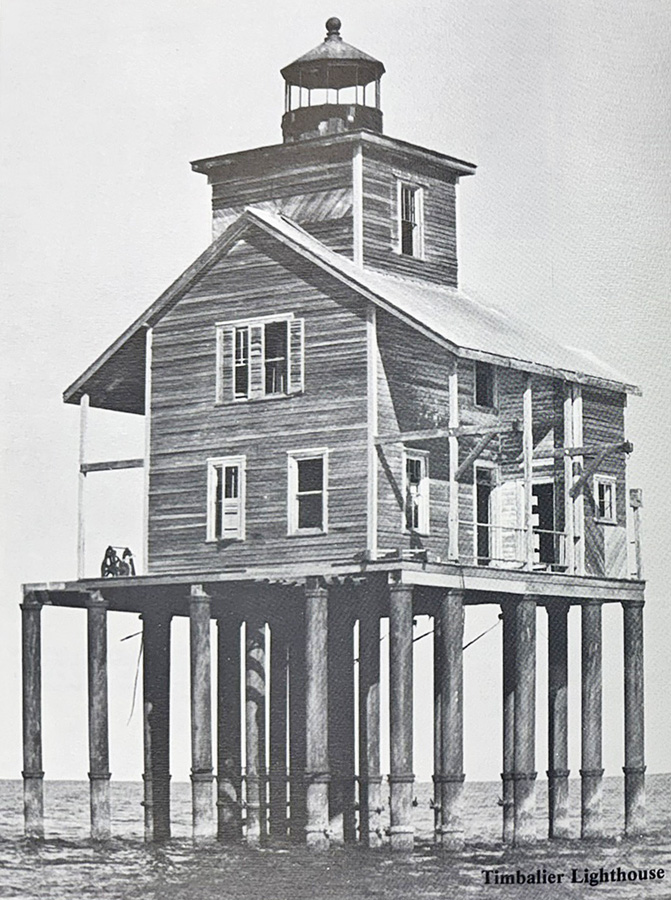
In 1917, a new frame lighthouse was constructed on twenty-five iron-cased creosoted piles, incorporating a bell fog signal operated by machinery. This structure, standing offshore near the north side of the island, continued the long tradition of adaptation to storms and erosion. The station endured repeated hurricane damage, requiring riprap protection and structural repairs throughout the 1920s and 1930s.
|
The final Timbalier Lighthouse survived for several decades before meeting the same fate as its predecessors. In 1985, Hurricane Juan destroyed the 1917 lighthouse, bringing to a close more than 130 years of continuous effort to maintain a light at Timbalier Bay.
Keepers: