East Rigolets, LA 
Select a photograph to view a photo gallery
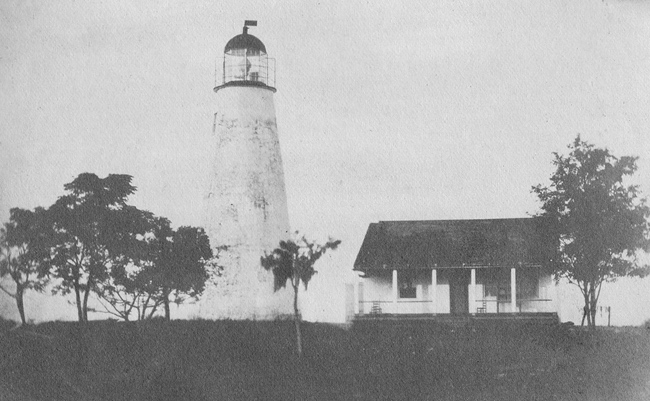
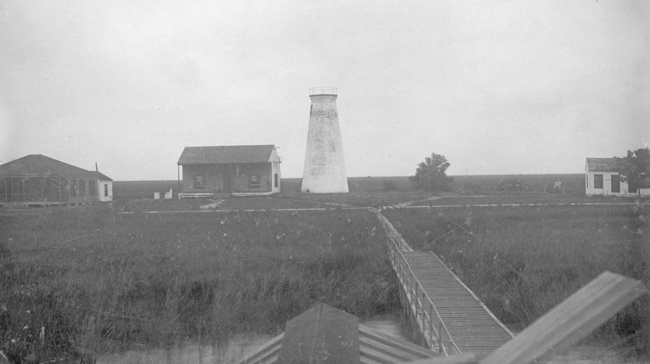
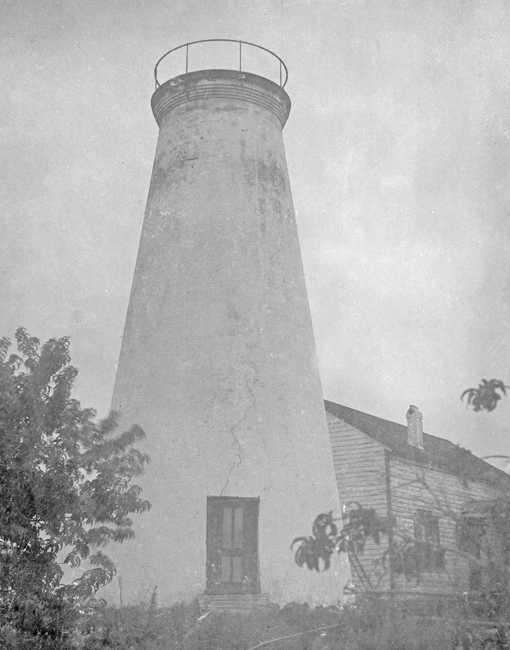
Photo Gallery
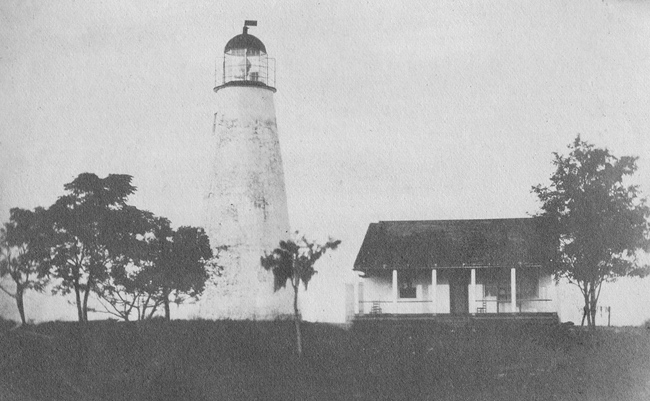
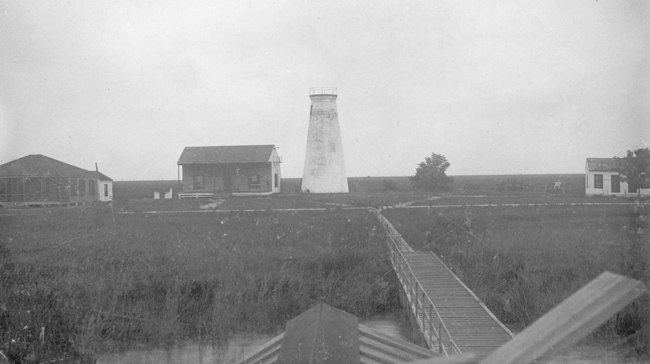
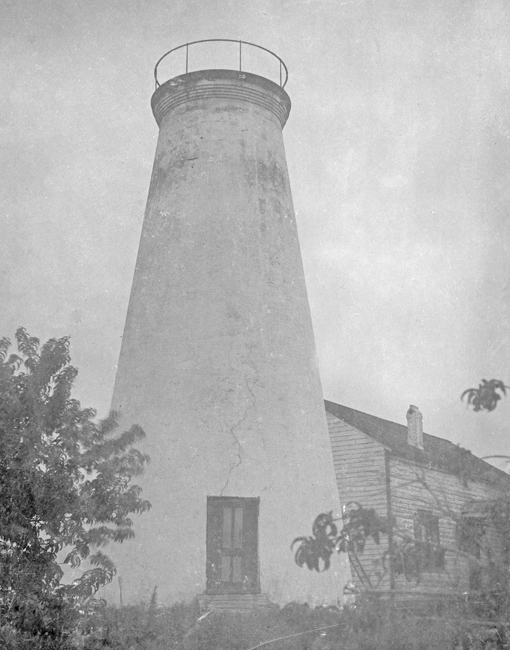
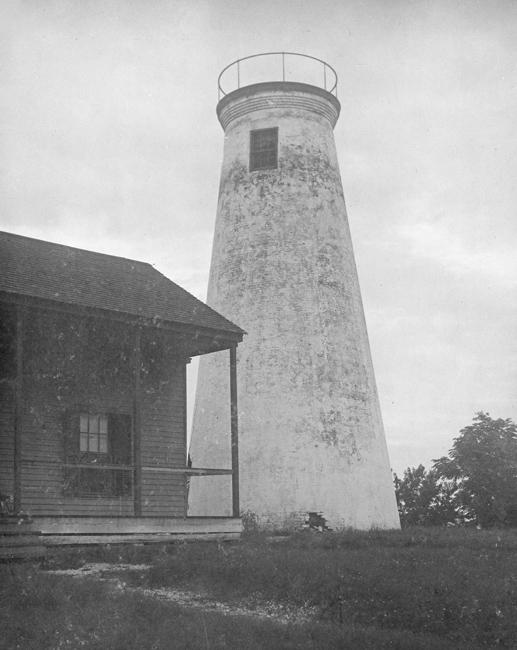
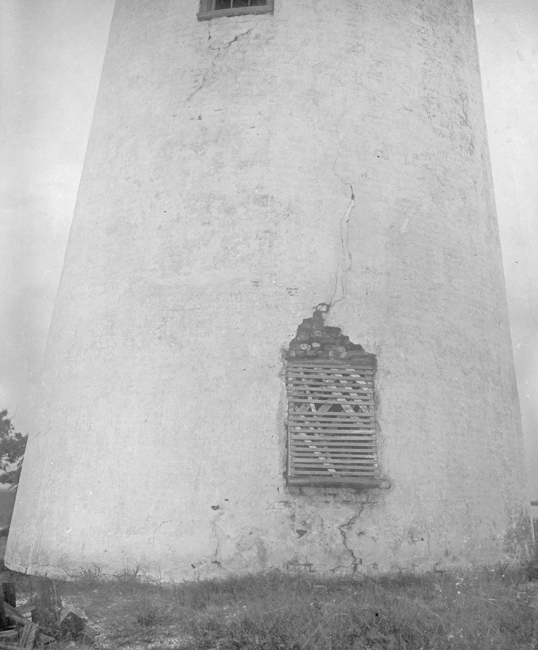
Photo Gallery
Photo Gallery
By the early nineteenth century, the federal government recognized the importance of marking this intricate approach. Congress authorized lights in the vicinity as early as 1826, though the initial $600 appropriation was hardly sufficient even to hang lanterns on posts at the nearby forts. A more substantive act followed on March 3, 1831, when Congress appropriated $7,000 for a proper lighthouse at the east end of the Rigolets. This project lagged for nearly two years because the New Orleans lighthouse superintendent failed to select a suitable site. He eventually chose a low island opposite the west mouth of the Pearl River, officially known as Rabbit Island. In government records, however, it soon bore a more distinguished title—Pleasonton’s Island—honoring Stephen S. Pleasonton, the Fifth Auditor of the Treasury and longtime overseer of the nation’s lighthouse system.
Marshall Lincoln, a contractor who also built the tower on Round Island near Pascagoula, received the contract. Though construction was due to be complete by December 15, 1833, Lincoln arrived only after that date had passed. Despite government records asserting a completion year of 1833, it is unlikely that the forty-five-foot brick tower, with its lantern and ten-lamp revolving chandelier, was erected in less than a fortnight. Isaac H. Smith, appointed the station’s first keeper, tended the light from April 1835 to March 1840 at an annual salary of $500.
From its inception, East Rigolets Lighthouse suffered from its isolated setting and questionable construction quality. An 1846 inspection revealed that the tower had been built directly atop soft alluvial soil without a proper foundation. Miraculously, it stood plumb—but the lack of structural support foreshadowed decades of maintenance challenges. Keeper performance was uneven as well. Smith’s successor was dismissed for drunkenness; others allowed the station to deteriorate. Between 1840 and 1844, four head keepers cycled through the post, and the property fell into disrepair: windows were broken, the tower door vanished, and bricks sloughed from the structure.
Routine maintenance in 1854 brought a brief reprieve. The tower was whitewashed, the lantern reglazed and painted, and the lightning rod repaired. At the dwelling, workers relaid hearths, repaired chimneys and plasterwork, installed new tin gutters and conductor pipes, and repainted the front gallery and window sash. These efforts, coupled with the 1857 refitting of the station with a fourth-order Fresnel lens, helped stabilize conditions on the eve of the Civil War.
East Rigolets Lighthouse escaped major wartime destruction, though the Confederates removed its lens. Transported aboard the sloop Henry Larnes to the home of the Confederate customs collector in Shieldsboro (present-day Bay St. Louis), the lens was later recovered by Union forces in September 1862. Federal authorities quickly moved to restore the navigation system along the Gulf Coast, noting that by early 1863 steps had been taken to re-exhibit the lights at Ship Island, Cat Island, St. Joseph’s, Pleasanton Island, Proctorsville, the Rigolets, and Pass Manchac. East Rigolets light was temporarily restored and operating again on November 21, 1862.
A major improvement came in 1867, when the Lighthouse Board provided a new, larger lantern. Workmen found it necessary to remove and rebuild the top four feet of the tower to enlarge the top and accommodate the improved lantern-deck. This reconstruction was completed between July 15 and August 16. The keeper’s dwelling, however, continued its long decline. Reports of 1867 and 1868 noted that its roof and galleries required extensive repairs—authorized but not executed. By 1870 inspectors bluntly concluded that the dwelling was “old and not worth the cost of the extensive repairs” required to place it in good order. A new structure, they suggested, would cost only marginally more than rehabilitating the existing one. The recommendation was repeated in 1871, along with a proposal for a new three-thousand-gallon cypress cistern.
Despite these deficiencies, the station’s navigational utility remained unquestioned. The tower, with its fourth-order light, continued to guide vessels threading the narrow east entrance to Lake Pontchartrain—a channel through which all traffic between New Orleans and points such as Mississippi Sound, Mobile Bay, and Pensacola Bay had to pass.
In the 1870s, the transformation of Gulf Coast navigation began to undermine the East Rigolets Light’s strategic importance. Railroads, bridges, and new trade patterns shifted commercial emphasis away from the lake and sound. When a railroad line finally spanned the Rigolets, connecting New Orleans and Mobile, passenger steamers ceased operations, and freight traffic diminished. On May 25, 1874, the Lighthouse Board discontinued East Rigolets Light, declaring “it being no longer required for purposes of navigation.”
The keeper, Valentine B. McArthur, was transferred to the newly constructed Horn Island station, and the tower on Pleasonton’s Island fell dark. For four years it remained inactive, though not forgotten. Mariners who continued to navigate the pass—particularly fishermen and barge operators—complained that the entrance was exceptionally difficult to locate at night. The Board conceded the point in 1878 and 1879, twice recommending a federal appropriation of $6,000 to reestablish the light and erect a day beacon on nearby Long Point. Congress, however, never acted on the request, and the station was never recommissioned.
The federal government retained the abandoned property for several years. In 1883, the State of Louisiana sought permission to use the site as a quarantine station, and in the transfer documents the island’s name was inadvertently mangled to “Rabid Island.” The tower lingered in remote obscurity thereafter. The final known reference to the lighthouse in federal records came in 1923, when the site was sold to the Jahncke Service, Inc., ending all official connection to the Lighthouse Service.
Keepers:
References