Brazos River, TX 
Select a photograph to view a photo gallery
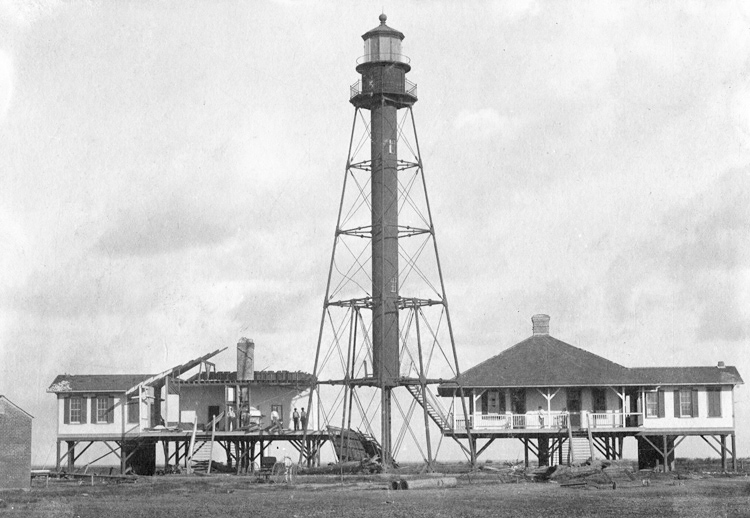
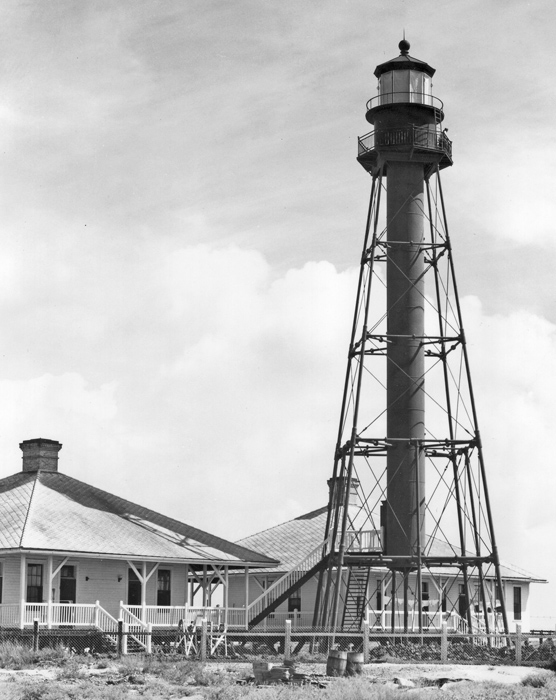
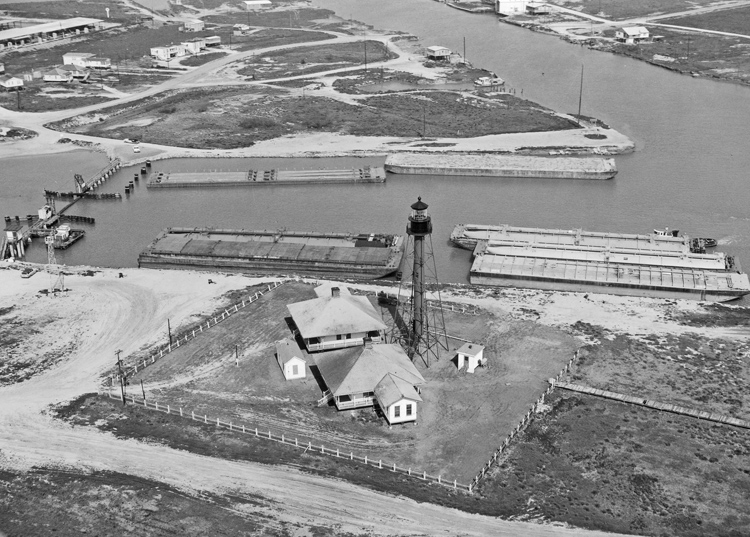
Photo Gallery
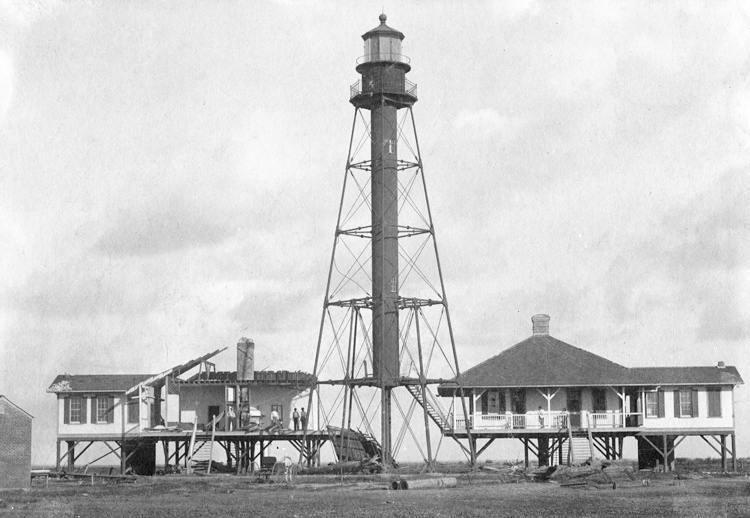
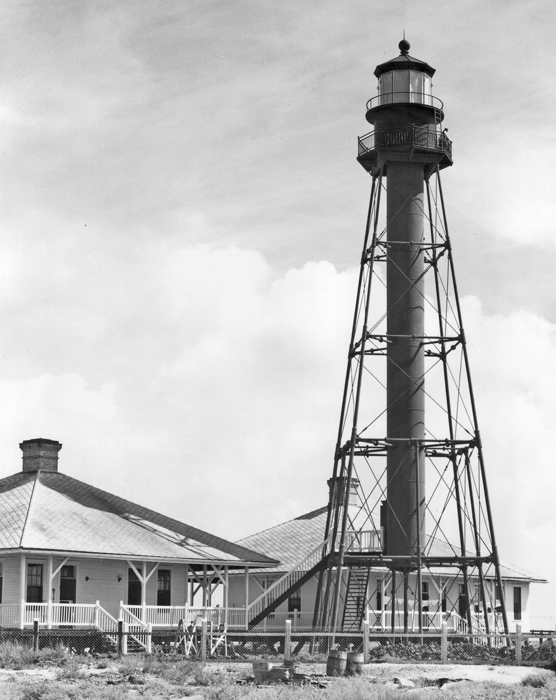
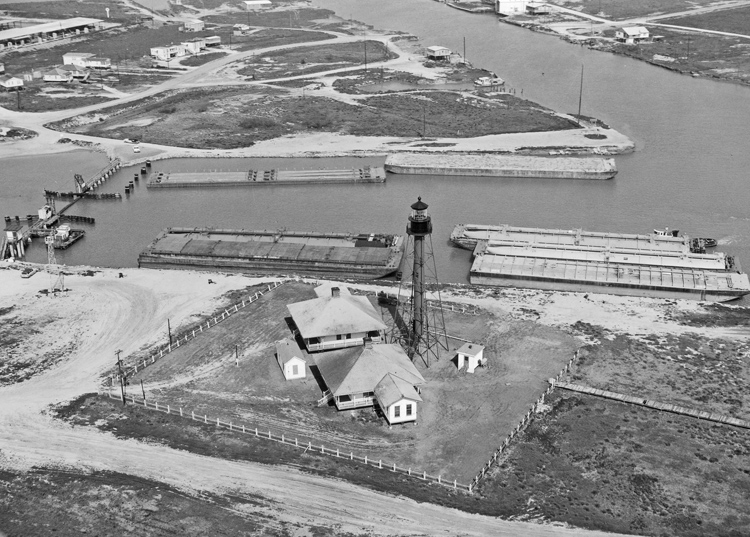
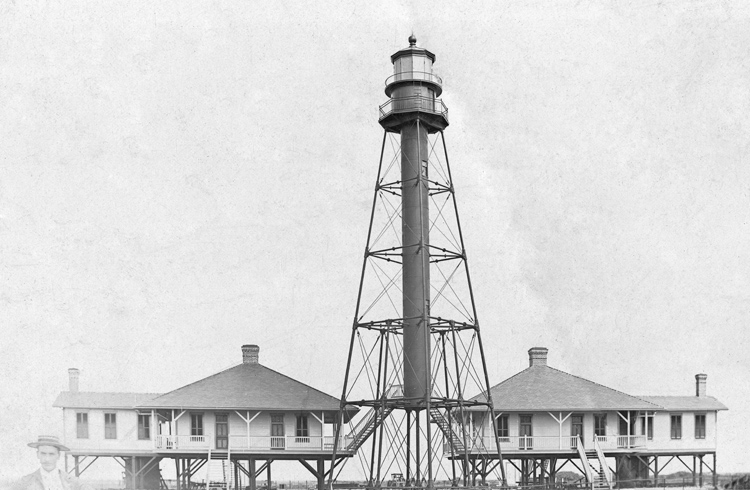
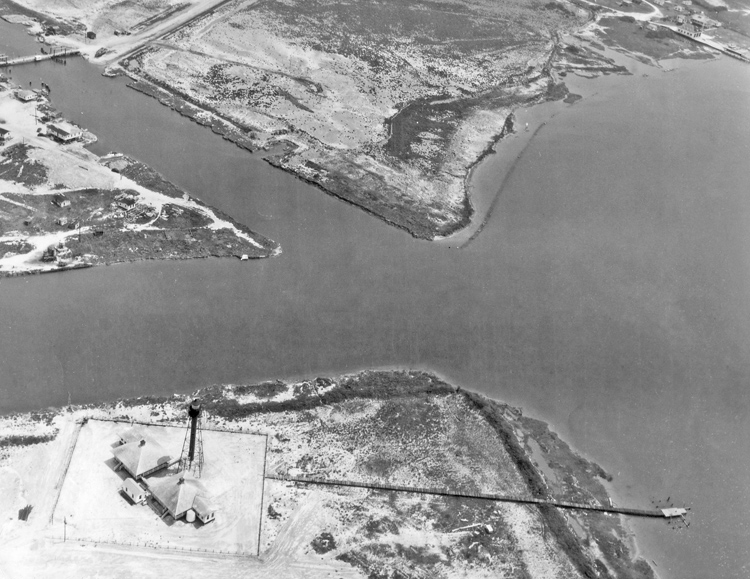
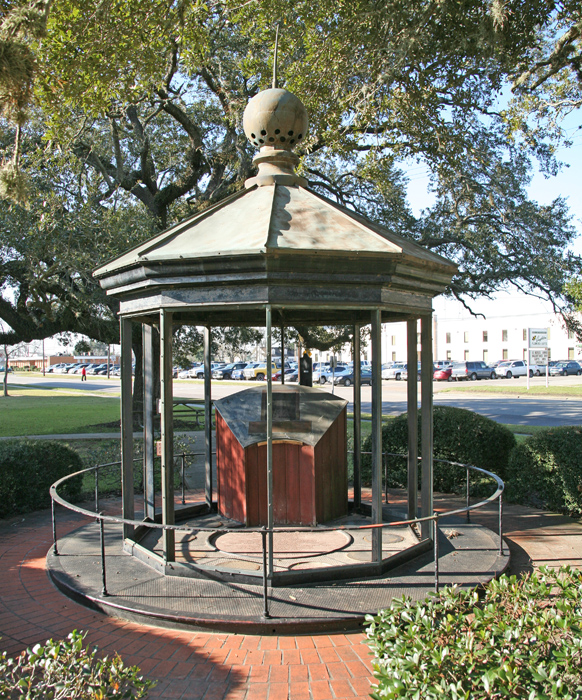
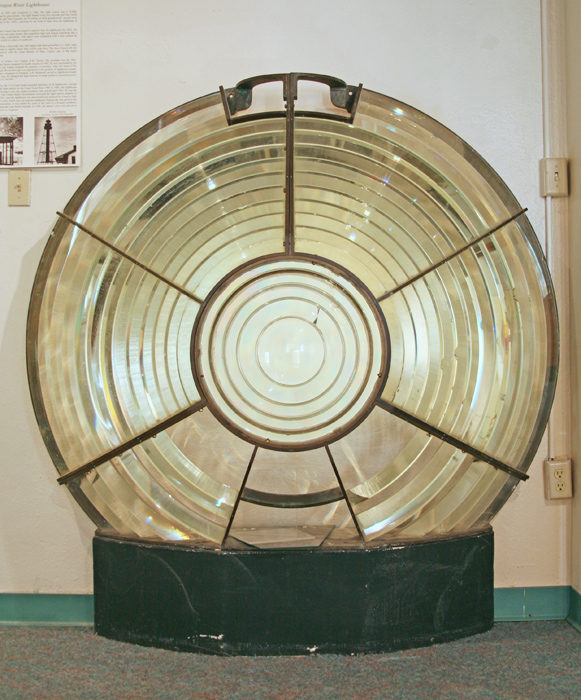
Photo Gallery
Photo Gallery
|
This made the Brazos region one of the richest and most heavily settled agricultural zones in the early Republic of Texas. Over time, the growing economic activity and shipping traffic underscored the need for proper navigation aids at the river’s mouth.
After Texas achieved statehood, the Lighthouse Board—the federal agency responsible for navigational lights before the Coast Guard era—recommended establishment of a light station at the Brazos River. Funding was provided in 1859, but no construction took place; by 1861, with mounting political tensions and shifting priorities on the eve of the Civil War, the funds were declared surplus.
For decades, the Brazos mouth remained unlit. But by the 1890s, improvements—including dredging and construction of jetties by the Brazos River Channel and Dock Company—had sufficiently improved the river channel and harbor to warrant formal navigation aids. In 1893, recognizing increased maritime traffic, Congress directed the Lighthouse Board to commission a lighting system for the harbor. The Board requested $40,000 for a lighthouse tower, and an additional $10,000 for a range light and a fog signal.
In 1894, the government acquired a small parcel via condemnation proceedings, and, after plans had been prepared, proposals for furnishing the metalwork and erecting the structures were opened on May 1, 1895. A contract for erecting the structures was awarded to Andre Fourchy of New Orleans, whose bid of $11,006 was the lowest of the seven bids received. The lowest of the eight bids for furnishing the metalwork was found to have been submitted incorrectly, so that portion of the project was readvertised. New bids were opened on June 12, 1895, and a contract was made with Tacony Iron and Metal Company of Philadelphia, Pennsylvania for $9,115.
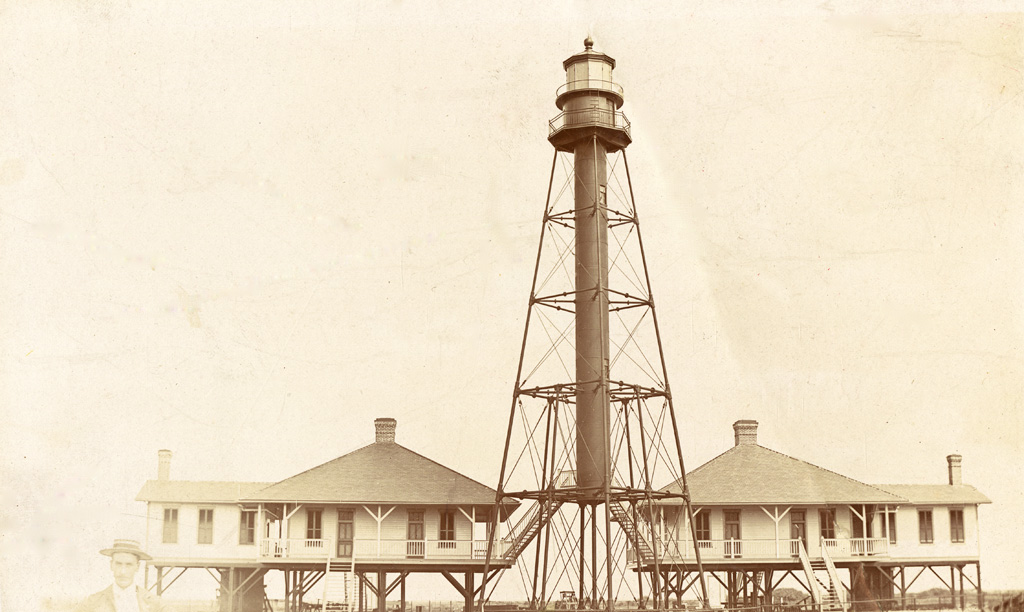
According to records, the tower was completed on May 14, 1896, and turned over to Hugh W. Hawes, its first head keeper, on May 30, 1896—the date it was first lit. It was a square, pyramidal skeletal iron structure, painted a dark mineral-brown below the gallery and black above, a design similar to sister stations in Louisiana, Florida, and Georgia.
|
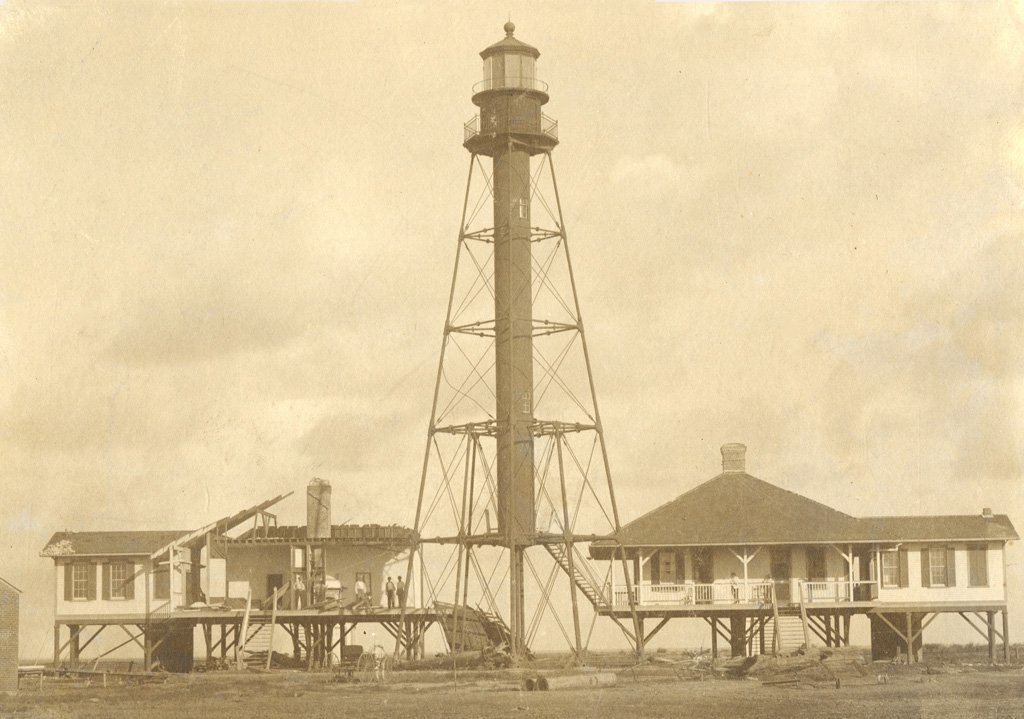
Identical square, four-room dwellings with an attached rectangular kitchen were built for the head keeper and his assistants. The wooden dwellings were elevated over nine feet above the ground on iron piles as the station grounds were prone to flooding in the early spring and fall. Stairways led from the galleries surrounding the dwellings to the lighthouse door, which was elevated about twenty feet above the ground.
In 1896, contracts were awarded for providing the metalwork for a range beacon and fog-bell signal and for the construction and erection of the range beacon, fog signal, oil house, wharf, and boathouse. The metalwork was shipped to the station on December 30, 1896, and the construction work was finished on March 25, 1897. Mariners were informed that on January 10, 1898, a fixed white beacon light would be established in eight feet of water about twenty feet northeast of the southwest jetty at the entrance to Brazos River. The beacon light was 6,750 feet from Brazos River Lighthouse and formed a range with it for approaching the entrance to the jetties from the Gulf of Mexico. The beacon light had a focal plane of thirty-six-and-a-half feet above mean high water. During thick or foggy weather, a 1,850-pound fog bell would be tolled every twenty seconds from the structure that was supporting the beacon light.
The Great Galveston Hurricane that made landfall on September 8, 1900 killed several thousand people and remains the deadliest hurricane in U.S. history. The churned-up waters destroyed the beacon light, which had just recently had a shelter house built on its west side for the comfort of the attending keeper. A temporary light on a post was used until a new structure could be built. The hurricane also damaged the buildings associated with Brazos River Lighthouse, as the keeper’s dwelling had to be rebuilt along with a new wharf and boathouse. Joseph B. Brockenbrough served as keeper of the jetty light from 1898 to 1905. After a year spent at Timbalier Island Lighthouse, he would return to Brazos River and serve as assistant keeper and then head keeper of Brazos River Lighthouse.
On August 17, 1915, a powerful Category 4 hurricane made landfall near Galveston, packing winds of 130 mph and driving a storm surge of over sixteen feet. Advanced warnings and a newly built seawall at Galveston prevented the damage and loss of life that occurred in the 1900 hurricane. Still, at Brazos River Lighthouse, the wharf, boathouse, outbuildings, steps, and gutters of both dwellings were carried away. Keeper Sidney Gibbon and Assistant Keeper John D. Balsille were commended for maintaining the characteristic of Brazos River Light by hand when vibrations of the tower threw the mercury out of the bowl and disabled the clockwork. The morning after the hurricane, the keepers gather up most of the spilled mercury and refilled the bowl, so the lens could operate normally. During the hurricane, all the residents of the station sought refuge in the tower, as they feared the residences could be washed away.
Another Category 4 hurricane struck the Texas coast in August 1932, making landfall near the mouth of Brazos River. The powerful winds broke seven of the plate-glass windows in the lantern room, forcing the keepers to leave the light extinguished for four days until replacement glass arrived.
Willie D. Cooper served as the assistant keeper at Brazos River from 1936 to 1941, and then as the head keeper until 1946. Franklin D. Roosevelt was President during this period, and in May 1937, he took a fishing trip to Texas in the Presidential Yacht USS Potomac. The vessel passed by Brazos River Lighthouse, and shortly thereafter Hazel Cooper, Willie’s wife, sent the following to the President:
We were thrilled beyond words when you waved to use from the Potomac (my two children and myself). We were on the lighthouse wharf waiting and hoping to get a glimpse of our beloved president, and then you waved! My little boy Tommy, nine, could hardly wait for morning so he could tell his teachers and friends about it. We were so proud. If it isn’t asking too much, won’t you please send an autographed photograph of yourself? This will mean so much to us, and it will be cherished and handed down to my grandchildren. We know you will go down in history as the greatest of our Presidents for you’ve done so much for the poor people.
The keepers at Brazos River Lighthouse kept an eye on the surrounding waters and were quick to render assistance when needed. On February 17, 1913, Keeper Joseph B. Brockenbrough and Charles M. Teller, his assistant, rescued three men, who had abandoned the burning U.S. dredge Comstock and were clinging to a jetty, and brought them to the lighthouse. In December 1948, Keeper James F. Goodson observed a plane flying low over a tugboat on the nearby intercoastal canal. The third time the plane passed low over the boat, its left wing clipped the kitchen roof of Goodson’s dwellings, and the plane crashed on the station grounds. Seventeen-year-old Alice Fox died upon impact. Marvin Grant, the pilot, died while being transported to the Dow Chemical company hospital.
Over its lifetime, the light’s power was upgraded. When first lit, an oil lamp produced a light of 35,000 candlepower. In 1938, the station switched from an incandescent oil vapor lamp to an 115-volt electric bulb, boosting intensity to around 190,000 candlepower. A final upgrade in 1963 increased illumination to about 2 million candlepower — a substantial boost, reflecting advances in electrical and lighting technology.
James Goodson was still serving as keeper in 1954, when Brazos River Lighthouse was automated. In 1967, the Coast Guard swapped the 2.6 acres of Brazos River Light Station for a three-acre Dow Chemical tract adjoining the Freeport Coast Guard Station. Dow Chemical desired the lighthouse site on the river for construction of a tanker-ship loading dock. A new light mounted on a galvanized steel tower was established at the Freeport Coast Guard Station along with a radio beacon, and the old skeleton tower and dwellings were abandoned.
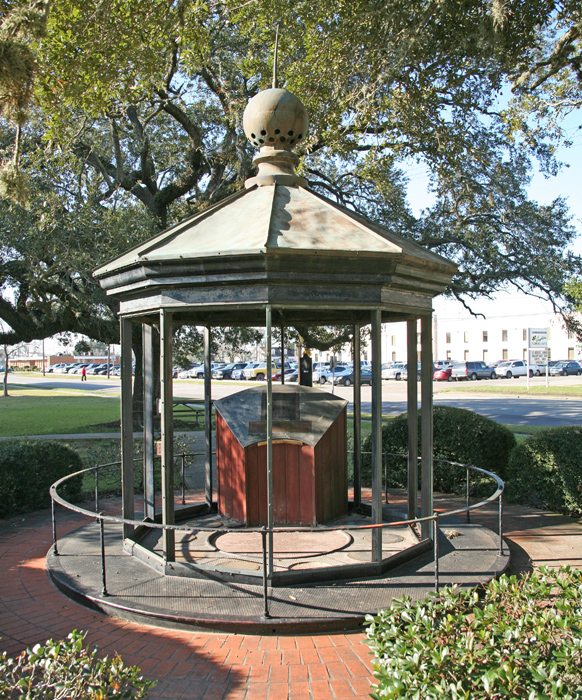
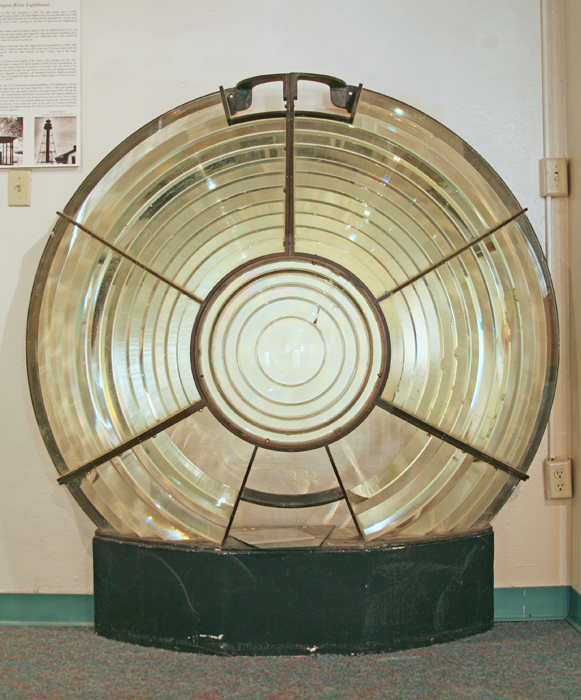
Efforts by local residents to preserve the entire tower failed, but they did manage to save the lantern room. Dow Chemical agreed to use its equipment to remove the lantern room, which Randolph Smith stored in the yard of his house in Sweeney until it was relocated to the grounds of the historic courthouse in Angleton in 1980. The Fresnel lens used in Brazos River Lighthouse is now located inside the courthouse, which is home to the Brazoria County Historical Museum.
Keepers:
References