Monhegan Island, ME 




Select a photograph to view a photo gallery
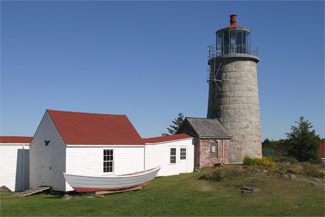
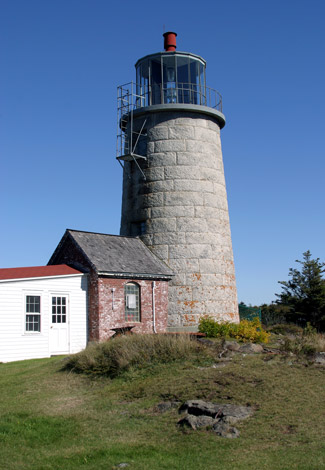
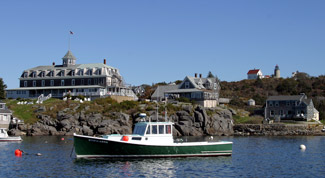
Photo Gallery
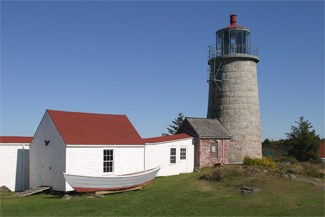
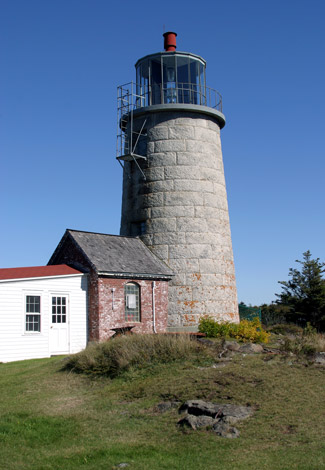


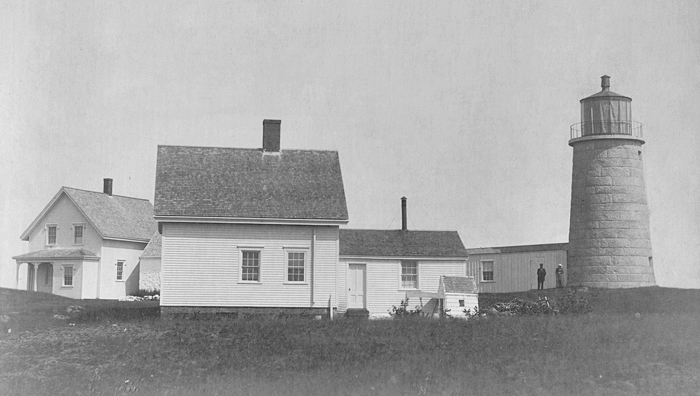
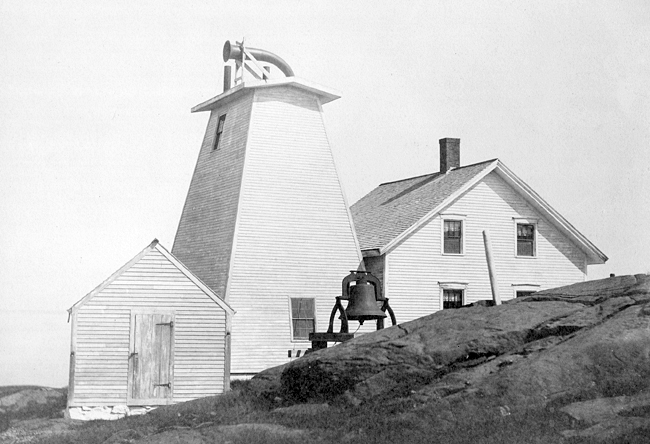
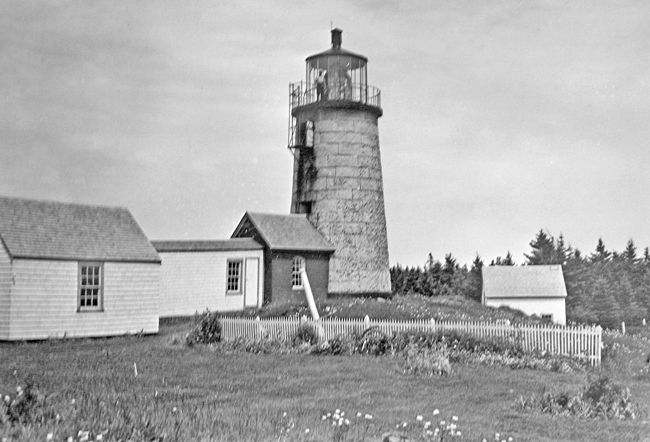
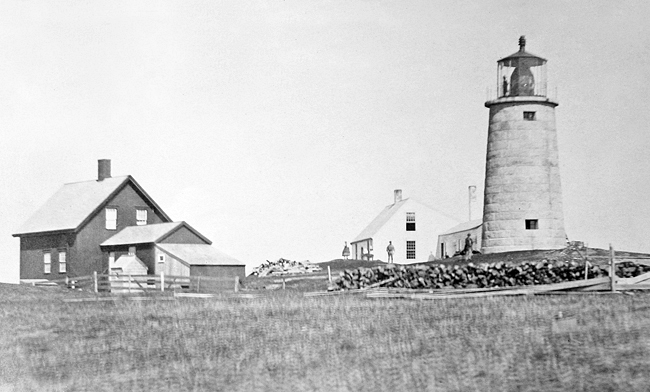
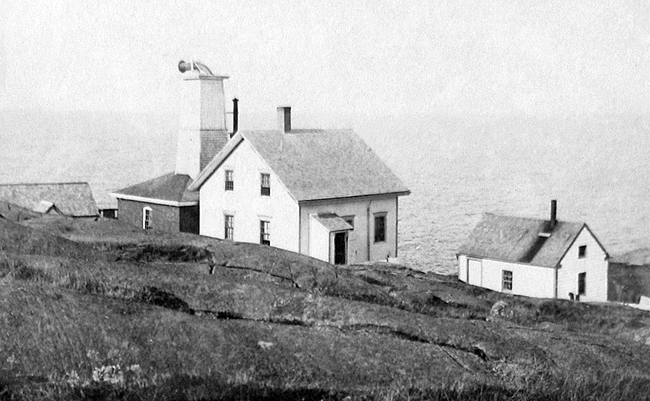
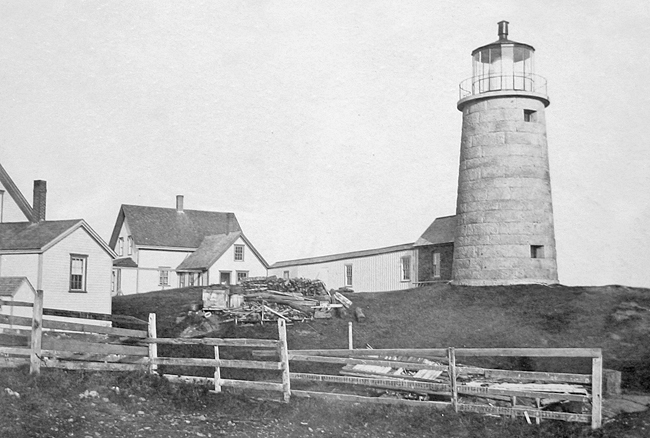
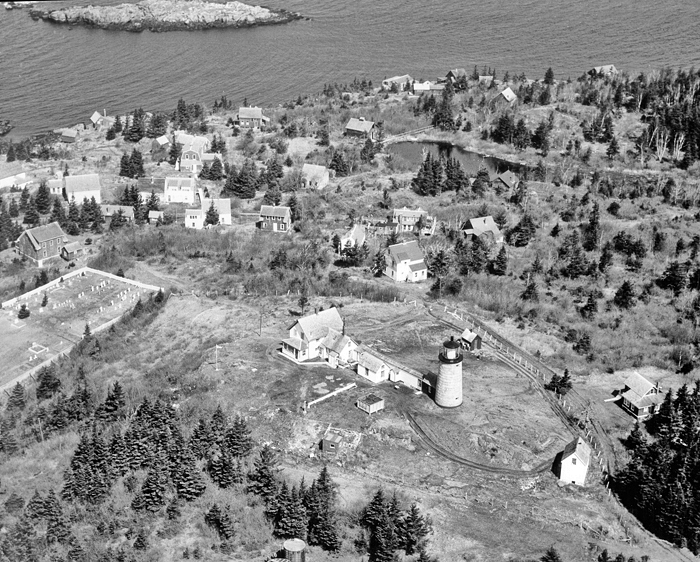
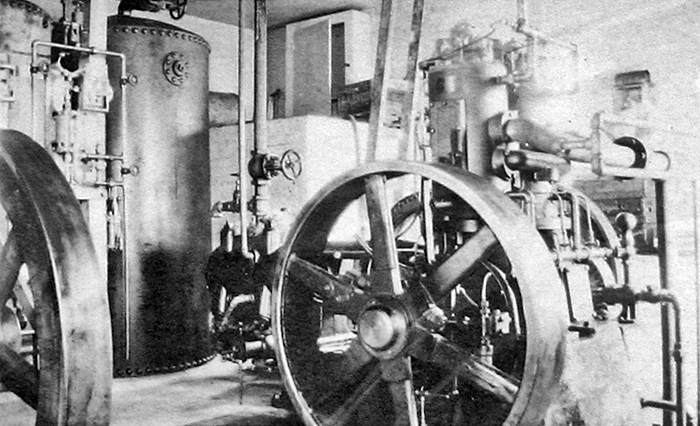
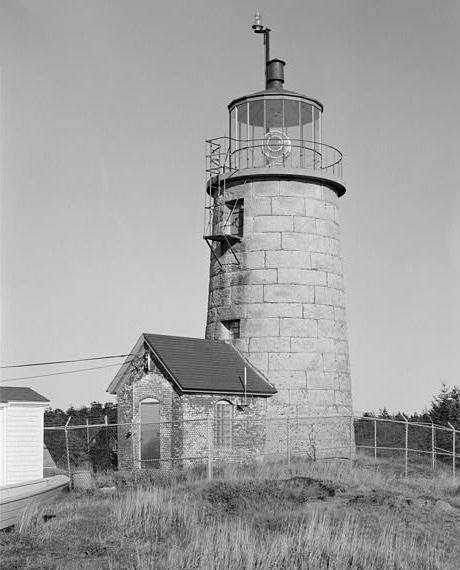
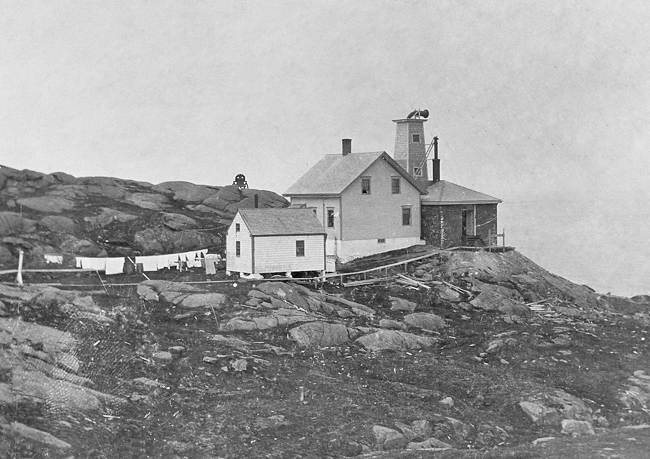
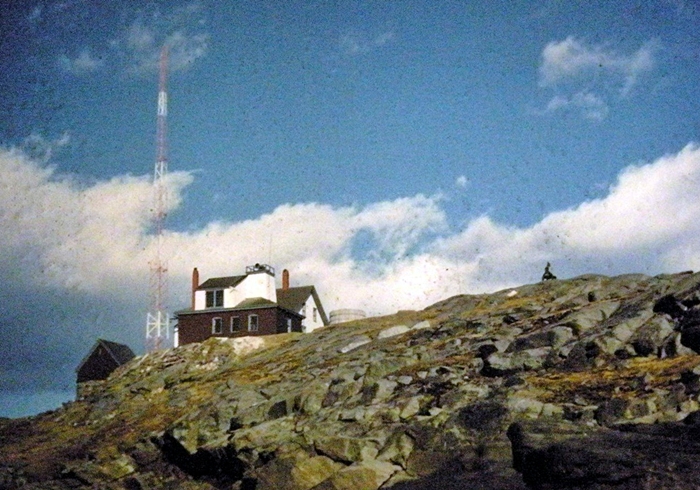
Photo Gallery
Photo Gallery
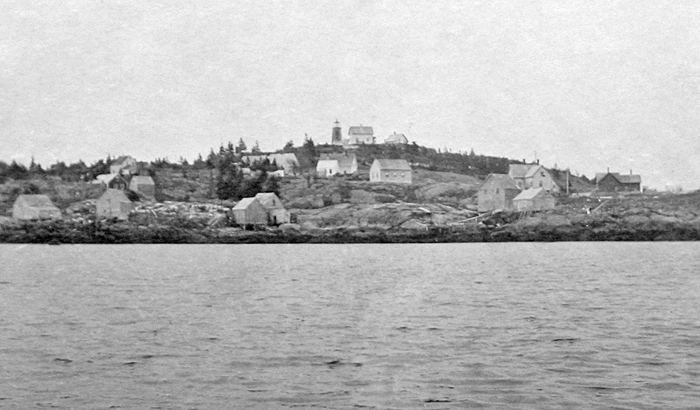
Monhegan Island has a long and incredible history of being the first stop for many mariners approaching the Maine coast. Strange runic scripts found on rocks on nearby Manana Island offer evidence that the area may have been visited by ancient Phoenician mariners, or possibly the Vikings. There is also a legend that the Irish monk St. Brendan stopped at the island in 565 A.D. In more modern times, George Popham landed on the island in 1607 with his colonists, and by 1614 Monhegan had a thriving settlement. During the War of 1812, island residents witnessed a skirmish between the British brig Boxer and the Yankee privateer Enterprise, during which the British ship was captured and the captains of both vessels were killed.
|
Monhegan Lighthouse displayed alternating red and white flashes and was the first colored light in Maine. This was accomplished by placing five lamps on one side of a revolving chandelier, and an additional five lamps, displayed behind sheets of red glass, on the opposite side. The only problem, however, was that the chandelier was off-balance due to the weight of the red glass, making it hard to rotate. To rectify the situation, the keeper hung a twenty-four-pound cannon ball on the side opposite the red panes, and the chandelier revolved just fine.
Keeper Samuel Albee was placed in charge of the light in 1841, and after a year at the light, he felt the need to bring some matters to the attention of his superiors. First, he wanted to be reimbursed for having to purchase a porch and woodshed for $200 from a former keeper, as these structures were essential for the protection of the dwelling and the station’s wood supply. Second, Keeper Albee felt he deserved a raise:
The salary for keeping Monhegan light is three hundred and fifty dollars, which is as low as any light keeper has in shore, (if I am rightly informed.) Consider the difference between the light and one situated on the main land. On the main, they can get their supplies either by land or water, but it is otherwise with this light, situated, as it is, twelve miles from the nearest point of main land, and eighteen or twenty miles to the nearest place where I can purchase provisions; and this distance is not across a bay or harbor, but on the ocean, exposed to as high winds and seas as roll on the Atlantic Ocean and I have no boat furnished by Government, except a small skiff, thirteen feet keel, fit for nothing but to go a small distance from the island in clear weather. Each time I have received my supplies, I had to charter a vessel to go after them, which cost me from ten to twenty dollars twice a year, or else pay an extra freight to have them brought to me. My second reason why my salary should be raised is the amount of labor to be performed. You are aware that this is a revolving light, which is revolved by a brass clock work, and it is as much more work to tend the revolving apparatus (and much more in winter months) as it is the lights. If, sir, your clock stops in the dead hour of the night, you can let it remain till morning; but it is otherwise with the revolving light; if the clock stops, the public are all concerned; besides the lives of men are in jeopardy; and be it remembered that the least possible obstruction, either by cold or the heaving tower, will stop the clock. It is therefore the duty of the keeper to watch his lights (especially in winter) with the utmost vigilance; and it often happens that the keeper is obliged to turn out through a long winter night, and turn the lamp frame by hand – all this for the same compensation that is given to the keeper of a fixed light on the main land.
|
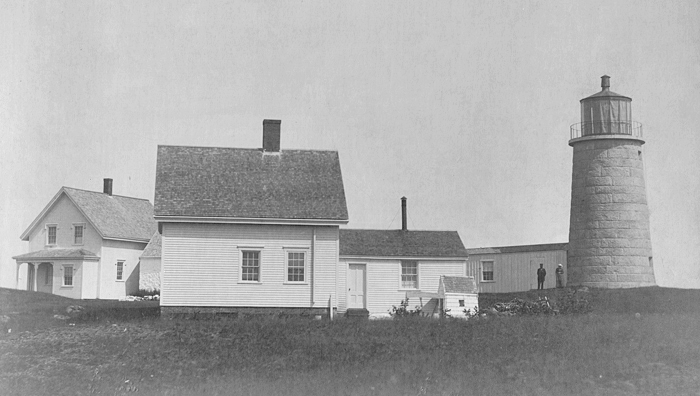
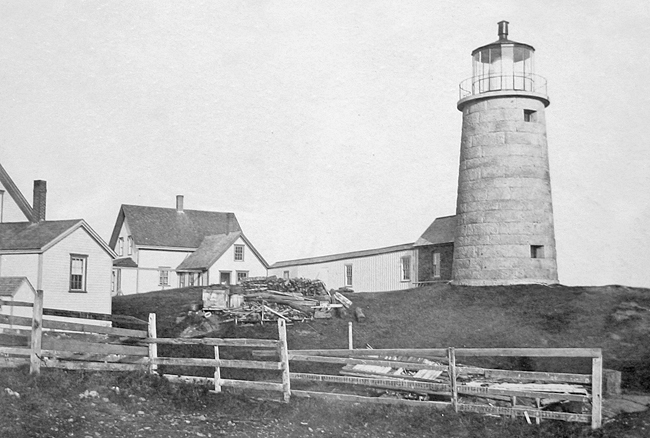
The new tower was originally outfitted with fourteen lamps set in twenty-one-inch reflectors, but in 1857, the light was greatly improved through the installation of a revolving, second-order Fresnel lens. The lens had eight faces, each with a bull’s-eye prism, and rotated on eight brass chariot wheels through the use of a weight-driven, clockwork mechanism. As it rotated, the lens produced a 5.6-second, white flash every minute. Later on, the rotation speed was doubled to produce two flashes per minute. A frame dwelling for an assistant keeper was added to the station in 1857 and occupied that year by David N. Bond.
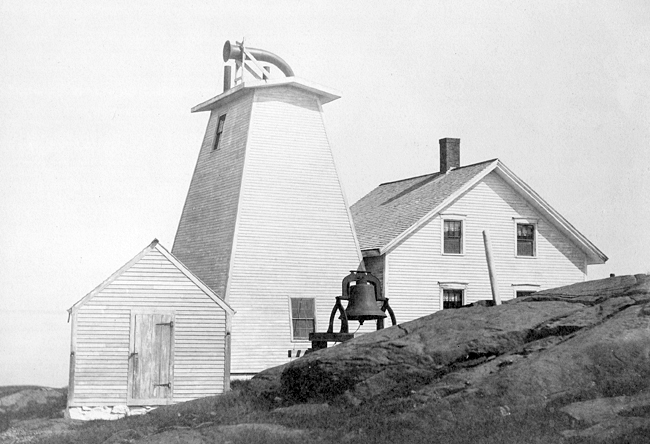
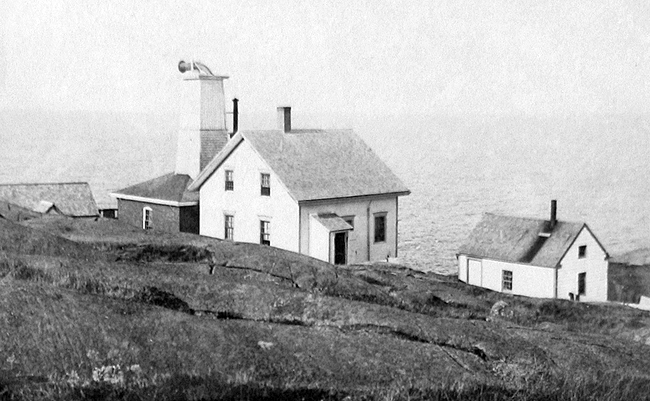
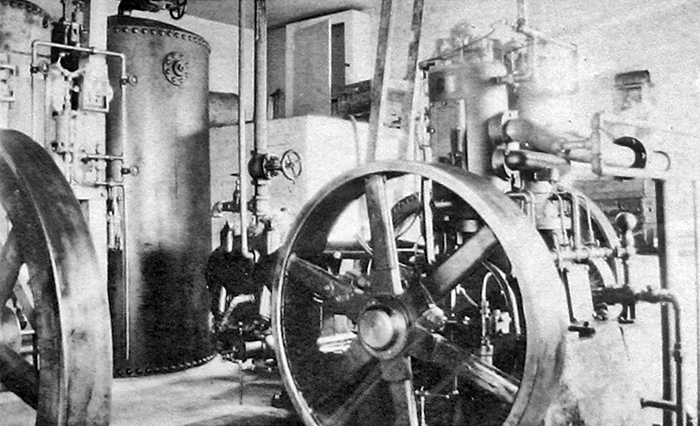
In response to pleas from mariners, a fog signal station was established on small Manana Island, just west of Monhegan, in 1855. An assistant was added to Monhegan Lighthouse to look after the fog bell, but he resided on Manana Island. A ten-inch Daboll trumpet replaced the station’s original 2,500-pound fog bell in 1870. Two years later, the trumpet was removed to Portland Head, and a steam fog-whistle was installed on Manana Island. Finally, in 1877 a first-class Daboll trumpet was installed on Manana Island, and a telegraph wire was extended from the fog signal keeper’s dwelling to the lighthouse on Monhegan. This allowed the lighthouse keepers, who were required to always have someone on watch, to ring an electric gong to wake the keeper on Manana when fog rolled in during the night. In 1876, the fog signal station was separated from Monhegan Lighthouse, and Frank E. Adams, the assistant keeper serving at the fog signal at the time, was made a head keeper. An assistant keeper was added to Manan Island Fog Signal Station in 1895.
On March 29, 1861, Joseph F. Humphrey took over as head keeper of Monhegan Island Lighthouse. Joining him on the island were his wife, Betsy, and eleven children. Just weeks after the family’s arrival, the Civil War broke out, and two of Humphrey’s sons, Albert and Edward, joined eleven other island residents in volunteering for service in the Union Army. Keeper Humphrey became gravely ill later that year and passed away on December 5. Betsy Humphrey, with the help of a son and Assistant Keeper Elisha B. Davis, took charge of the light and was formally appointed keeper of the light the following April.
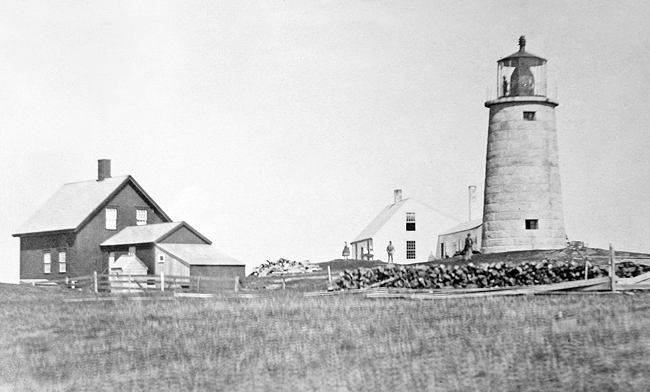
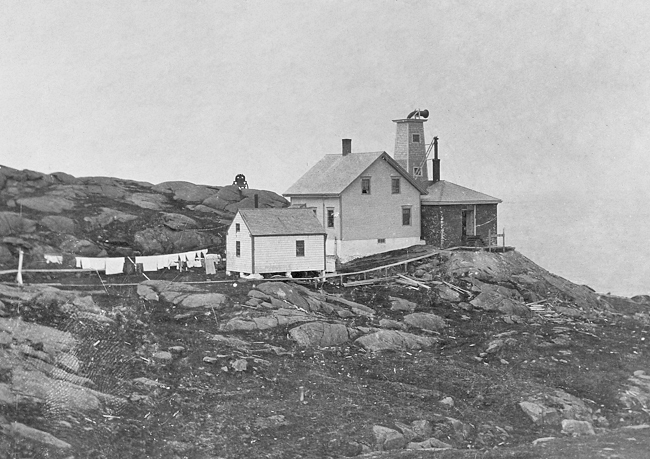
In 1864, Betsy received word that her son Albert had been killed in battle. Edward was wounded in the war and returned home to help her mother at the lighthouse. The family did receive some good news in 1874, when the government provided $5,000 for the construction of a two-story, frame addition to the 1824 stone keeper’s dwelling. At the same time, the covered walkway linking the head keeper’s dwelling to the tower was rebuilt. Betsy Humphrey resigned as keeper in 1880, but the Humphrey association with Monhegan Lighthouse was to continue as the new head keeper, Sidney G. Studley, was Betsy’s son-in-law, and the new assistant keeper was Betsy’s son Fred.
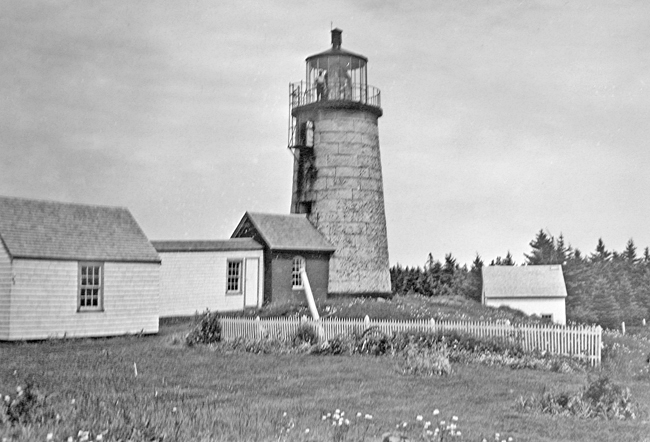
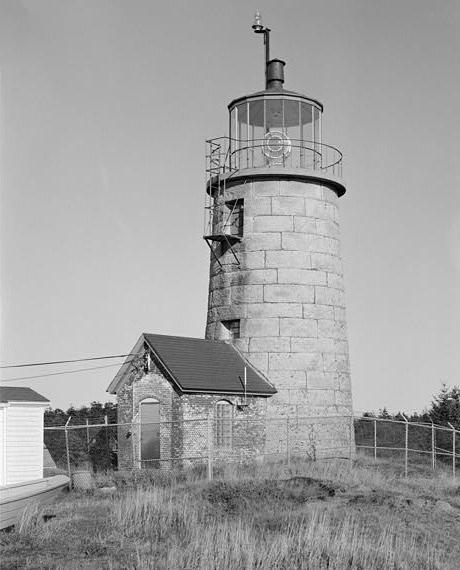
The original stone portion of the head keeper’s dwelling was razed in 1892 and replaced with a frame ell, measuring seventeen by twenty feet, that attached to the frame addition built in 1875. The brick service room adjoining the tower was also erected in 1892. The position of assistant keeper at the lighthouse was eliminated in 1922, and the assistant keeper’s dwelling was pulled down, even though the owner of the adjacent land had offered to purchase the structure.
|
In 1959, steps were taken to automate Monhegan Island Lighthouse. The Fresnel lens, which had been in service for just over a century, was dismantled and replaced by a DCB-36 revolving aerobeacon. (The fate of the Fresnel lens is not known, though many believe it was likely destroyed.) Coast Guard personnel on Manana Island could activate the modern beacon through cables that were laid across the harbor to link the two stations. The last keeper left Monhegan Island Lighthouse in early 1960, while the fog signal remained staffed for several more years.
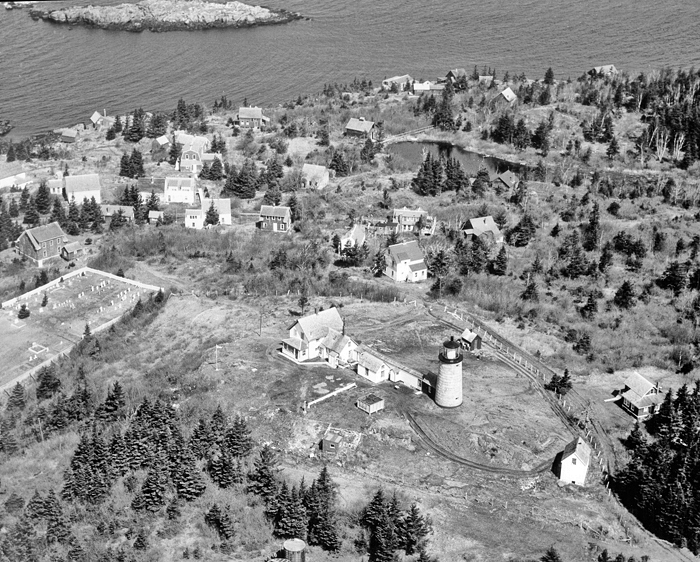
The Monhegan Associates, founded in 1954 by Theodore Edison (the youngest son of Thomas Alva Edison) to help preserve wildlands on the island, led a campaign to establish a museum in the vacant keeper’s house and other structures. In 1962, the Associates purchased the buildings, and six years later opened a museum that has continued to expand in size and popularity ever since. Monhegan Associates acquired the fog bell used on Manana Island in 1969, and in 1972, a helicopter was used to relocated the bell to Lighthouse Hill. The bell now hangs from a stanchion on a permanent base near the lighthouse.
The Associates created a new, separate organization in 1984 called the Monhegan Historical and Cultural Museum Association for the sole purpose of owning and administering the museum. The lighthouse tower itself was deeded to the Museum Association in 1998, though the Coast Guard still maintains a light in the lantern room. This move allowed the chain-link fence surrounding the tower to be taken down and the tower opened to the public.
In the 1990s, the museum was in need of additional display space, so it decided to rebuild the assistant keeper’s dwelling. Using old photographs and drawings, the dwelling was reconstructed in 1997 on its original site and now houses a different art exhibit each season. The lighthouse and associated buildings, which themselves are historic, help visitors understand and experience the unique history of Monhegan Island.
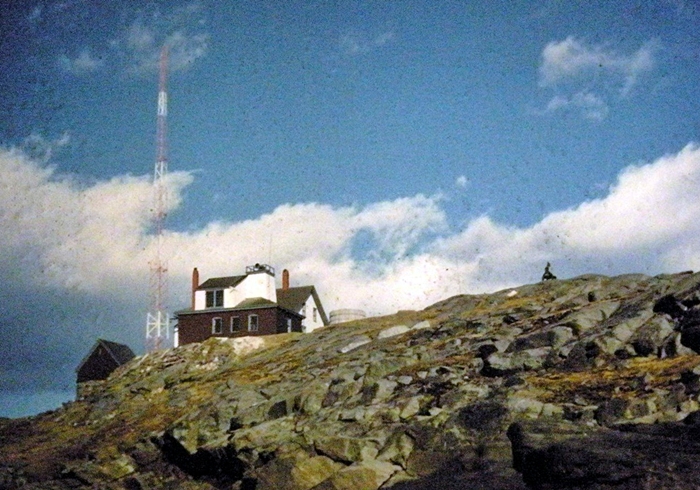
In 2013, Manan Island Fog Signal Station, which included the 1855 keeper’s dwelling, and the 1889 brick fog signal house, was auctioned off by the General Services Administration. Seven bidders participated in the auction, which closed on July 9, 2013 with a high bid of $199,000. The station was originally placed on the auction block in 2012, but that auction was postponed after the Coast Guard announced it was considering discontinuing the fog signal on the island which would allow them to include more land in the sale.
Keepers:
Manana Fog Signal Keepers:
References