Great Duck Island, ME 
Select a photograph to view a photo gallery
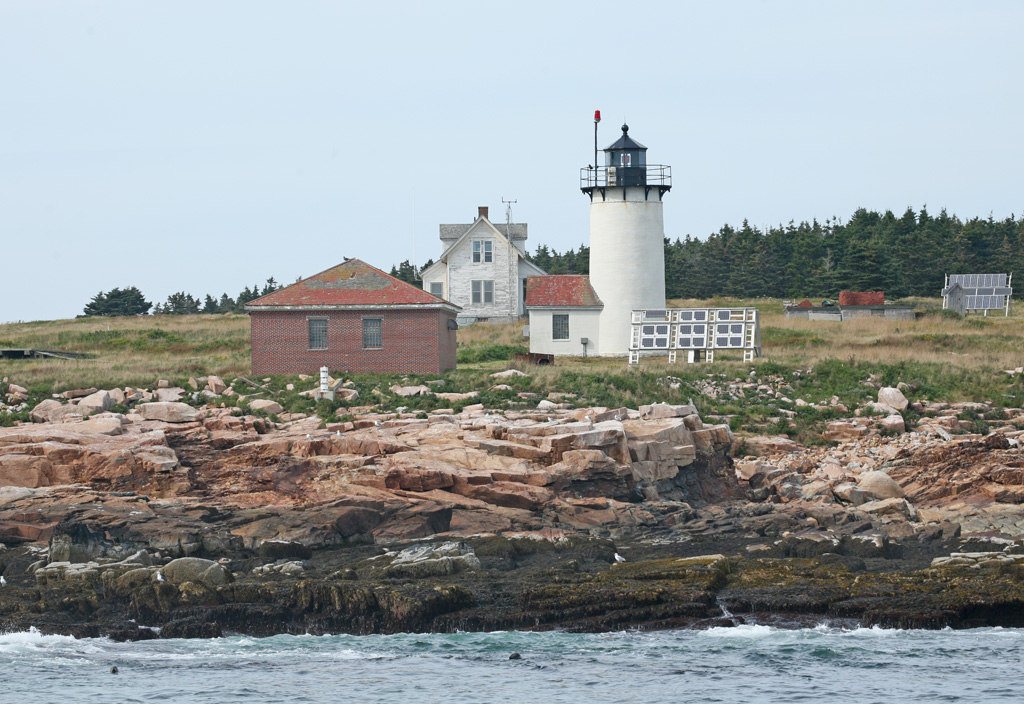
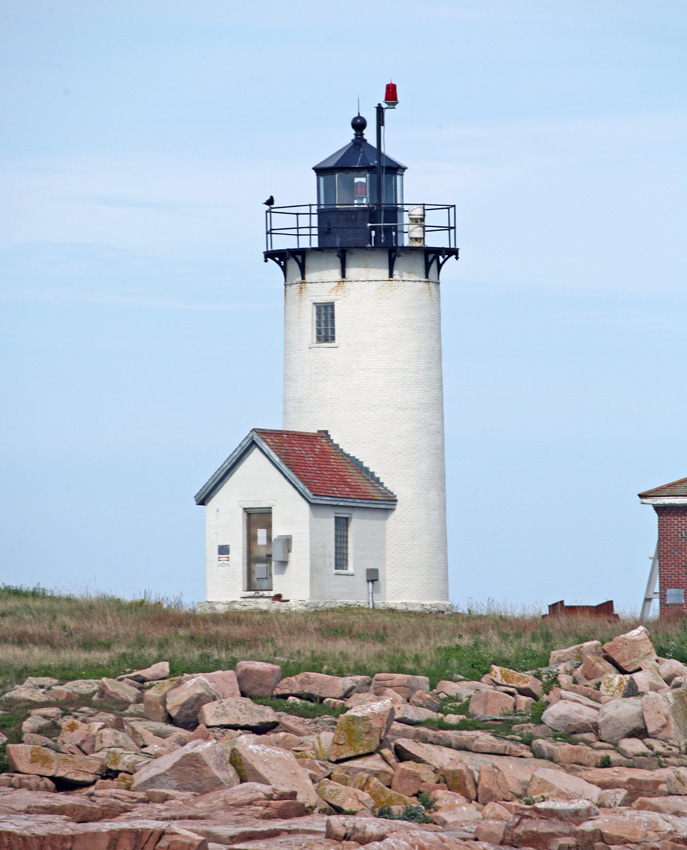
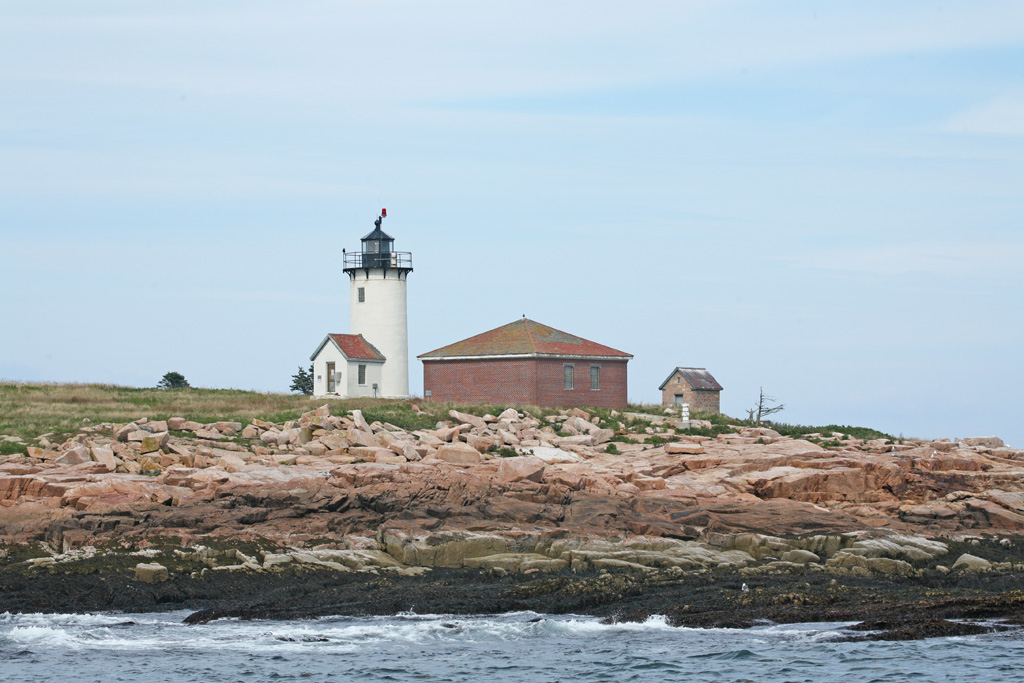
Photo Gallery
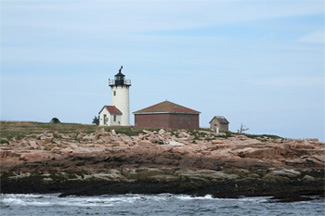
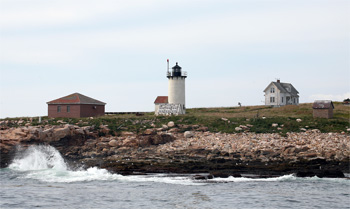
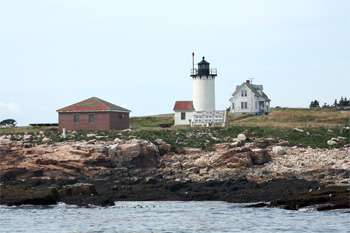
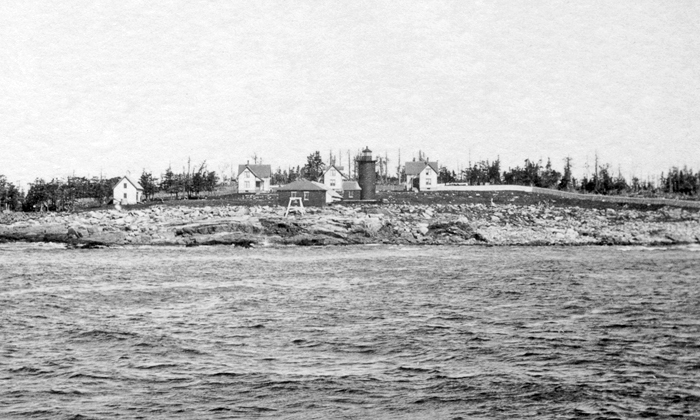
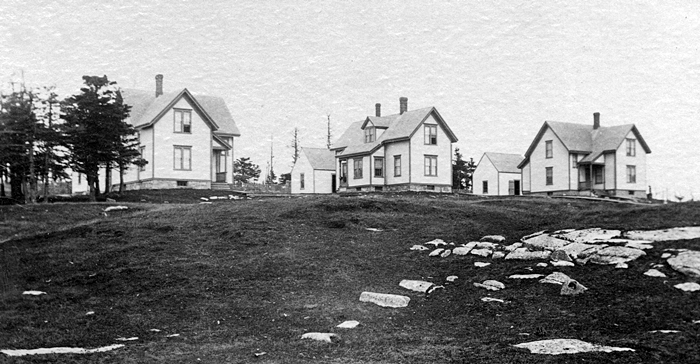
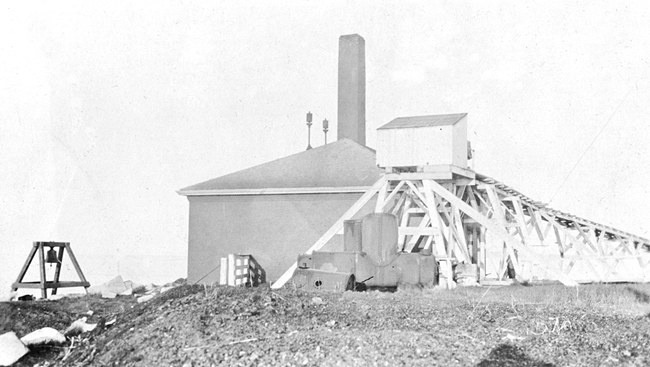
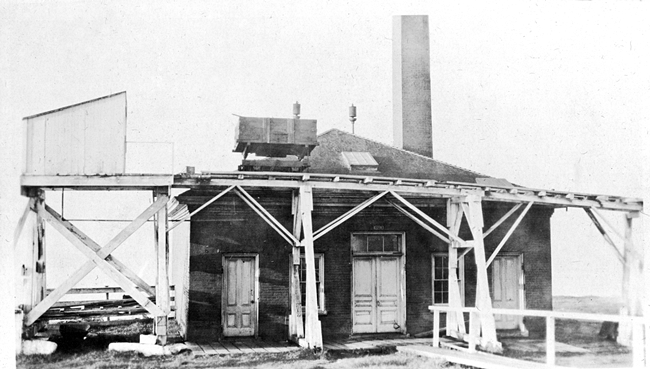
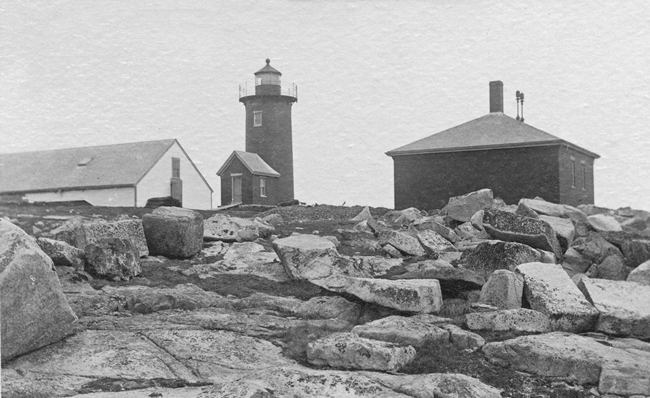
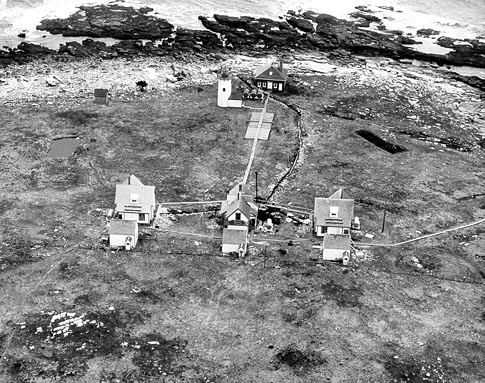
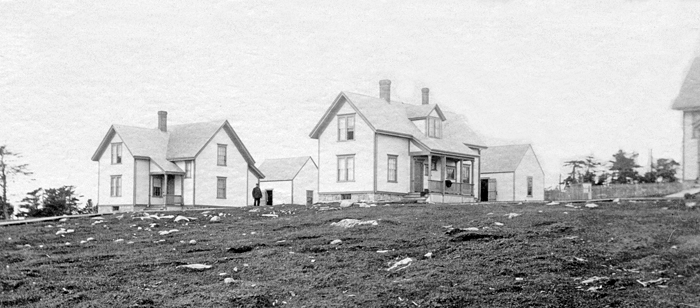
Photo Gallery
Photo Gallery
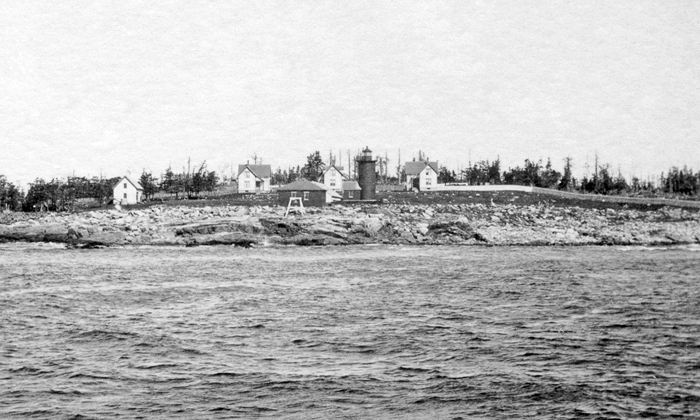
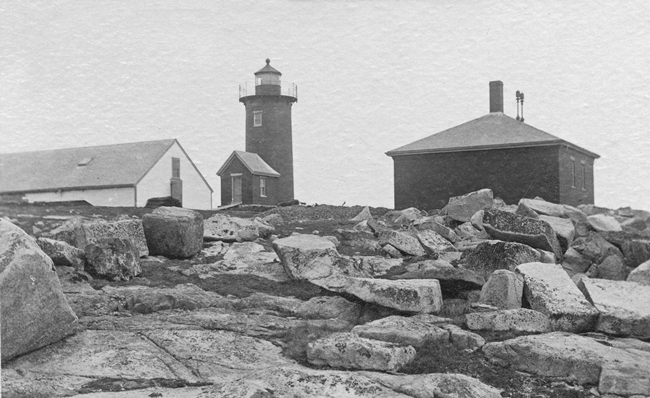
The light was placed in operation on December 31, 1890, using a fifth-order lens that produced a red flash every ten seconds. The tower’s daymark was red, until May 20, 1900, when it was painted white. The intensity of the light was increased in 1902 with the installation of a fourth-order, Barbier, Benard & Turenne lens, but the light’s characteristic remained the same.
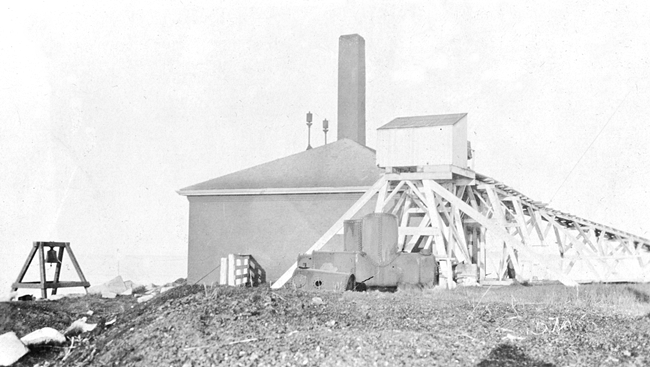
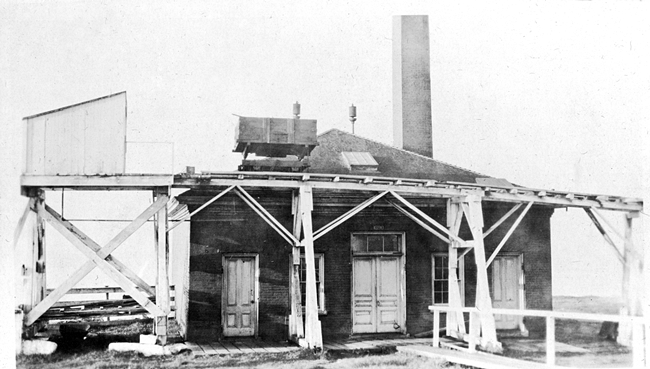
While some light stations didn’t have a fresh water source, Maine’s intense summertime fog made fresh water absolutely indispensable at Great Duck Island —a steam fog whistle couldn’t run without fresh water, or at least not for long. An arrangement for supplying the boilers with salt water in case of emergency was added in 1902, along with an additional cistern to prevent such emergencies. A 1,200-pound fog bell was rung by hand while steam for the whistle was building and in case the foghorn became inoperative.
Many notes in the Lighthouse Board’s annual report for Great Duck Island refer to its fog signal. The number of hours the whistle sounded and the amount of coal used were meticulously noted and varied from a low in 1896 of 1,071 hours and 47 tons to a high in 1897 of 1,542 hours and 60 tons. William Stanley, the station’s first keeper, told a reporter that the foghorn had once sounded for thirteen days straight. Given that all those tons of coal had to be hauled by wheelbarrow from a boat dock to the fog signal, the addition of a coal tramway in 1902, and the installation of a little railway in 1906, must have been dreams come true. A diaphone fog signal replaced the steam whistle around 1930.
Another dream come true for assistant keeper Nathan Adam “Ad” Reed was the opening of a school at Great Duck Island. Ad gave up his position as a ship captain so he could spend more time with his wife Emma and their sixteen children. Getting approval for the school was difficult, but he fought to keep his family together. At one point, Renay Reed, one of the Reed girls, became the school’s teacher after earning her teaching certificate in Castine. To create a school, a disused barn was altered and outfitted with a wood stove, homemade desks and chairs, and blackboards for eighteen students—fourteen Reed children, two from another keeper, and two from the north end of the island. The Reed family was likely the largest ever known in the Lighthouse Service.
|
For fun, Dalton would play checkers or other games. One winter, Dalton and his brother were playing hide and seek in the kitchen in the dark when they heard a strange noise “and looked out the window and saw these white forms.” The boys ran and told their father “that something white was coming through the gate and it was making an awful noise…. About the time he got to the door, these ghosts rapped at the door.” A boat had broken down and two fishermen had been forced to row a long time through flying spray and vapor. “They were nothing but a solid bed of ice. We took them in and got their clothes off them. The noise we had heard was them walking with frozen oil skins.”
“My father used to buy flour in the fall,” Dalton remembered. “Twelve to fourteen barrels of flour would last us the winter. They were all brought out at one time by boat and the government would furnish so much. We also brought crackers and different types of cereals. We used a lot of molasses. We didn’t eat much meat but we did have plenty of nice fresh fish and lobster.” Dalton would spearfish for flounder and use a hook for cod, haddock, and pollock. “We used to dry the fish. We would salt them down over night.... I used to like dried fish when it became cheesy; that is, after the maggots and worms had been at it. We would put pepper on the maggots to kill them.”
Everyone in the family had chores. “My mother was the doctor, seamstress, cook and cleaner,” said Dalton. “My father would lobster, fish and repair all the shoes for the family.” Dalton’s father shared responsibilities for lighthouse keeping during much of his time on Great Duck Island with William Stanley and Captain Joseph “Joe” Gray.
In a 1938 interview, Captain Gray said that he began as a keeper before there were telephones, radios, and regular mail deliveries, and those on the island could long be isolated due to storms. Gray started as an assistant at Great Duck before becoming head keeper eight years later in 1909. “I remained 18 years at this station and enjoyed every minute of the time I spent there,” said Captain Gray. “We planted a garden every spring, and there were plenty of berries for canning on the island. When I first went there we used a sail boat, but later a motor boat was assigned to the station. During the World War, eight navy boys were stationed on the island to look out for enemy submarines, and we boarded the men at the lighthouse. These lads sighted no subs, but they certainly had a happy, carefree life while they remained on the island.”
On September 15, 1931, the fishing schooner Rita A. Viator struck rocks near the station with a heavy sea running. As the vessel was being pounded to pieces, Keeper Andrew H. Kennedy and his two assistants, Earle E. Benson and Leverett S. Stanley, sprang into action and rescued the schooner’s captain and crew. Secretary of Commerce Robert P. Lamont sent special letters of commendation recognizing the keepers’ adherence “to the traditions of the Lighthouse Service.”
|
Great Duck Island is estimated to support a whopping twenty percent of Maine’s seabird population; the island earned its appellation in the 1700s from its pond that attracted numerous ducks. The island’s avian life has shaped its history and managed to live in harmony with the light station and its keepers.
When it was recognized in the late 1800s that the hat trade’s use of feathers and the eating of birds and their eggs were driving some species to extinction, the American Ornithologists’ Union sought to protect the birds by passing legislation and deputizing lighthouse keepers. The April 1900 issue of the Union’s The Auk noted: “The Union has always found the U.S. Lighthouse Board very heartily in sympathy with the work of bird protection….” The same issue mentioned that the Lighthouse Board had “issued special orders to the light keeper [William F. Stanley] at the Great Duck Island Light Station, Maine to prevent the destruction of the colony of Herring Gulls that live on that lighthouse reservation.” In another issue of The Auk, Keeper Stanley told a writer that Indian hunters “claimed to have killed, on the two Duck Islands, during the year 1899, at least twenty-eight hundred gulls.”
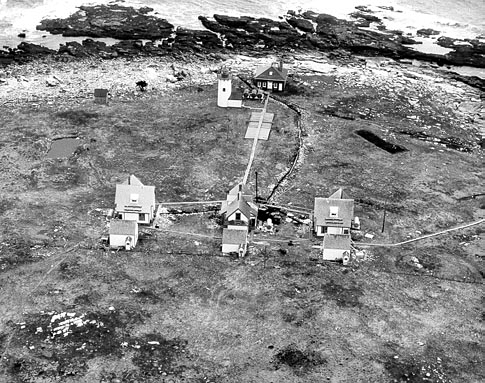
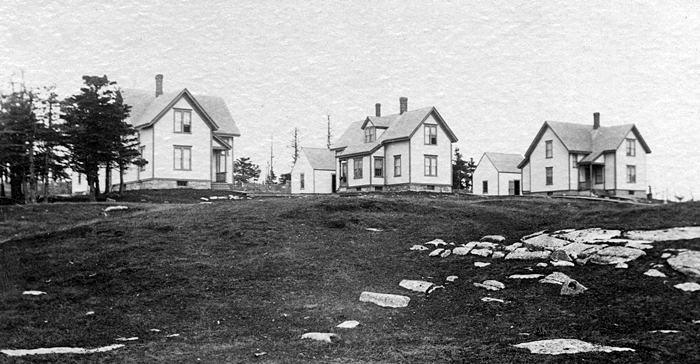
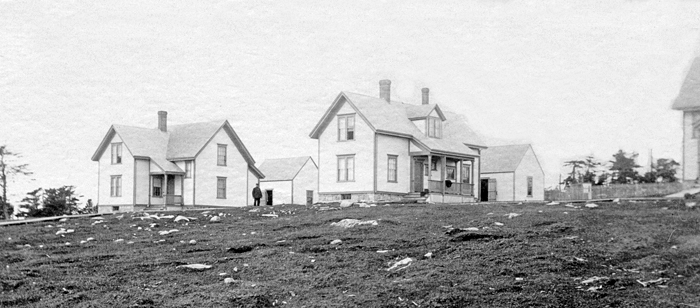
In 1984, the Maine Chapter of the Nature Conservancy purchased most of Great Duck Island. After Great Duck Island Lighthouse was automated in 1986, the Coast Guard destroyed all but one of the keeper’s houses, as well as most of the outbuildings.
In 1998, the roughly twelve acres encompassing Great Duck Island Lighthouse became the property of Bar Harbor’s College of the Atlantic (COA) under the Maine Lights Program. Today, Great Duck Island serves as a biology, ecology, and wildlife study center for COA. Fortunately for the birds and unfortunately for lighthouse lovers, the island is closed to visitors from spring to mid-fall. COA has been a good steward of the station, having spent over $120,000 for restoration and maintenance. The remaining keeper’s dwelling is staffed by COA faculty and students for much of the year.
Keepers:
References