Rondout Creek, NY 



Select a photograph to view a photo gallery
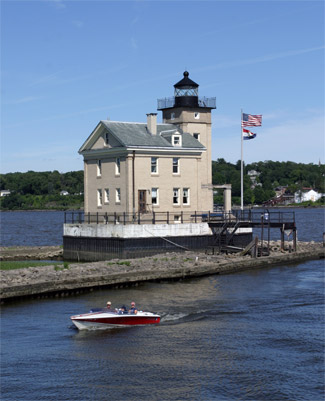
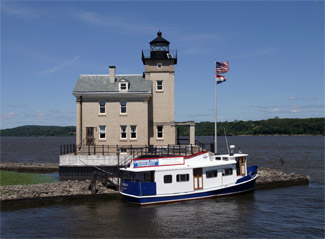
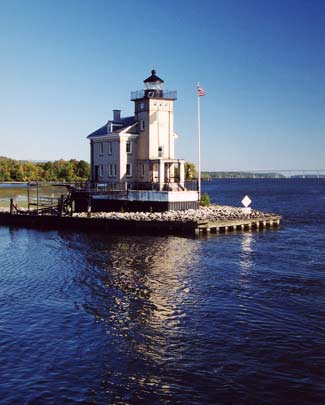
Photo Gallery
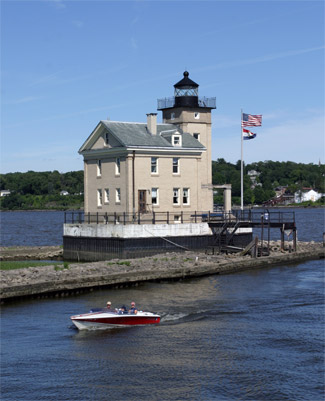
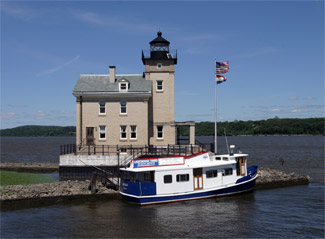
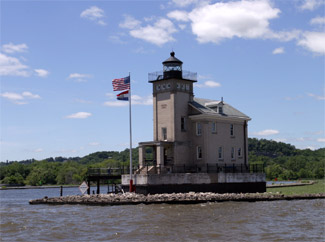
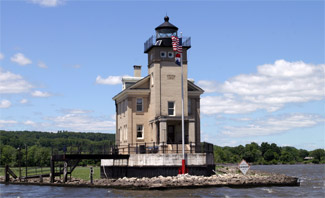
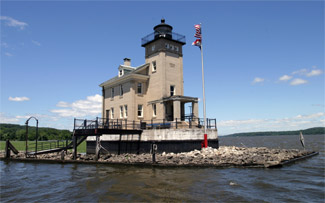
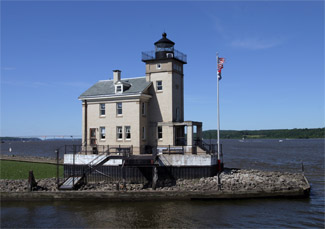
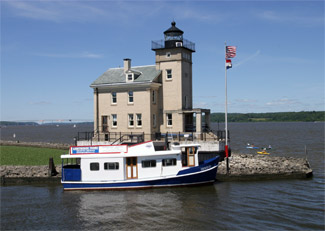
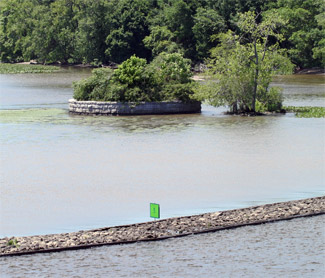
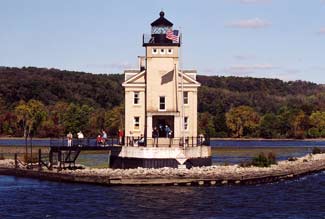
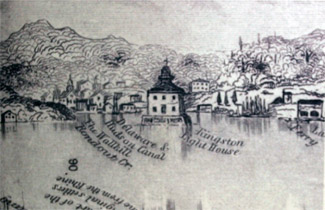
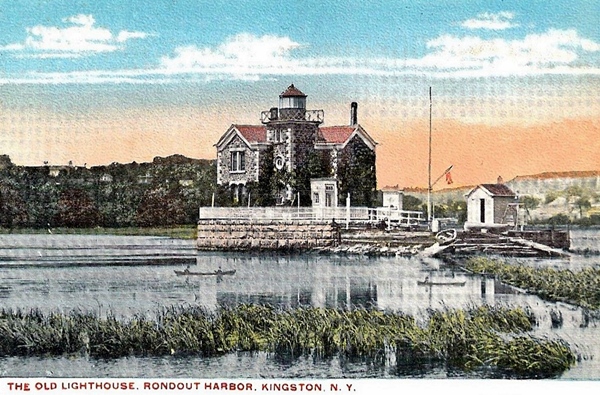
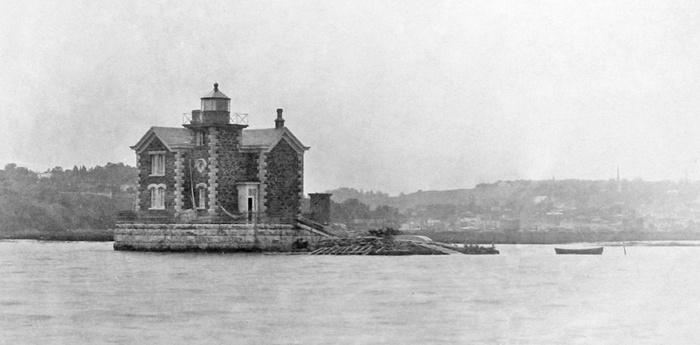
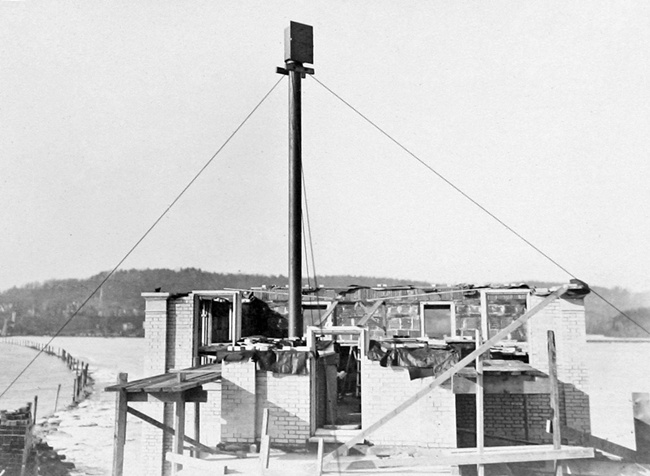
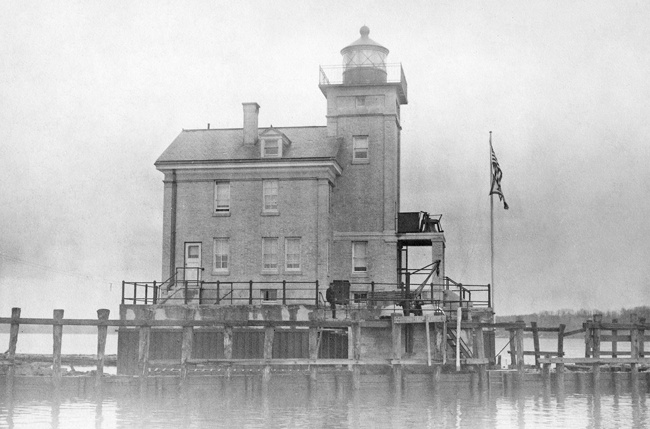
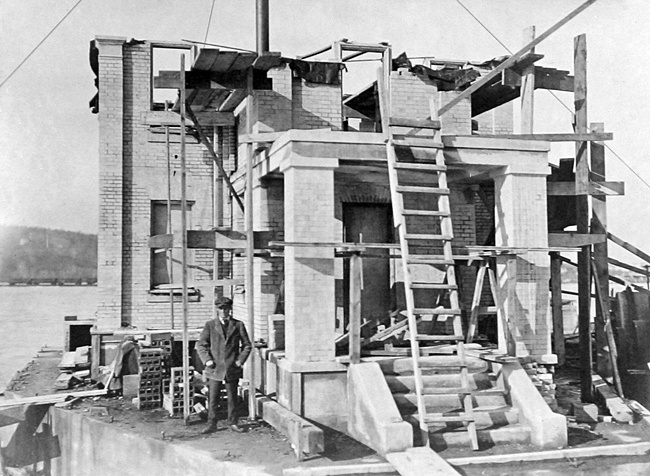
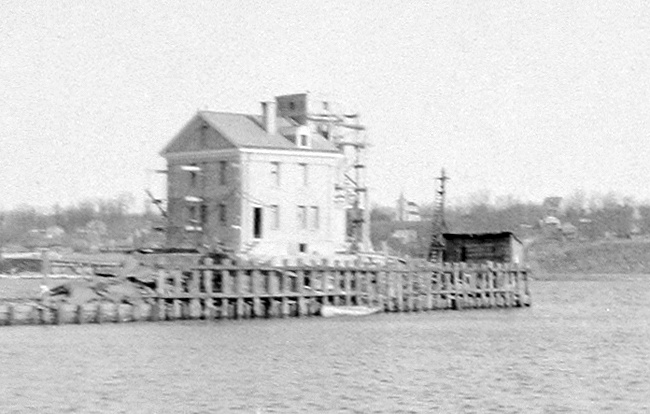
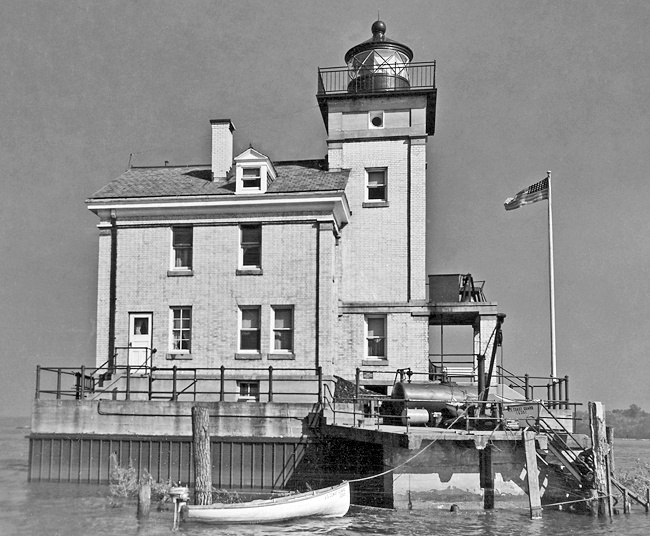
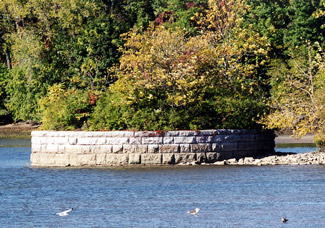
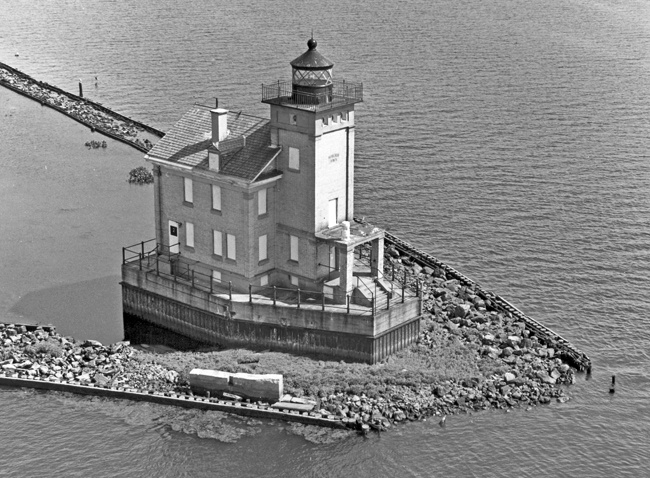
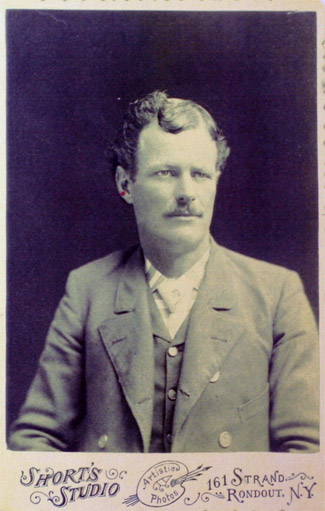
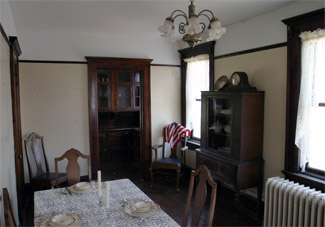
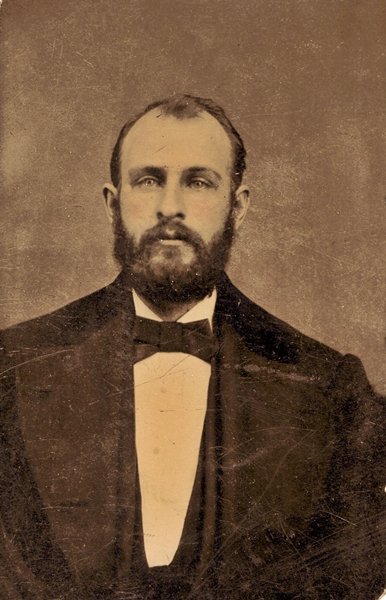
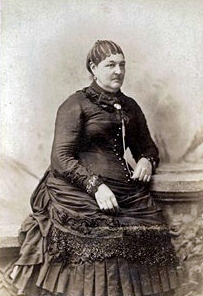
Photo Gallery
Photo Gallery
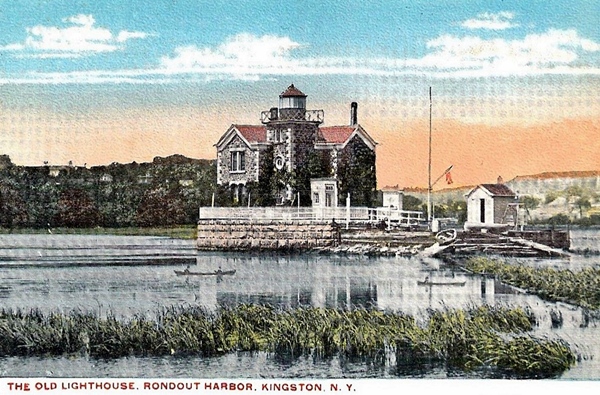
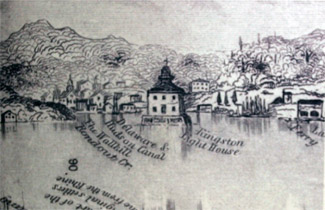
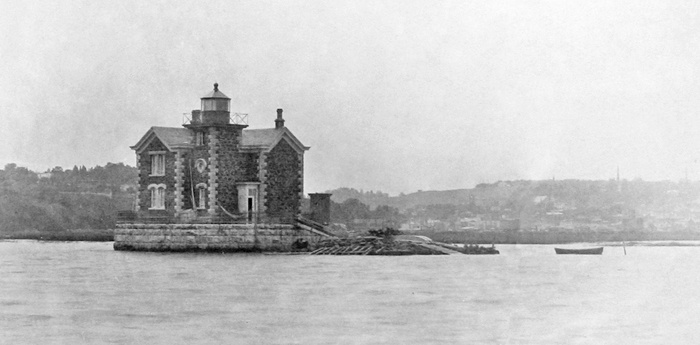
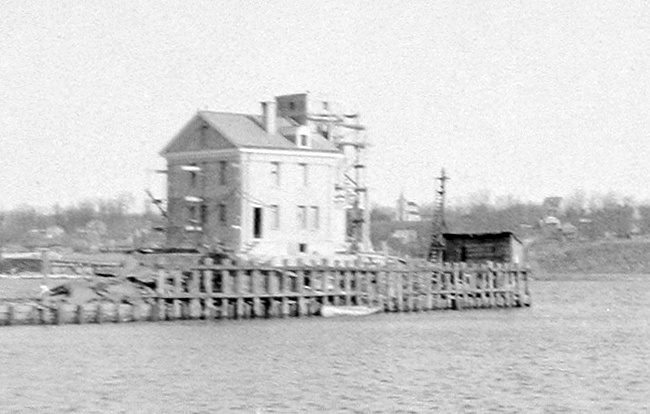
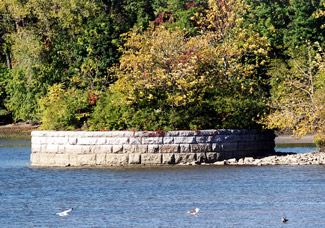
The first lighthouse to mark the confluence of Rondout Creek and the Hudson River was established in 1838 on the south side of the creek, warning mariners of the shallow tidal flats surrounding the creek’s mouth. This wooden structure was built atop a ten-foot-tall, forty-two by fifty-foot pier at a cost of nearly $5,000 and consisted of a frame dwelling topped by a tower. Seven lamps with parabolic reflectors originally showed a light in every direction, but by 1850, when Josiah Warner was keeper, the number of lamps had been reduced to four. In 1855, a 300° Fresnel lens and a single Argand lamp replaced the five lamps and fifteen-inch reflectors that were then being used in the lantern room.
|
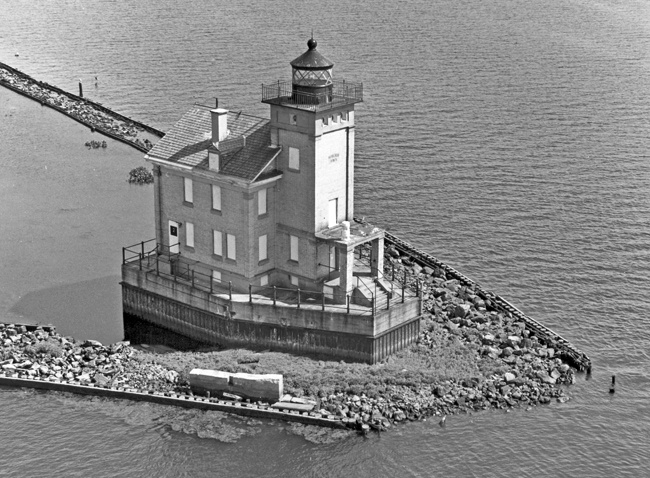
In 1869, the government surveyed the harbor at Rondout Creek, which had a depth of just seven feet, and recommended that two parallel dikes be extended into the Hudson River in order to create a one-hundred-foot-wide channel with a depth of fourteen feet. Work on the dikes began in 1872 and was completed in 1880 at a cost of $90,000. The north dike measured 2,200 feet in length and had a branch running up the Hudson River for 1,000 feet to protect the work from running ice. The south dike was 2,800 feet long and had a 330-foot spur connecting it to the lighthouse. In 1880, three stake lights were established to mark the new dikes. A light was placed at the extremity of each of the two dikes, and a third light was placed at the bend in the north dike, just a short distance from the mouth of the creek.
Congressman George W. Fairchild introduced a bill in Congress in 1908 asking for funds to construct a new lighthouse at the mouth of Rondout Creek. This bill was prompted by a petition signed by local river boatmen, who desired a fog signal at this important junction and felt that Rondout I was too far inshore to properly mark the dikes.
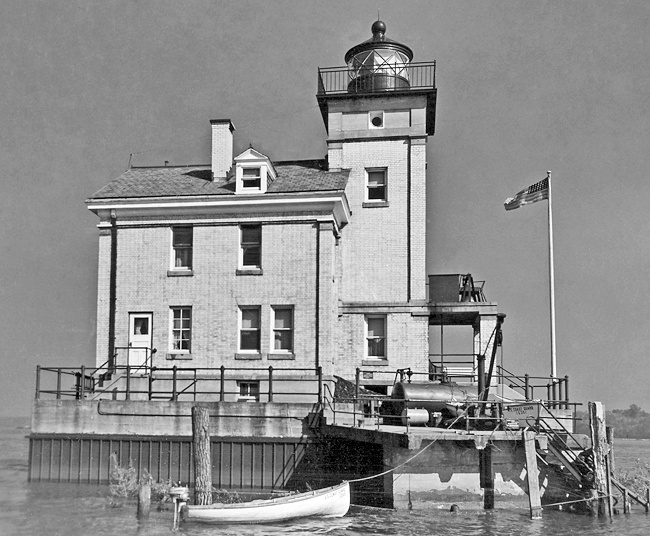
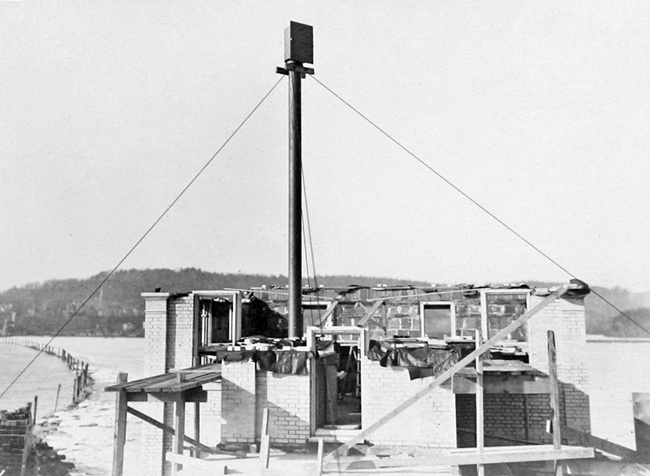
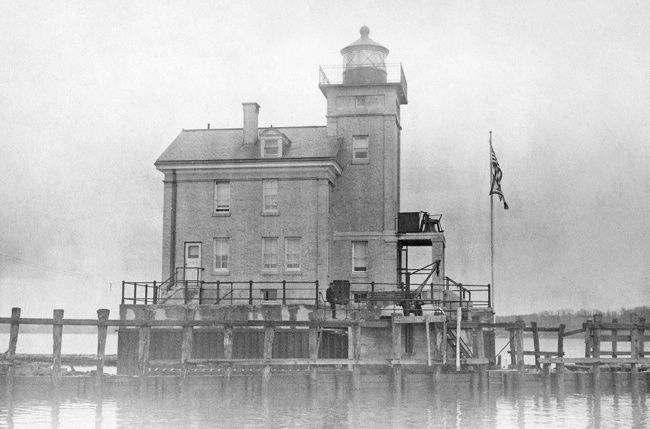
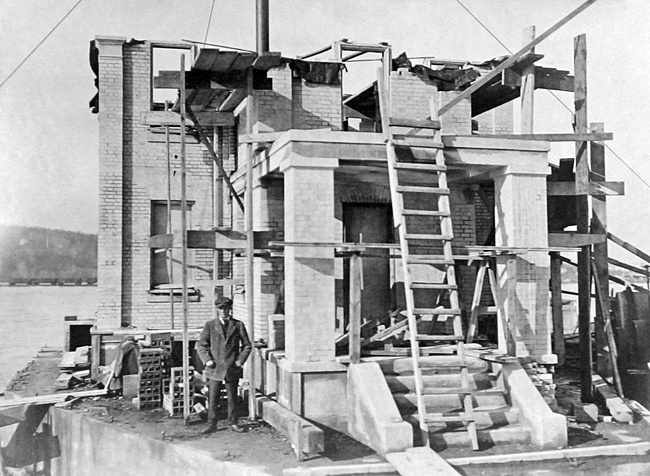
On March 4, 1911, Congress appropriated $40,000 for establishing a light and fog signal station to more effectively mark the outer ends of the dikes at Rondout Creek. Work on this new two-story yellow brick lighthouse, dubbed Rondout II and located at the end of the north dike, began in March 1914 under the direction of L.H. Bannon Plumbing & Heating Construction Co. The lighthouse, which is the newest on the Hudson, was placed in operation on August 25, 1915 and cost $33,575.81. The lighthouse’s fixed red light was produced by a fourth-order Fresnel lens that had a focal plane of fifty-two feet, while its fog signal consisted of a 1,000-pound bell struck by a clockwork mechanism.
The foundation of the lighthouse consists of a reinforced concrete pier situated inside a steel sheet cofferdam and resting on wooden piles driven into the river bottom. A cavity in the top of the pier contained a cellar and cisterns for the lighthouse. Built of vitrified brick backed with hollow tile, the lighthouse consists of a square tower attached to a rectangular, two-story dwelling. The first floor of the lighthouse originally consisted of a sitting room, dining room, kitchen, and a large pantry, while three bedrooms and a bathroom were found on the second floor.
|
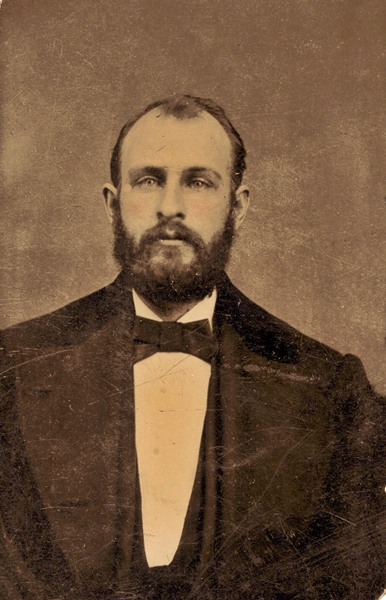
The George Murdock family served as keepers at all three lighthouses.
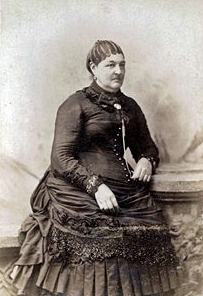
After having been employed at Sing Sing Prison, George Murdock came to the first lighthouse in 1856 with his pregnant wife, Catherine, and two small children, George and Emma. Roughly a year later, George drowned as he was returning home from picking up supplies from town. Catherine later recalled that event.
It was a sore time for me – no one to help, but the light – taking care of that as I had to – did help me to bear up. I kept on for a month after the funeral cleaning and tending both lights, and in the winter, after navigation had stopped, some good friends gave me letters and on I went to Washington with this big boy here (pointing to her son James, the present keeper of the lighthouse) just a baby in my arms.Catherine remained in charge of the light for fifty years, until her retirement in 1907, and served at both the first and second lighthouse.I wanted to be made lighthouse keeper at Rondout. At first the gentlemen at Washington told me it was impossible; the board didn’t employ women, and besides, there was my infant. But I said: “Gentlemen, I’m a-going to bring him up to be a lighthouse keeper, and where could he learn it so well as in a lighthouse, and who could teach him better, d’ye think, than his own mother who knows well how to care for the light.”
That settled all of ‘em. I could see by their faces they took in the strength of the argument. But nothing was done then and they told me to go on back home and keep up taking good care of the lights. I done it, but I was fearful they wouldn’t give me the light. But they did, and before navigation set in I was made the regular lighthouse keeper. Better even than that; along in April come a fine kitchen range, for I had told the gentlemen at Washington that was what I needed.
One morning, as she was working in her “waterborne castle” (as the locals called the second lighthouse), she was greeted by a schooner’s bow crashing through a first-floor window and gliding halfway through the room. The schooner had been crowded out by a tug and had nowhere else to go. Repairs were quickly made.
|
In August, 1907, eighty-year-old Catherine sent a letter to the district inspector tendering her resignation. “As the senior keeper in the service,” she wrote, “I trust you will pardon me for calling your attention to the application of my son James B. Murdock as my successor. He has assisted me for many years: at present, and for at least for the last eighteen years has chiefly performed my duties. To him is due largely the credit of successfully conducting the station, and he it is, who will provide me a home upon the termination of my duties. If you would recall that my son was born and brought up in the Rondout Light-House, knows no other home, which too would be very hard for him to part with. He is very desirous of my position, and I feel safe to say that he is fully qualified to perform all the duties and for his faithfulness none other can excel.”
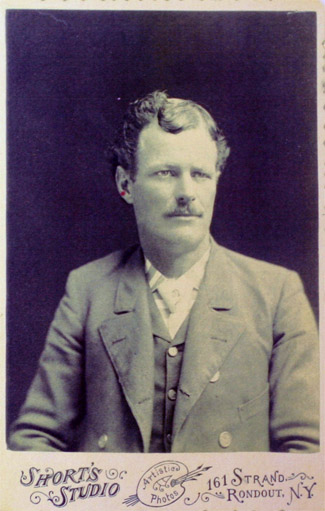
James B. Murdock, who had been serving as assistant keeper in 1880, replaced his mother as keeper in 1907. He served as keeper of both Rondout I and Rondout II, and the rescues he performed were often cited in the lighthouse service records. On May 12, 1912, Keeper Murdock rescued seven men from the wreck of the Geisha and cared for them during the night. The following year, he rendered assistance to three fishermen in distress. In 1915, Keeper Murdock assisted an exhausted swimmer, carried out of his course, and helped raise the sunken motorboat Natalie. When a Canadian seaplane had engine trouble in 1921 and was forced to land near the lighthouse, Keeper Murdock assisted its owner, Bishop Baker. The next year, Murdock rescued a man who had slipped off the dike into the icy creek and, after furnishing him dry clothing, rushed him ashore to receive medical treatment.
Besides his numerous rescues, Keeper Murdock was also awarded the lighthouse efficiency pennant on at least two occasions for having the model station in the district. The Murdock lightkeeping dynasty finally ended with James’ retirement in 1923.
Robert L. Howard kept the light from 1935 until he slipped and fell near the lighthouse in January 1945, while walking across the ice with a few other men to see the Coast Guard icebreaker anchored nearby. The men assisted Keeper Howard back to the lighthouse, but during the night his condition became worse, and he was taken to Kingston Hospital, where he died a few weeks later.
The last keeper, Herman Lange, who was quite popular among the locals, locked up the lighthouse when the light was automated in 1954. Warren Spinnenweber of Port Ewen monitored the light from land from 1954 until the 1990s.
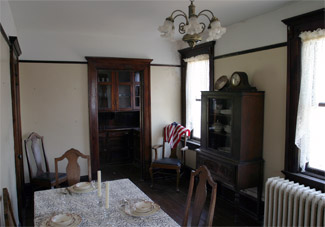
In 1984, the Hudson River Maritime Museum entered into a thirty-year lease with the U.S. Coast Guard and took charge of the structure. Through the collaboration of the museum and the City of Kingston, both the interior and exterior were restored between 1984 and 1988. The interior décor is representative of the 1930s.
Under the provisions of the National Historic Lighthouse Preservation Act of 2000, the City of Kingston received ownership of Kingston-Rondout Lighthouse on June 19, 2002, in a ceremony that included local and national political leaders and representatives from the National Park Service, America Heritage Rivers, and Hudson River Greenway. Daily operation of the lighthouse is managed by the Hudson River Maritime Museum, and boat transportation to and tours of the lighthouse are offered during the summer months when possible.
Keepers:
References