Cedar Point, OH 
Select a photograph to view a photo gallery
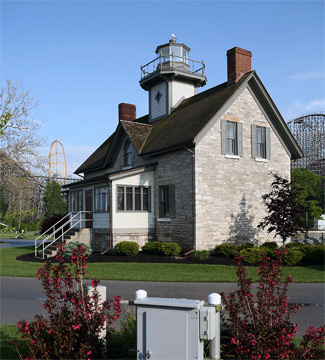
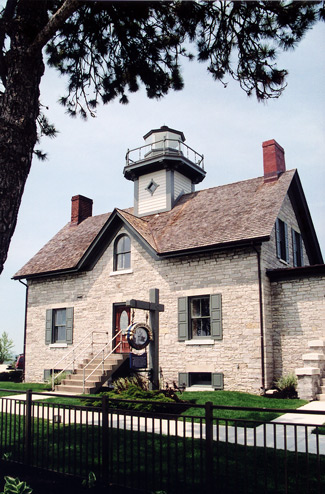
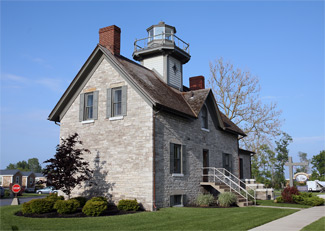
Photo Gallery
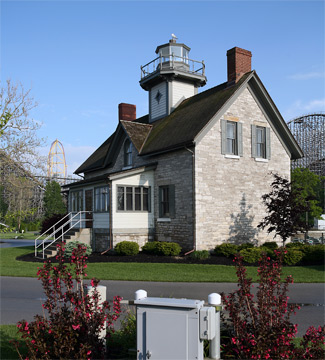
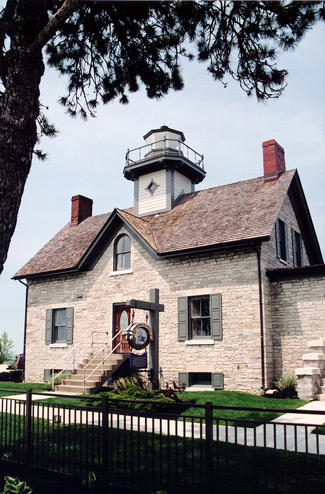
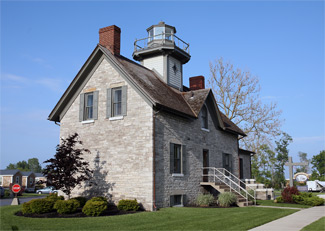
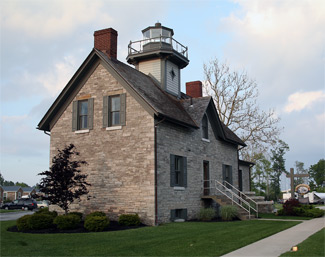
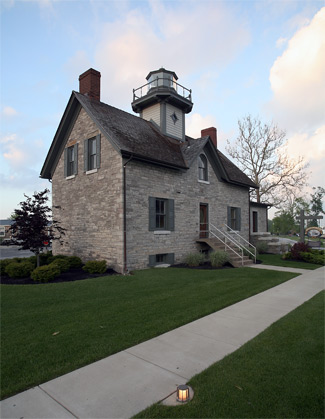
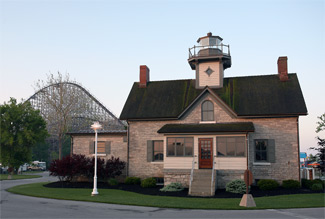
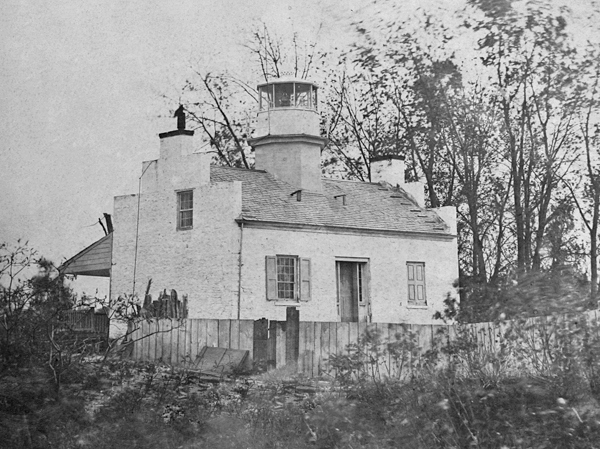
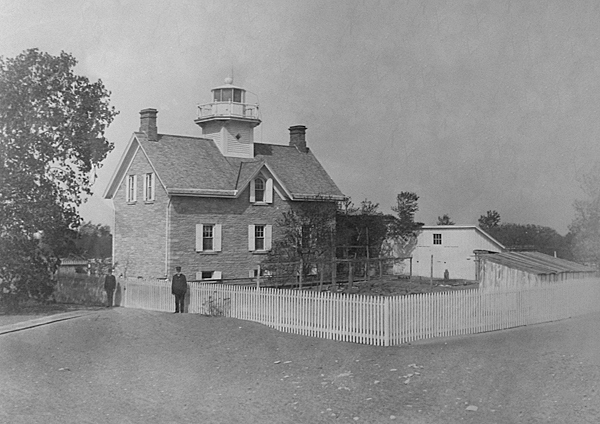
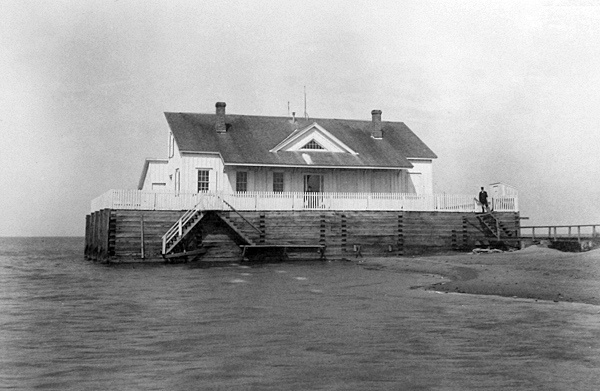
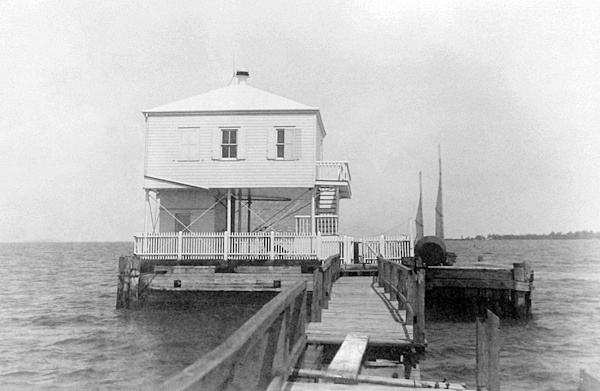
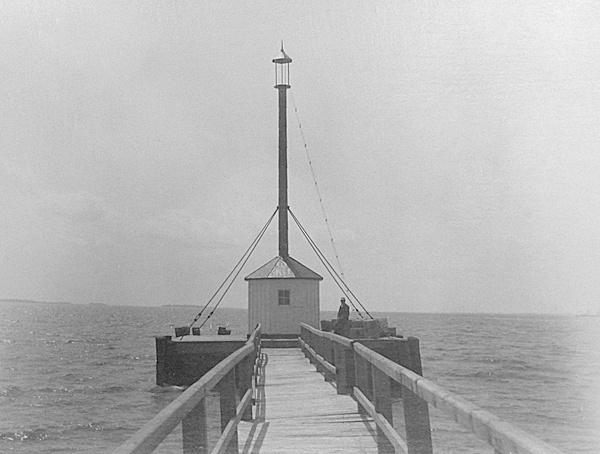
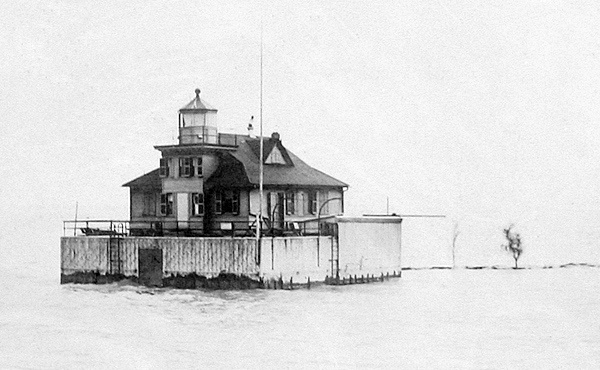
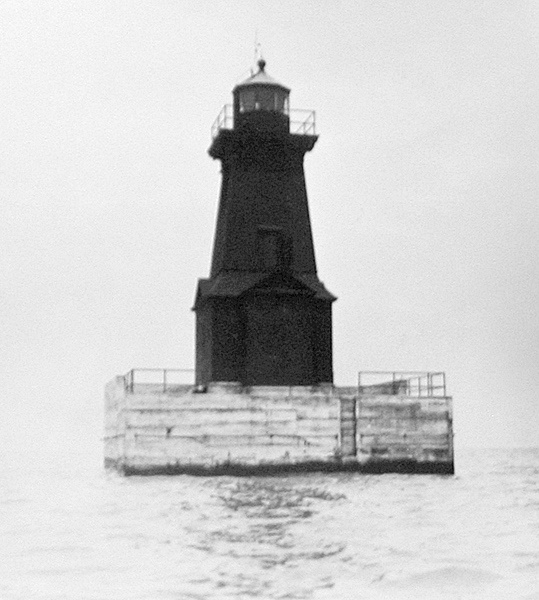
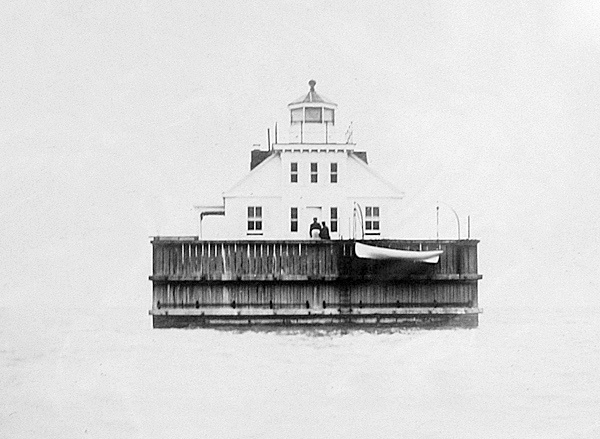
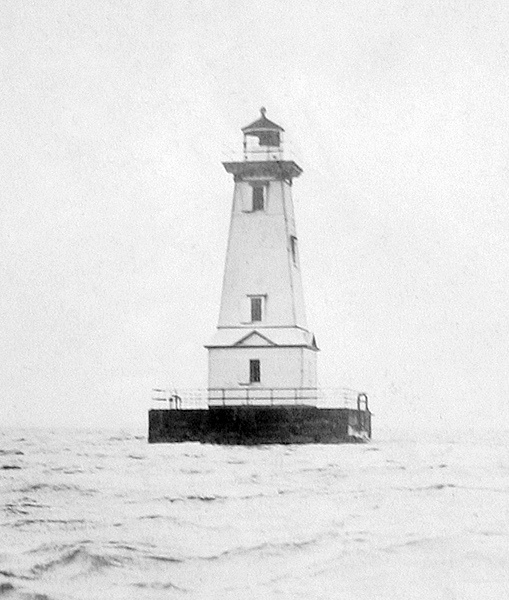
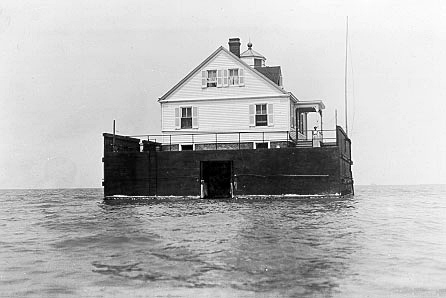
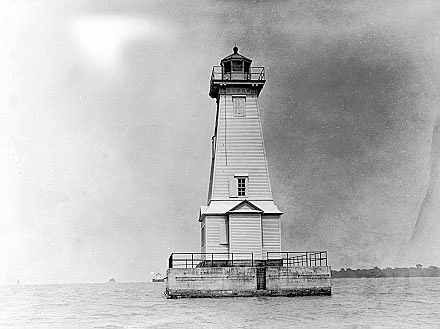
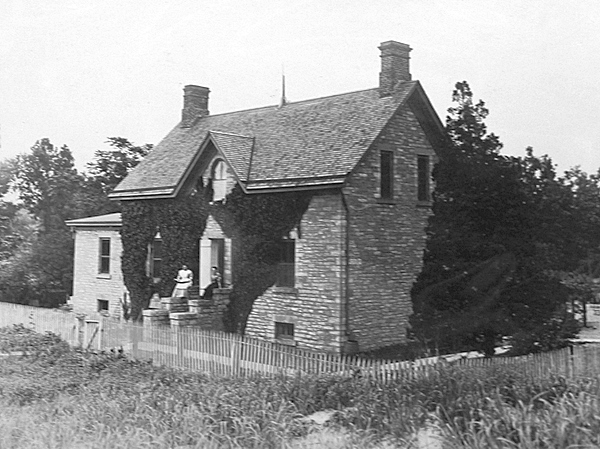
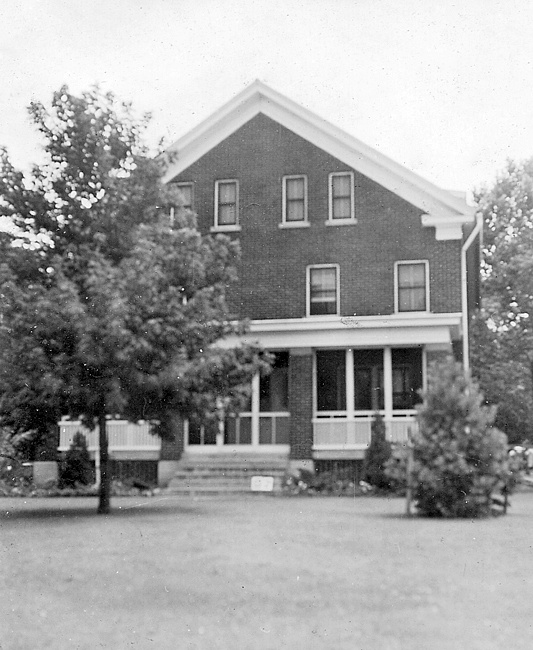
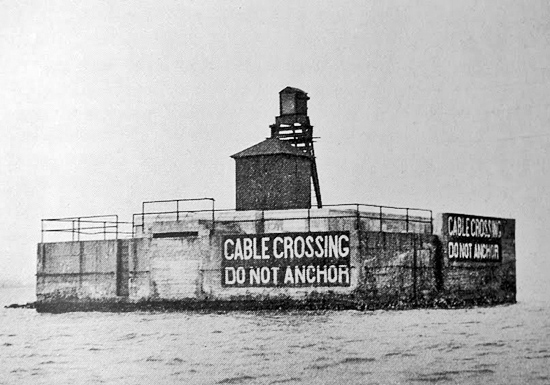
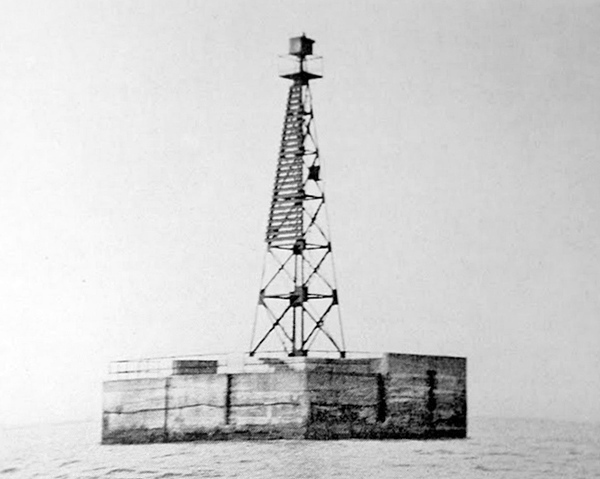
Photo Gallery
Photo Gallery
|
Lake Erie was thus transformed from a stage of maritime battles into a hub of rapidly growing commerce. Storms and boiler explosions did not deter vessels from crossing Lake Erie, and maritime traffic steadily increased in the 1820s and 1830s. In 1820 there were 120 steamers carrying cargo and immigrants on the lake, and by 1831 there were over 2,000.
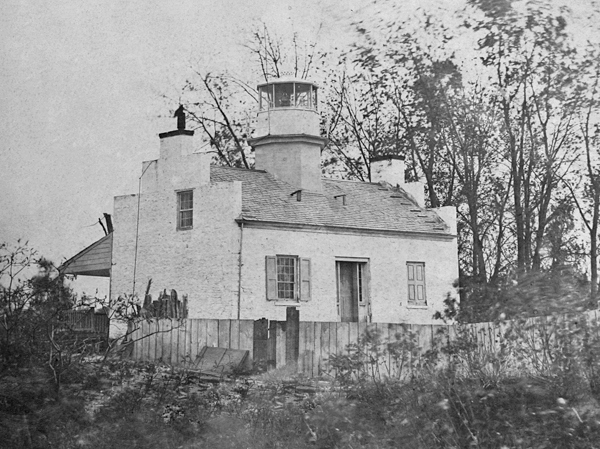
Many lives were being lost on Lake Erie, which was famous for its darkness, sudden gales, mist and fog, and general capriciousness. Ravaged by stormy nights, delays, and frequent losses, a group of leading citizens and shipowners petitioned Congress’ Committee on Commerce for the construction of a beacon light at Cedar Point. It was 1832, and every other Ohio harbor on Lake Erie, east of Black River, had already been accommodated with beacon lights. After multiple petitions, Congress finally allocated $2,500 for a beacon light on March 3, 1837, and added another $3,000 on July 7, 1838 for finishing the structure.
In 1837, Lieutenant G. J. Pendergrast, appointed by the Board of Navy Commissioners to examine the eligibility of proposed lighthouses on the Great Lakes, confirmed that a light was needed on Cedar Point to mark the entrance to Sandusky Bay, and the following year, Lieutenant Charles T. Platt provided more details on the planned light:
It is contemplated placing the lantern on the building in which the tender is to reside—a plan always commendable when the locality of the light will allow. I find, on examining this point, that the lake is making fearful inroads upon the shore; and, to prevent future calamitous consequences, I deem it essentially important that cribwork, filled with stone, be extended from the Hog’s-back (so called) to the extreme point of the cape, a distance of about 150 feet. When this is completed, the waves will soon overlay it with sand, and thus afford permanent protection to the intended site of the beacon. The expense attending the construction of cribwork, four feet in width and three in height, will be but trifling, as the whole would not exceed $500.It is believed that the present appropriation of $3,000 will be sufficient to defray all the cost of the dwelling, necessary out-buildings, and cribwork. This was certainly the opinion of Mr. Starkweather, the collector at Cleveland, in whom the contracting power is vested. The utility of this light in entering the bay has doubtless been fully represented; and I will only observe, that the most favorable report with regard to it meets my full concurrence.
|
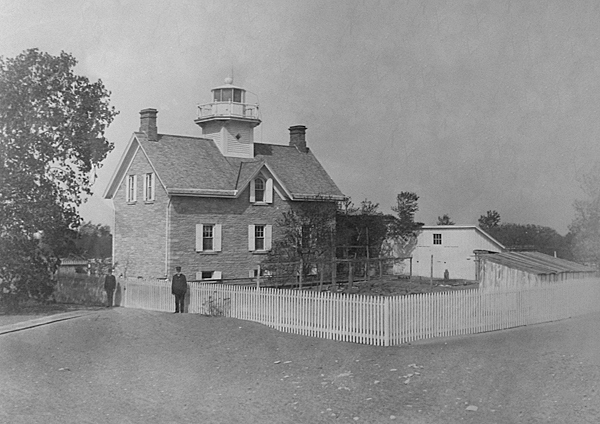
In 1862, work began on the erection of a larger limestone lighthouse, some ten feet taller than the old stone lighthouse. Though both lighthouses consisted of a one-and-a-half-story dwelling with a lantern centered on its roof, the 1862 lighthouse had a square tower, instead of an octagonal one, and featured cross-gables above the main door and on the opposite side. The lantern room and lens from the 1839 lighthouse were transferred to the new structure.
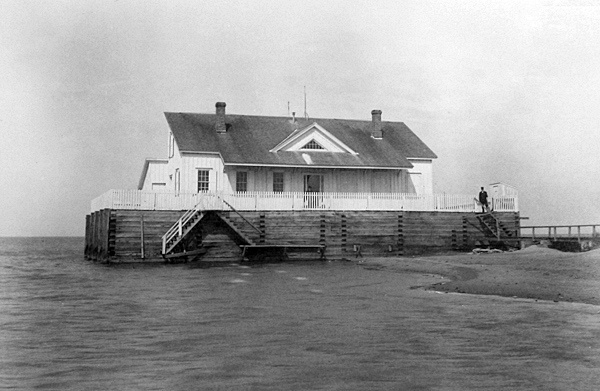
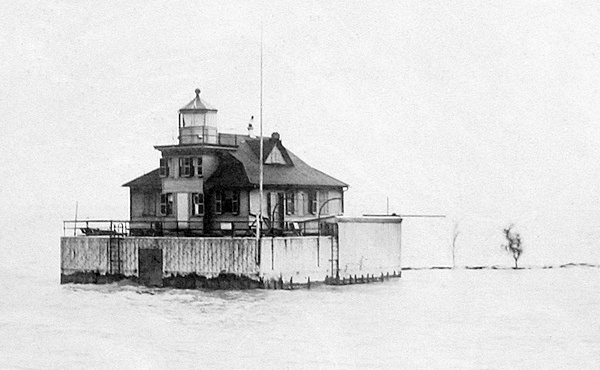
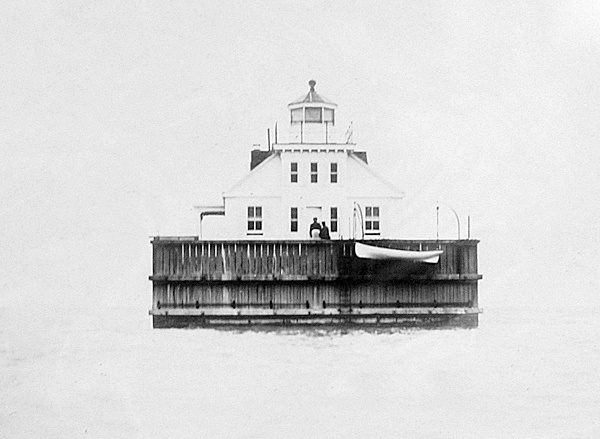
A third front range light, a more permanent structure, was built in 1867. Cribwork was placed on a shoal in five feet of water, and atop this was constructed a frame dwelling surmounted by a sixth-order light. In 1891, the Lighthouse Board reported that the crib was decayed causing the frame building to settle unevenly. A contract was made for an iron tower to replace the building, but the Board later decided to drive a row of piles around the cribwork to shore up the foundation.
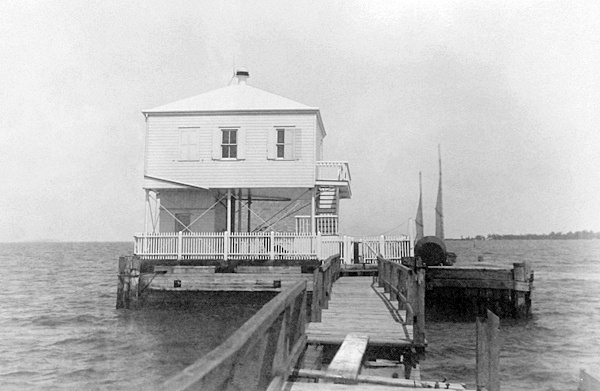
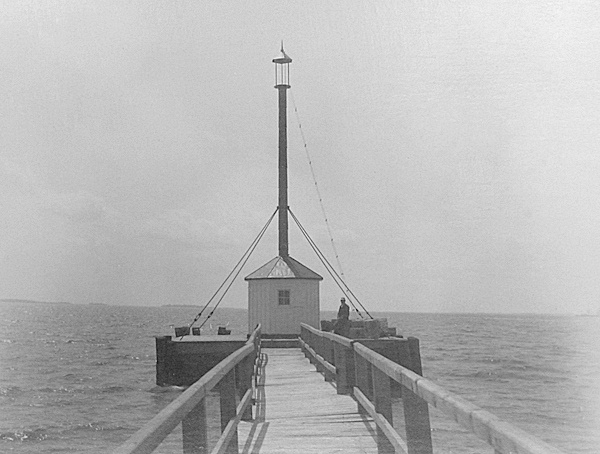
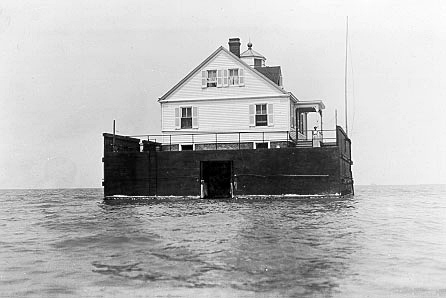
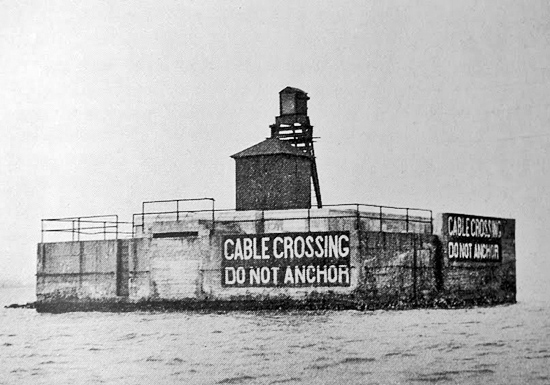
Besides the range lights at Cedar Point, there were other ranges to help mariners enter Sandusky Bay. In 1878, three beacon lights were completed on piers to mark an elbow in the entrance channel. The main beacon consisted of a dwelling and light, while the north beacon and west beacon, which were both eventually connected to the main beacon by footbridges, consisted of a hollow iron shaft through which a range light was hoisted. These Sandusky Bay Range Beacons were in operation until a new set of range lights was established in 1896 to mark the recently dredged Straight Channel.
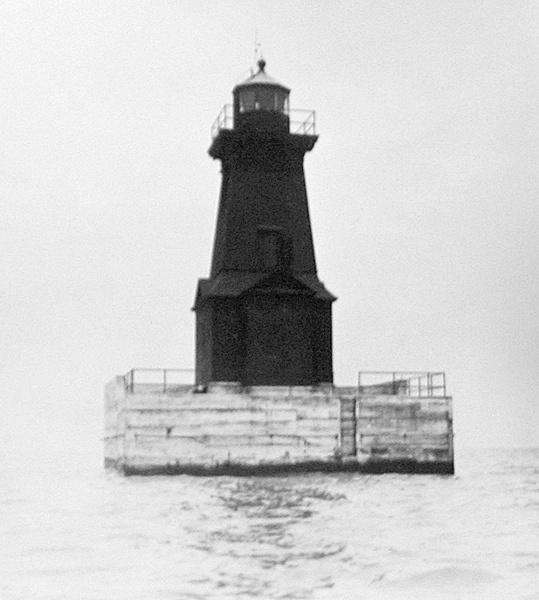
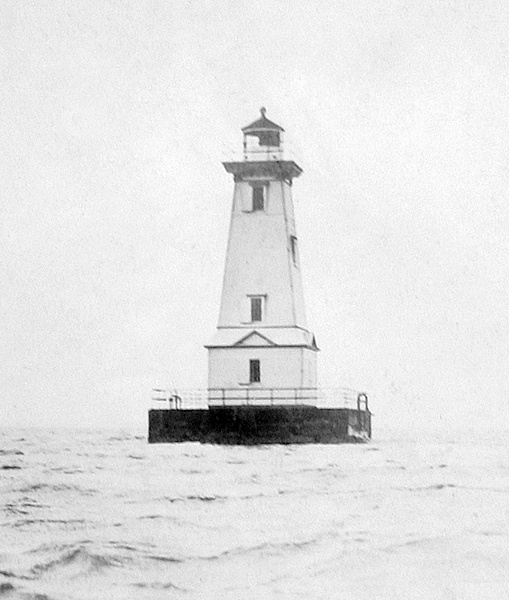
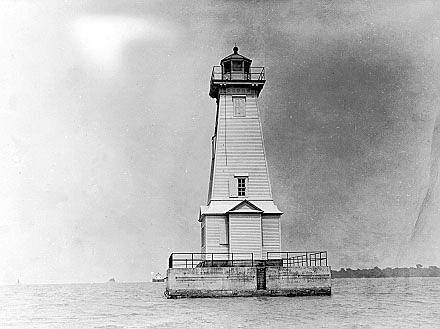
The 1896 range lights were known as Sandusky Bay Range until another pair of range lights was activated in 1900 to guide mariners over the outer bar. After this addition, the 1896 range was referred to as Sandusky Bay Inner Range (front and rear), and the new range was called Sandusky Bay Outer Range (front and rear).
Lighthouse keeper Frank Ritter, his wife and two children, Elsie and Lewis, moved into the dwelling at Sandusky Bay Inner Front Range Light in 1896, and Ritter was also responsible for the associated rear light. By this time, the Ritters were veterans of the area, as they had previously taken charge of the Sandusky Bar Range Beacons located off Johnson’s Island. The dwelling on the front pier served as the family’s home from the opening of navigation around March 1st until shortly before Christmas each year.
|
One day, after lighting a range light, Ritter himself needed to be rescued. His boat was upset by a “northeaster,” spilling both him and his dog into the water. Luckily, people on shore heard his calls for help. Ritter was saved, but his dog later washed up dead on Cedar Point.
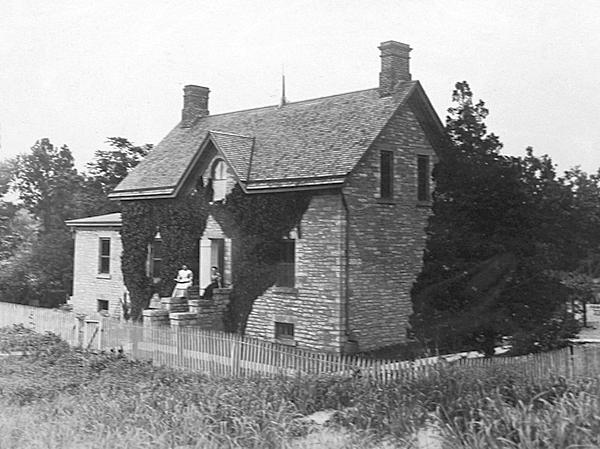
Both lights in Cedar Point Range were discontinued in 1904, leaving just the outer and inner ranges to guide mariners into Sandusky Bay. After its light was deactivated, Cedar Point Lighthouse lost its tower and lantern room. In July 1910, fireworks shot from the steamer Eastland as she departed Sandusky for Cleveland started a fire that destroyed the old Cedar Point Front Range Light.
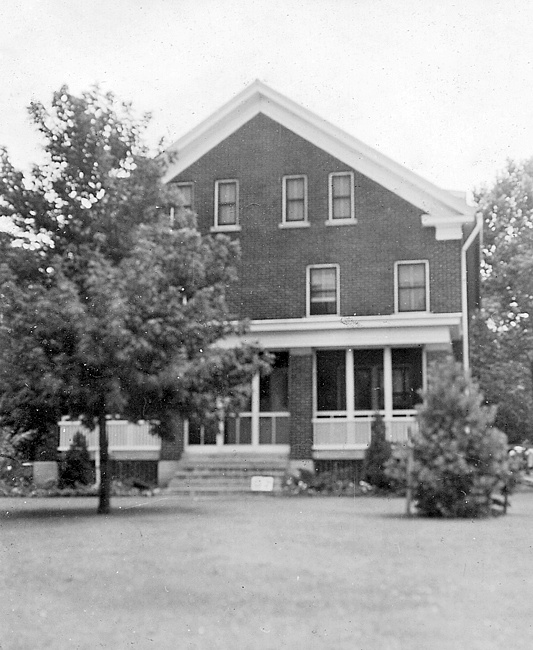
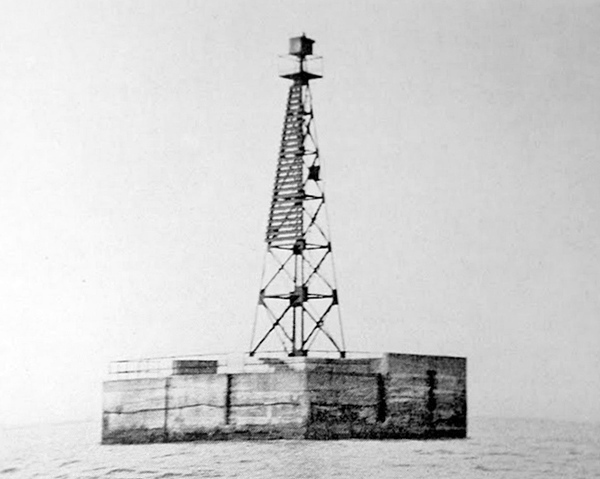
On May 28, 1924, Congress appropriated $50,000 to build a modern light on a jetty extending from Cedar Point and to electrify the outer and inner ranges. The four wooden range lights were replaced with skeletal, steel towers, and submarine cables were run from the cribs to a concrete power house on Cedar Point equipped with two oil engine generators. A brick veneer double dwelling was also built at Cedar Point for the keepers responsible for the lights. The electrified range lights entered service on November 15, 1927. Here are photographs of the new inner front light and rear light.
Frank Ritter moved to Cedar Point and continued as keeper until July 1, 1929. Ritter’s son-in-law Henry Waibel succeeded him and served until 1948. The Coast Guard continued to use Cedar Point Lighthouse and the surrounding area as a buoy depot, a radiobeacon station (established April 19, 1932), and finally a search and rescue boat station. In 1975, Cedar Point’s boat station duties were transferred to Marblehead Coast Guard Station, and the property went unused until being acquired by Cedar Point Amusement Park in 1987.
Cedar Point Keepers:
Sandusky Range Keepers:
References: