Graves, MA 


Select a photograph to view a photo gallery
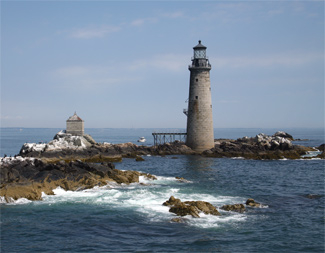
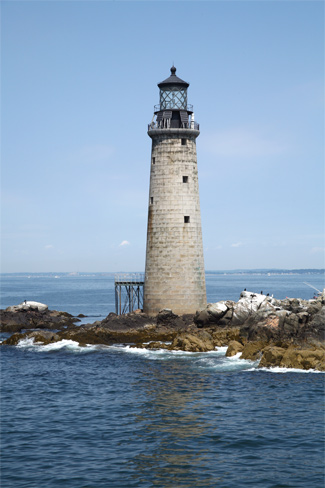
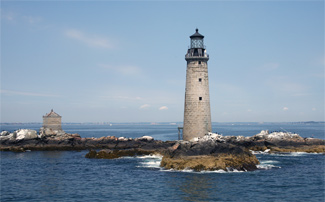
Photo Gallery
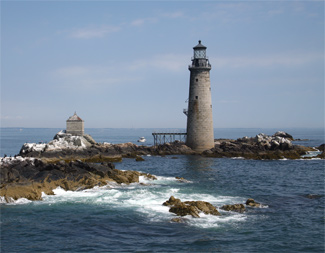
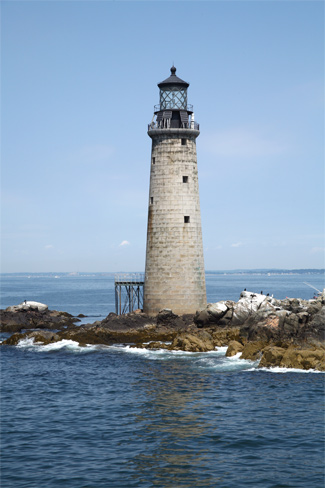
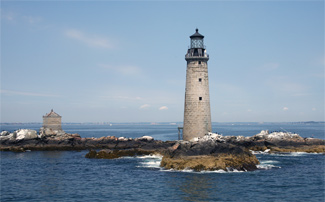
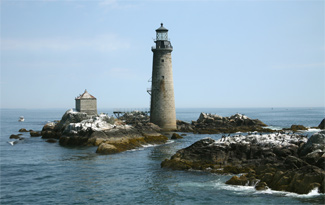
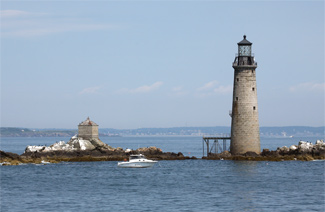
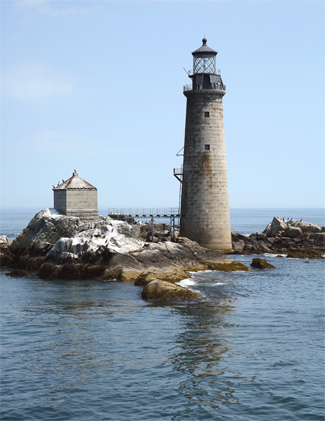
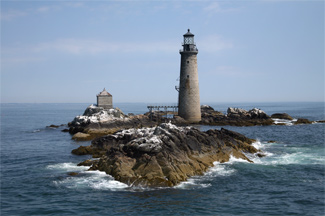
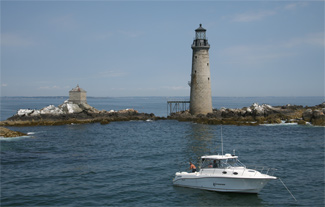
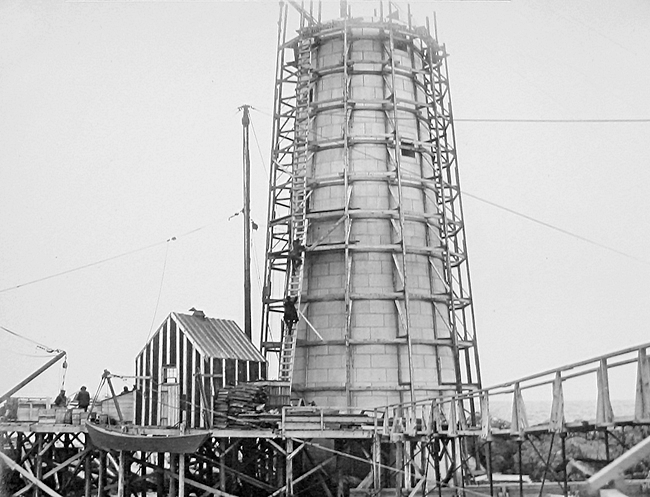
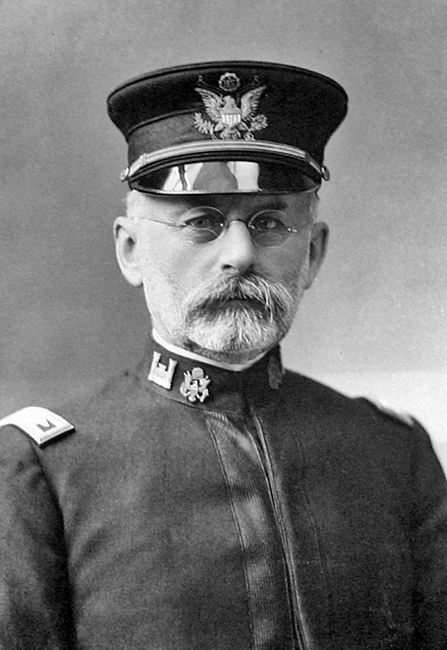
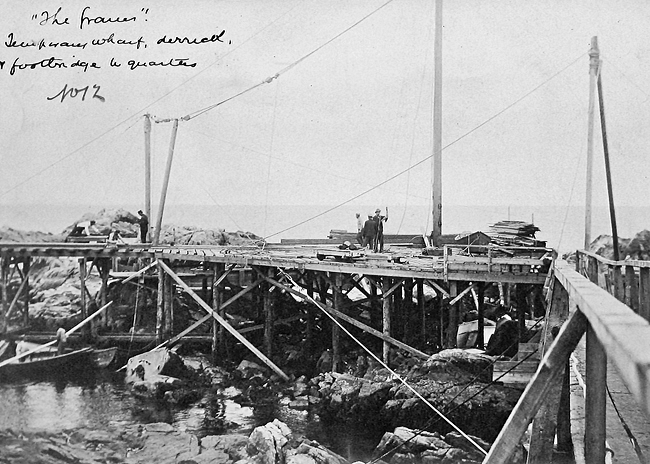
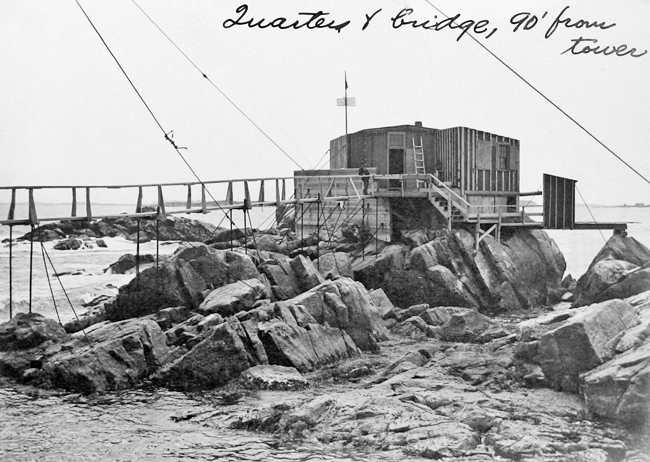
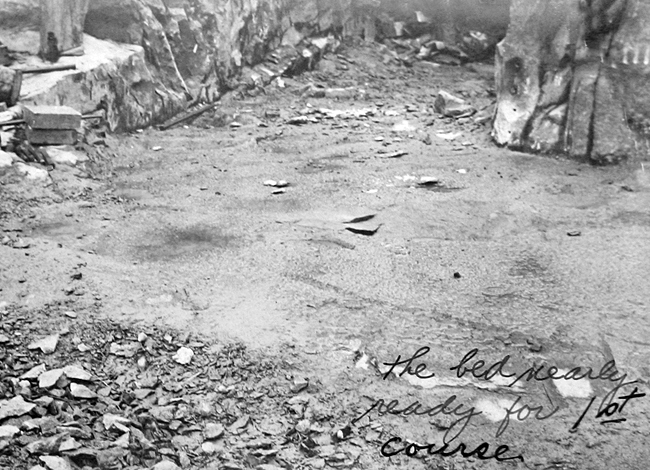
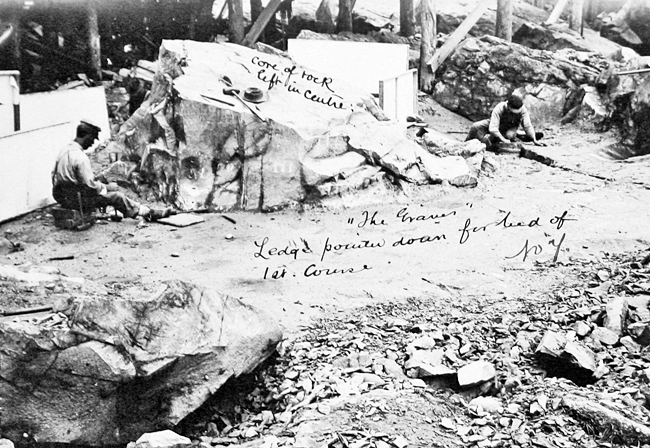
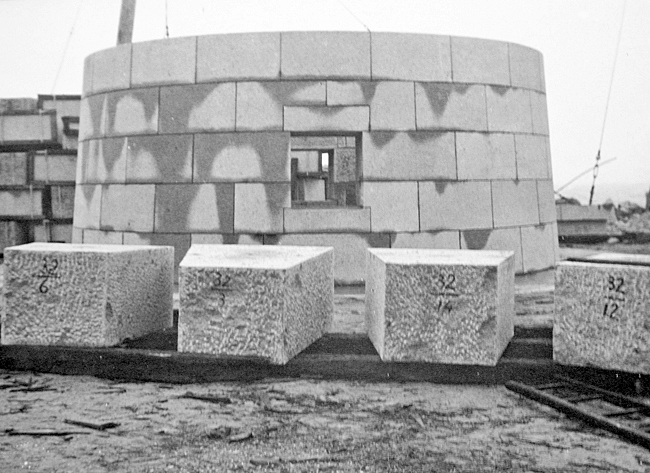
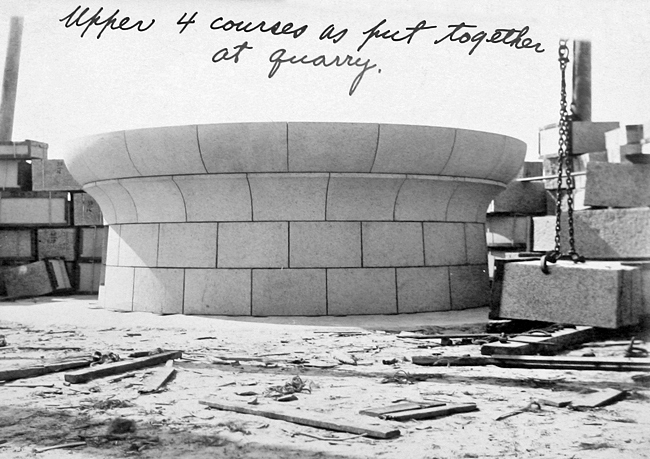
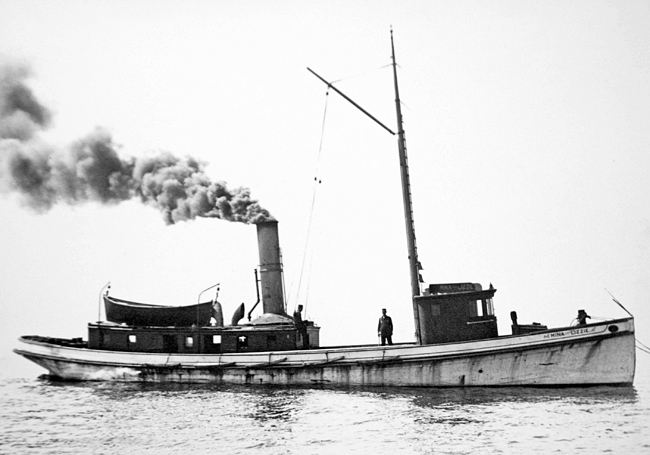
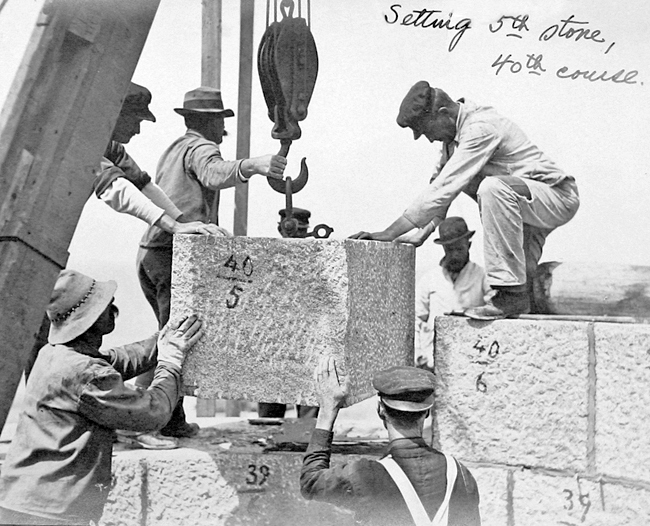
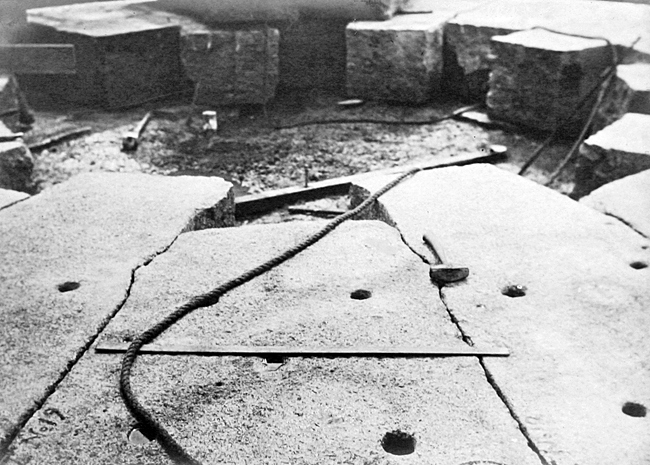
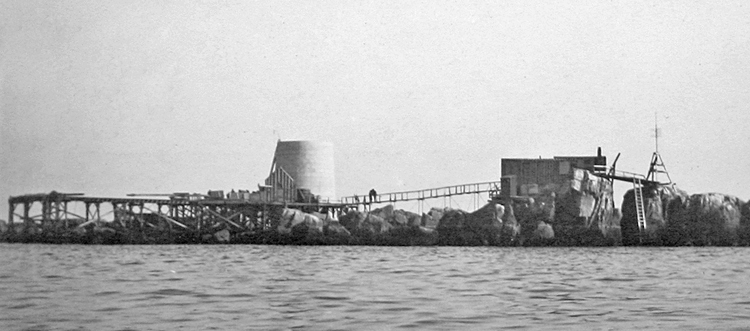
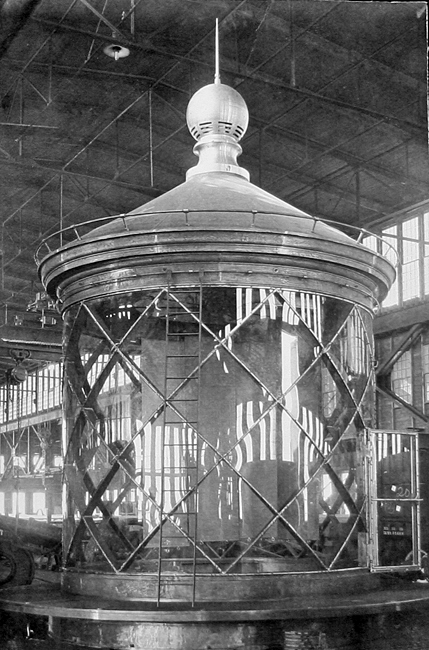
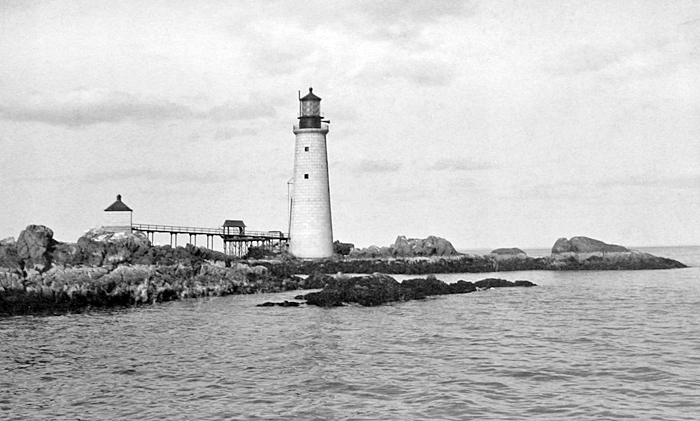
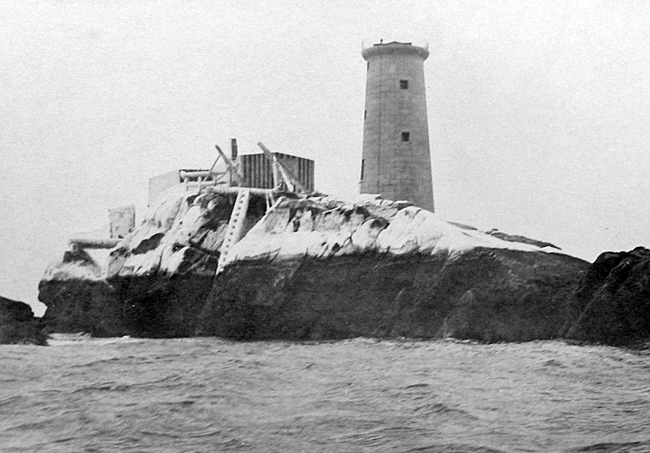
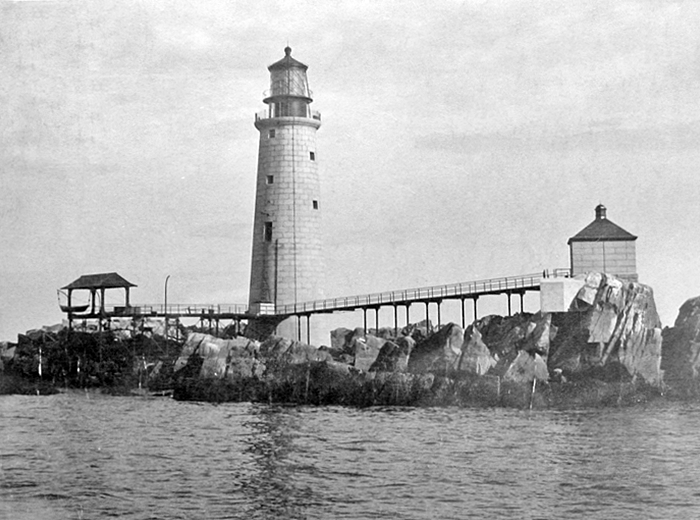
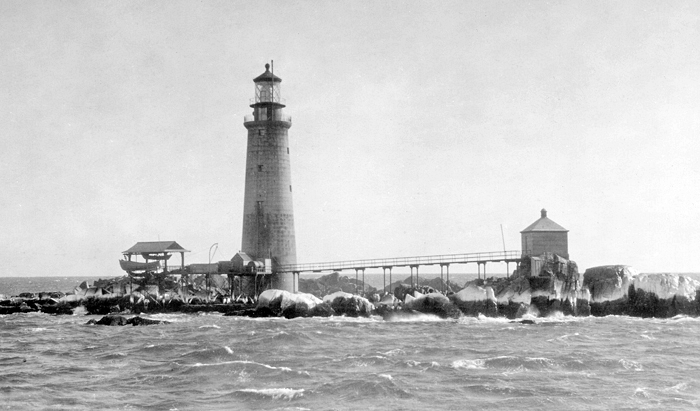
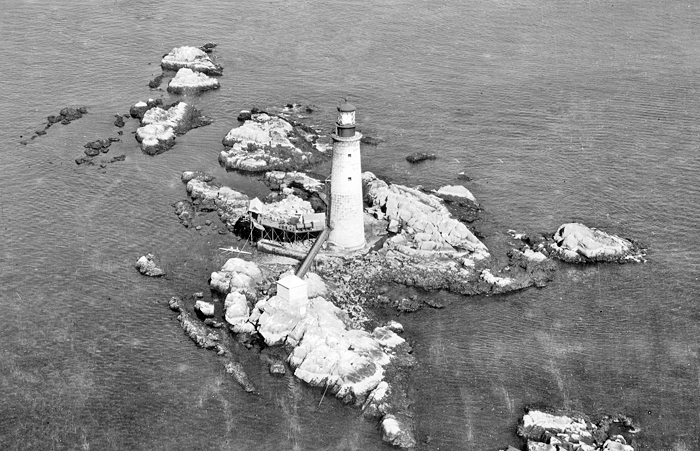
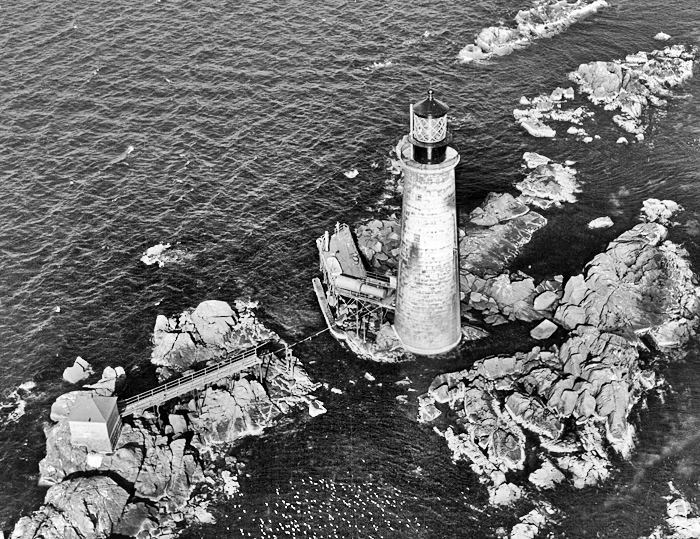
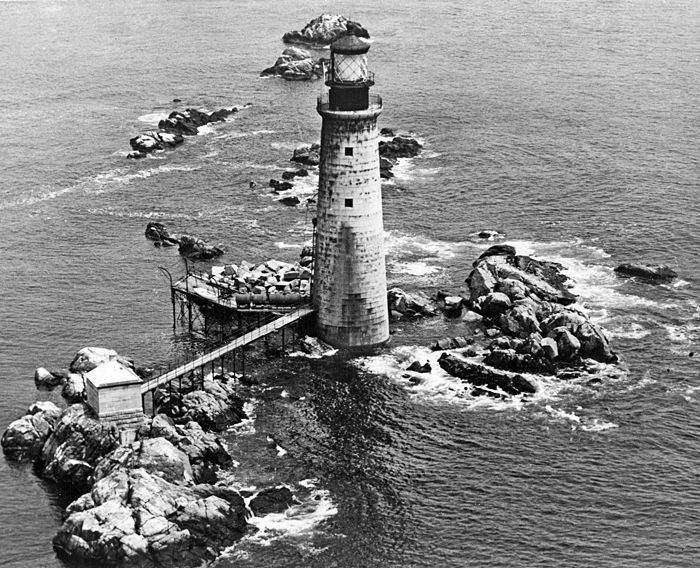
Photo Gallery
Photo Gallery
A spindle was proposed for the northeast ledge of the Graves in 1851, but Major C.A. Ogden of the Corps of Engineers concluded the formation would not sustain a spindle or a more permanent beacon and instead recommended a bell buoy be used to mark the hazard. The Lighthouse Board accepted this proposal, and the buoy was moored at the site on June 22, 1855.
|
The lone sentinel is a huge fabric of steel plates, with the mechanism so arranged that the billows, which heave it this way and that, force the air through an aperture at the top, making the most weirdly mournful and bloodchilling sounds. An old sea dog on one of the harbor boats said that its sorrowings in bad weather, which touched every shade of grief, from a weary, heartbreaking sigh to a terrifying, far-carrying shriek of despair, used to make him creepy with mind pictures of all the dead of all the years snatched from life by all the shipwrecks since the first finding of Boston Harbor
After Broad Sound Channel was dredged to a depth of thirty feet to allow larger vessels to enter Boston Harbor, the Lighthouse Board proposed the construction of lights to mark this new and “most important approach to Boston Harbor.” A tall, granite lighthouse equipped with a fog signal was designated for the Northeast Grave to mark the entrance to the channel from the sea, while range lights on Lovells Island and Spectacle Island were recommended to keep vessels aligned with the channel. On June 28, 1902, Congress provided the funds for the range lights along with $75,000 of the estimated $188,000 needed for Graves Lighthouse.
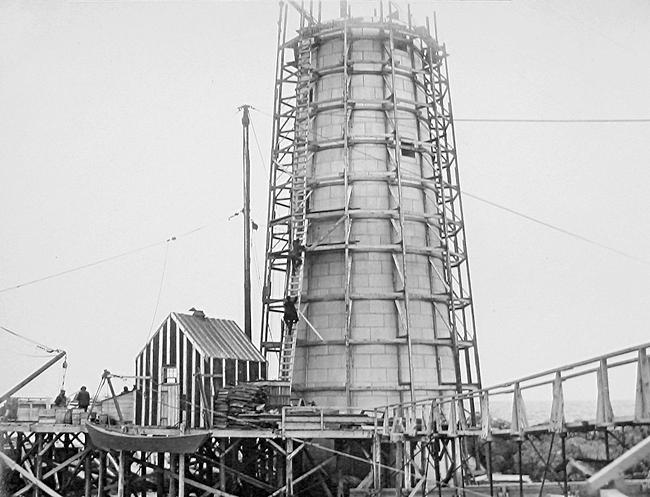
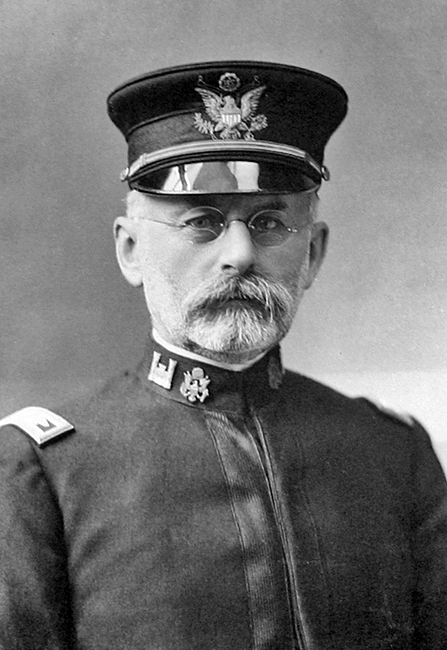
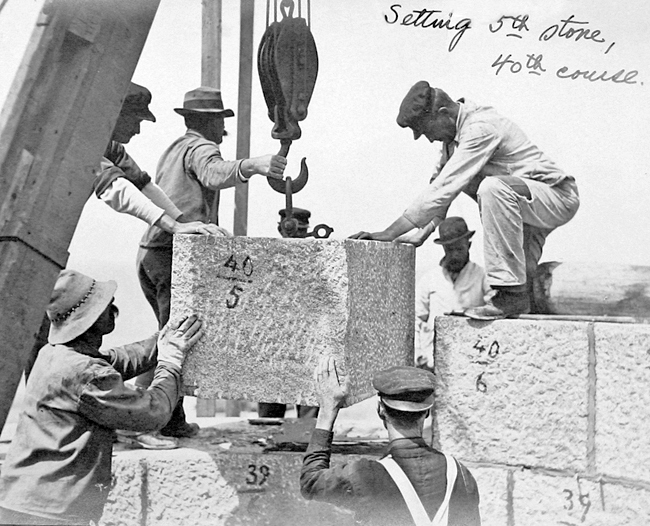
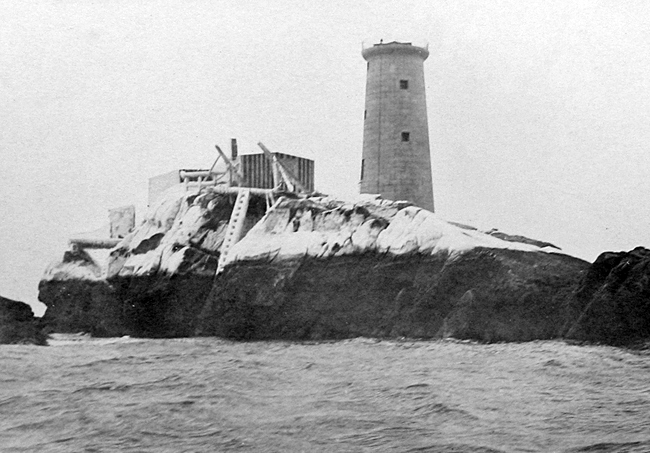
After the site was surveyed during the summer of 1902, a formal contract for the granite, which would be cut in Rockport, was signed on April 28, 1903. As shelving of the northernmost part of the ledge was detected, the location of the tower had to be moved about two-thirds the length of the ledge to the southwest. The plans called for the conical tower to be built on a foundation three feet above mean low water and consist of 882 stones laid in forty-four courses to a height of eighty-eight feet. William S. Stanton, a major in the U.S. Army Corps of Engineers and engineer of the first and second lighthouse districts, superintended the project, while Royal Luther of Malden, Massachusetts was in charge of construction.
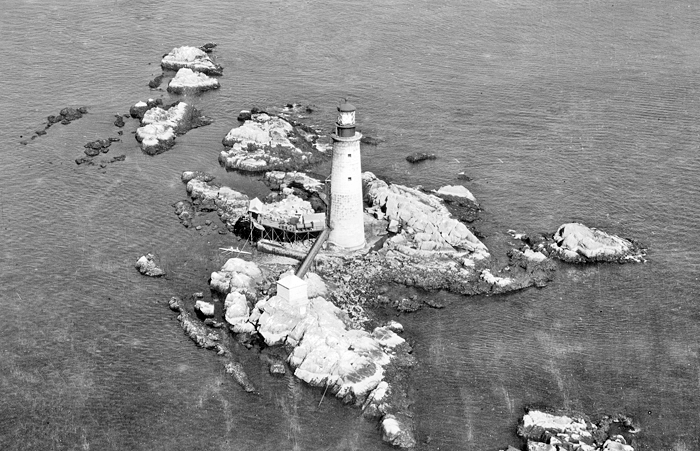
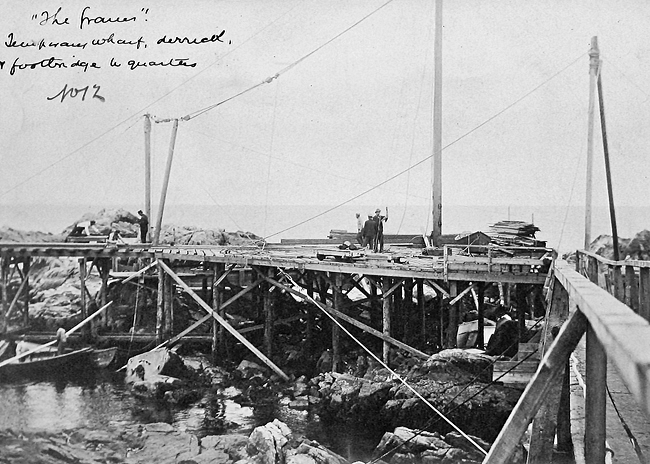
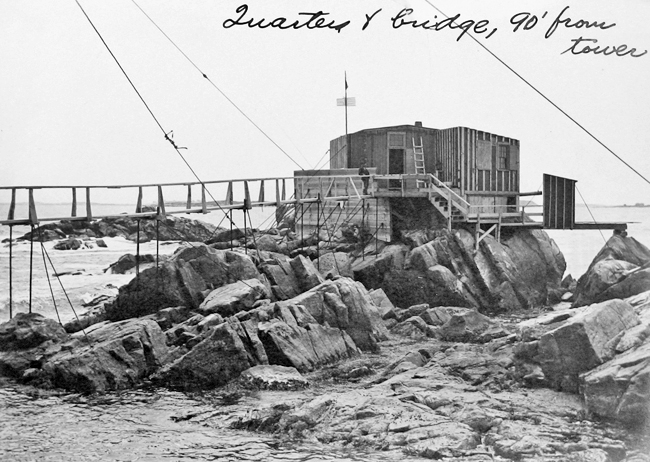
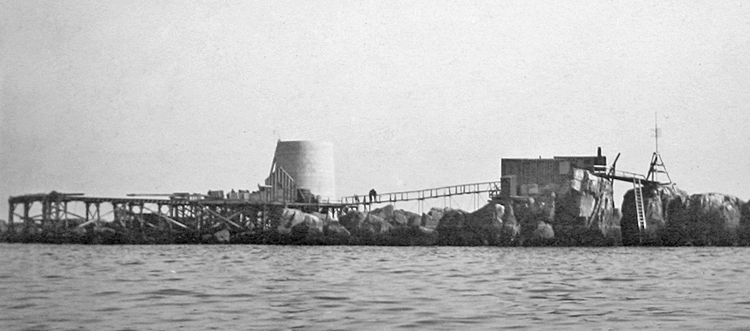
Work began on June 1, 1903, and by the end of that month, a wharf and temporary quarters were built on nearby Lovells Island. After timber bulkheads had been built on the ledge to protect the workers, a landing stage along with a platform to support a hoisting engine, derrick, and materials were erected. A shanty for the workmen was then built on the highest rock in the group and linked to the construction site by a ninety-foot-long walkway. The shanty had quarters, a messroom, and kitchen for thirty men, and beneath it a cold-storage cellar and a blacksmith shop were housed in chasms in the rock. The workers would live in the shanty during the summer so no time was lost in getting to and from the construction site.
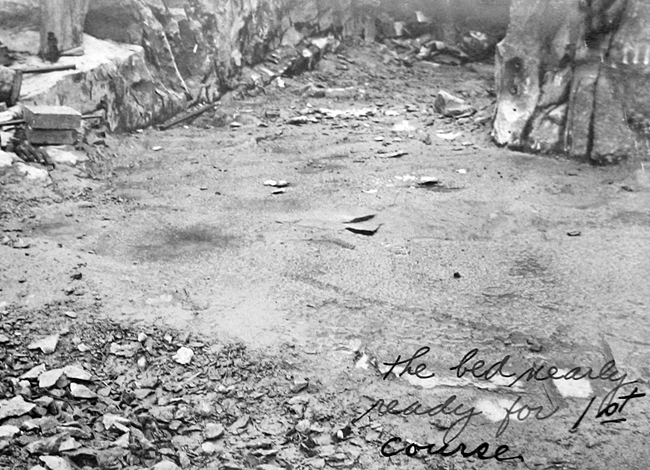
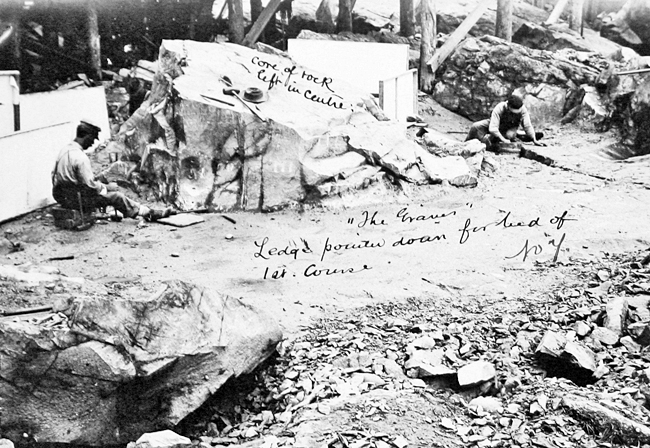
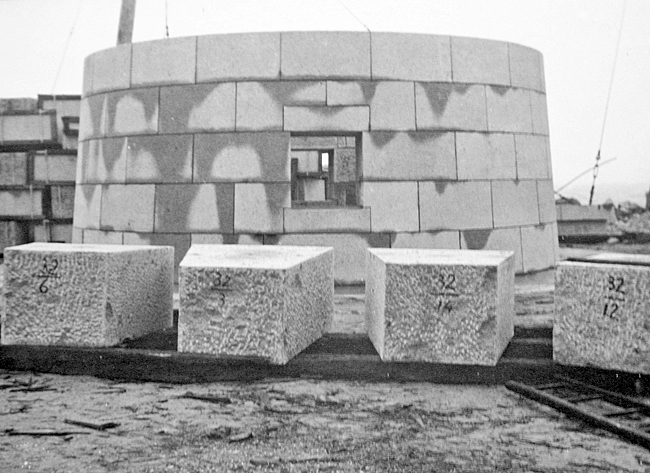
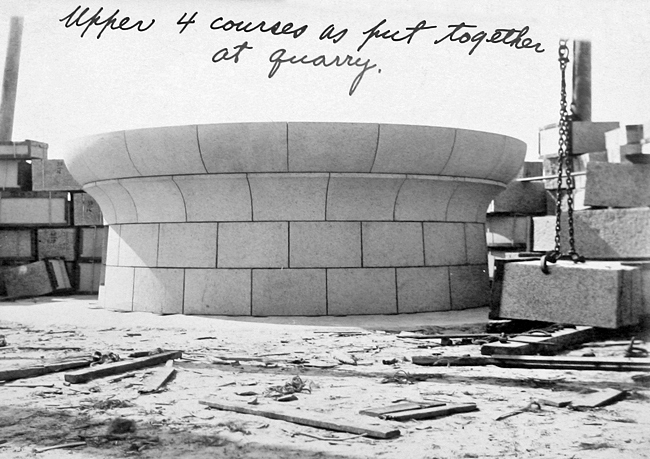
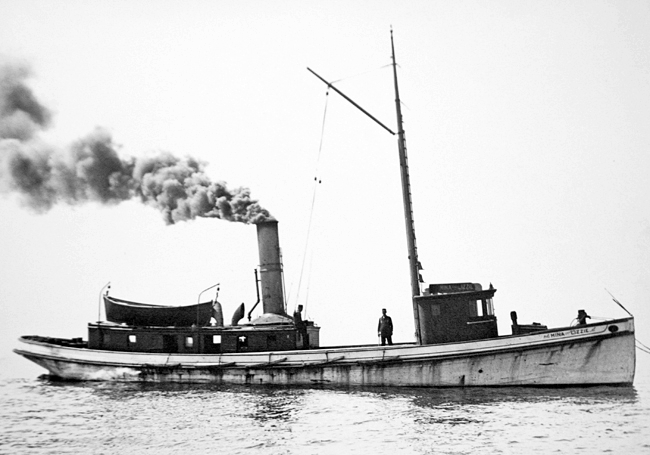
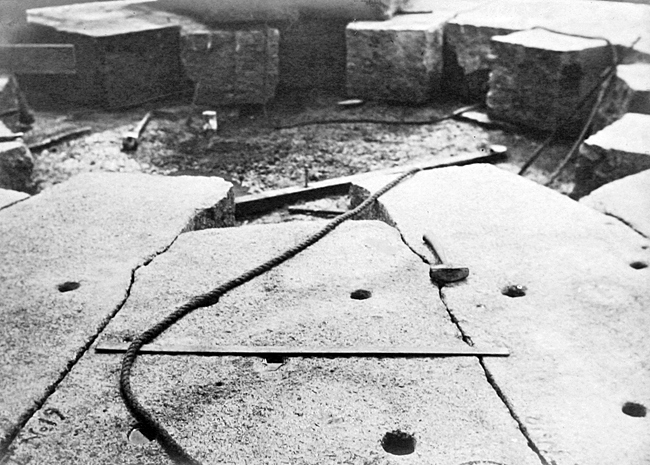
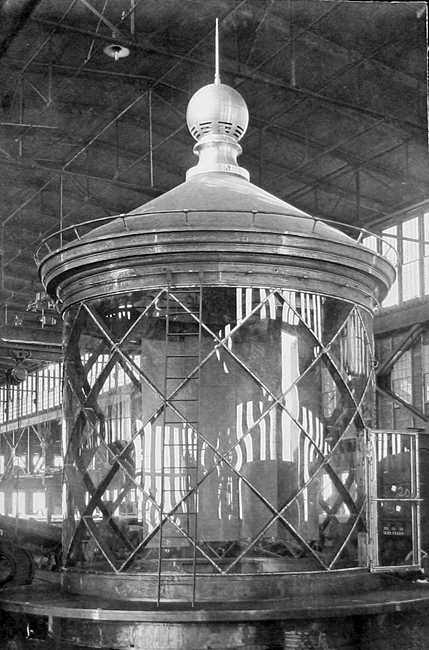
To form a foundation for the tower, an eight-foot-wide ring on the ledge was leveled, while the center core was left in its natural state. At the quarry, the stones were finished, numbered, and laid in courses before being transported to the construction site and raised into place. The first stones were taken to the ledge by the schooner A.J. Miller on August 11 and then doweled into place by placing two-foot-long iron rods into holes drilled in the ledge and stones. Work continued on the ledge through October by which time twenty-one courses had been set. As the tower grew, the interior ironwork and landing ladder were being made in the Lighthouse Board’s Boston machine shop, the interior woodwork was being produced at the Board’s storehouse in Portland, Maine, the lantern room was being fabricated in Milwaukee, and a first-order Fresnel lens was being manufactured in Paris, France.
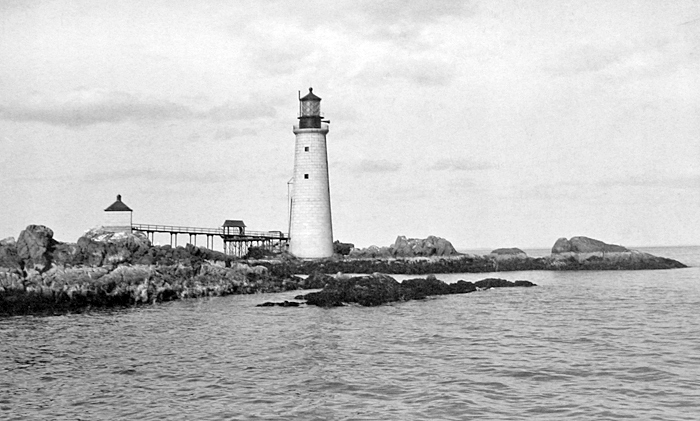
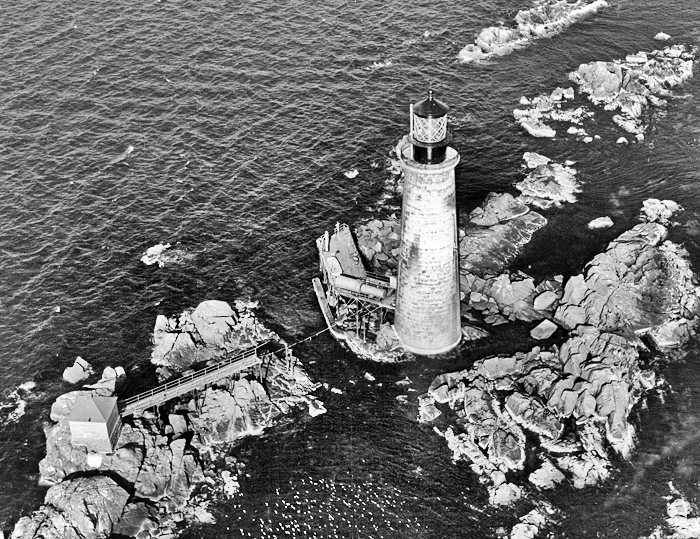
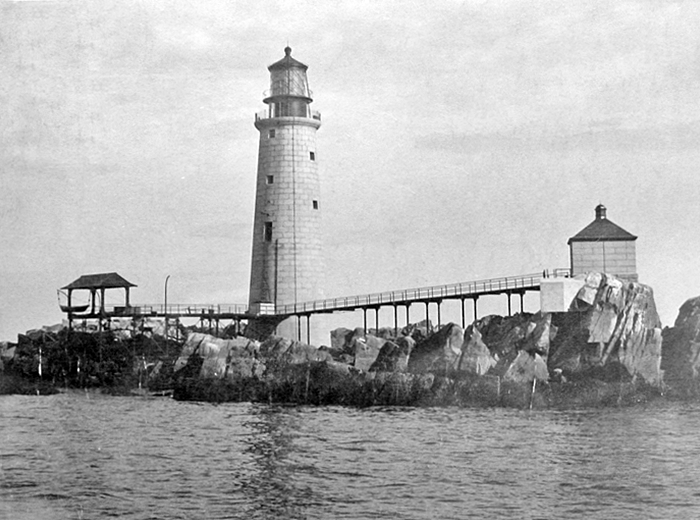
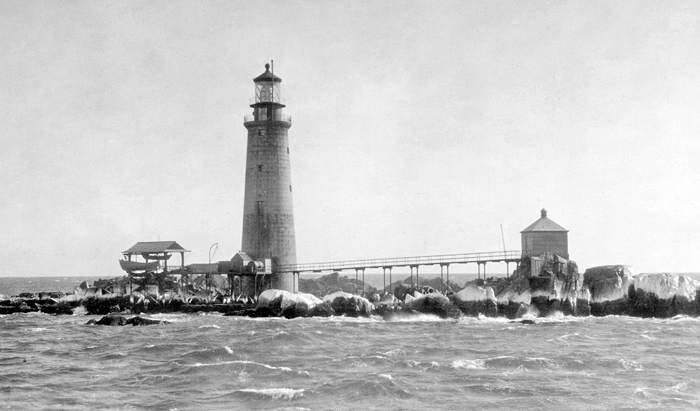
Congress allotted the remaining $113,000 for the project on April 28, 1904, allowing the tower, which at its base was seven feet thick and had a diameter of thirty feet three inches, to be completed that summer. The tower’s enameled brick lining was installed in 1904, and the lighthouse would have been completed that year if the delivery of the watchroom and lantern room had not been delayed.The watchroom and lantern room were received on March 6, 1905 and installed atop the tower between May 3 and June 9, after which the interior rooms were finished. The installation of the lens and revolving machinery took a week and was finished on July 1, 1905. An iron landing pier was also built at the base of the tower along with a more permanent elevated footbridge to connect the tower with the oil house, built where the workmen’s shanty had stood.
Graves Lighthouse, among the brightest in Massachusetts’ history, was finally lit by Elliot C. Hadley, its first keeper, on September 1, 1905. Besides Hadley, three other men were also assigned to the new lighthouse: John E.H. Cook as first assistant, Octavius H. Reamy as second assistant, and Robert M. McAfee as third assistant.
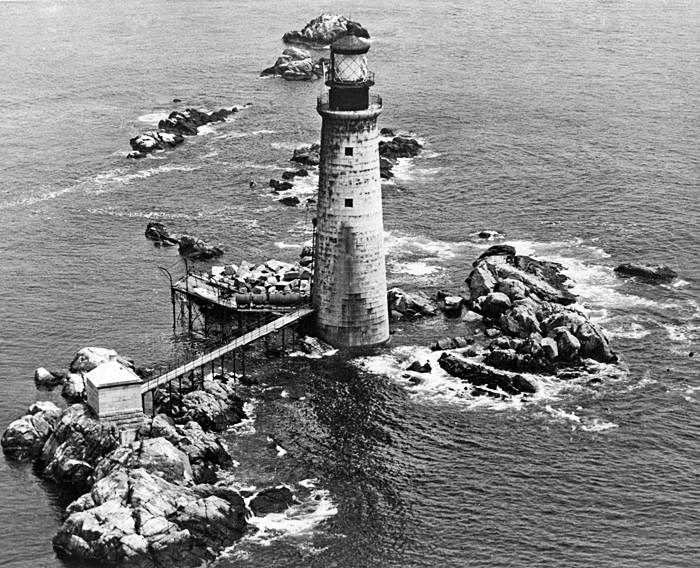
Grabbing onto the heavy copper ladder on the western side of the light, a keeper would begin his thirty-foot ascent to enter the lighthouse. Harsh weather made even entering the light a dangerous affair. Looking up, he would see the year ‘1903’ chiseled in the granite above the entrance door.
The concrete-filled base stabilized the tower and contained two wells, each twenty-eight feet deep and with a diameter of three feet. One well served as a cistern, capable of holding 1,500 gallons of water, while the other held compressed air for the fog signal. Twice per year, a tanker would arrive to pump the cistern full of water for the keepers’ needs. Lighthouse tenders also regularly delivered food, which supplemented the lobsters caught off the ledge.
The area surrounding the entrance served as storage space, and the level above this contained the engine room, where the almost non-stop thrumming of oil engines during the foggy season would have made life miserable. A Daboll trumpet, which protruded from beneath the glass lantern room and was powered by air compressors, was placed in service on November 23, 1905. During the twelve months ending June 30, 1907, the first-class Daboll trumpet was in operation 876 hours, and the operating engine consumed 900 gallons of mineral oil.
The keepers’ neat, well-organized kitchen and dining room were housed in the third level and like elsewhere had enameled bricks on its walls. Mahogany handrails lined the staircase, while oak was used for the remaining woodwork. The lower two stories had tile floors, while the three floors used as living space feature oak flooring.
The fourth and fifth levels housed a library and bunk rooms with two double bunks that could sleep four men, if necessary. Eventually the lighthouse would have a radio, television, and telephone; the telephone was installed during World War I.
The final two levels of the tower, the lantern room and watchroom, held the giant, twelve-foot-tall, nine-foot-in-diameter Fresnel lens and the mechanism for revolving the lens. The lens had three sets of flash panels, with each set containing two bull’s-eyes, and the entire apparatus floated and turned on 400 pounds of mercury. With a strength of 380,000 candlepower, the light exhibited a double flash every six seconds, at ninety-eight feet above mean high water. Later, the light was upgraded to 3.2 million candlepower.
|
Out from the ocean’s tumultuous breast,
Long, long hast thou lifted thy black jagged crest;
Long hast thou ruled, a cruel despot, the waves
At Boston’s fair entrance, Thou menacing Graves.Fierce rage the waters, but fiercer their shock
When shattered to spray on thy breastworks of rock;
Loud shrieks the wind, but more wildly it raves
When torn by thy summits, Thou merciless GravesNow thou are conquered, thy terrors are gone;
Grim death is displaced, and life sits on thy throne;
Secure on thy rock the light shines that saves
And guides to the haven, Thou welcoming Graves.
Over the years, there were storms so fierce that water rushed over the top of the lantern. And in November 1935, a gale moved three-ton boulders up a sloping rock and deposited them on the riprap surrounding the tower – a feat never before seen in the history of the station. In 1910, Keeper Hadley reported that the shelling from forts was even worse than the pounding produced by storms. The seas “never shake the tower,” said Hadley. “That stands as firm as the ledges. The only vibration it gets is from heavy firing at the forts, once when the gun goes off and again when the shot strikes….The way we found out first was by having all our dishes broken.”
In December 1916, First Assistant Keeper Harry Whin was alone at the lighthouse, waiting for provisions and his relief, which were several weeks late, when a gale hit. With winds topping 100 mph, snow and sleet, then rain and fog, he kept the foghorn sounding and the light lit around the clock. A water pump, situated at the end of the wharf and used to cool the oil engines, kept freezing, requiring Whin to clamber down the ladder and thaw it out. Five days and nights this kept on, with the keeper having nothing to eat but fish. Whin later wrote historian Edward Rowe Snow about the end of this exhausting episode:
[On] Christmas Eve…I lowered the station boat on the ice and pushed her into open water, headed for Nahant Rock and provisions! My boat developed a leak, I started bailing, my cap in one hand and a tomato soup can in the other. I finally got ahead of the leak and started the engine…[Got] some supplies and tobacco—they got all wet on my return trip; had to dump it all. Returned to the station about 5 a. m.—drifted quite a distance. Took me 5 hours to get back!
When the principal keeper returned the next day, Whin promptly resigned.
In 1916, William A. Day was transferred from his position of head keeper at Cape Cod Lighthouse to Graves Lighthouse. After being in charge of Graves Lighthouse for just over ten months, Keeper Day resigned. Seven years later, Day apparently had a change of heart and returned to the Lighthouse Service as an assistant keeper at Deer Island Lighthouse, where he served for two months before being appointed second assistant keeper at Graves Lighthouse.
On the night of December 7, 1924, Keeper Day telephoned his son from the lighthouse to report that First Assistant Keeper Olsen was crazy. The son notified the Coast Guard, and a vessel from Hull Coast Guard Station was dispatched to the lighthouse to investigate. Not finding any evidence to substantiate Day’s claim, the coastguardsmen took no action. Day telephoned his son on December 8 and again complained about Keeper Olsen. This time, the son called the district superintendent, and a lighthouse tender was promptly sent out to bring Keeper Olsen ashore. After interviewing Olsen, the superintendent discovered that Day and Olsen had quarreled, but he found no evidence that Olsen was insane. The tender returned Olsen to the lighthouse that day on its way to Gloucester and left a seaman there, as Day refused to be alone with Olsen. When the tender returned to Boston on December 11, Day demanded to be taken to shore and subsequently refused to return to the lighthouse as long as Olsen was there. Superintendent George Eaton informed the Commissioner of Lighthouse that in his opinion Day “had acted more mentally unbalanced that Olsen in his terror of the latter” and recommended that Day be dismissed from the service.
While several shipwrecks occurred in the area, the most unusual was that of the British freighter, City of Salisbury. In April 1938, the 419-foot vessel, dubbed the “Zoo Ship” because of its million-dollar cargo of zoo animals, rubber, and tea, plowed into an uncharted rock about one-half mile from the Graves. Although there was no loss of human life and three honey bears and several hundred rare birds from India and Ceylon were rescued, a number of monkeys and snakes died as a result of the accident.
|
In 1947, a movie crew landed nearly 1,000 pounds of equipment near Graves Lighthouse for filming of “Portrait of Jennie.” Jennifer Jones, the film’s star, had ascended nearly all the rungs in the ladder leading up to the lighthouse when William Dieterle, the director, noticed her and ordered her to descend. “Oh, but Mr. D,” Jennifer protested, “it was such fun.”
In the early 1970s, a mercury spill forced the station to be temporarily shut down for decontamination. Graves Lighthouse was automated in 1976, when its keepers were reassigned and its Fresnel lens was shipped off to the Smithsonian Institute.
Converted to solar energy in summer 2001, Graves Light remains an active aid to navigation, with two white flashes every twelve seconds and an automated foghorn. Although the walkway was lost to a storm, the original oil house still stands.
On May 16, 2012, Graves Lighthouse was made available under the National Historic Lighthouse Preservation Act of 2000 to eligible federal, state, and local agencies, non-profit corporations, educational agencies, and community development organizations for educational, recreational, cultural, or historic preservation purposes. Interested entities were given two months to submit a letter of interest expressing their desire to submit an application for ownership. The property includes the lighthouse tower, oil house, and the island on which they stand. When no suitable owner was found, the General Services Administration (GSA) opened an online auction for the lighthouse on June 10, 2013.
Ten bidders participated in the auction that ended on August 31, 2013, with a winning bid of $933,888, by far the most ever paid for a lighthouse in a GSA auction. A few days after the close of the auction, an article in The Boston Globe announced that Dave Waller, co-founder of Brickyard VFX, a visual effects company, was the new owner of the lighthouse. Waller, who lives in a renovated firehouse and collects old signs, said “I love the way antique objects tell stories with all this rich folklore.” Waller believes Graves Lighthouse “is a great book waiting to be opened,” and plans on sharing the read with the public, perhaps as an offshore inn.
Waller was shocked when he received a tax bill in 2020 from the Town of Hull, situated on the south side of Boston Harbor. In 2023, the state’s Land Court ruled the lighthouse is not in Hull, liberating Waller from the taxes.
Waller has cobbled together a first-order Fresnel lens, mainly from lenses used in Australia, that fills the lantern room atop Graves Lighthouse. The unique lens produces a 4-3 flash pattern, and Waller is working with the Coast Guard to eventually activate the lens. The U.S. Lighthouse Society hosted a special event in February 2024 where Dave Waller, live from Graves Lighthouse, gave a presentation on assembling the lens and then activated the lens for the viewers.
Keepers:
References