Boston Harbor, MA 




Select a photograph to view a photo gallery
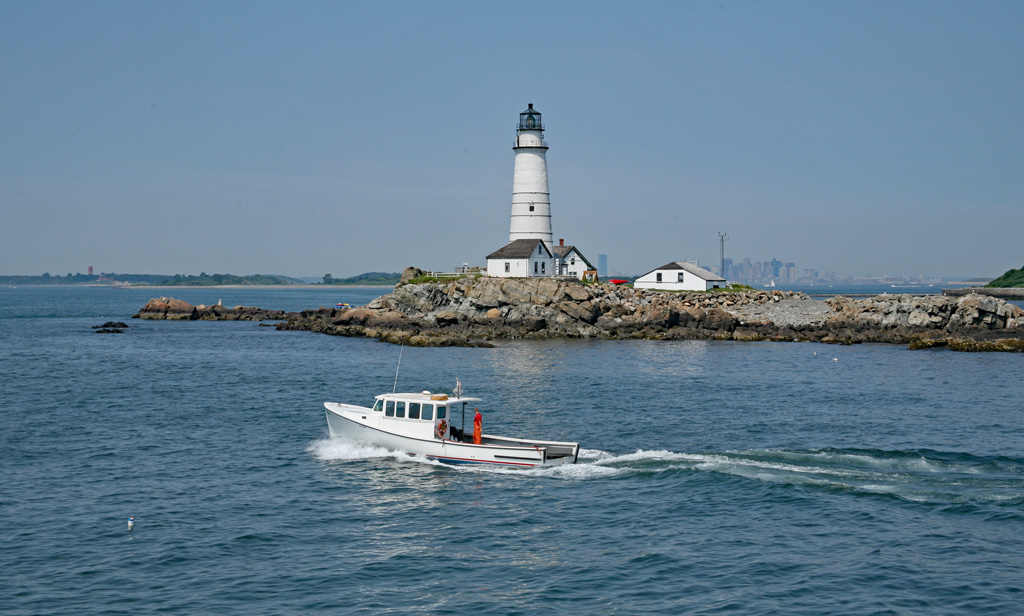
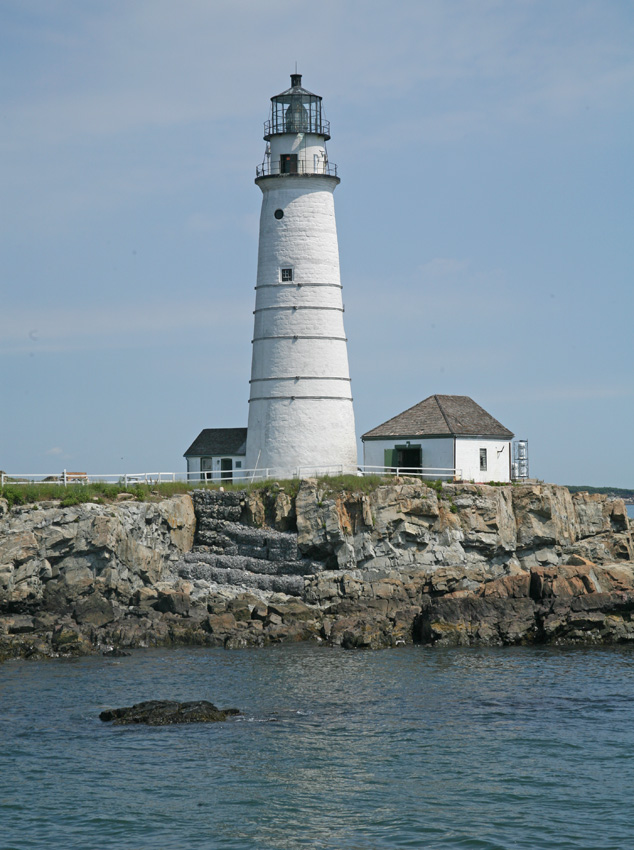
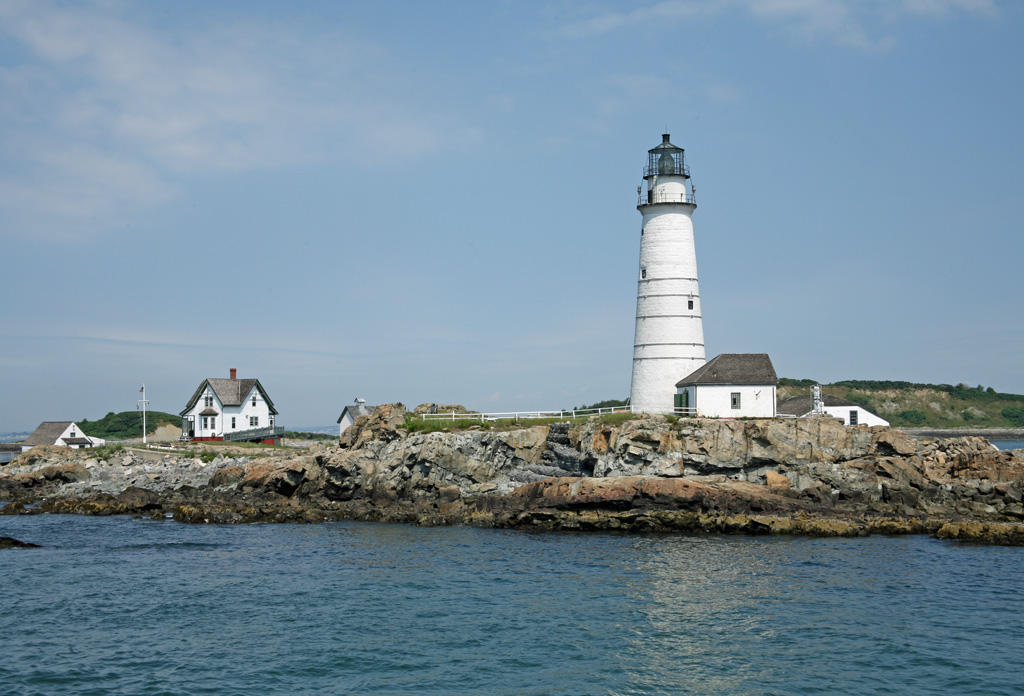
Photo Gallery
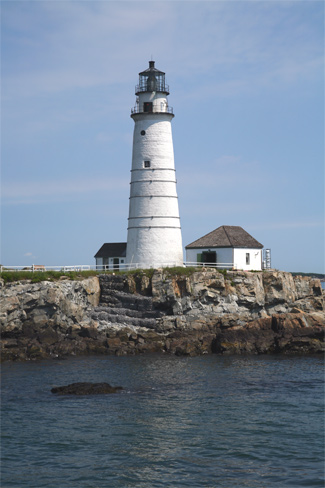
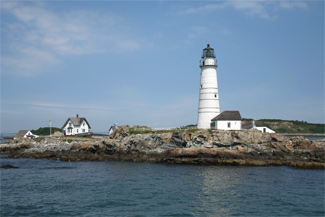
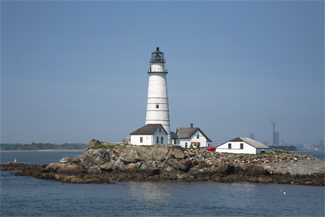
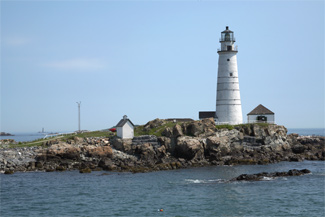
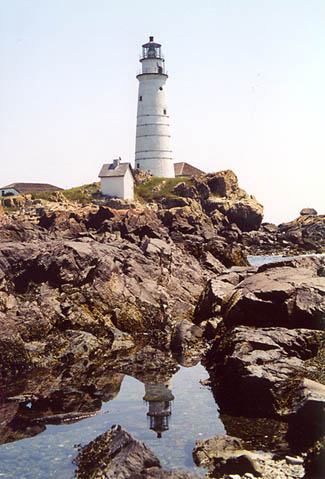
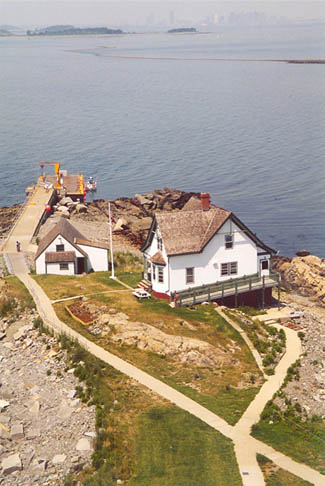
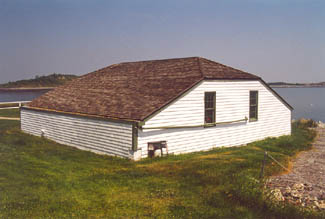
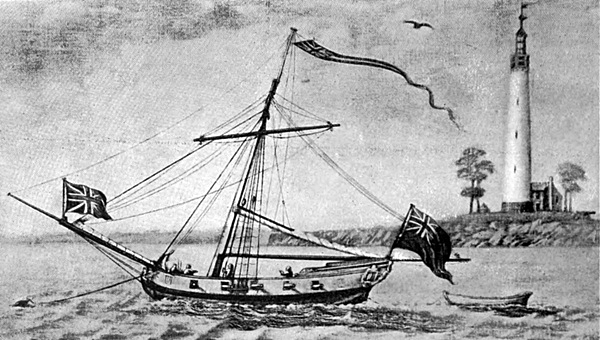
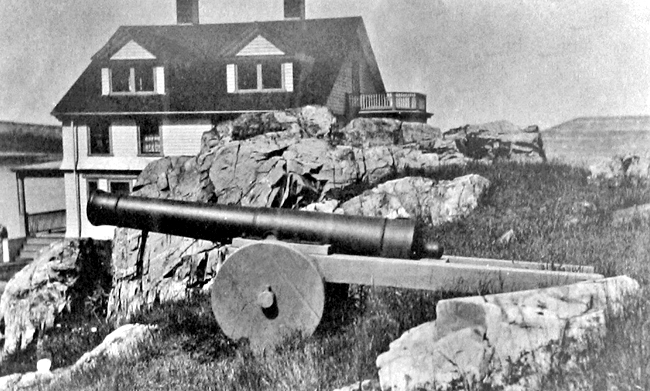
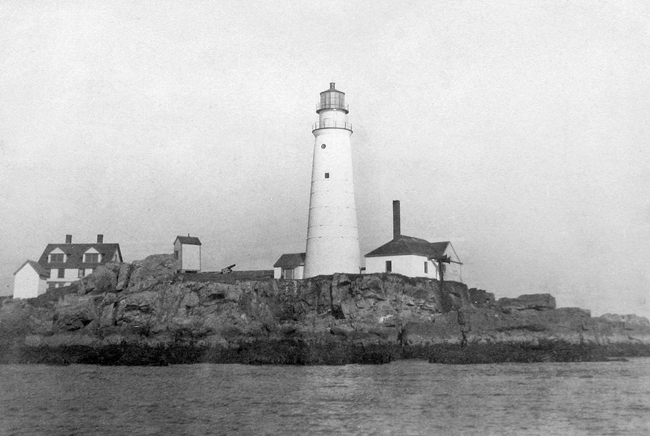
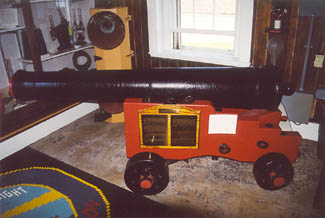
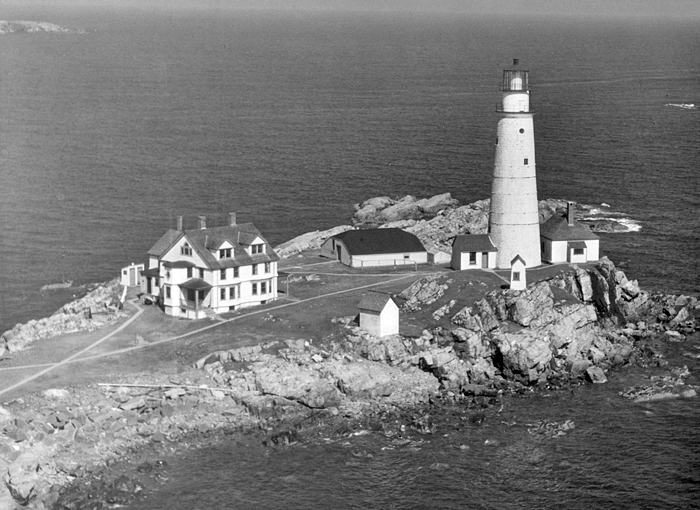
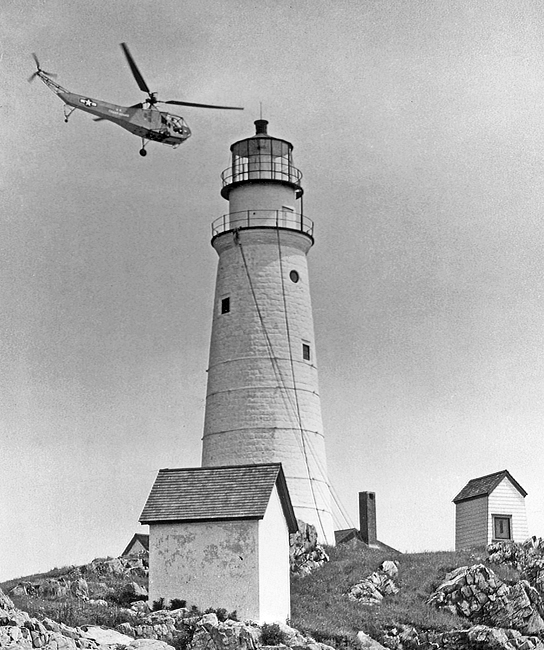
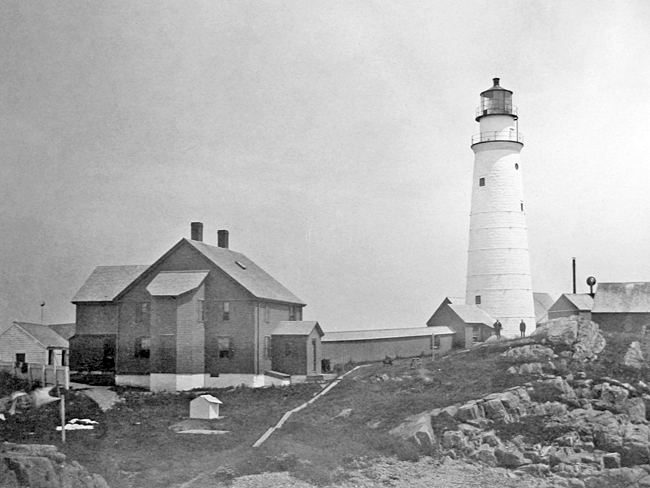
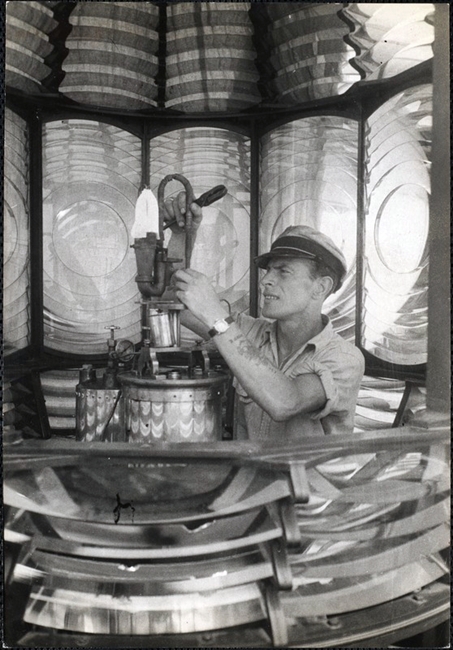
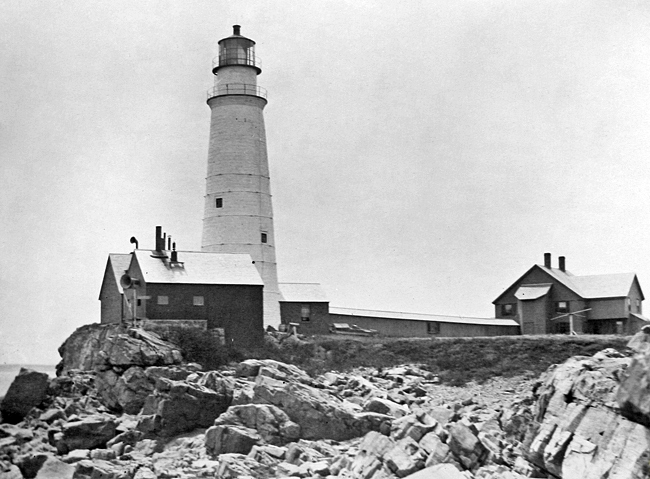
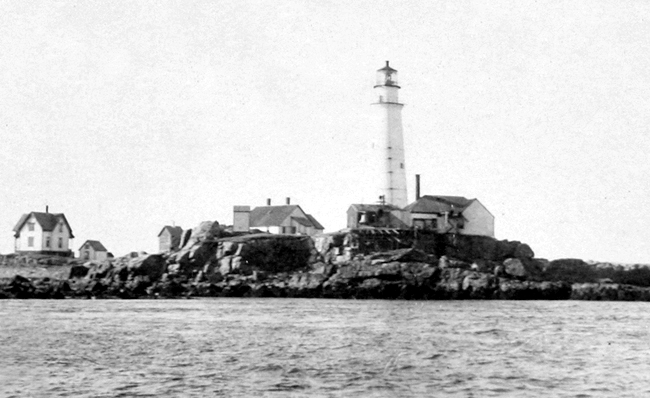
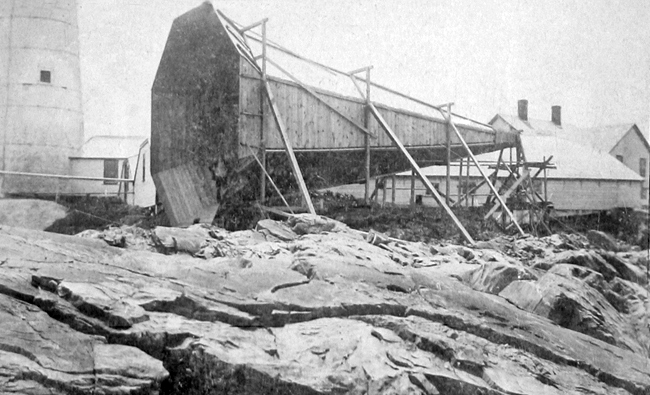
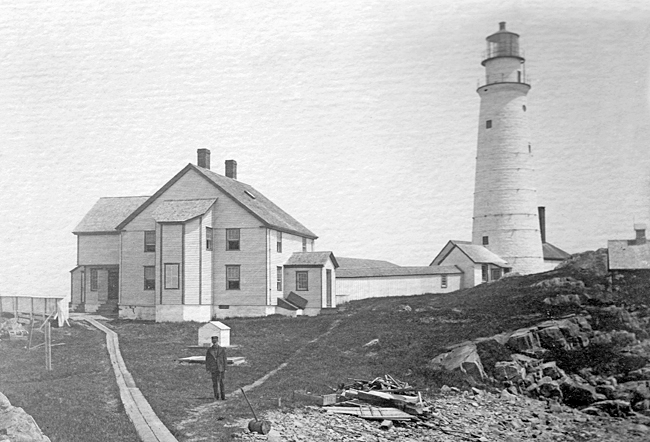
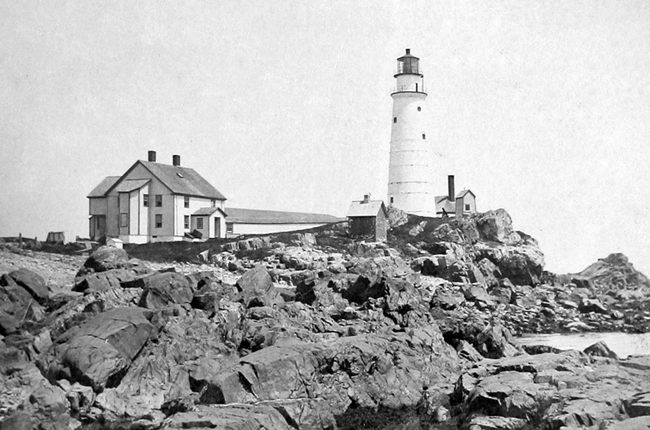
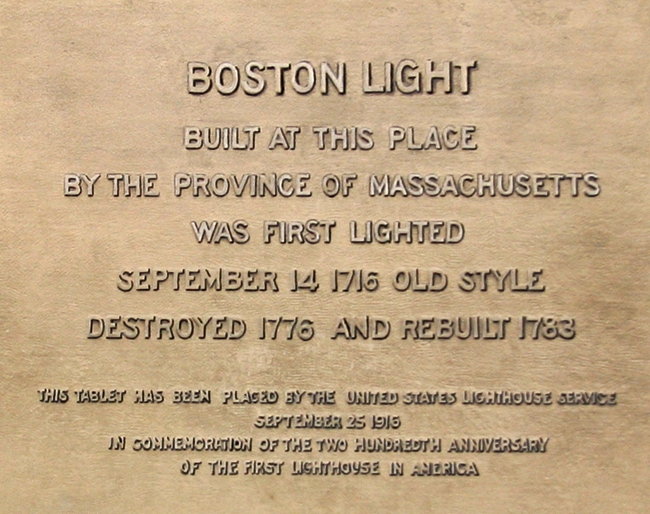
Photo Gallery
Photo Gallery
|
Both the tower and its first two keepers met violent ends. George Worthylake, the first keeper, lived on Little Brewster Island with his wife Ann, two daughters, Ruth and Ann, and the family slave Shadwell. On November 3, 1718, Worthylake and his wife and daughter Ruth were returning from an excursion to Boston. Accompanied by a friend, John Edge, they anchored their sloop near Little Brewster, and Shadwell paddled out in a canoe to bring the party to shore. Worthylake’s younger daughter, Ann, and her friend were watching their progress from the island when suddenly the overloaded canoe capsized and the members of the party were left struggling in the water. The two girls watched, horrified, as one by one each person sank beneath the water and drowned. The tragedy shook the people of Boston. A young Benjamin Franklin wrote a poem about it entitled “The Lighthouse Tragedy” and sold copies of it on the streets of Boston. Soon a second keeper, Robert Sanders, took over, but he also drowned only a few days after accepting the position.
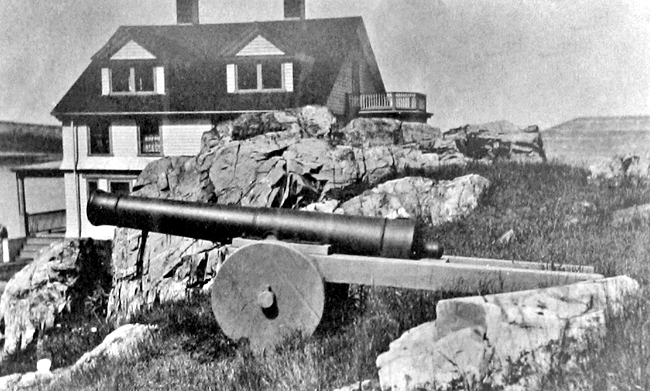
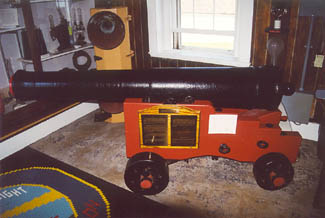
Fortunately the third keeper, John Hayes, survived long enough to make two significant improvements: he requested a gallery be built around the tower’s lantern room so he could keep the glass free of ice and snow, and he asked for some sort of a gun “to answer Ships in a Fogg”. In 1719, America’s first fog signal— a cannon—was installed on the island where it remained until the early 1960s, when it was moved to the Coast Guard Academy. In 1993, the cannon was brought back to the island, where it is on display. Today in heavy fog a siren blasts out twice in rapid succession once a minute.
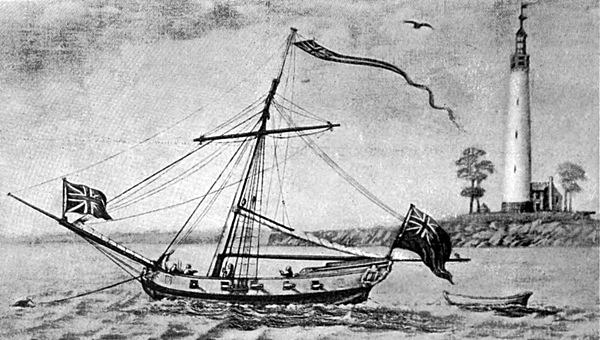
By the 1770s, Boston Lighthouse had successfully guided thousands of ships into the Boston wharves. The prosperity that resulted from the trade was part of the riches the British felt should be funneled to the Mother Country via taxation. The penny-a-pound tax on tea was the final straw for the colonial businessmen, who responded by hosting an invitation-only costume party at the harbor. On December 16, 1773, members of the Sons of Liberty, dressed rather unconvincingly as Mohawk Indians, boarded the vessels of the East Indian Company and dumped 342 chests of tea into the harbor. The British responded by blockading the harbor. Boston Lighthouse, which had previously been maintained by taxes levied on British ships, now was being maintained by British troops.
|
The damage to the lighthouse, though a grand gesture, was not permanent or even very severe, and the British soon sent repairmen to restore it. General Washington knew that the colonists could not allow the British to relight the tower, so he sent a second raiding party, this time 300 soldiers under the command of Major Benjamin Tupper. Arriving in the middle of the night on July 31, the Americans had the element of surprise and the aid of darkness. They quickly defeated the unprepared redcoats, destroyed all the work that had been completed by British carpenters, and set fire to everything that would burn.
The raid would have been an unqualified success except that by then the tide had gone out, leaving the whaleboats they had used for transportation stranded on the beach. Major Tupper knew they had no time to waste before British reinforcements arrived, and ordered his men to push the boats with all their might back into the water. By the time they were again afloat, the British fleet had descended and would have defeated them had not an American artillery piece on nearby Nantasket Head opened fire. The trusty Minutemen lost only one member of their company, while the British suffered heavy casualties. General Washington praised the men as “gallant and soldier-like.”
Although the colonials had removed the light from the harbor, they had not removed the British. Enraged by the continued British occupation of the harbor, Samuel Adams devised a scheme to drive away the blockaders. On June 13, 1776, American troops armed with cannons headed for Nantasket Head and other strategic islands in the harbor. The next morning the British fleet awoke to a fiery assault that soon drove them back to the high seas.
Before abandoning Boston Harbor, one of the ships put a small party ashore on Little Brewster Island, where they attached a slow-burning fuse to a keg of gunpowder. The blast destroyed the remains of the lighthouse.
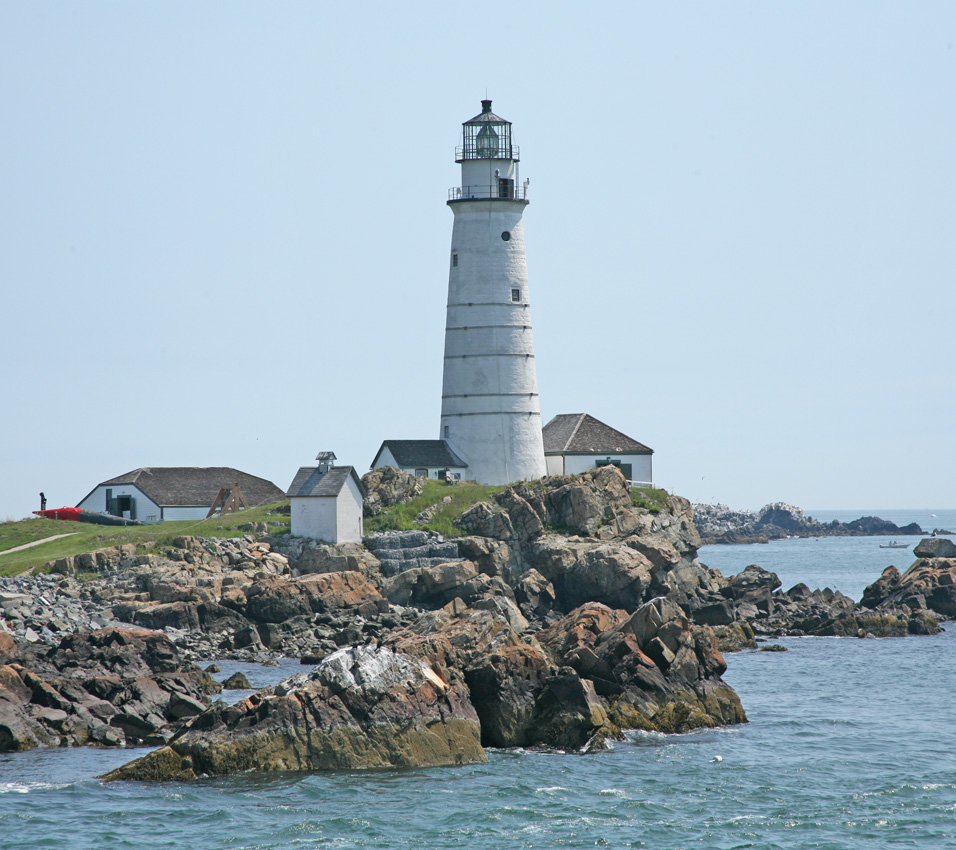
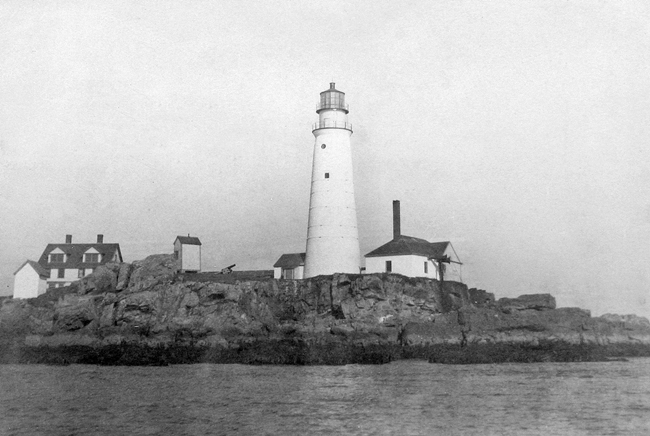
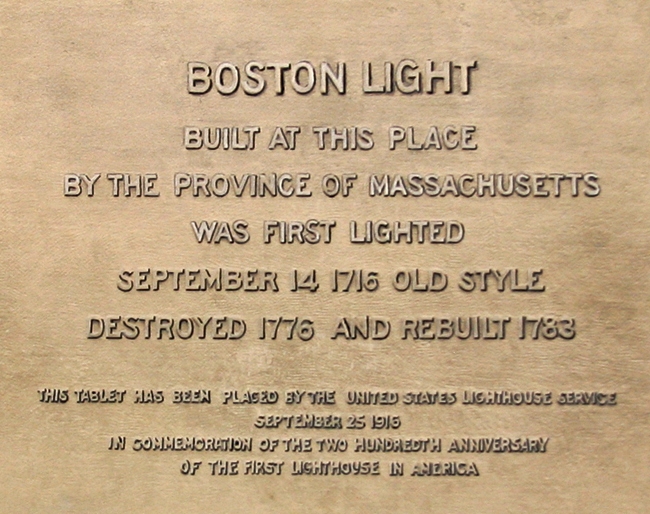
In 1780, Massachusetts Governor John Hancock asked the legislature to fund a new tower. By 1783 the new seventy-five-foot tower, designed “to be nearly of the same dimensions of the former lighthouse” was lit, and Little Brewster Island once again served as an aid to the many ships entering and leaving the harbor.
|
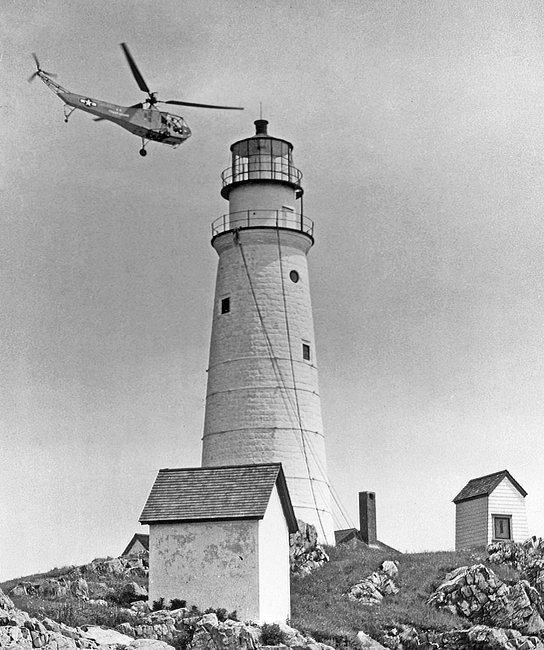
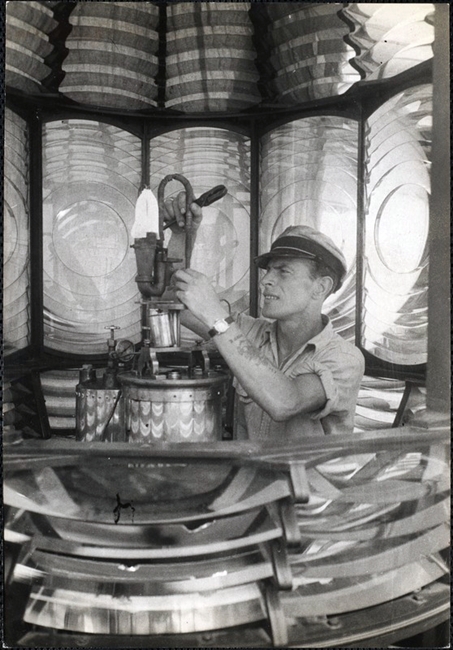
Initially the tower housed oil lamps; sixteen lamps were in place in 1789 when the Federal Government took possession. In 1811, fourteen of the more effective Argand lamps, mounted on a rotating case and backed by parabolic reflectors, replaced the old oil lamps. I.W.P. Lewis installed a new lantern room and lighting apparatus atop the tower in 1839, using fourteen twenty-one inch reflectors and an equal number of lamps that Captain M.C. Perry of the U.S. Navy had acquired in England. The apparatus had two faces, each with seven lamps and reflectors, and it completed a revolution every three minutes. When the tower was raised to eighty-nine feet, it was also refitted with a twelve-sided second-order Fresnel lens.
Fortunately, the lighthouse that had faced such drama during the early days of the American Revolution was too far north to suffer damage during the Civil War, but it was not immune to succeeding conflicts. During both the War of 1812 and World War I, the light was dimmed so as not to be of use to enemy ships, and from late 1941 to July of 1945 Boston Light was extinguished altogether.
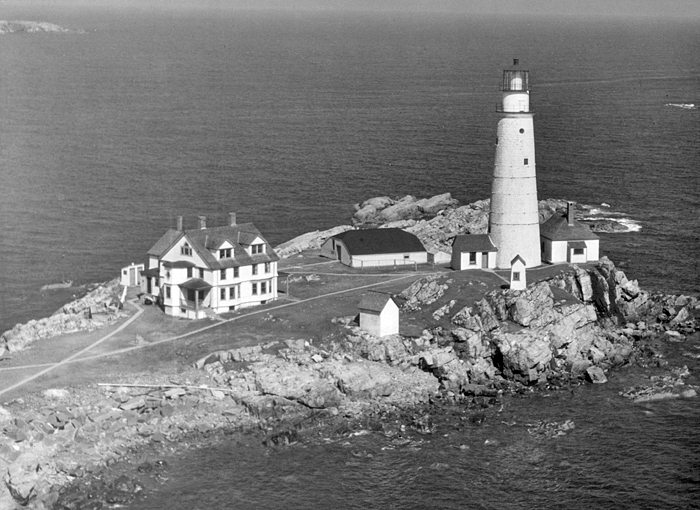
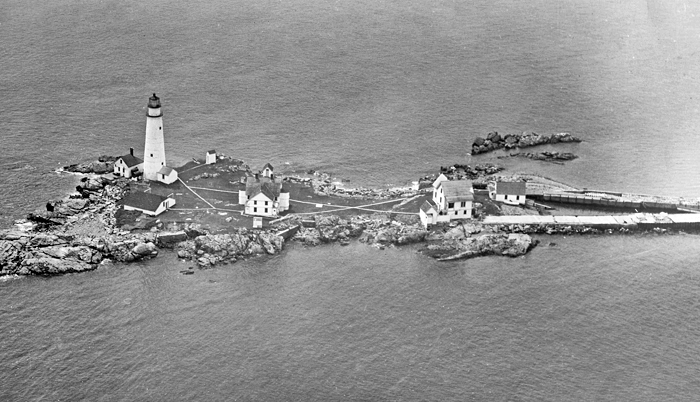
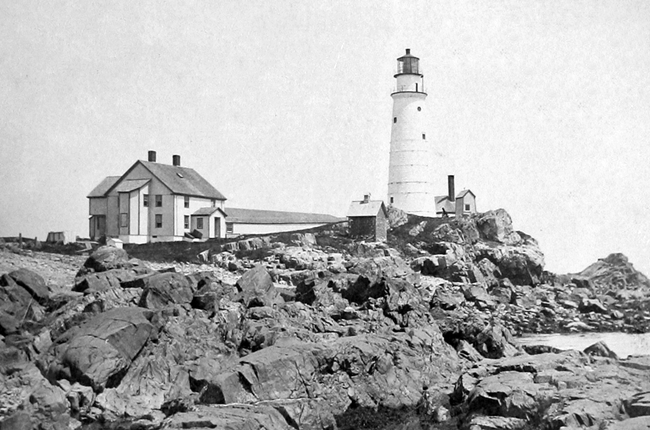
In 1871, two frame buildings were built to house a first-class Daboll fog-trumpet, which replaced a bell as the station’s fog signal, and then in 1876, a twenty-two-foot-square brick building was erected just east of the lighthouse to house the fog signal equipment.
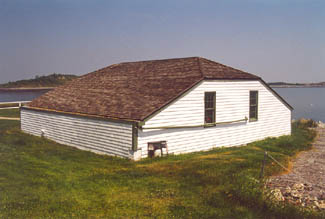
The Lighthouse Board noted in 1883 that the Daboll trumpet at Boston Light seemed “to fail when most needed to indicate the locality.” The signal could be heard at times from great distances, but then was often lost until mariners were almost next to the island. A new frame fog-signal house was built on the island for a ten-inch steam whistle and a siren, which were set up to determine if they could be heard better than the Daboll trumpet. Careful experiments led the Lighthouse Board to conclude that the steam siren was the best fog signal for the station. The Daboll trumpet and whistle were accordingly removed, and a duplicate siren took their place. The brick and the wooden fog signal house were “altered, renovated, and united into one” to hold two steam sirens with their boilers, coal-bunker, and cistern. Water for the cistern was fed by a well, but it proved to be brackish, and two rain-sheds were built to capture an abundant supply of fresh water.
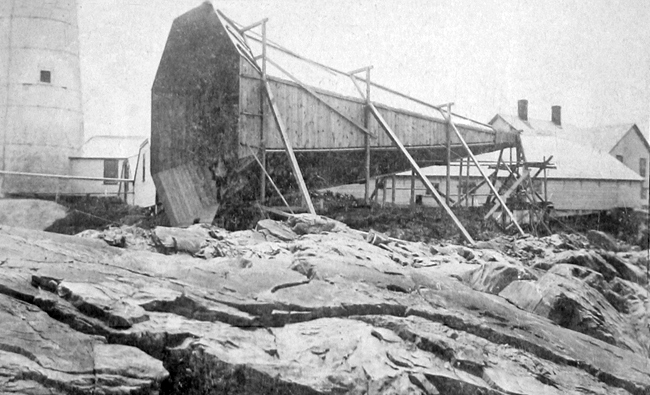
The station’s steam fog siren didn’t solve the “dead zone,” which continued to be experienced by mariners near Hardin Ledge, about two-and-a-half miles southeast of the lighthouse. In 1894, a “sort of experimental fog-signal station” was established on Little Brewster Island with a battery of different types of signals that included five bells of various sizes, whistles and Daboll trumpets powered by compressed air and steam, and paper bombs that were lofted into the air. One of the more novel adaptations was the use of a fifty-five-foot-long, octagonal, wooden horn, with a maximum diameter of twenty-five feet, that was attached to a second-class Daboll trumpet.
Tending the fog signal was a significant chore for the keepers on Little Brewster, and this was especially true during the summer of 1938. That July, the foghorn sounded for sixty-one consecutive hours – a record for the station. The keepers jointly breathed a sigh of relief when the fog began to lift.
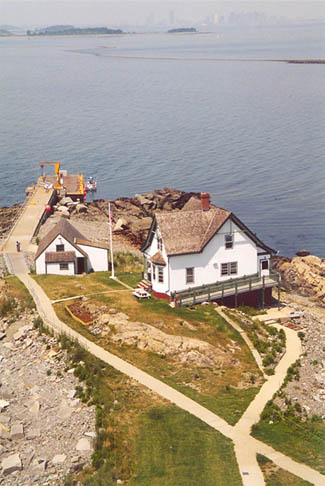
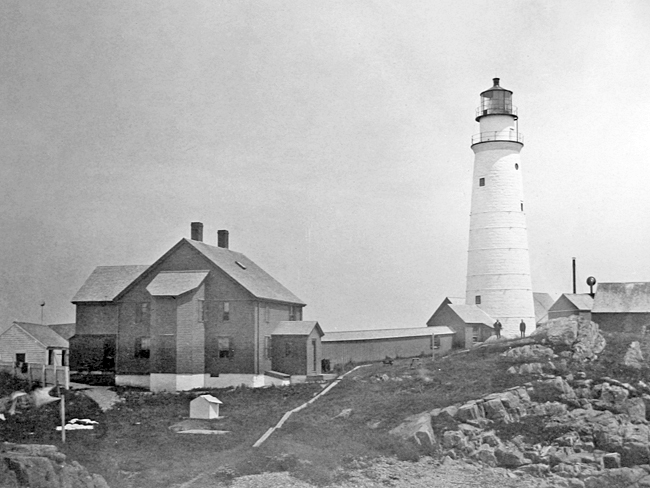
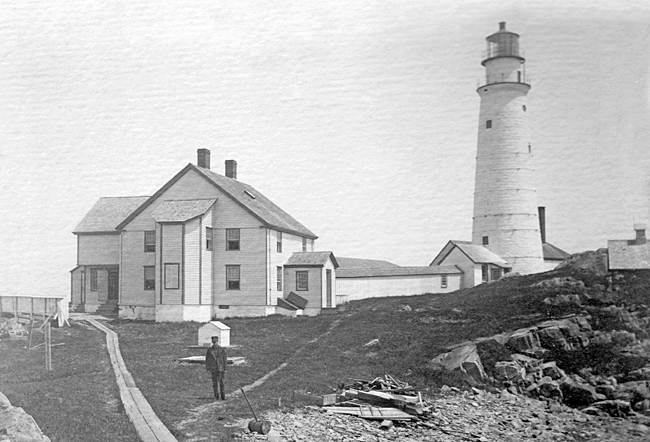
A one-and-a-half-story frame dwelling was built in 1885 for the head keeper, while the station’s two assistants shared a double dwelling closer to the tower. A brick oil house was added in 1889.
|
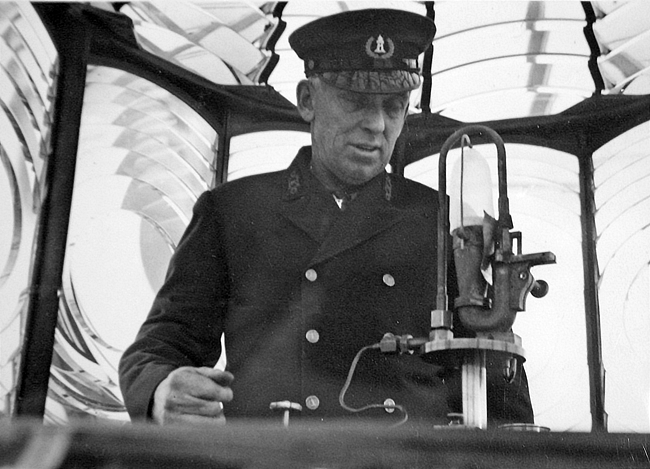
James L. Hart, who was head keeper of the light from 1919 to 1926, was commended more than once for rendering assistance to occupants of vessels that ran aground near the lighthouse. On April 1, 1924, Hart and his two assistants rescued three men who had to abandon their boat after it struck the ledges near Outer Brewster Island. The men were cared for at the station until the Coast Guard arrived at the station to take them to the mainland. Three years earlier it wasn’t a stranger but one of the keepers themselves that needed rescuing. Second Assistant Tom Small was near the station in 1921 when the small boat he was traveling in capsized. Keeper Hart and his first assistant sprang into action and, aided by Arthur Small, keeper of the nearby Narrows Lighthouse, managed to save Tom Small from drowning.
In 1948, Boston Light was electrified, and by 1989 every lighthouse in the United States had been automated except Boston Light. Perhaps fittingly, the first lighthouse on American shores was the last to succumb to modernization. With the combined efforts of preservation groups and Massachusetts Senator Edward M. Kennedy, funds were appropriated to keep Coast Guard staff at Little Brewster Island and turn the lighthouse into a living museum of lighthouse history. Boston Light did become automated on April 16, 1998, but a Coast Guard crew still performed keeper duties as the Coast Guard Authorization Act of 1989 stipulated that Boston Light be operated on a permanently manned basis.
In 2003, the Coast Guard hired Sally Snowman to serve as keeper of Boston Lighthouse, and she continued to serve until the end of 2023 as the country’s only lighthouse keeper. Snowman grew up on Boston Harbor, and her father took her out to visit the light when she was just ten. Sally met her husband when the both were serving in the Coast Guard auxiliary, and the couple was wed at Boston Light in 1994.
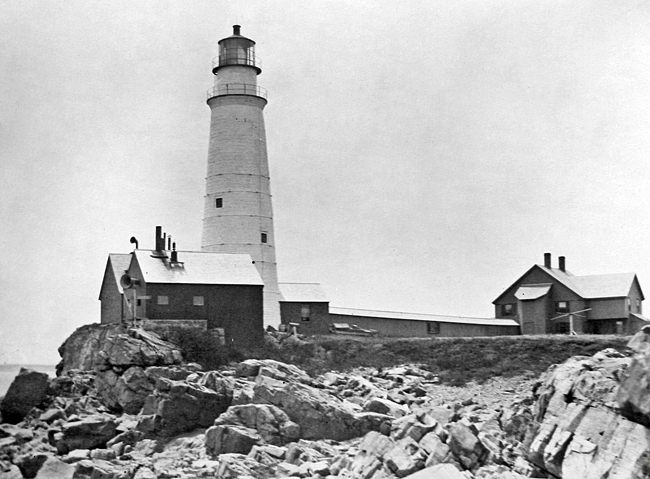
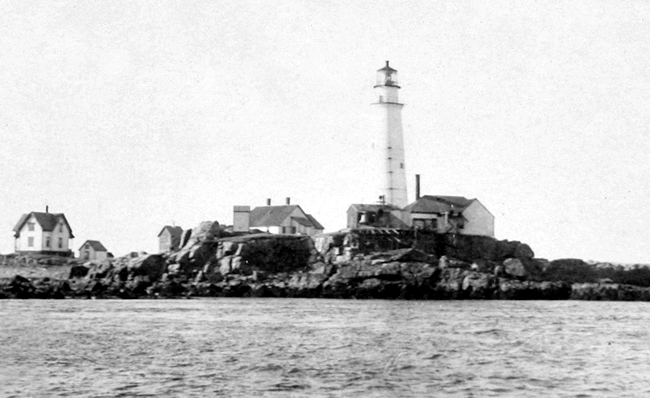
Boston Light was designated a National Historic Landmark in 1964, and Little Brewster Island itself became part of the National Park Service’s Boston Harbor Island National Recreational Area in 1996. The two-million-candle-power light atop Boston Lighthouse is visible for sixteen miles and can be seen shining twenty-four hours a day as a reminder of the inextinguishable American spirit.
In 2014, the Coast Guard announced a $1.5 million project to repaint and refurbish the lighthouse and other station buildings in time for the celebration of the light station’s tricentennial in 2016. The project was completed on schedule in the spring of 2016. A tricentennial celebration was held at Long Wharf in Boston on September 4, 2016 with speeches by Coast Guard Commandant Adm. Paul Zukunft and Boston Mayor Martin Walsh and on Little Brewster Island.
In 2020, it was announced that Boston Harbor Lighthouse, deemed excess by the Coast Guard, was being offered at no cost to eligible entities, including federal, state, and local agencies, non-profit corporations, and educational organizations under the provisions of the National Historic Lighthouse Preservation Act of 2000.
Keepers:
References