Miah Maull Shoal, NJ 

Select a photograph to view a photo gallery
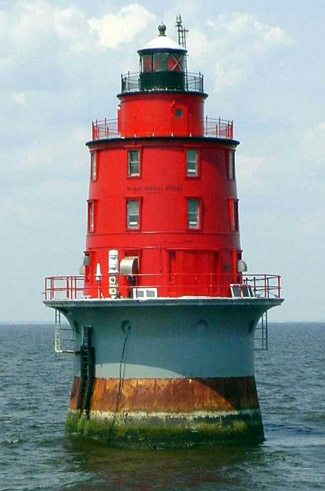
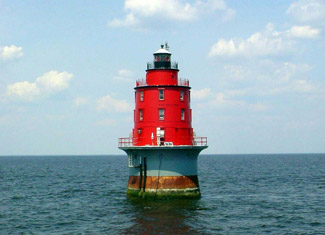
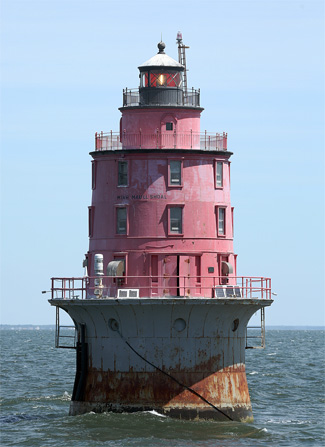
Photo Gallery
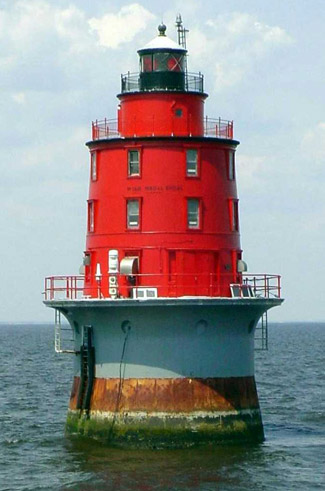
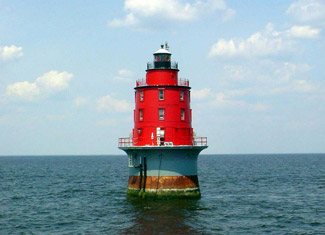
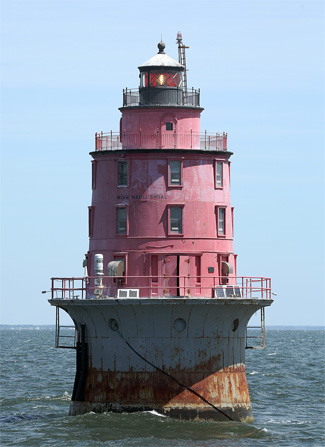
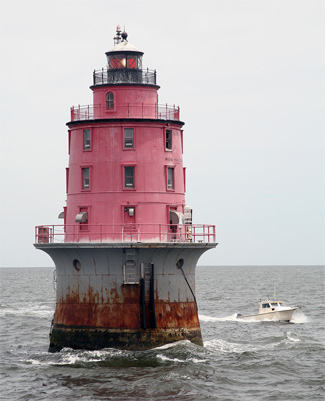
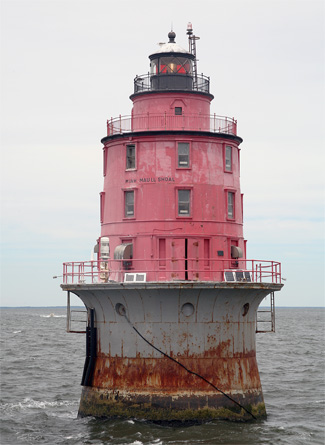
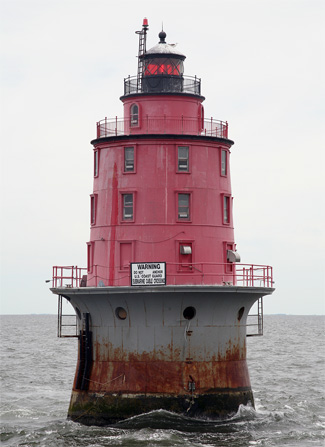
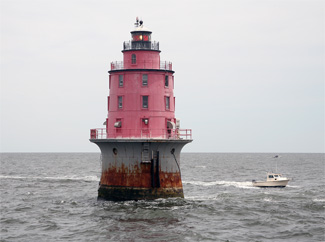
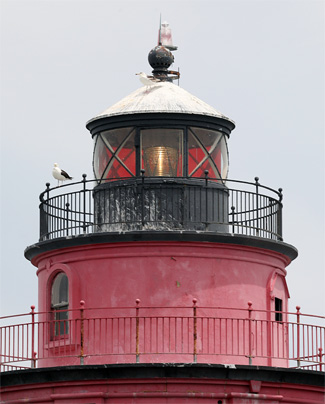
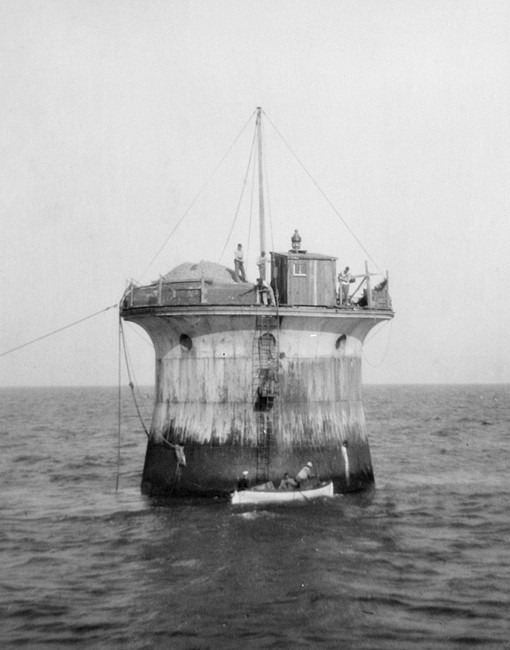
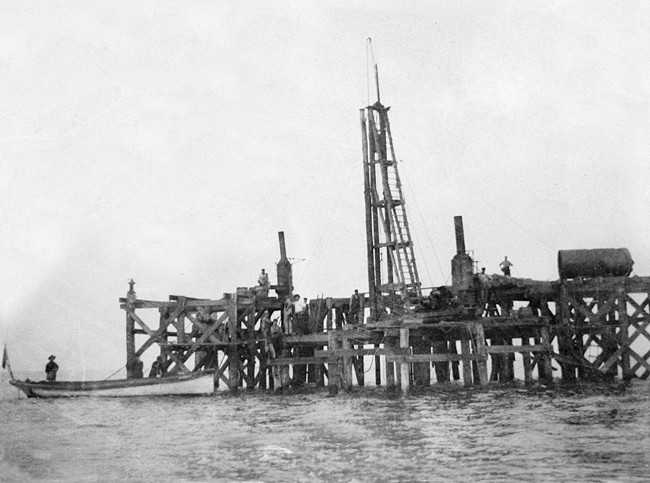
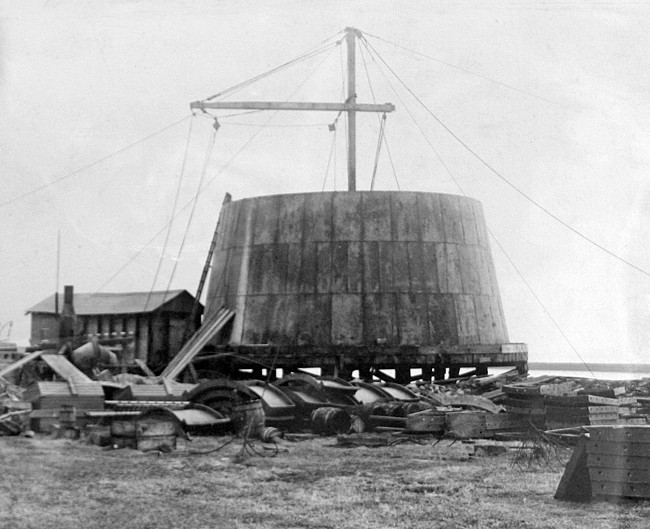
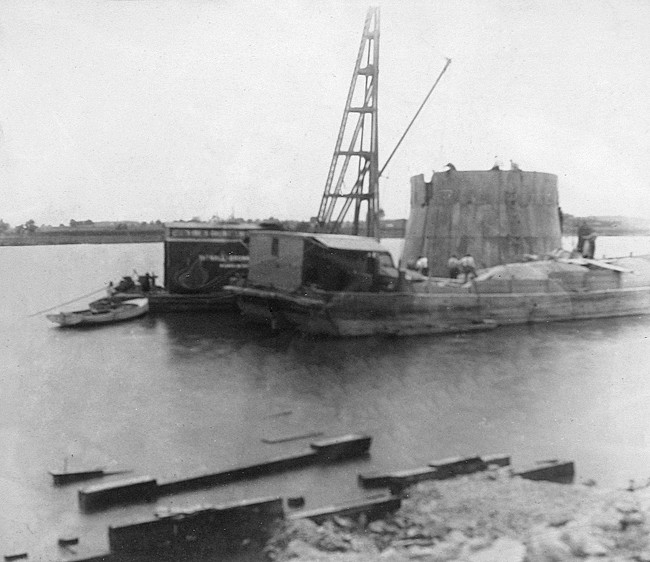
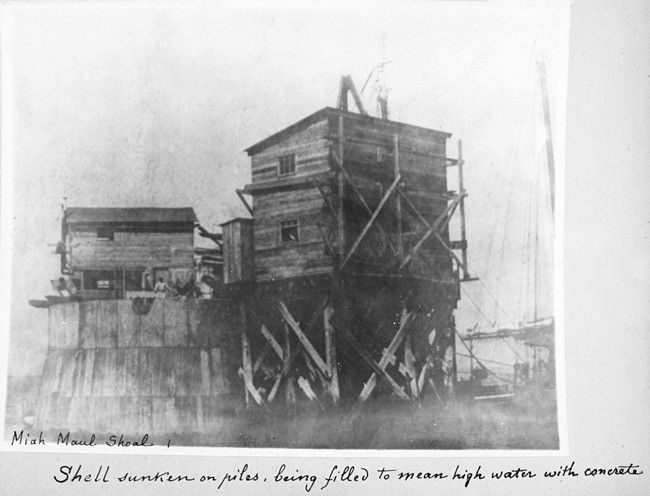
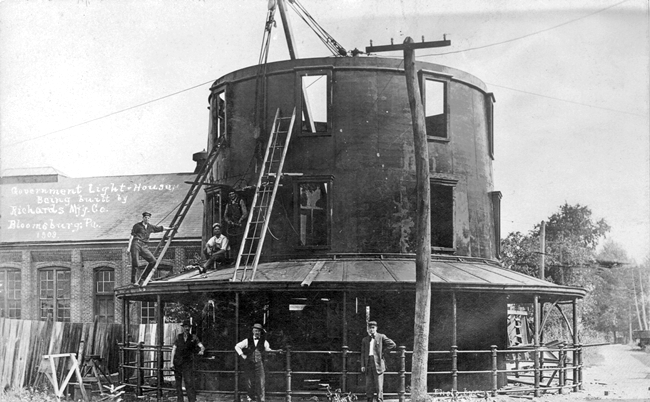
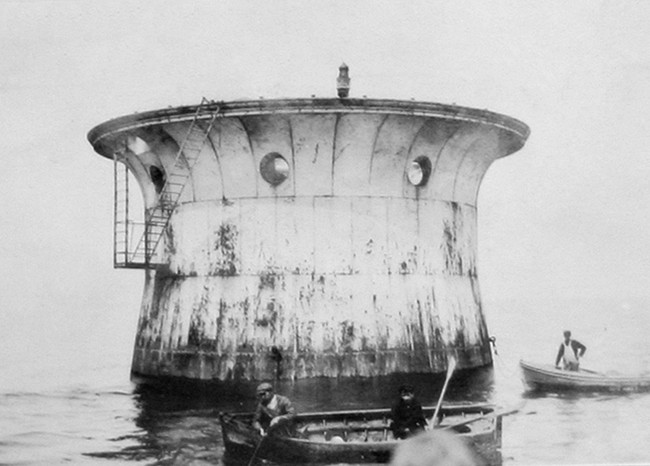
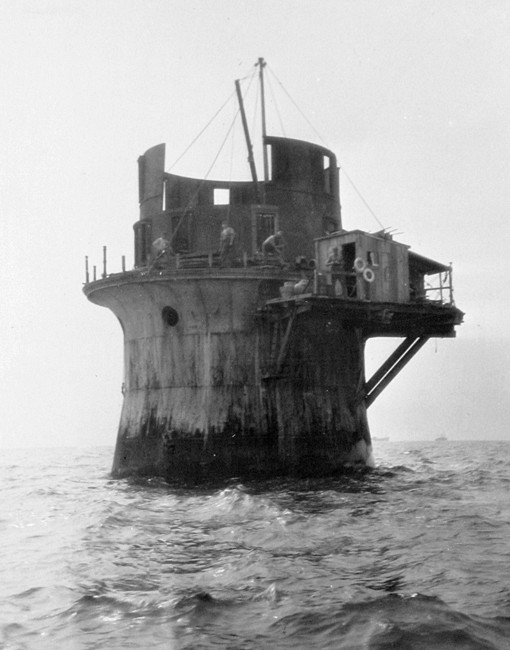
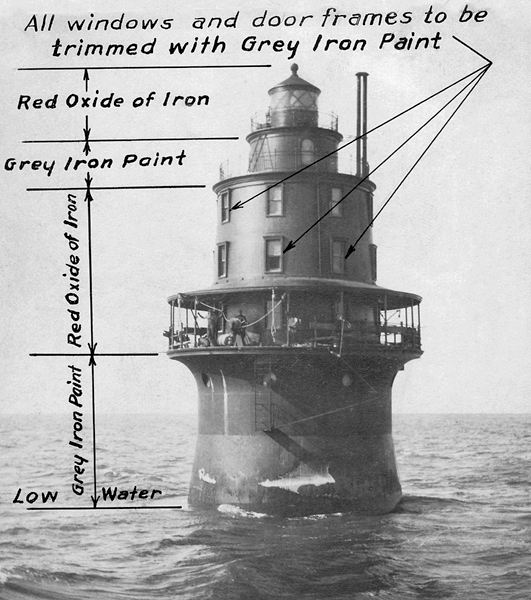
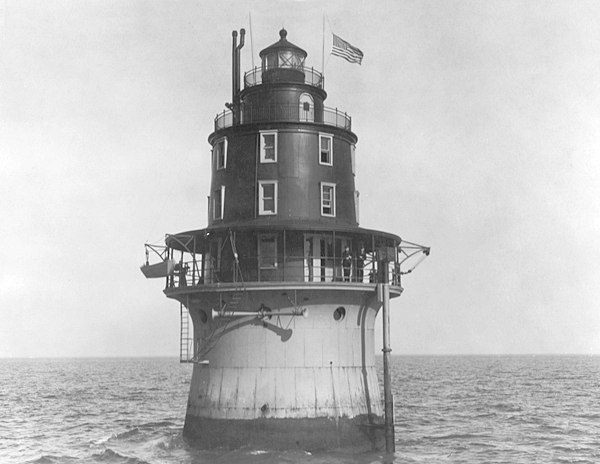
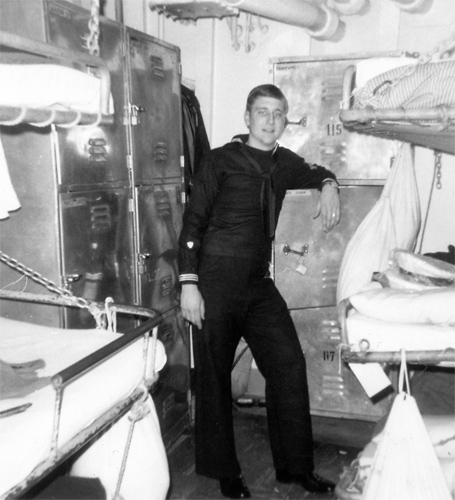
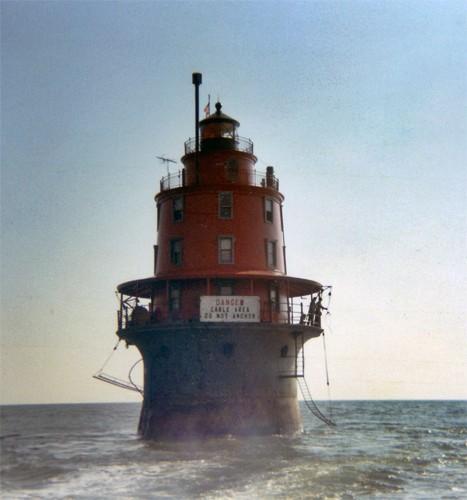
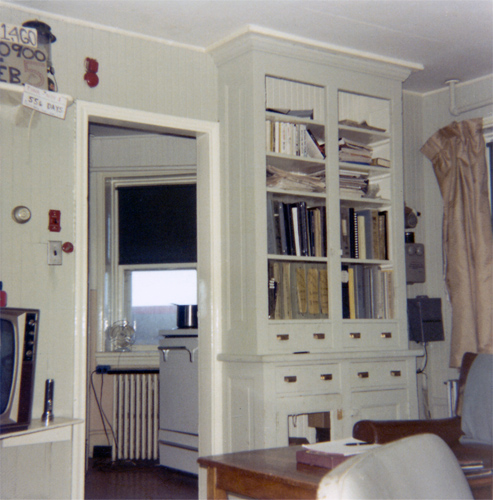
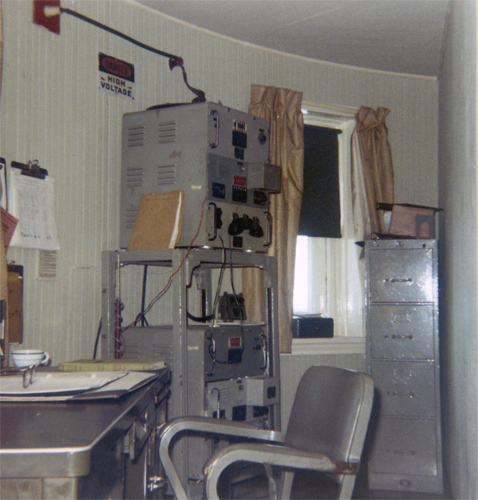
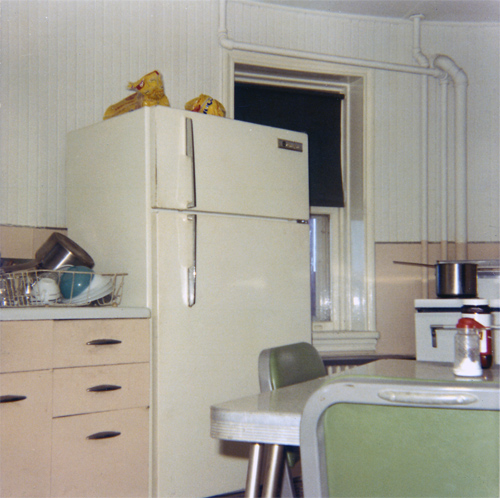
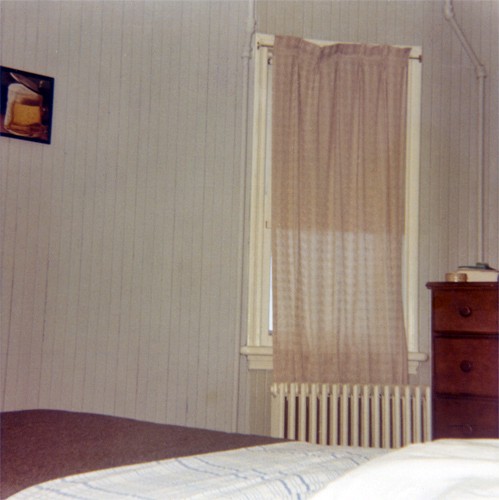
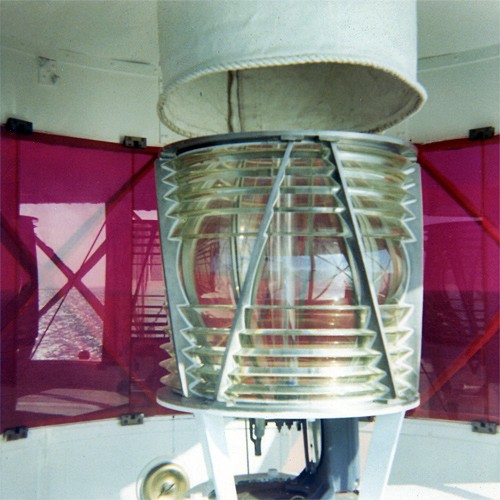
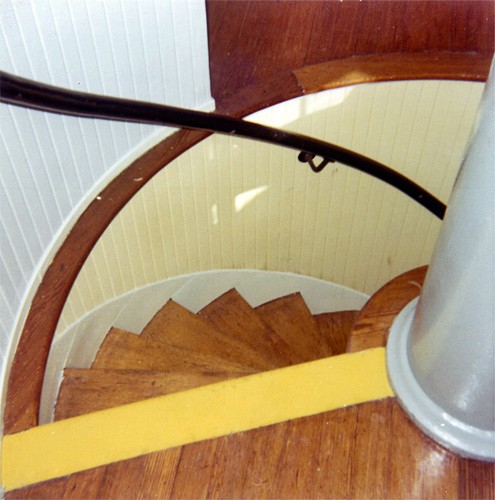
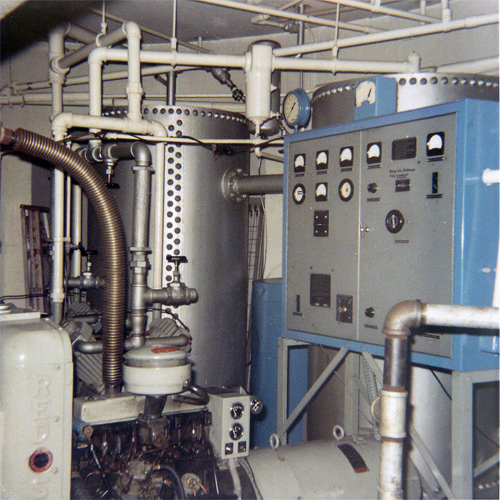
Photo Gallery
Photo Gallery
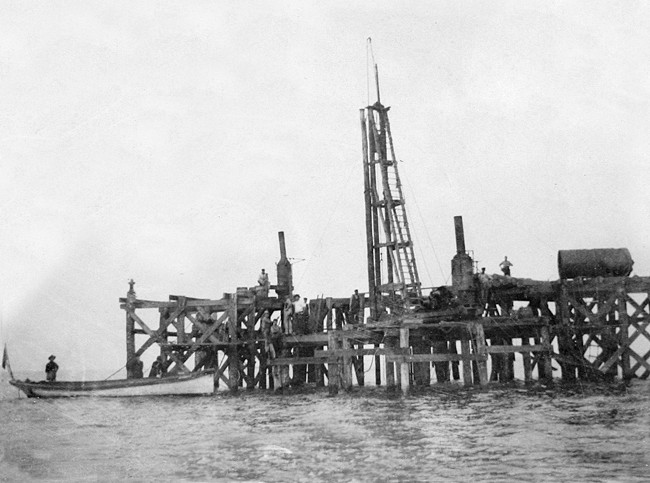
With a width of 800 yards and a length of 1,000 yards, Miah Maull Shoal lies just east of Delaware Bay’s main shipping channel. Though late in coming, a lighthouse for the shoal was finally recommended by the Lighthouse Service in 1904 at a projected cost of $75,000. Congress allocated $40,000 for the project in 1906, and the remaining $35,000 the following year. With the lighthouse fully funded, a test boring was made on the proposed site, a circular area with a diameter of 400 feet that was ceded to the federal government by the State of New Jersey.
|
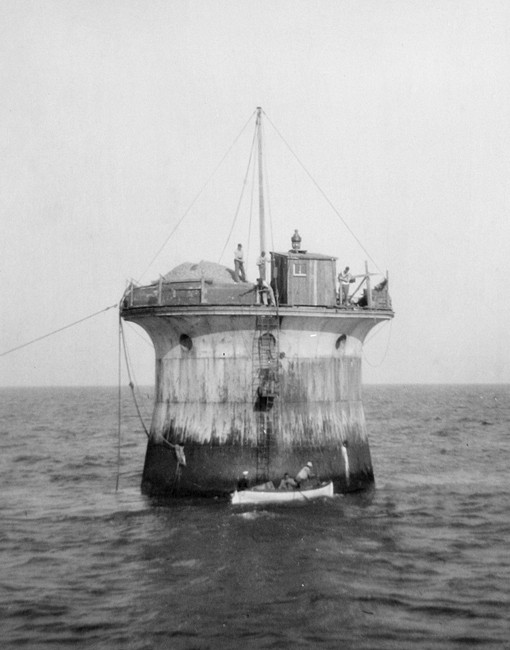
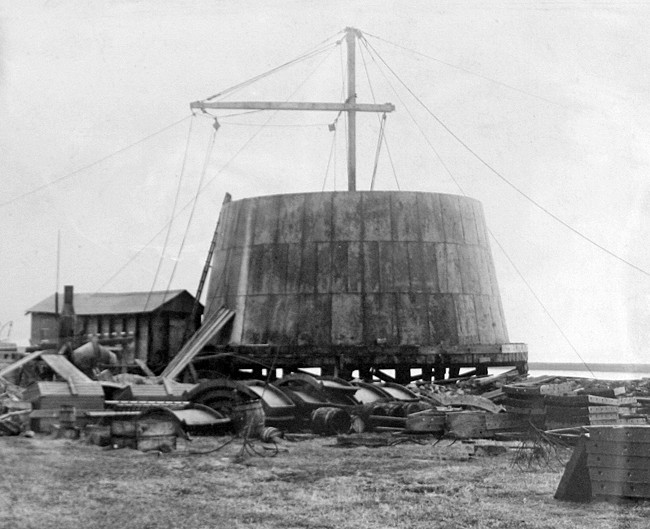
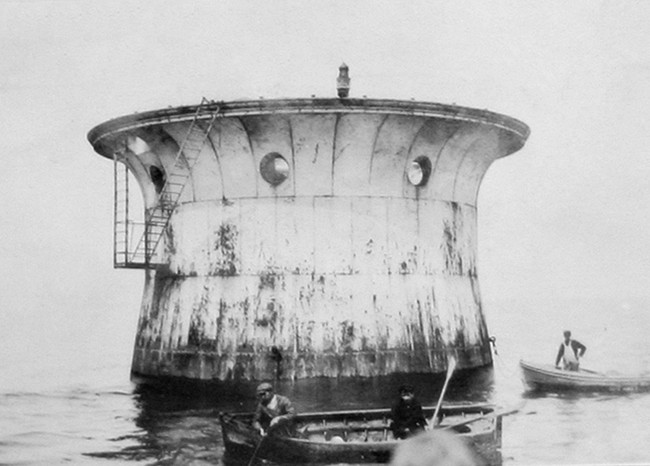
The Annual Report of the Lighthouse Board for 1909 described the caisson foundation being assembled at the depot : “This shell is 40 feet in diameter at the bottom, sloping to 30 feet in diameter at the height of 30 feet. It has a bell-shaped top course 40 feet in diameter, with a cornice, and is 42 feet 8 inches high. The shell is to rest on a 24-inch course of 12 by 12 inch cross timbers bolted together water-tight, and finally placed in position and filled with concrete. The grillage and three courses of the foundation shell were erected on launchways at the Christiana light-station in October and November, 1908.”
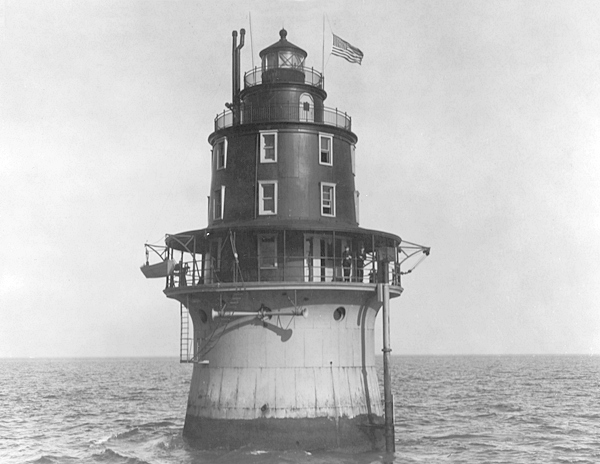
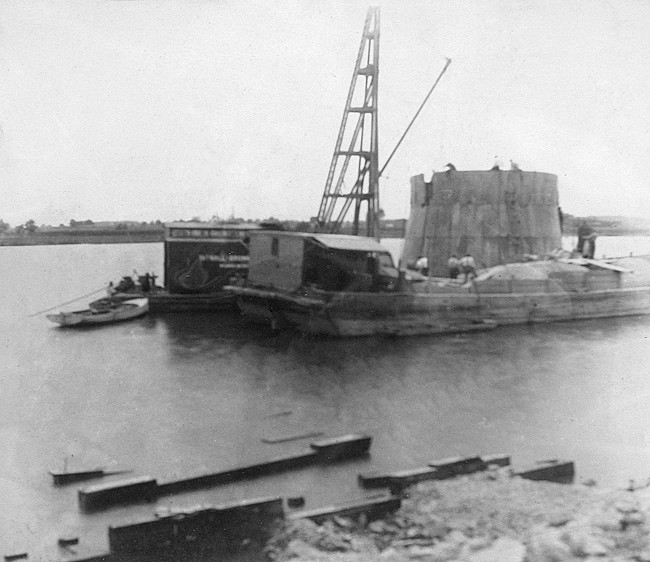
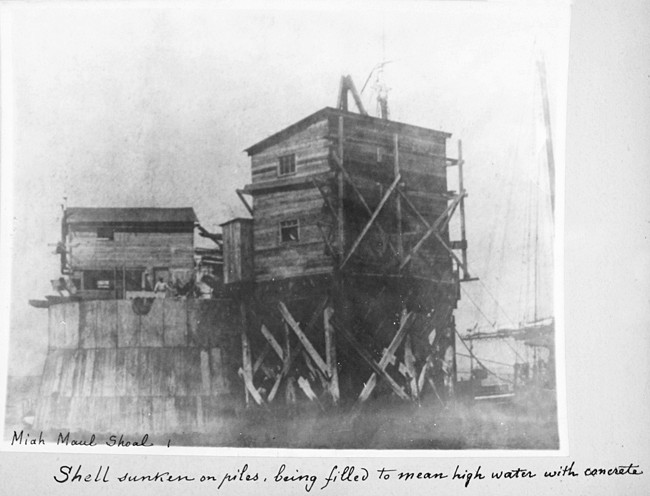
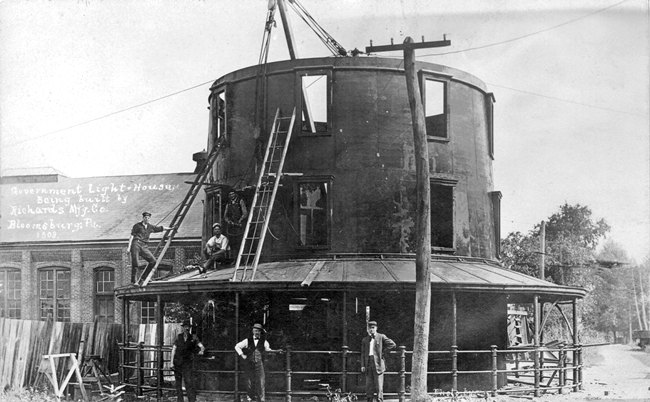
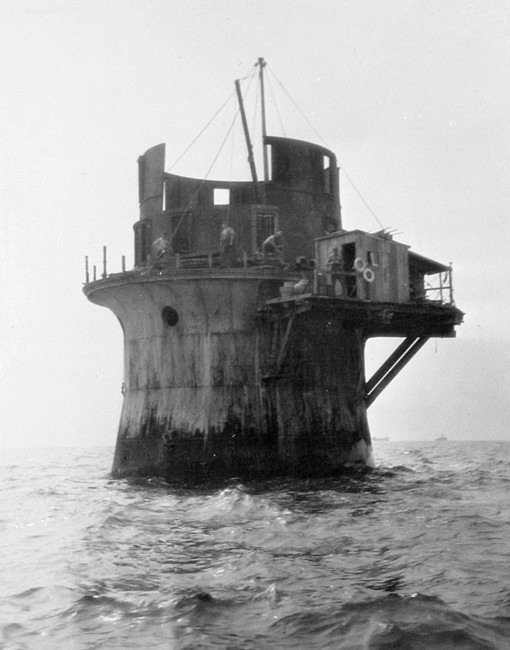
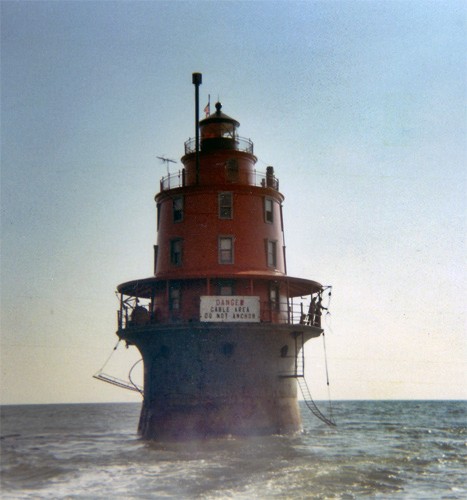
When the original contractor was unable financially to continue work on the foundation, a new contract had to be drawn up for Tatnall Brown Company of Wilmington, who, starting in June 1909, launched the shell, transported it to the site, and filled it with concrete. To protect the foundation, a four-foot-thick layer of riprap, having a diameter of 160 feet, was placed around the base of the caisson. In the meantime, Richard Mfg. Co. of Bloomberg, Pennsylvania was working on the cast-iron lighthouse superstructure, which was “in the form of a frustum of a cone, three stories high, surmounted by a watch room and fourth-order helical bar lantern, and surrounded at the base by a veranda.”
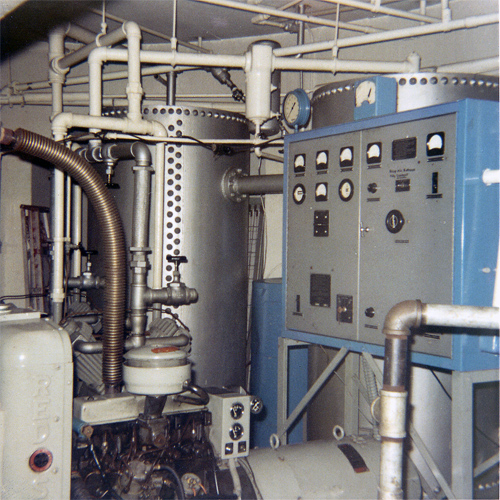
A temporary light, mounted atop the completed lighthouse foundation, became operational on September 13, 1909, and this makeshift beacon would have to serve for a couple of years as funds for Miah Maull Lighthouse were depleted. Congress provided an additional $30,000 on March 4, 1911, and a contract for erecting the superstructure and completing the station was made on April 4, 1912. Work at the site began in May 1912, and over the next few months, the lighthouse was pieced together atop the foundation. A permanent light and temporary fog signal, a 2,000-pound bell struck by machinery, were established on February 15, 1913. The station’s third-class Daboll foghorn went into operation on December 5, 1913 and had two trumpets, one pointing up the bay and the other down the bay. Two, five-horsepower kerosene engines powered an air compressor, which compressed the air up to 100 pounds per square inch. The total cost of the station was $104,102.
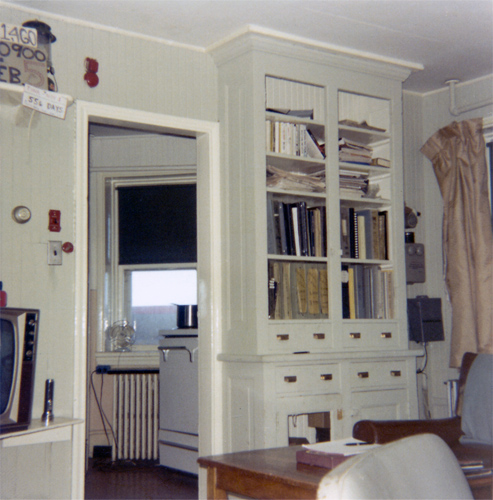
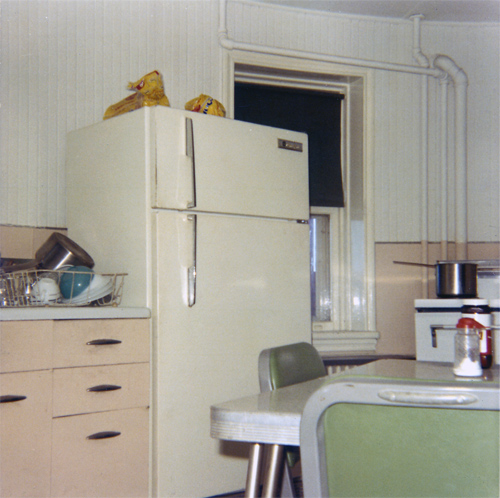
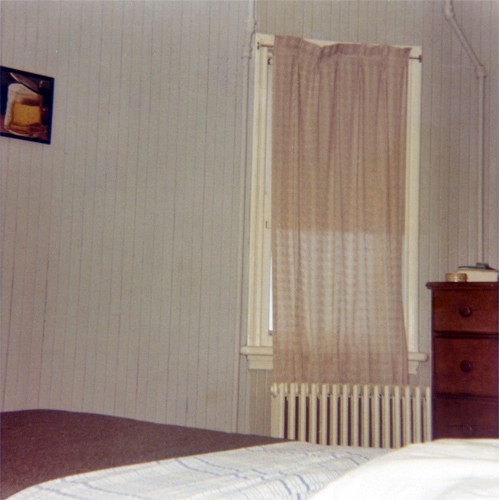
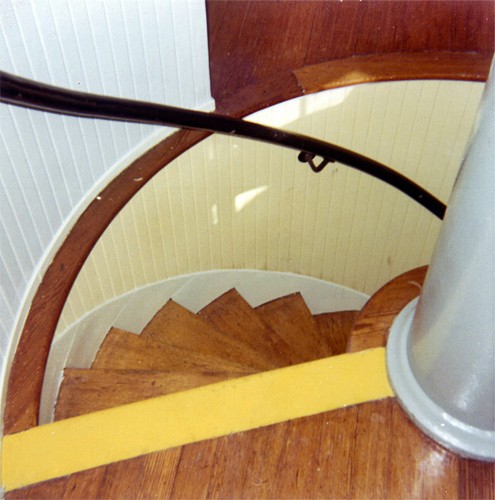
The living quarters for the keepers consisted of a kitchen and dining room on the first floor, two bedrooms and a bathroom on the second floor, and another pair of bedrooms on the third level.
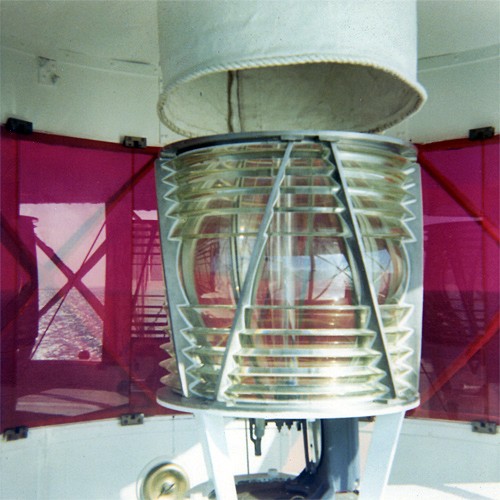
The original lens used in Miah Maull Lighthouse was manufactured by Barbier, Benard & Turenne of Paris in 1912 and was marked as “456 – U.S.L.H.S.” The lens completed one revolution every fifteen seconds atop steel ball bearings, and ruby glass was positioned in the lantern room to mark the shoal side of the lighthouse. The same year in which the lens was manufactured the following appeared in the Lighthouse Service Bulletin:
Until recently it has been necessary to procure all the cut-glass lenses used in the Lighthouse Service from either France, England, or Germany, most of them coming from France. The making of a lighthouse lens has hitherto been largely a matter of manual labor, and, as labor abroad is cheaper than in this country, the American manufacturers have declined to compete with foreign makers.Recently the matter has been taken up with an American firm of glass manufacturers with the idea of ascertaining if a better lens could not be made in this country than abroad using some modern manufacturing methods.
The American firm of Macbeth-Evans started with fifth-order Fresnel lenses, and when these were mastered, the firm began manufacturing a number of fourth-order fixed and flashing lenses. The first of the fourth-order lenses, which could now be manufactured for less than those furnished from abroad, was delivered to the general depot on Staten Island and when tested was found to be superior to foreign lenses. The cost-savings was possible since the prisms were “formed by machines instead of by hand.”
|
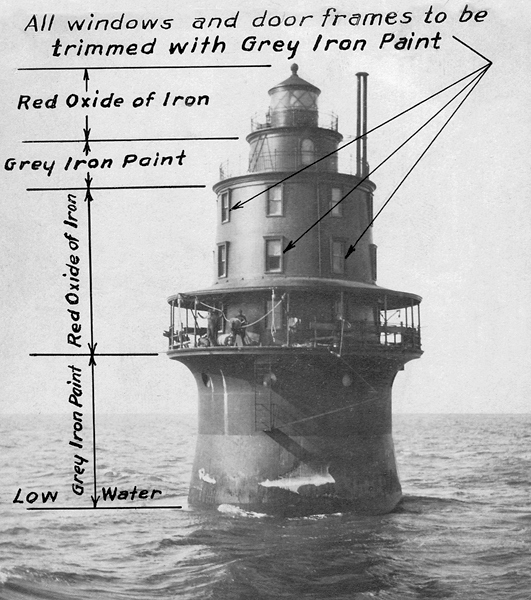
The lens isn’t the only thing at Miah Maull that is not original. The current color scheme used on the lighthouse, a red conical tower on a gray conical pier with a black lantern, was applied in 1931. Before then, the lighthouse was brown.
The Lighthouse Service assigned three resident keepers to Miah Maull Shoal Lighthouse: a head keeper, and two assistants. Besides minding the light, the keepers also kept an eye on the surrounding water. In 1916, Keeper Earle Muncey was recognized for rendering assistance to the yacht Shearwater, which became disabled near the lighthouse, and in May 1929, Greensbury Dennis, second assistant keeper, recovered a drowned man floating in the bay about three miles from the station.
At times, the roles were reversed, and the keepers were the ones in need of assistance. According to a Philadelphia newspaper, Keeper Joseph Holland left the lighthouse in a motorboat on the morning of December 30, 1919 for a twenty-five-mile run across the bay. When eight miles from shore, the motor quit, and the boat became caught in the ice. After Holland had been adrift for nearly three days without food or water, an Italian steamship spotted the motorboat and recovered the unconscious keeper, who over several days gradually recovered use of his frost-bitten limbs
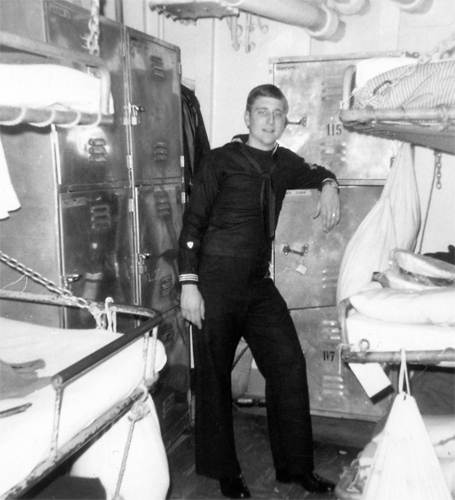
The Coast Guard assumed responsibility for Miah Maull Lighthouse in 1939, and one of the men who subsequently served as officer-in-charge was Dave Moyer. He recalls the day he reluctantly arrived at the lighthouse to begin his assignment and met the two coastguardsmen who would be serving with him. “The three of us introduced ourselves and shook hands. I knew they were a bit apprehensive and I could read their minds. ‘Just what is this First Class like? Is he gung ho? Will our world have to change?’ They helped me stow my gear and the three of us went into the galley and sat down. That’s when my crew put me through the first test. One of them got up, went into the refrigerator and took out three cans of beer asking me if I wanted one. Two sets of eyes then riveted on me. ‘I believe that sort of thing isn’t permitted on these stations, is it?’ Before they could answer I asked, ‘What kind do you have?’ I saw them relax. We all popped open a can and I took the opportunity to tell them what I expected.”
Moyer only had six months left on his enlistment, and he told the men they could stretch the rules a bit and take some shortcuts, as long as they stayed out of trouble. One of the rules that was relaxed regarded visits by commercial vessels, as they were the source of the stations prized beer collection. Being senior, Moyer took the day shift, while the junior crewmember took the night watch.
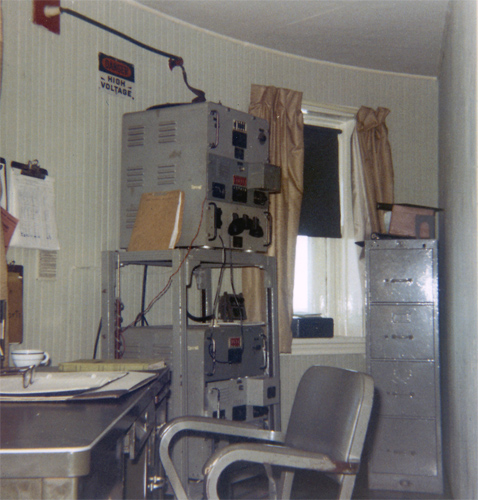
Early one morning, Moyer was awakened by a call on the radio “Miah Maull Shoal Light…Miah Maull Shoal Light…This is Cape May Radio, Cape May Radio…over.” Certainly the man on duty would answer the radio, but moments later the radio barked “Fourteen Foot Bank Light this is Cape May Radio…do you see anything out of the ordinary at Miah Maull?” and Moyer leapt to this feet. The next transmission was a request from Cape May for the thirty-footer from Fortescue to investigate the lack of response from Miah Maull Lighthouse.
Moyer raced below and searched for the guy who was on watch. He was nowhere to be found, but there was a wastebasket full of empty cans of their prized possession. Moyer concluded that the tipsy coastie might have fallen overboard, but then thought to check his bedroom. Moyer gently awakened his slumbering subordinate by grasping his shirt and yanking him to his feet. There was only time for a short string of expletives uttered at full voice, as some quick thinking was necessary to save their skins. Moyer ordered his drowsy comrade to extinguish the light, while he executed his brilliant plan. “I grabbed the handset of the radio and began to finger the key on and off in rapid succession while talking. ‘Cape May Radio, this is Miah Maull Shoal. How do you copy?’ Their reply was the expected one. ‘Miah Maull, this is Cape May. You are breaking up, I say again, you are breaking up.’ I then repeated the keying only this time a bit slower. ‘Cape May, Miah Maull Shoal, how do you copy now?’ Their reply came rapidly. ‘Miah Maull, Cape May, better but you are still breaking up.’ I continued this exercise until I sent normally.”
With his “improved” radio, Moyer explained that they had been working on their problematic radio for a couple of hours and had forgotten to extinguish the light. The thirty-footer, which had monitored the transmissions, still proceeded to the lighthouse, and after slowly circling a couple of times and seeing the “sleep-deprived” crew sipping from their coffee cups, returned to port. Moyer’s quick thinking had definitely saved his own skin and that of his fellow coastguardsman. The story of what actually happened that morning at Miah Maull was a closely held secret for years.
|
“I think it’s an important mission to keep these historic aids to navigation chronicled and remembered,” writes Dave Moyer. “They served a valuable purpose in the building of this nation. I would caution those who are enamored by the perceived notion that crews had an idyllic existence while serving on them. Years ago I was asked to address a group dedicated to the preservation of these Bay lights and I think I may have disillusioned a few. Their perception of a bunch of old slicker-wearing slats, smoking pipes and spinning sea yarns while on these lights is simply false. Like most military service, it was extremely boring with the tedium broken by brief spells of extreme nervousness due to some situation or other all the way up to swallowing once or twice to regain your composure after realizing you were isolated and could be in real danger. In my short time, I recall the somewhat frazzled nerves after having to have the foghorn activated for three or four days. The entire structure vibrated and ears literally rang for a day or two after. It’s amusing now, but in order to converse, your mind became so used to the noise that you would actually stop speaking mid-word for a few seconds to wait for the horn to stop, and the scary part was that you would do it for a day afterward without thinking.”
The Coast Guard removed their last crew from the station in 1973, after automating the lighthouse. The metal veranda on the first level was later removed as well, having deteriorated past the point of repair.
Lewis Maull, a descendant of Nehemiah Maull, was successful in having the lighthouse added to the National Register of Historic Places in 1991, and a plaque commemorating the honor was installed on the first level of the lighthouse in October of that year. With the Coast Guard from Cape May and descendants of Nehemiah Maull still interested in its future, Miah Maull Lighthouse continues to warn vessels away from the shoal as it honors one who helped others safely navigate the bay.
In June 2011, Miah Maull Shoal Lighthouse was declared excess to the needs of the United States Coast Guard and offered to eligible organizations under the provisions of the National Historic Lighthouse Preservation Act of 2000. Qualified entities were given sixty days to submit a letter of interest and were required to obtain a Tidelands Lease for the State of New Jersey to occupy the submerged lands. After no suitable organization was found to assume ownership of the lighthouse, the General Services Administration initiated an online auction for the property on June 4, 2012. The lighthouse was pulled from the auction block in October, when a notice was posted alerting bidders that a new auction would be held the following spring, once the U.S. Coast Guard’s design for solarization of the light was finalized. A second online auction for the lighthouse was finally initiated on June 30, 2015, and the lighthouse sold on August 7 for $90,000. Seven bidders participated in the auction. The same year as the auction, the original fourth-order Fresnel lens was removed and eventually placed on display at the Coast Guard Sector Delaware Bay headquarters in Philadelphia, Pennsylvania.
Keepers:
References