Lorain, OH 


Select a photograph to view a photo gallery
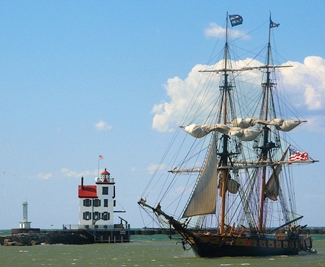
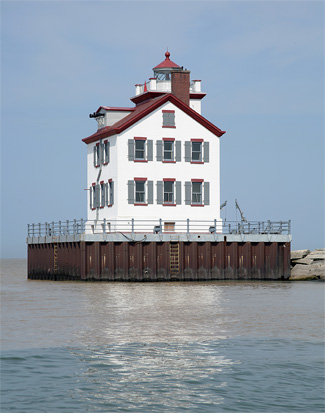
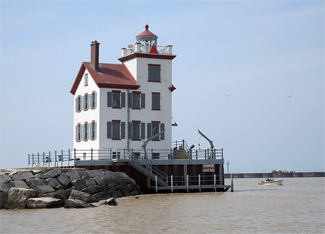
Photo Gallery
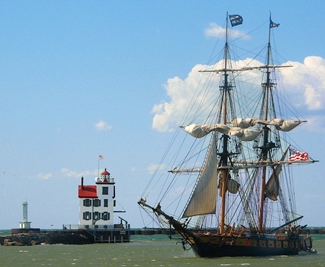
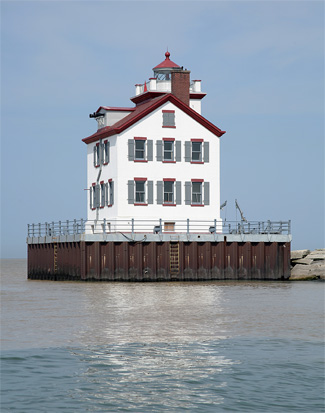
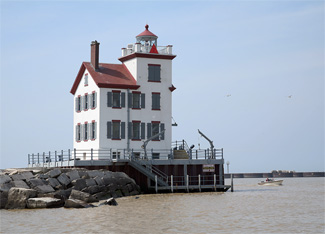
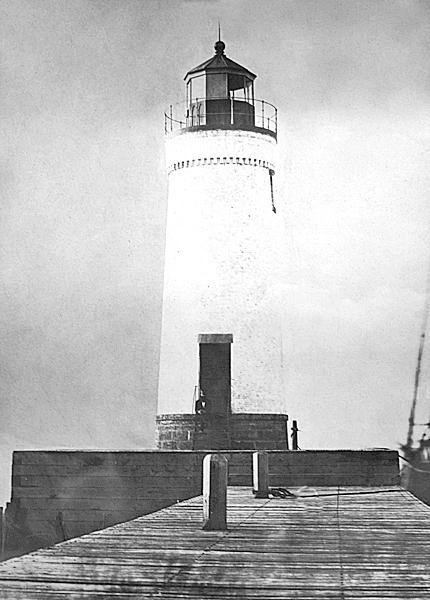
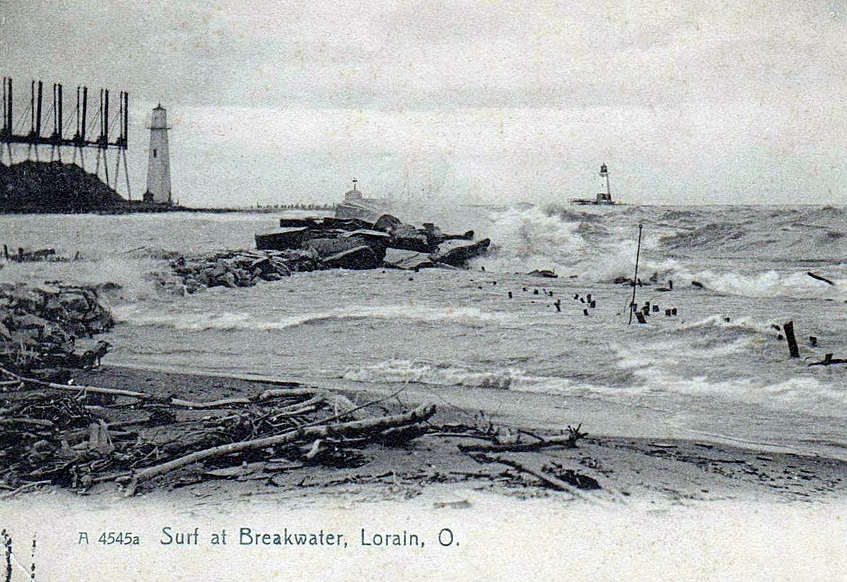
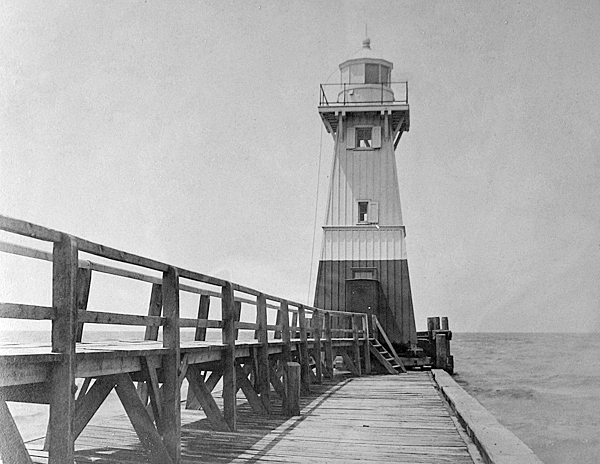
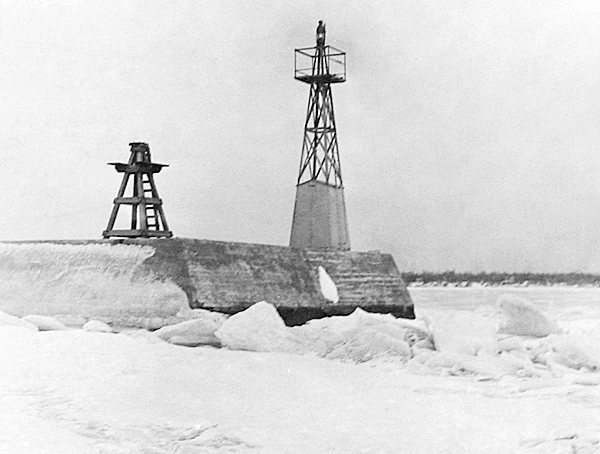
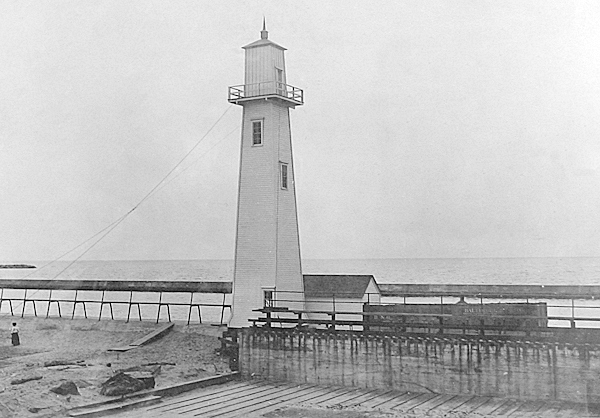
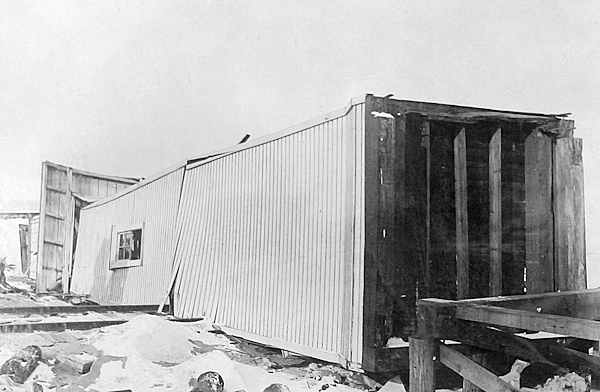
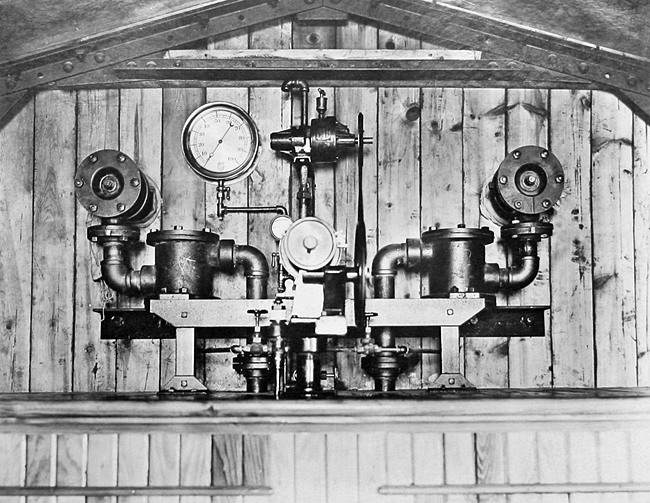
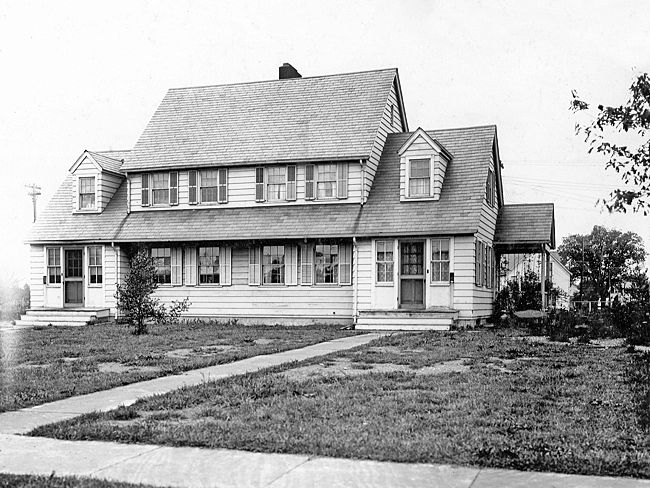
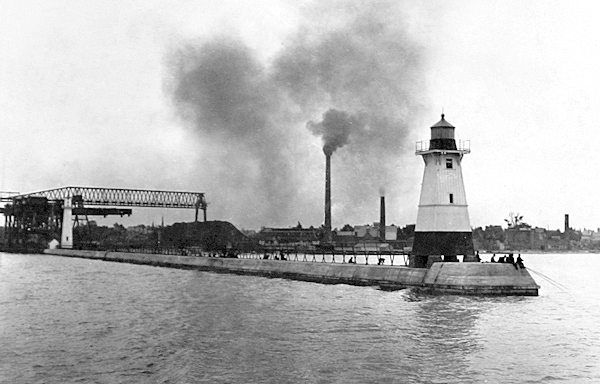
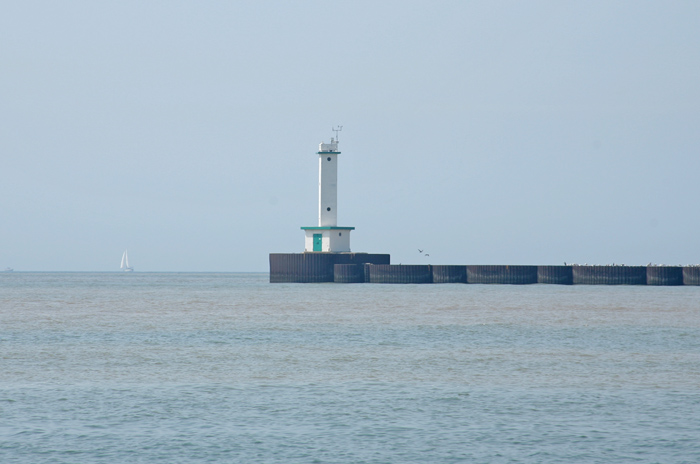
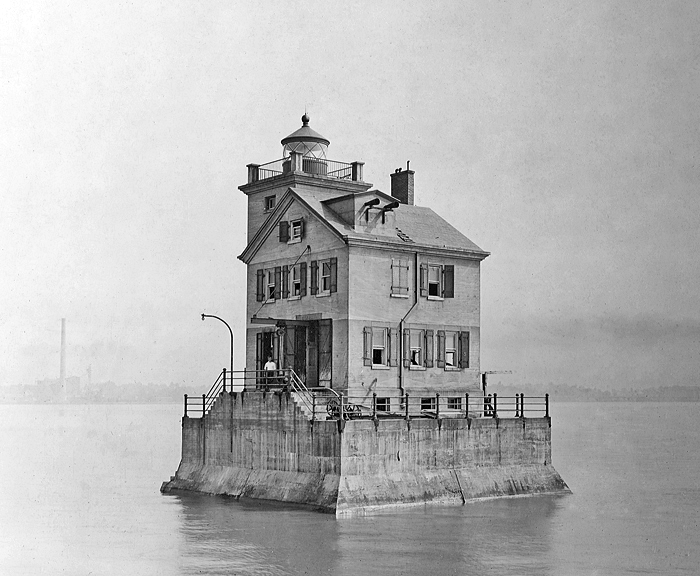
Photo Gallery
Photo Gallery
|
The beacon stands on the west pier, which extends 680 feet into the lake. In order to render it safe for the tender (keeper) to approach the beacon in foul weather, it will be necessary to raise the pier at least two feet. At three different times last year, such was the violence of the waves, that persons endeavoring to light the beacon were washed from the pier, one of whom was drowned. This is an excellent harbor, with ten feet of water for more than three miles up the river. The width at the entrance of the harbor is 175 feet, which is probably the average width of the river. It is capable of accommodating at least fifty vessels.Here it is necessary to recommend a dwelling for the tender, and for that purpose I respectfully submit the following estimate and dimensions: the building 32 by 25 feet, one and a half story in height, so partitioned as to make two rooms, with a bed-room and larder on the first floor, and two arched rooms on the second floor, with a good cellar, may be built for $1,000, of stone or brick, under contract. The necessary out-buildings, with fences, including a well of water, may be contracted for $200. A lot, of one-fourth of an acre, can be purchased for $200; making a total of $1,400.
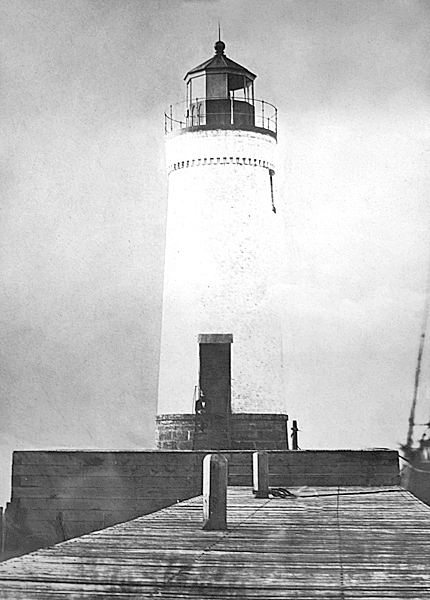
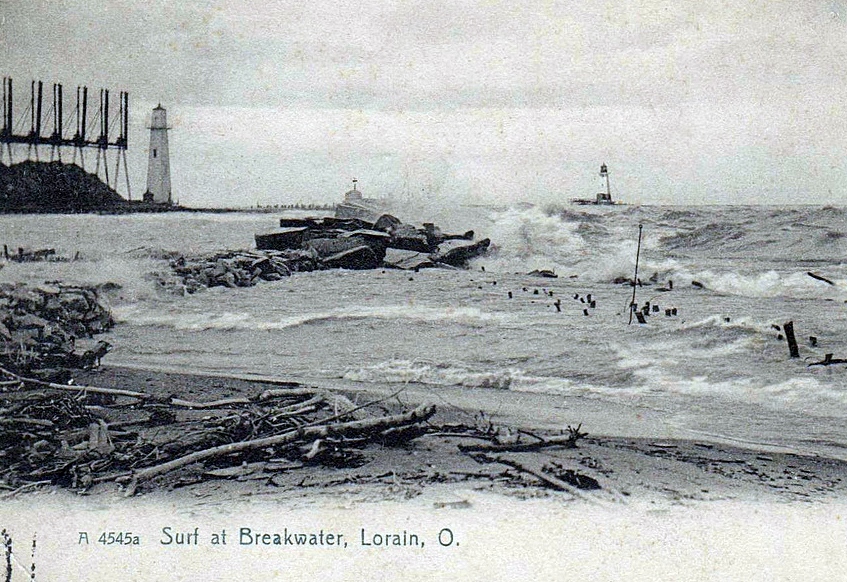
In 1855, the Lighthouse Board requested funds for rebuilding the pierhead light at Black River, as this beacon, being thirty miles west of Cleveland Lighthouse and fifty miles east of Marblehead Lighthouse, served as both a harbor and lake coast light. Plans called for a three-story, cast-iron frame tower to be placed on the pierhead, but instead, the tower was rebuilt of brick and equipped with a fourth-order Fresnel lens in 1857. An elevated walkway to permit the keeper to reach the tower in bad weather was completed in 1869.
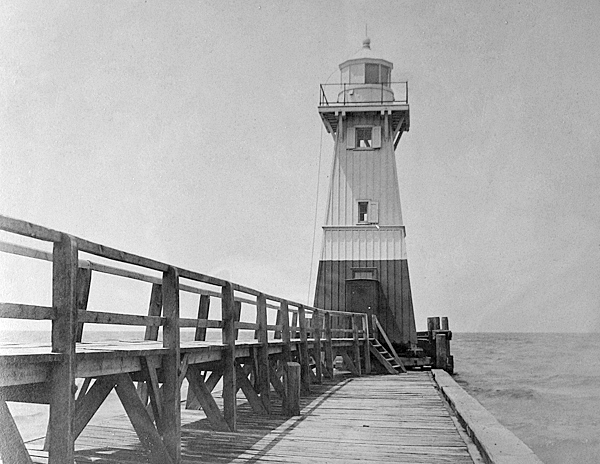
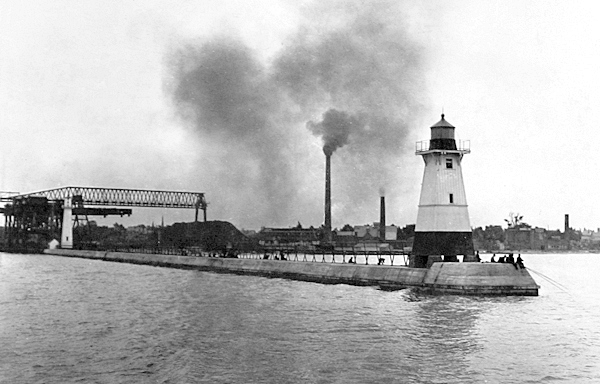
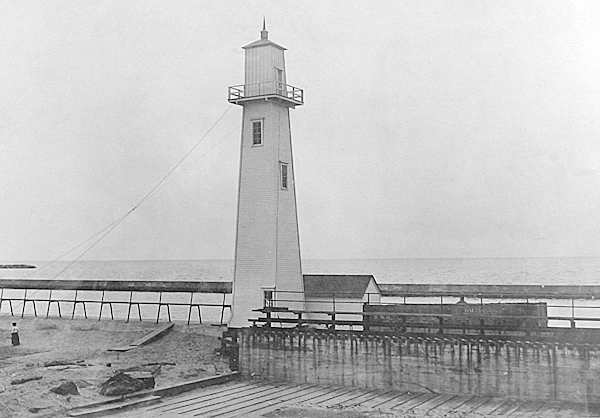
Over the first forty years the light was in service, sand deposits built up along the pier, effectively moving the light closer to the shoreline. In 1875, the cylindrical brick tower was torn down and replaced by a square, pyramidal tower at the end of a new 600-foot extension to the pier. The replacement tower was built of wood, stood forty-six feet tall, and was topped by a decagonal lantern room. The new light went into service on September 18, 1875 and was connected to the shore by an elevated walk that the keeper could use when waves washed over the pier.
John Connolly, the longest serving keeper at Lorain, was appointed in 1871 and retired in 1903 at the age of seventy-five. In his youth, Connolly learned the trade of ship carpenter and caulker and was a sailor on the Great Lakes for thirty years before becoming a lighthouse keeper. Besides seeing changes in Lorain Lighthouse, Connolly also saw Lorain grow from a village of 500 to a thriving city of 6,000.
On the evening of August 21, 1888, a scow became unmanageable while entering the harbor and ran its jib boom into the east face of the tower. Unruly ships also caused damage to the elevated walk on numerous occasions. The owners of the schooner B. F. Bruce and Iron Boat No. 102 had to pay for repairs to the walkway caused by their vessels in July 1890.
Congress appropriated $400 in 1891 to place a second tower on shore to serve as a range with the pierhead tower. The amount proved insufficient and it wasn’t until October 15, 1893, that the rear light was first exhibited from a skeletal, iron tower. After being struck by the schooner Alta, while it was being towed away from the pier, the rear tower fell on June 22, 1894, shattering the three lens lanterns that were used to show a white light vertically centered between two red lights. The lights from a new tower were exhibited on August 25, 1894. This structure was struck by a vessel being towed out of the harbor on August 16, 1895, but the beacon was rebuilt and relighted eight days later. The owners of the boat with the vessel in tow helped pay for the repairs and three new lens lanterns.
|
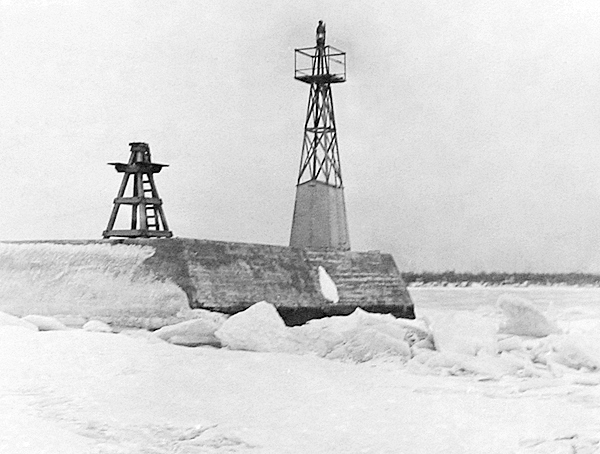
In 1909, the construction of converging breakwaters to protect the harbor at Lorain was completed and temporary lights, exhibited from wooden structures, were established to mark the outer ends. While awaiting funds for a proper lighthouse to mark the harbor entrance, the Lighthouse Service replaced the wooden structures in April 1912 with steel, skeletal towers, topped by acetylene lights.
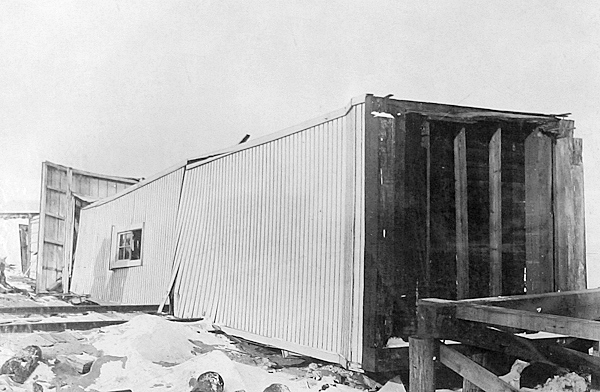
On February 21, 1912, the rear range tower on the west pier was blown off a temporary foundation on which it had been placed by the Baltimore & Ohio Railroad Company, and damages of $887.61 were paid by the railroad company. With the establishment of the acetylene light to mark the west breakwater, the rear range light on the pier was discontinued, as the light at the outer end of the pier now functioned as a range with the breakwater light.
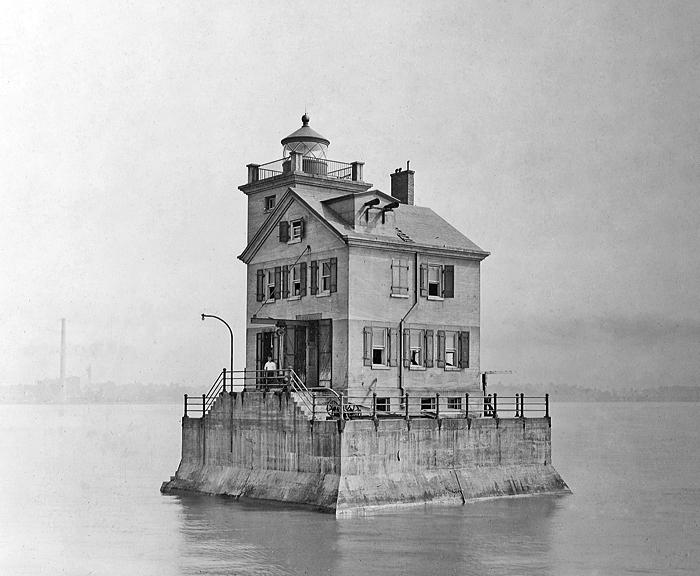
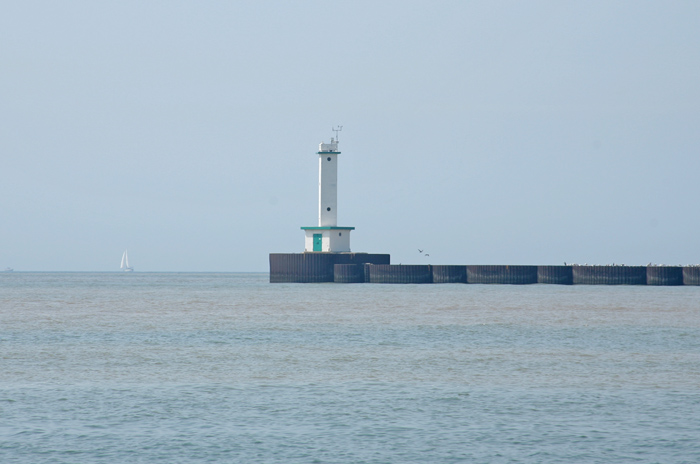
Congress finally provided $35,000 on October 22, 1913 for a proper light and fog signal for the west breakwater pierhead, and work on Lorain Lighthouse, as seen today, started in 1916. By the close of that year, the concrete base was in place, the steel work was erected, and the reinforced concrete walls were finished, allowing a temporary acetylene light to be shown from atop the new structure. A revolving fourth-order lens, which produced five seconds of light followed by a five-second eclipse, commenced operation in the new lighthouse on April 7, 1919, and a diaphone fog signal, sounding a group of three blasts every thirty seconds, was commissioned on May 13, 1919.
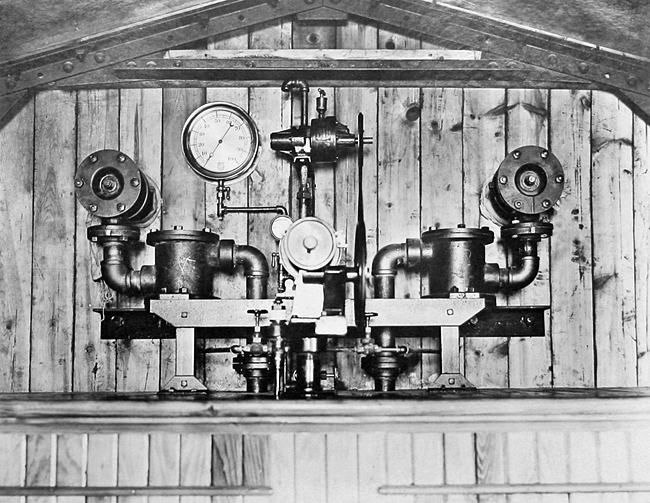
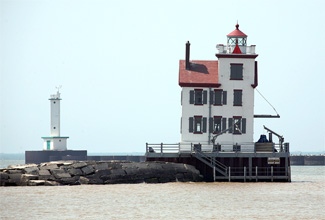
The massive, three-story lighthouse was designed to withstand the tempestuous weather of Lake Erie. From the northeast corner of the structure, a square tower, topped by a helical-bar lantern room, extends just above the pitched roof. The basement of the lighthouse contained a cistern, coal bin, and storage space. A power room, bathroom, and storeroom were located on the first floor, while a living room, pantry, bedrooms, and a tank room were found on the second floor. The third floor had space for the diaphones, a timing device, water tank, and stairs leading to the lantern room.
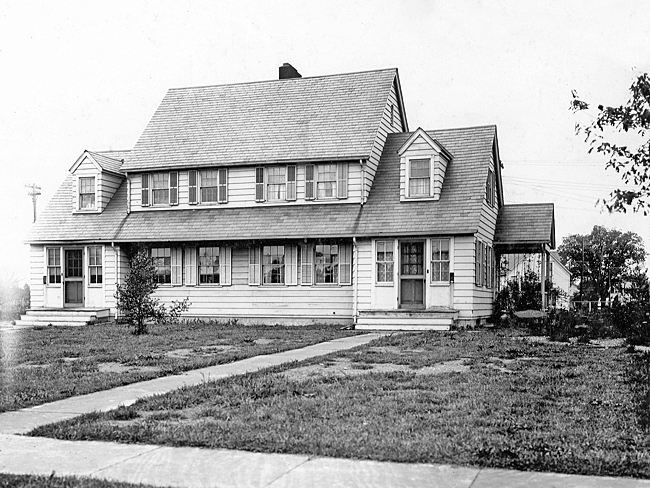
In 1922, the old wooden tower at the end of the west pier was replaced by a skeletal, steel tower, whose electric light operated on commercial power instead of oil. A residence for the keepers and their families was finally provided in 1922, when a double dwelling in Lorain was transferred from the United States Shipping Board to the Lighthouse Service.
|
The Coast Guard assumed control of Lorain Lighthouse in 1939, stationing three men from the local unit at the light. The coastguardsmen occasionally served as lookouts for both a lifeboat station and the Air Force, and during their spare time in 1959, they painted the lighthouse, a task that took one year to complete, using four-inch brushes and fifty gallons of paint.
As part of a $22 million improvement of the harbor at Lorain, an outer breakwall was put in place, and an automated modern tower, erected at its western tip, took over the function of lighting the harbor entrance in 1965. No longer needed, Lorain Lighthouse lost its last crew and was slated for demolition by the Coast Guard. After vandals broke into the abandoned lighthouse and stole its two brass foghorns, the Coast Guard welded the entrance shut to keep out unwelcome visitors. Looking more like a fortress than ever, Lorain Lighthouse silently stood and awaited its sad and certain fate.
What came instead was a barrage of protests from the Lorain community, as well as some fortuitous storms on Lake Erie. Wayne Conn, William Parker, John and Clara Corogin and the Lorain Historical Society stepped forward to organize an effort to save the lighthouse. With the demolition scheduled for October 1965, the group worked quickly, contacting the mayor, a congressman, and the Coast Guard. Thanks to Conn’s negotiating, as well as fierce winter weather, the demolition plans were postponed until the spring of 1967, and by then the campaign to save the lighthouse had convinced the Coast Guard to cancel the demolition contract.
In 1973, the Coast Guard turned the lighthouse over to the General Services Administration, which worked to sell the structure. Buyers had to be non-profit organizations with historical purposes and had to prove that they had the means necessary to maintain the lighthouse. The story of the sale spread quickly and even went worldwide, as a vacationing couple from Lorain saw an ad for the lighthouse in a Parisian newspaper.
|
In the fall of 1981, “Operation Lighthouse” was executed to refurbish the lighthouse. This time the structure was painted professionally using a generous donation of 160 gallons of paint from the Glidden Company. (The company would later use “before and after” photos of the lighthouse in its advertising.) Numerous companies and individuals volunteered their time and resources — an estimated value of over $30,000 — to restore the lighthouse.
After cracks in the base of the lighthouse were noticed, an underwater examination of the foundation was performed in 1987. The building itself was also inspected and found to need $700,000 in repairs. Shortly thereafter, control of the lighthouse passed to the Port of Lorain Foundation, a non-profit foundation established to preserve both the lighthouse and Lorain’s waterfront. The foundation received several grants to help fund the restoration, and local school children raised over $5,000 in a “Pounds of Pennies” campaign, but it was the federal government that picked up most of the tab with $500,000 being provided by a House Energy and Water Development Appropriations Bill.
The Army Corps of Engineers restored the lighthouse and stabilized its foundation in the 1990s at a cost of $850,000, quite a bit more than the $35,000 spent to build the structure in 1917.
The lighthouse’s fourth-order Fresnel lens, which had been on display at the Charlotte-Genesee Lighthouse near Rochester, New York for twenty years, returned to Ohio during the summer of 2011 at the request of the Lorain Port Authority. After $20,000 was spent on cleaning and restoring it, the lens was placed on display in the lobby of the offices of the Lorain Port Authority at Black River Landing in March 2014. The lens is one of the few manufactured by an American company – the MacBeth-Evans Glass Company of Pittsburgh.
Lorain Lighthouse, the “Jewel of the Port,” faithfully guards the entrance to the inner harbor and stands as a monument to the community that has fought to preserve it.
Keepers:
References