Marblehead, OH 




Select a photograph to view a photo gallery
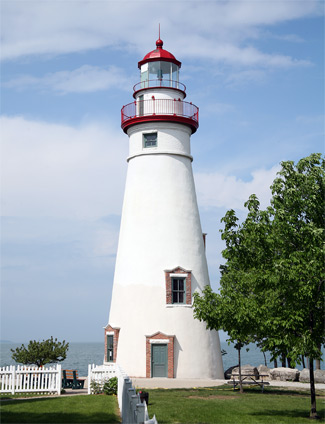
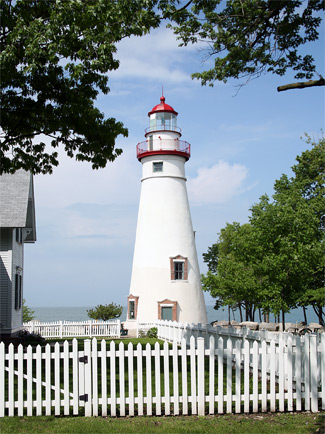
Photo Gallery
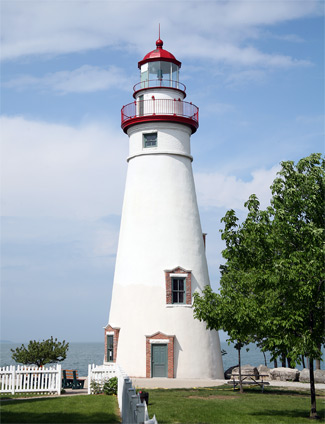
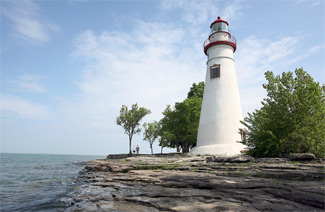
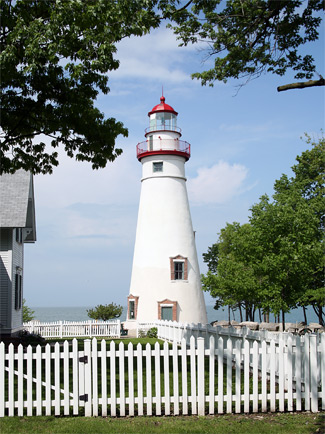
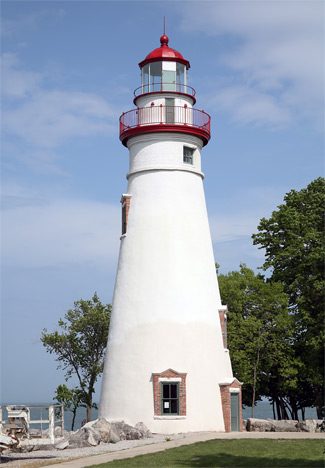
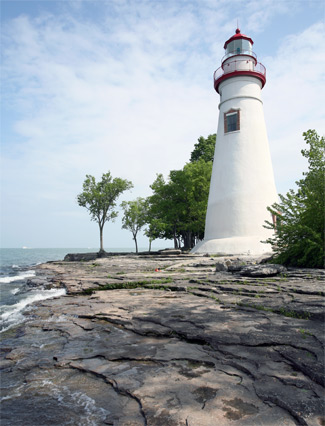
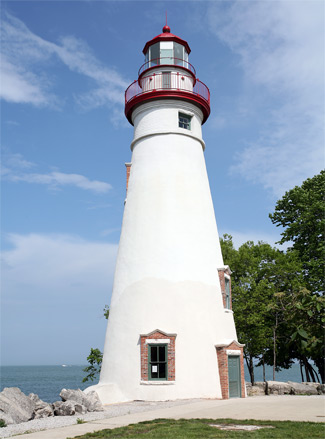
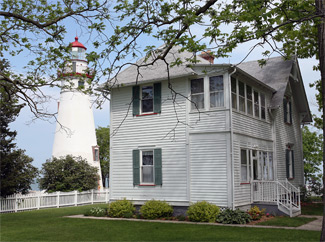
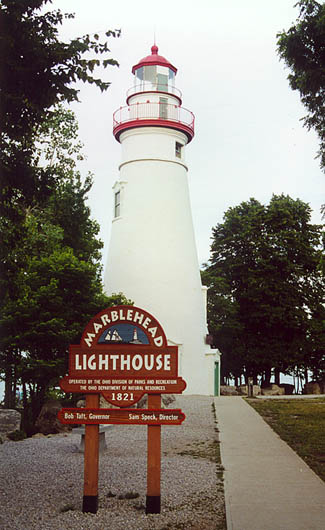
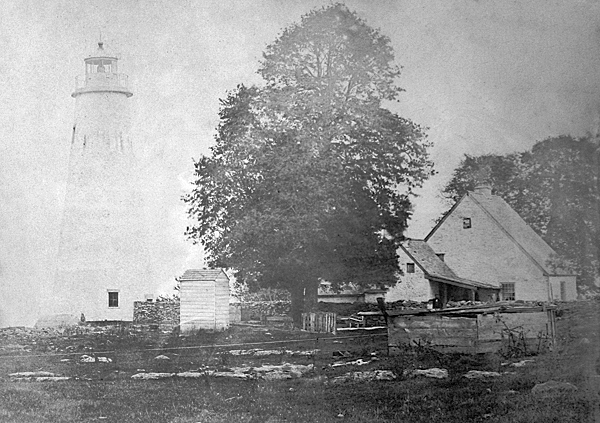
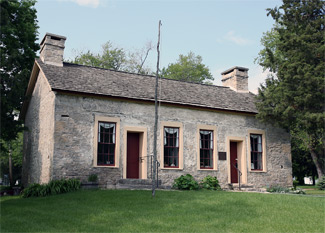
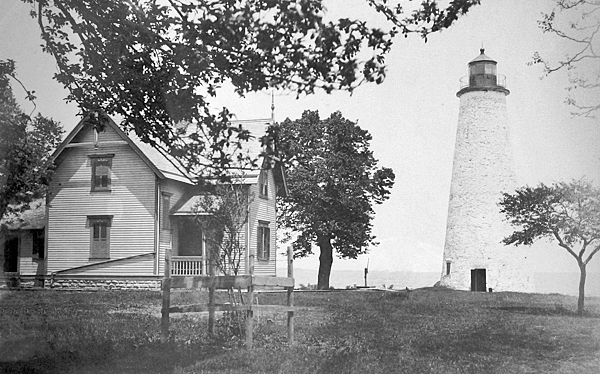
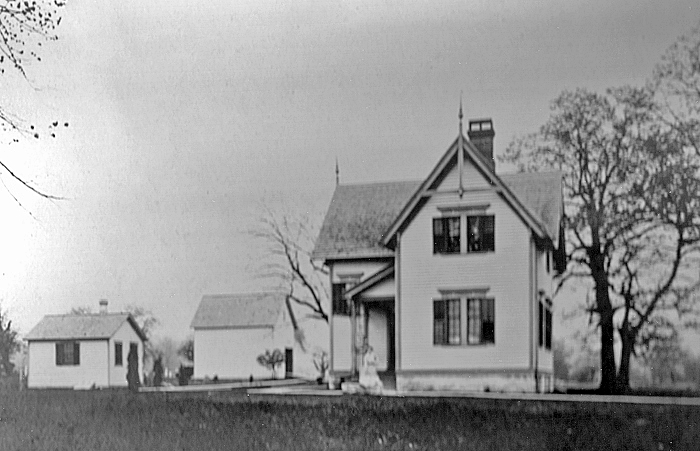
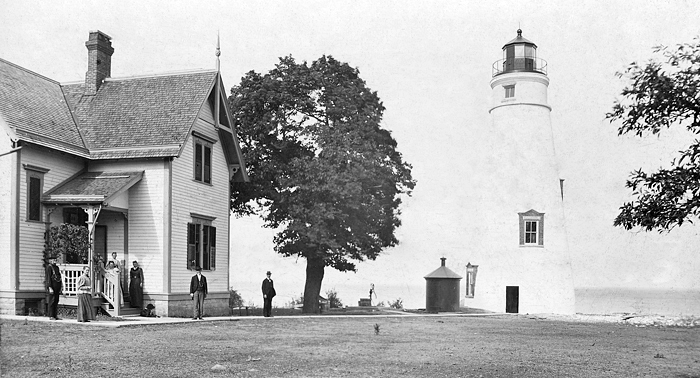
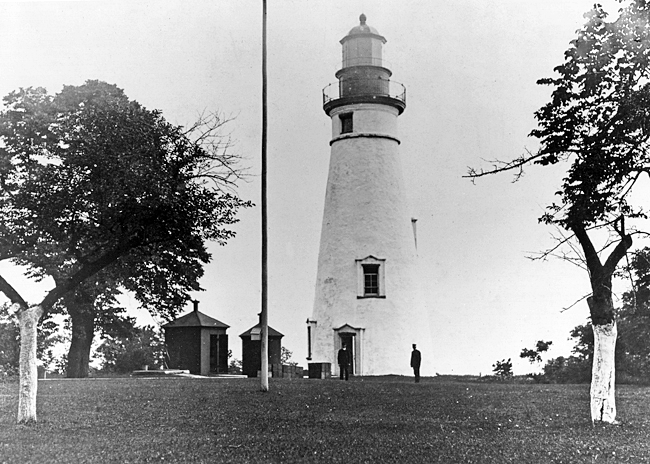
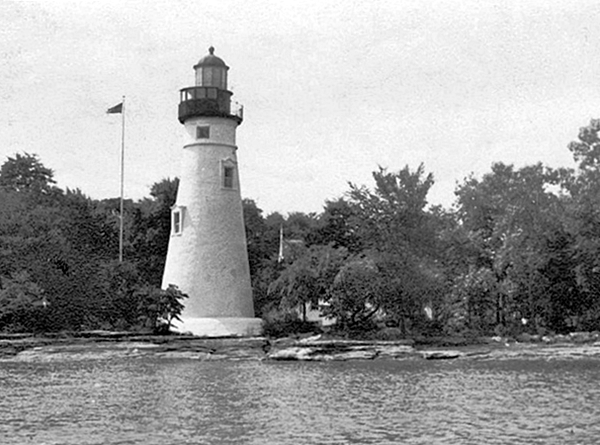
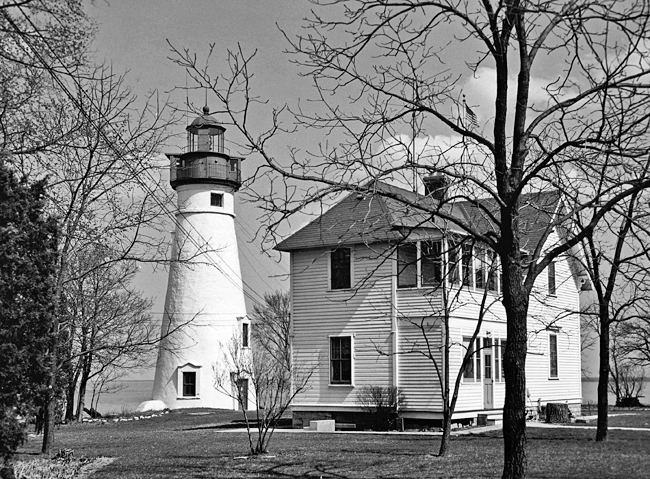
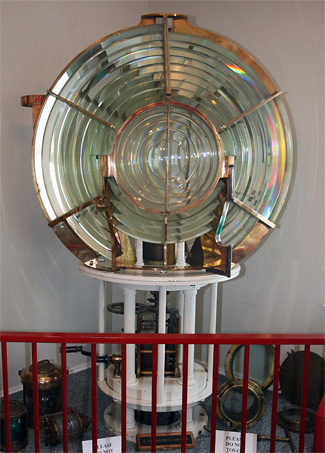
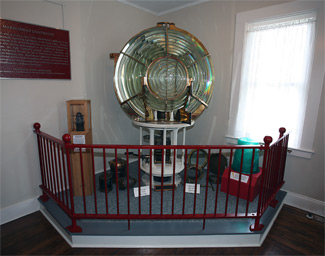
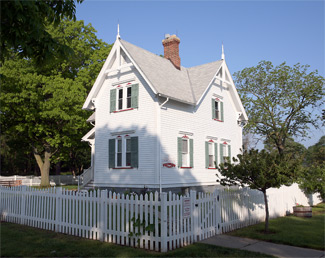
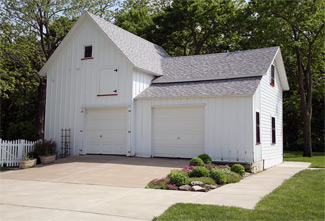
Photo Gallery
Photo Gallery
|
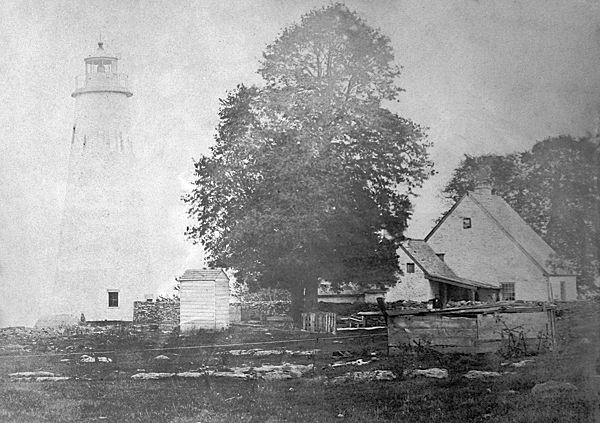
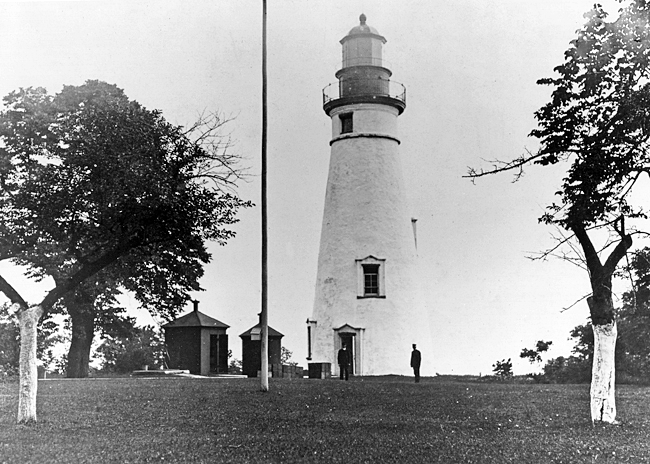
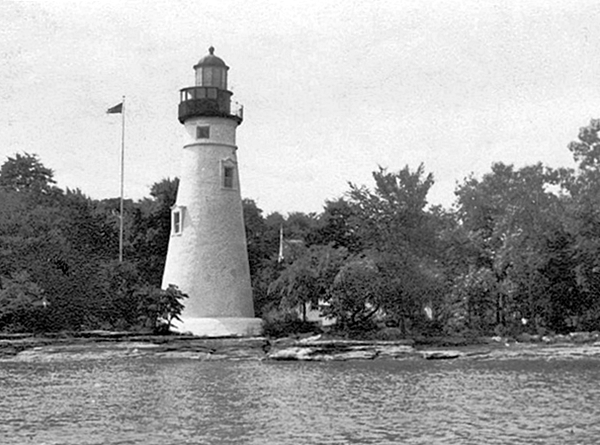
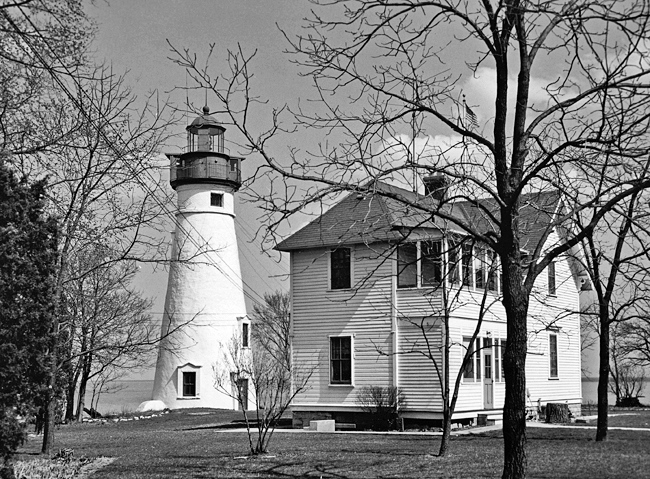
William Kelly and a crew of two men began construction of the conical tower in September 1821 on an outcropping of limestone on the northern tip of the peninsula, and in November, the rocky shoreline was home to a fifty-foot tower with wooden ladders leading to its lantern room. The base of the tower was twenty-six feet in diameter with walls five feet thick, while the top measured twelve feet in diameter and had two-foot-thick walls. The tower was constructed of limestone, quarried nearby on the peninsula.
Marblehead Lighthouse cost $7,232 to build and was the only navigational aid in the Sandusky Bay region for many years; in fact, the tower was called “Sandusky Bay Lighthouse” until 1870. Its first beacon consisted of thirteen small whale oil lamps with round wicks set in sixteen-inch reflectors.
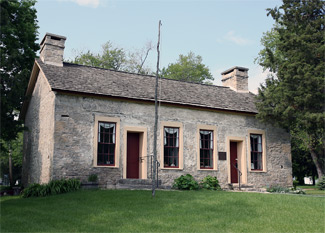
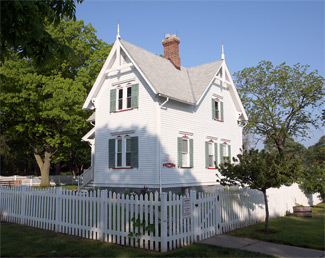
Benajah Wolcott, Marblehead’s first keeper, was a Revolutionary War veteran and one of the first settlers on the peninsula. Wolcott purchased 114 acres in 1809 and built a log cabin for his family. Fearing an invasion by the British, the Wolcotts left the peninsula during the War of 1812 but returned to their homestead when the conflict was over. Benajah Wolcott was appointed keeper on June 24, 1822 and thus had use of the stone dwelling built adjacent to the lighthouse, but he also had William Kelly construct a small, limestone home on his homestead on the Sandusky side of the peninsula. Wolcott’s personal dwelling is the oldest residence still standing in Ottawa County, and is touted as a fine example of a “hall and parlor house.” Known as the Keeper’s House, the structure is operated as a museum by the Ottawa County Historical Society.
Each evening during the shipping season, Benajah Wolcott would climb the lighthouse to light its thirteen lamps and then faithfully tend the light until the following morning. In addition to minding the light, Wolcott also kept a record of ships that passed, noted weather conditions, and organized rescue efforts.
|
Lodowick Brown served as keeper of Marblehead Lighthouse from 1849 to 1853. Interestingly, his wife, Margaret Kelly Brown, was the daughter of William Kelly, who constructed the lighthouse. A second female keeper, Mrs. Johanne McGee, served at the lighthouse from 1896 to 1903, after her husband, Keeper George McGee, died. Charles Hunter had the longest tenure as head keeper, serving from 1903 to 1933.
During the three-month-long winter season, when the light was inactive, Keeper Hunter would pass his time in the keeper’s dwelling with his various hobbies. He carved a grandfather clock that proudly stood in one corner of his living room, and while it counted time, Charles would work colorful yarns into beautiful original tapestries. Framed on his walls were tapestries featuring Marblehead Lighthouse, ships, and his nearby eleven-room stone house, which he had built for his retirement. Keeper Charles also wrote short stories and penned the words to the song “The Lighthouse by the Bay.”
In 1858, Marblehead’s whale oil lamps were replaced by a lard oil lantern, magnified by a fourth-order Fresnel lens. A lifesaving station was constructed one-half mile west of the lighthouse in 1876, and Lucien Clemons was named its first commander. Clemons had proven his bravery the year before when he and his two brothers saved two sailors after their ship wrecked off the peninsula.
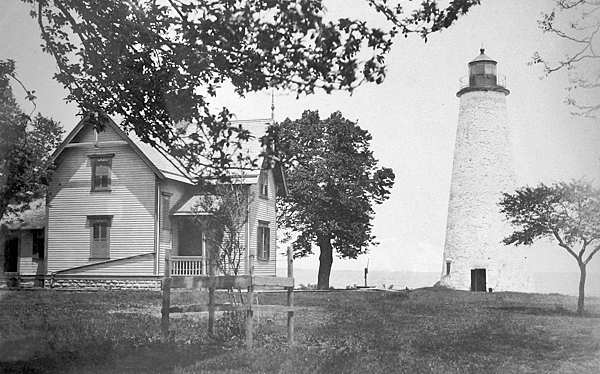
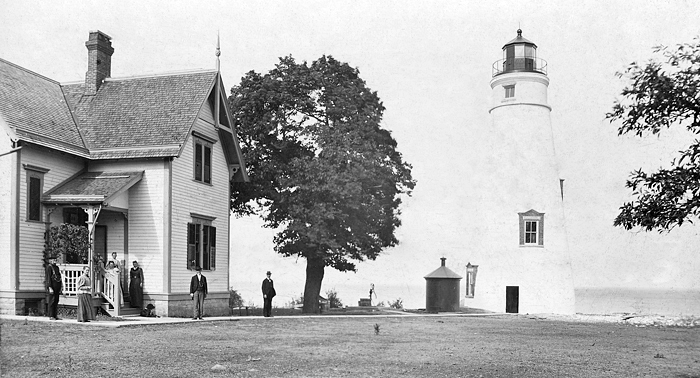
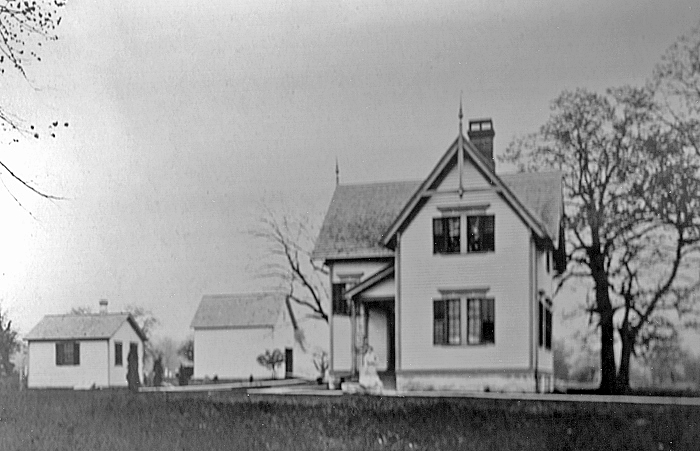
In 1877, the Lighthouse Board recommended that $20,000 be provided for rebuilding the light station. The keeper’s dwelling was described as “old, leaky, and barely habitable,” and the tower was “in bad condition.” By the following year, the dwelling was “not habitable in cold weather” and was “unfit for use as a dwelling at any time.” The keeper and his family were forced to seek shelter in a small, one-room shed during cold weather. Funds allowed the current keeper’s dwelling to be constructed in 1880 and the exterior of the limestone tower to be covered with stucco and painted white, but the Lighthouse Board continued to insist that a new tower was needed. The keeper’s dwelling had seven rooms and a cellar and served as housing for the head keeper and an assistant, a position added to the station in 1903.
|
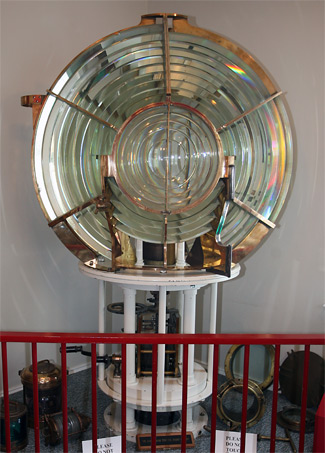
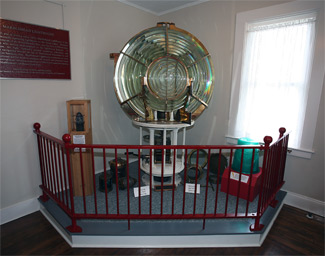
A clockwork system, powered by weights that descended inside a large pipe in the center of the tower, was later installed to precisely revolve a 14,000-pound, third-and-a-half-order, Barbier, Benard, & Turenne Fresnel lens that went into service at the opening of navigation in 1903. The keeper would crank up the weights every four hours, and as the weights descended, the clockwork mechanism would cause the bivalve lens to revolve, producing a white flash every ten seconds.
Measuring five feet in diameter, the lens produced a 330,000 candlepower light. The lamp inside the lens burned kerosene, and in 1891 a circular, metal oil house had been erected between the tower and the dwelling to contain the volatile fuel. A square, iron oil house, capable of holding 450 gallons of kerosene, was added to the station in 1905, but neither of the oil houses remains standing today. In 1923, an electric light replaced Marblehead’s incandescent oil vapor lamp, increasing the intensity of the light to 600,000 candlepower.
Marblehead’s last civilian keeper, Edward Herman, resigned in 1943 after ten years of service. Coastguardsmen then assumed responsibility for the lighthouse, which was automated and given a fresh coat of stucco in 1958. From 1946 to 1956, the Coast Guard had an enclosure on the main gallery atop the lighthouse reportedly so they could keep track of the large number of pleasure boaters around the Marblehead Peninsula.
|
In January 1997, Marblehead’s tower and the small plot of land surrounding it were declared surplus federal property by the Coast Guard. The Ohio Department of Natural Resources (ODNR) applied for ownership, as they already owned and took care of the property adjacent to the lighthouse, including a picnic grove, visitor parking and the keeper’s historic house. (At the time, these were part of East Harbor State Park.) The National Park Service encouraged the General Services Administration to grant ODNR’s request, and in April 1998 a letter arrived informing ODNR that their application had been accepted. One month later, ODNR assumed ownership of the lighthouse with plans to invest up to $1,000,000 to renovate the structure, protect it from shore erosion, and provide additional visitor amenities. The lighthouse and dwelling are now part of Marblehead Lighthouse State Park.
On September 1, 2001, TSC Building Restoration started $500,000 worth of renovations on the lighthouse and the adjacent Victorian keeper’s quarters. Deteriorated brickwork in the tower was rebuilt and cracks in its stucco shell were patched. The keeper’s dwelling was elevated on jacks so that rotting support columns and beams could be replaced. New siding was applied to the dwelling, and inside, the original oak floors were restored and the kitchen ceiling was rebuilt. The dwelling also received a few modern conveniences, including air conditioning, and a wheelchair lift.
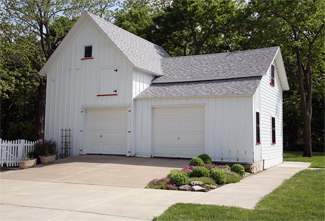
After being on display at the Marblehead Coast Guard Station for many years, the historic third-and-a-half-order lens returned home and was placed on display in the renovated keeper’s dwelling in 2004. Besides the tower and dwelling, the station’s barn remains standing on the lighthouse property.
Keepers:
References