Wolf Island, GA 
Select a photograph to view a photo gallery
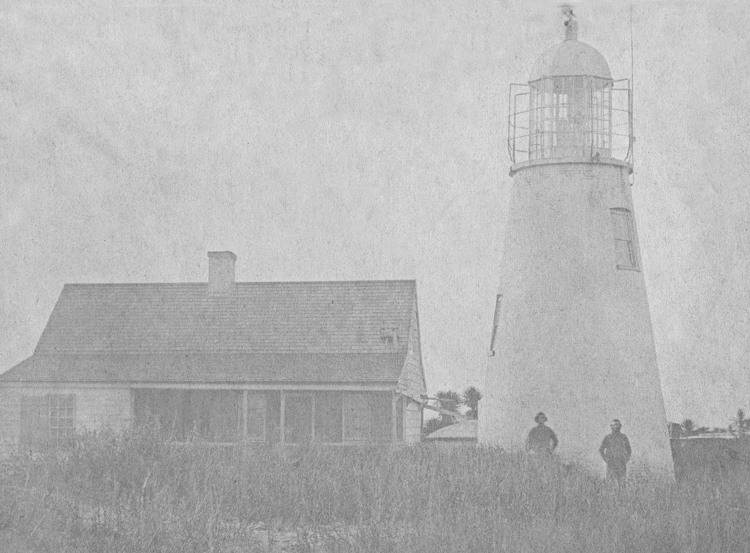
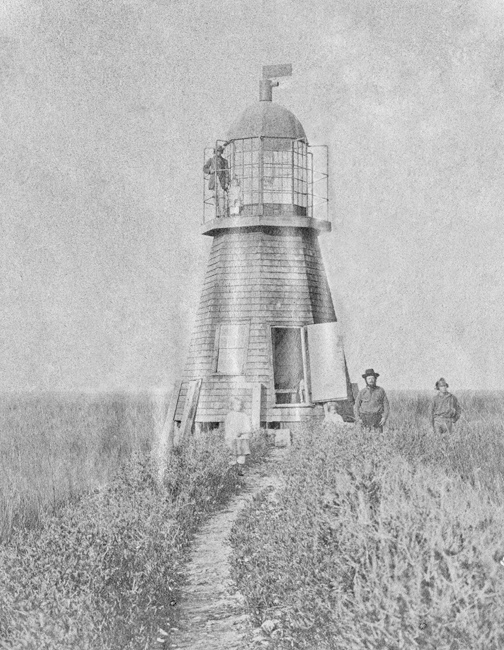
Photo Gallery
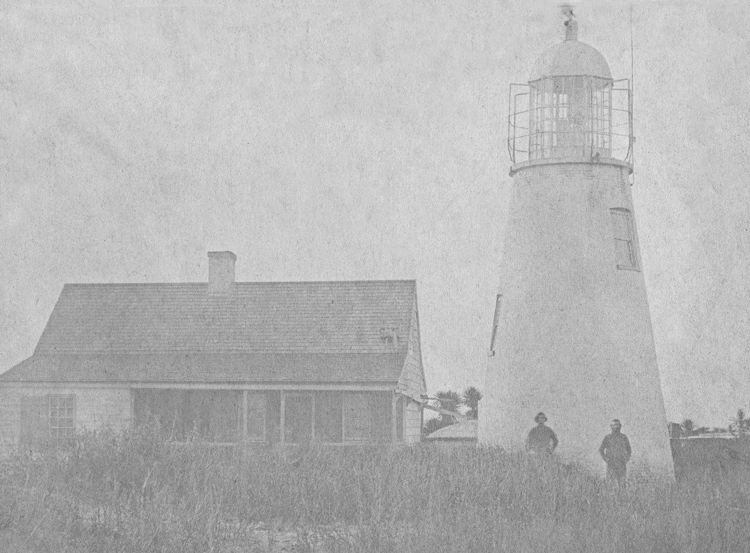
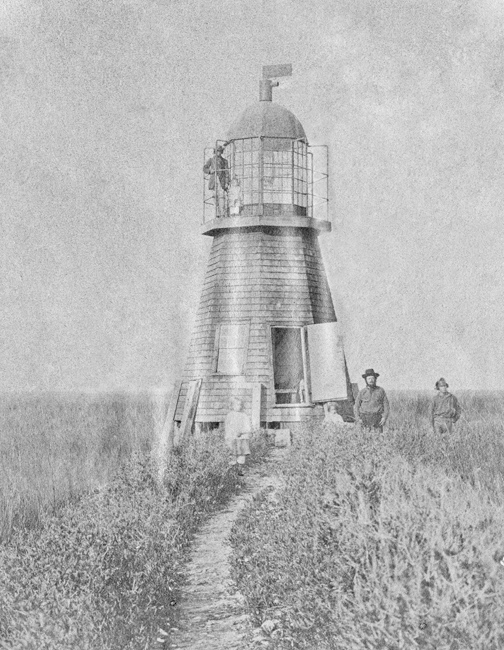
Photo Gallery
Photo Gallery
At the mouth of Georgia’s Doboy Sound, where shifting sandbars and powerful tides long challenged mariners bound for the port of Darien, Wolf Island became one of the most important early navigational stations on the southern Atlantic coast. Situated near the north end of the low, marshy island, the Wolf Island beacons formed a vital range system that guided vessels across Doboy Bar and into safer interior waters. For eighty years—through hurricanes, war, and constant change—the station stood as a testament to the struggle between nature and navigation.
The need for a navigational aid at Doboy Sound became clear in the early nineteenth century as coastal trade expanded between Savannah, Darien, and ports farther south. Doboy Bar was notoriously dangerous: shoals shifted with each storm, breakers marked hidden sandbanks, and channels were easily lost in darkness or fog.
|
Recognizing the hazard, Congress appropriated $1,000 on March 3, 1819, “for a beacon or land-mark on Wolf Island, near the port of Darien.” That same year, five acres on Wolf Island in McIntosh County were set aside for lighthouse purposes, and Charles Young was contracted on June 10, 1819, to erect a beacon.
The importance of this early structure is reflected in a set of detailed sailing directions published in the Charleston Daily Courier on July 4, 1820. Mariners approaching in five or six fathoms of water were instructed to sight the beacon on Wolf Island and bring it “to bear west half south,” then run precisely on that course to cross the bar. By keeping the buoys and breakers in proper alignment, ships could pass with not less than twelve feet of water at low tide—a critical margin for coastal traders.
With the success of the first beacon, Congress approved an additional $8,000 in 1820 to erect a set of range lights on Wolf Island, build a causeway across the marsh, and construct a dwelling for the keeper.
In March 1821, Fifth Auditor Samuel Pleasonton formally entrusted the project to William I. McIntosh, recommending that a brick beacon be erected on the site of the present beacon, as that was the only place on the marshy island where a brick structure could be built without using piles. The wooden beacon could then be relocated and reused to form a range. The new brick tower was to stand twenty-five feet high, fifteen feet in diameter at the base, and eight feet at the summit, with a lantern built on a standardized plan. McIntosh was instructed to advertise for bids in Darien and Savannah.
In 1822, contractor Thomas Fuller completed the work: two lighted beacons, a dwelling house, and a causeway, at a cost of $7,000. Wolf Island had become a permanent federal light station. William Donnelly was hired as the first keeper of the range lights at an annual salary of $300.
Wolf Island was listed as having two beacons—one brick, one wooden—standing twenty-five and fifteen feet above sea level and fitted with twelve lamps. Mariners relied on their alignment to find the narrow channel into Doboy Sound.
Nature, however, was relentless. In 1824, a violent hurricane swept across the Georgia coast. According to the New York Advertiser, the lower beacon and the keeper’s house were entirely destroyed. Keeper Donnelly, his wife, and their two children survived only by climbing into the lantern of the brick beacon, where they remained thirty-six hours without food as waves ten to twelve feet high battered the tower. Their home, just ten feet away, vanished in the night.
By 1838, the reflectors in the lantern room were worn out, and in 1841 Wolf Island was among the first stations fitted with improved twenty-one-inch, silver-plated, parabolic reflectors—cutting-edge technology for its time.
In 1850, the station remained busy. Keeper William H. Rittenbury reported heavy oil consumption—nearly 490 gallons per year—along with extensive supplies of wicks, reflectors, lamps, tools, and spare parts. The eastern brick tower needed repairs, while the western wooden tower, painted black, remained in good order.
|
The exposed marsh setting forced constant defensive measures. A wooden breakwater was erected in 1855, and plans were made to relocate the range if erosion continued.
During the Civil War, the station met a violent end. In 1863, the Wolf Island beacons were blown up, leaving Doboy Sound without its familiar guides.
After the war, the government moved quickly. In 1867, plans were announced to re-establish the station with an improved design.
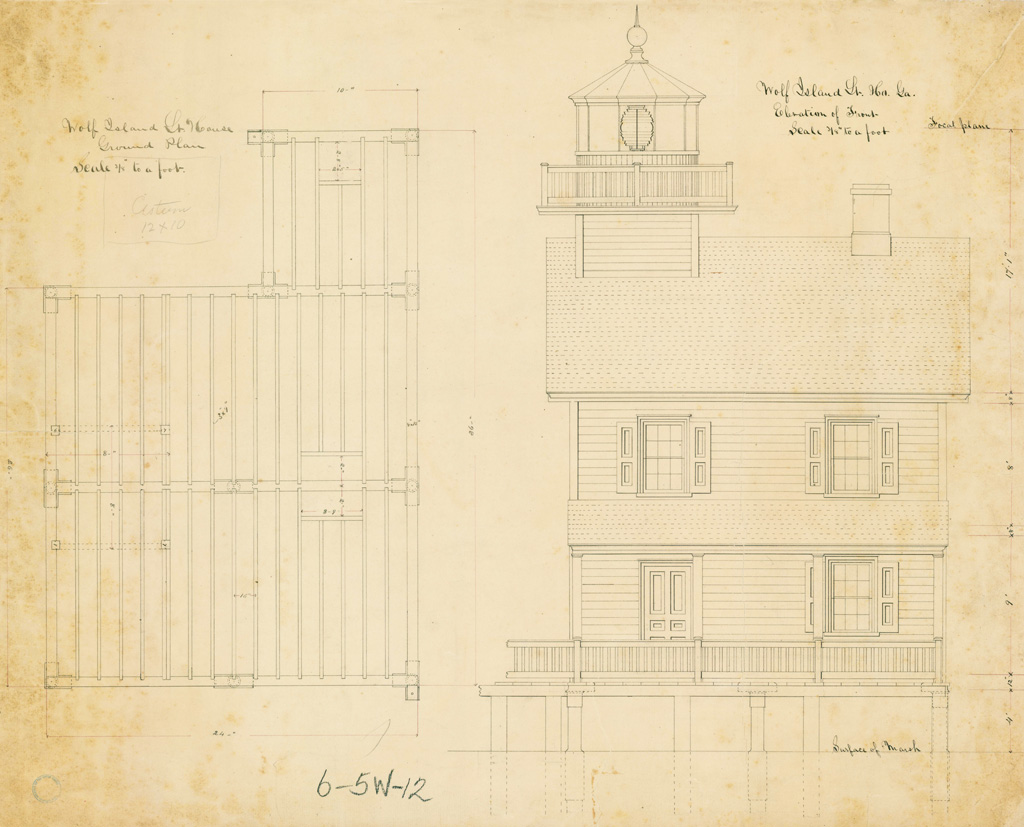
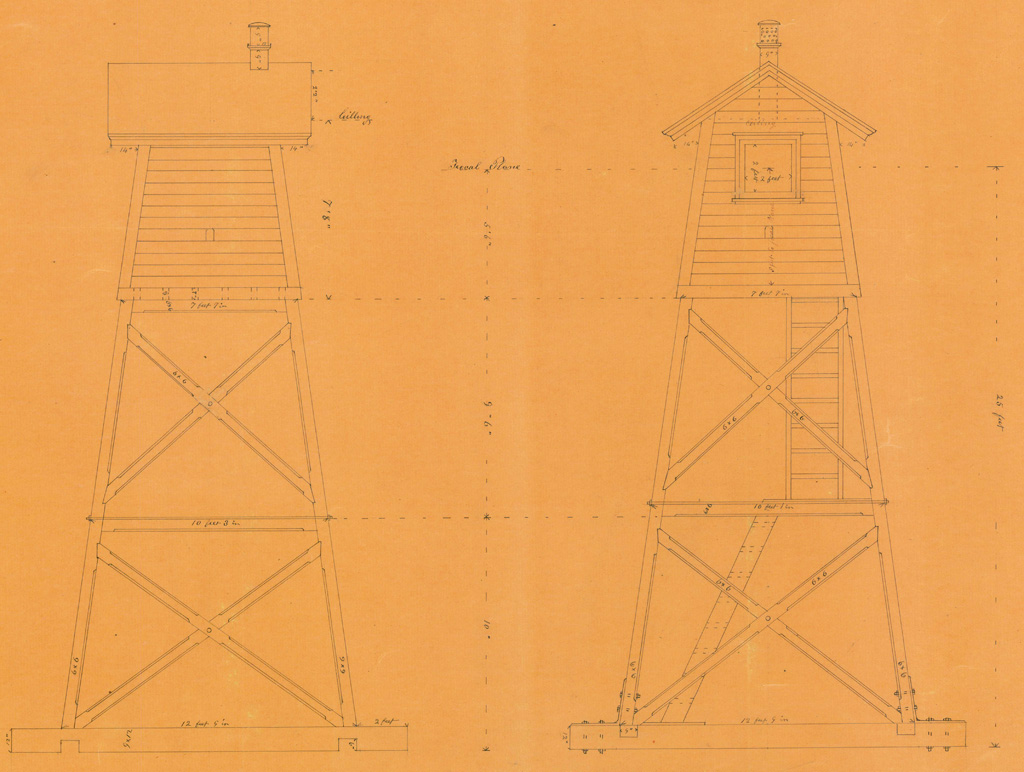
In 1868, a new keeper’s dwelling—set on eleven wooden piles driven to a depth of twenty-eight and topped by a short tower and lantern—was compelted. The foundation piles were cut off below the surface of the marsh and iron cylinders were used to link the piles to the dwelling’s sills. A movable skeleton-frame front beacon was built on a 100-foot tramway, allowing adjustments as the channel shifted. The lights were first exhibited again on October 10, 1868.
Repairs and upgrades followed: new walkways, rebuilt galleries, and in 1882, the front beacon was entirely rebuilt on a site 600 feet seaward to improve alignment with the channel. A new boathouse was also constructed in 1882.
By the 1890s, Wolf Island was in constant battle with the sea. Oyster shells were spread beneath the dwelling to stabilize the marsh. In 1891, the dwelling’s patio was repaired with new sills and decking, 500 feet of plank walks were renewed, and a fireproof brick oil house was constructed.
Storms continued to wreak havoc. In 1894, the front beacon was overturned and had to be re-erected on a brick foundation anchored with iron rods.
The devastating gales of October 2, 1898 destroyed or damaged both Wolf Island and nearby Sapelo lights, forcing their temporary extinguishment. The front beacon at Wolf Island was rebuilt and moved twenty-eight feet southward to conform to the new channel. The boat landing and boathouse were replaced, and about 1,388 feet of plank walk was built.
All the rebuilding at the station was for naught, as Wolf Island Range Lights were discontinued on January 28, 1899. The new boathouse was transferred to Sapelo, and the station on Wolf Island was closed.
For nearly eight decades, the station was maintained by a long line of keepers—from William Donelly in 1822 to Robert H. Cromley in 1899—assisted by family members who lived and worked in isolation amid storms and tides.
Though the structures have vanished, Wolf Island’s beacons remain a powerful symbol of early American coastal navigation—standing watch over Doboy Sound through hurricanes, war, and the shifting sands of time.