Alki Point, WA 


Select a photograph to view a photo gallery
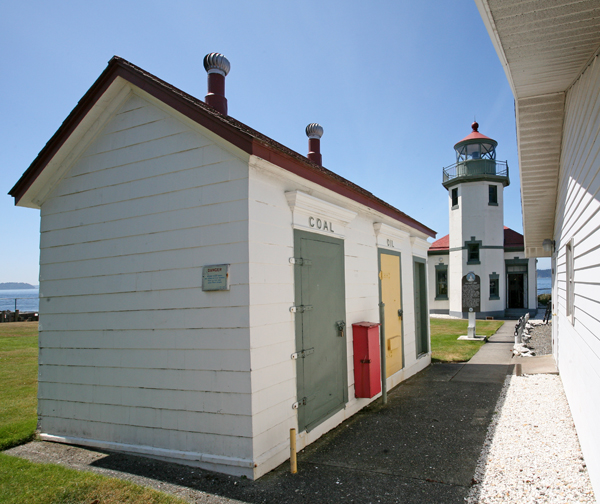
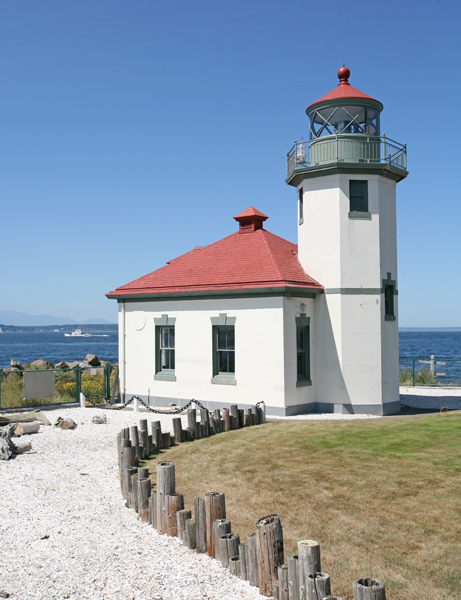
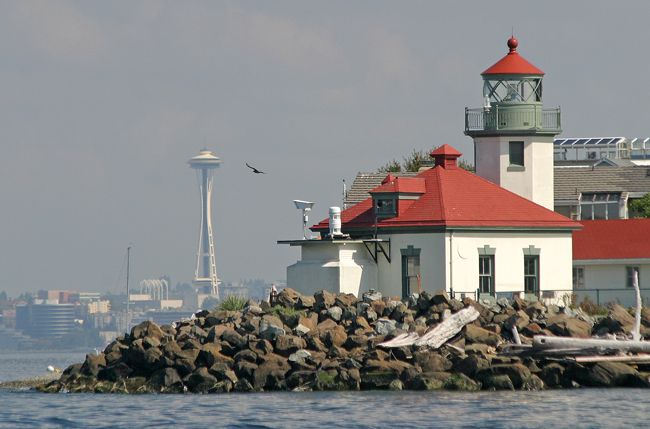
Photo Gallery
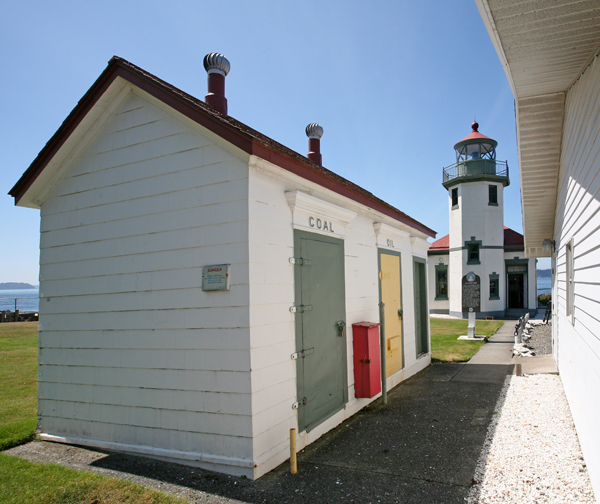
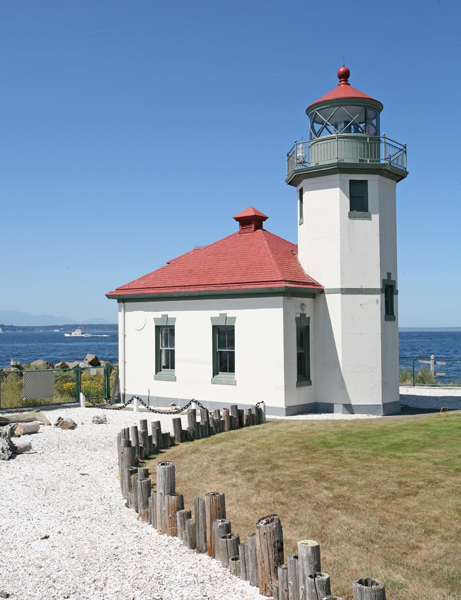
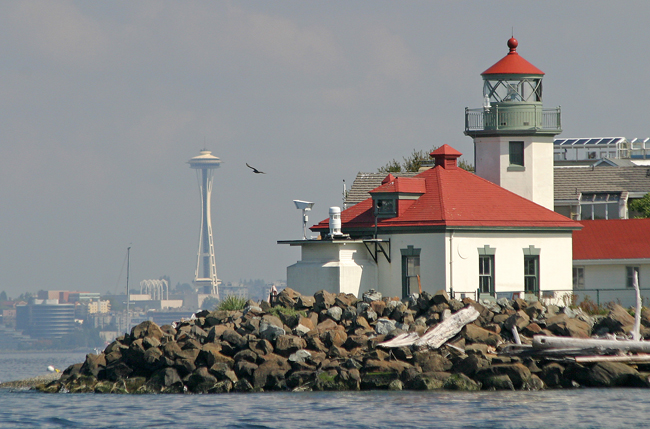
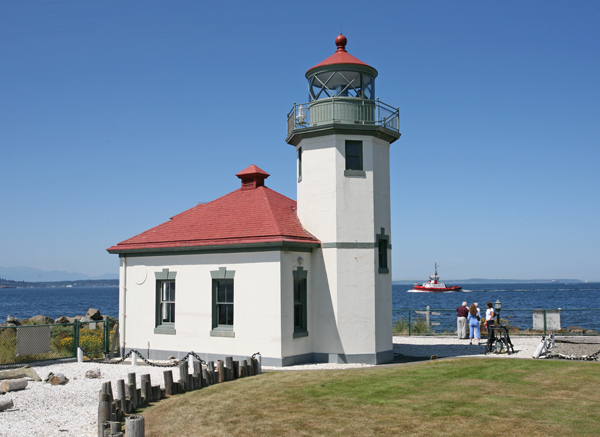
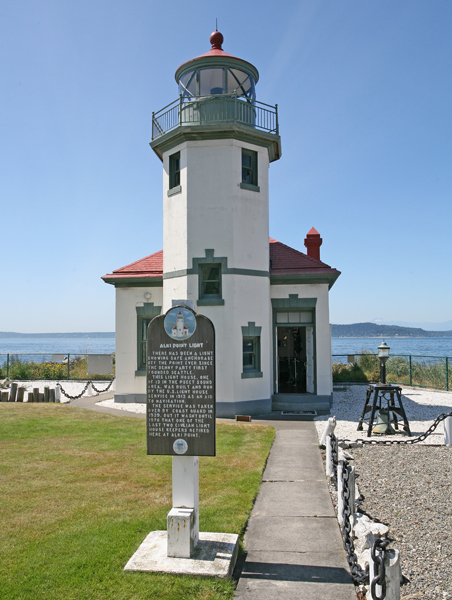
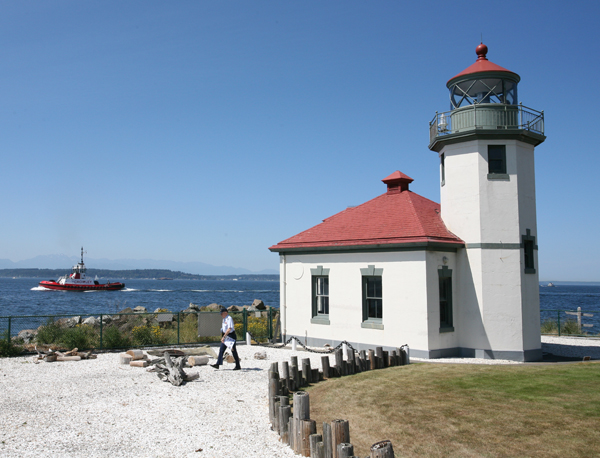
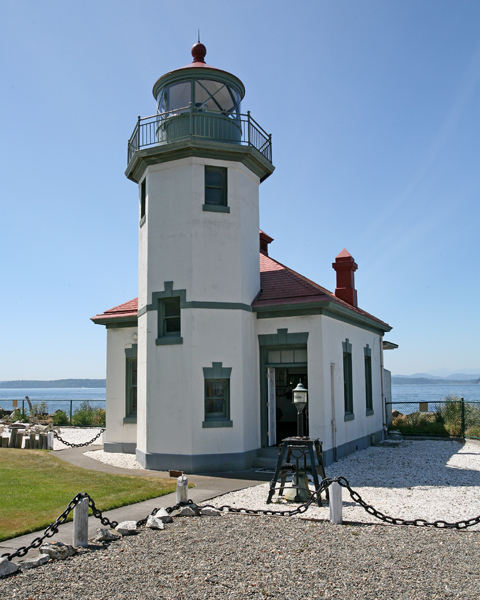
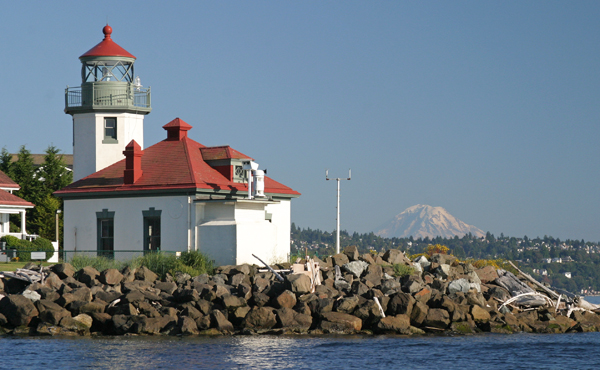
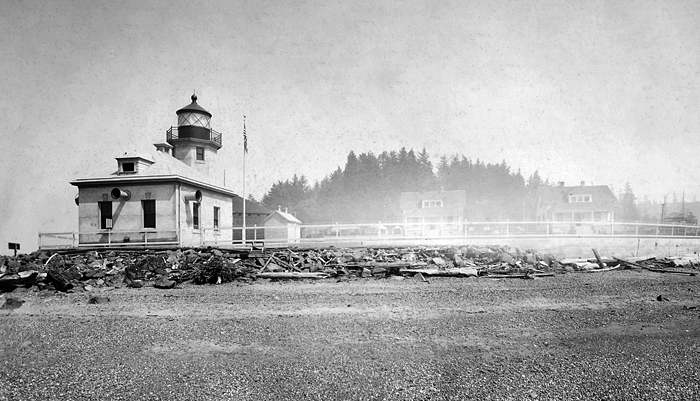
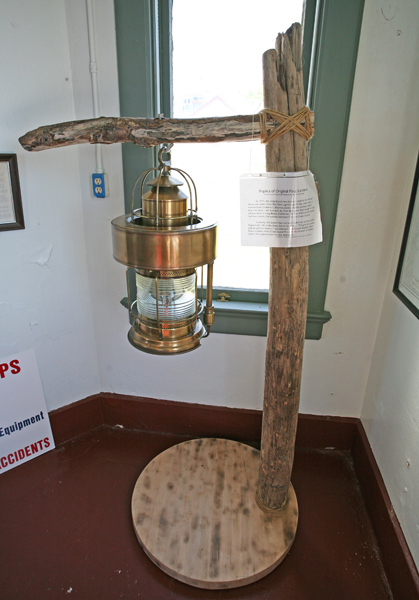
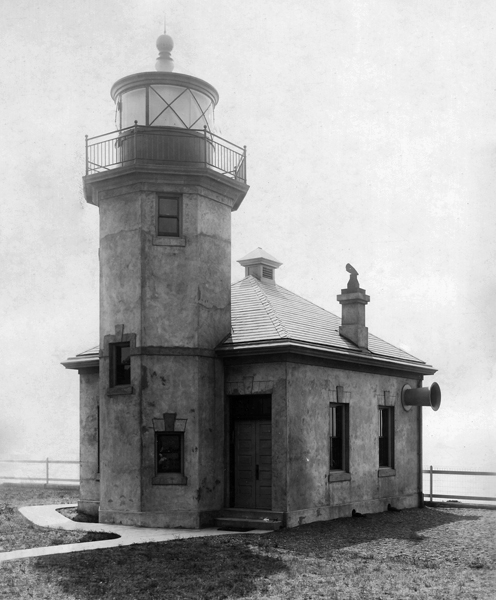
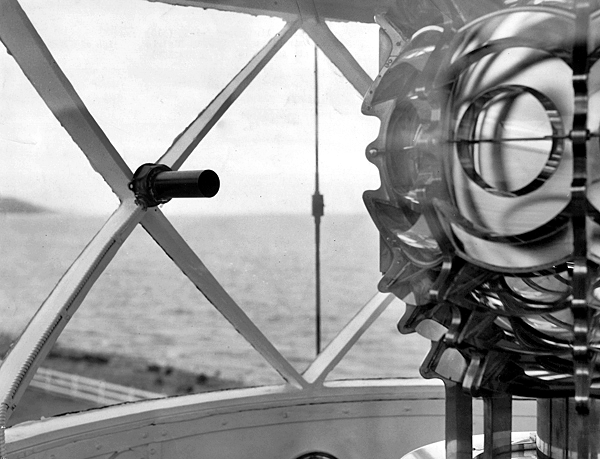
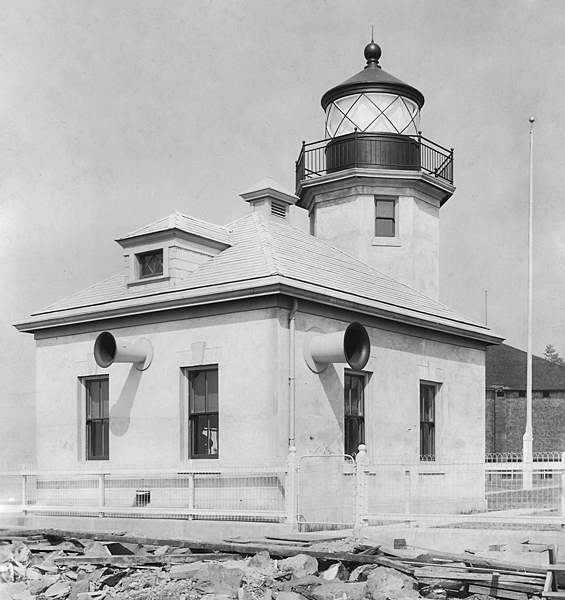
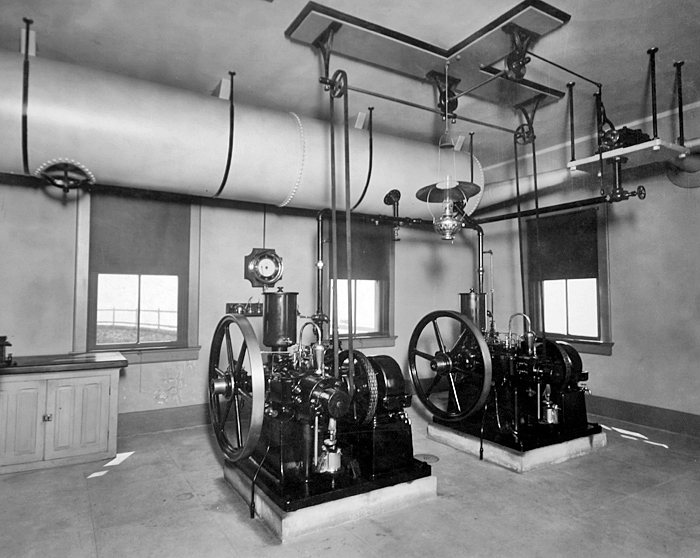
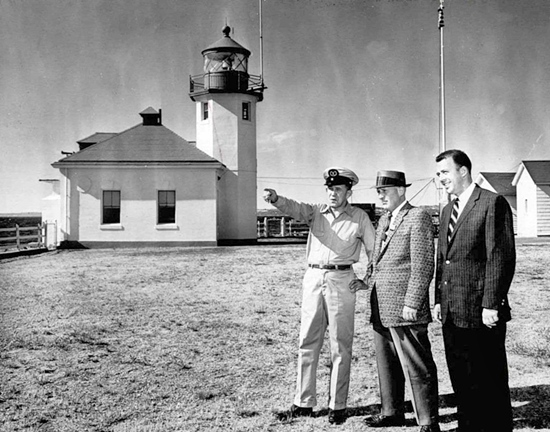
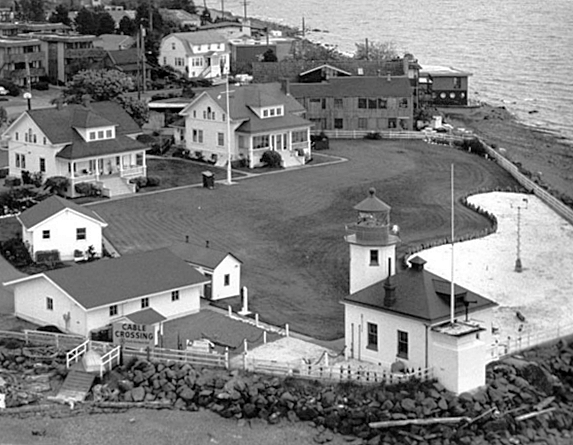
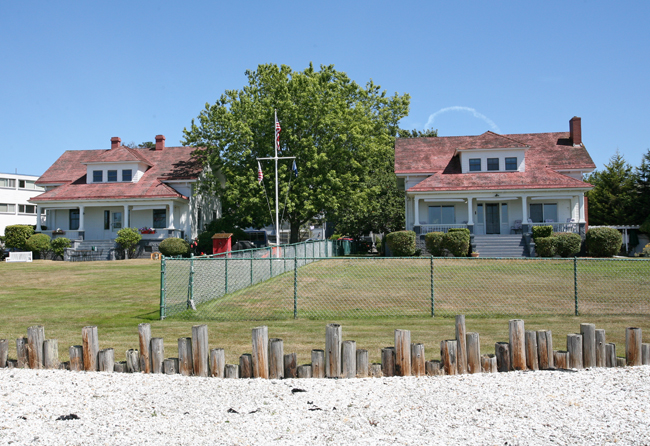
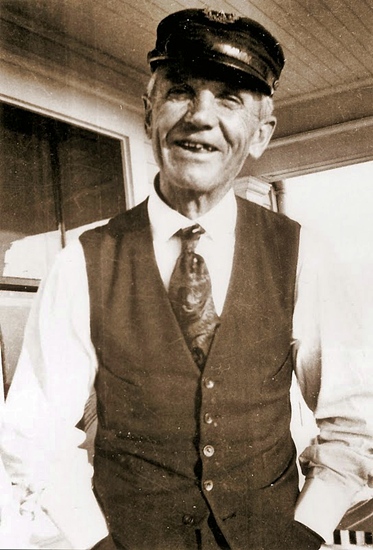
Photo Gallery
Photo Gallery
|
In 1895, the Lighthouse Board requested $6,000 for establishing a fog bell and a suitable dwelling at Alki Point. This request was repeated until Congress appropriated the desired on June 28, 1902. Five years later, a site for the fog signal still had not been obtained, and another $8,000 was allocated for the project. An act of June 17, 1910 authorized another $33,000 for the work, which had been expanded to include a light, raising the total sum to $47,000.
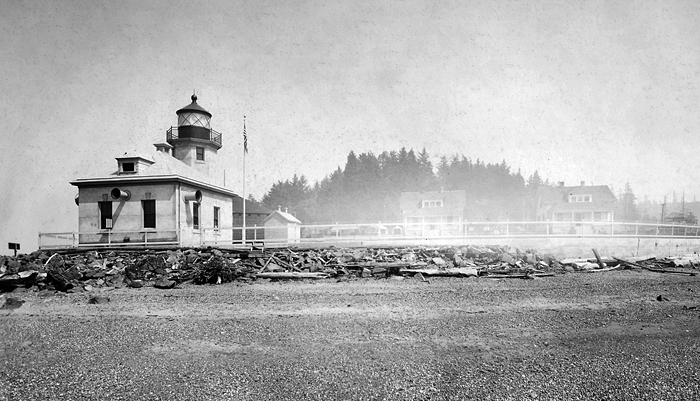
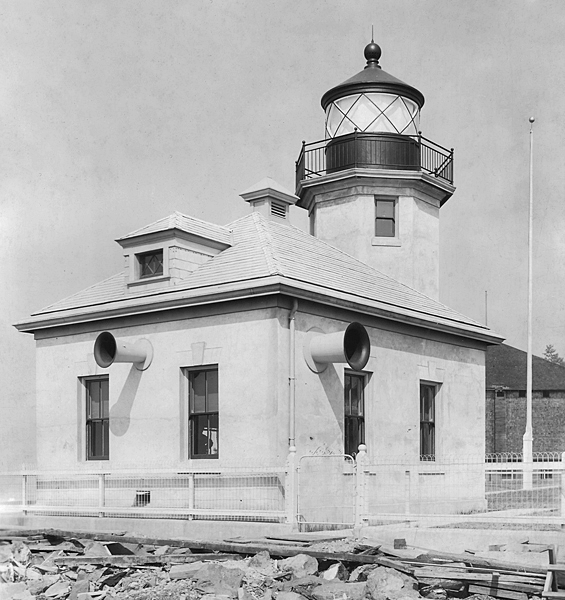
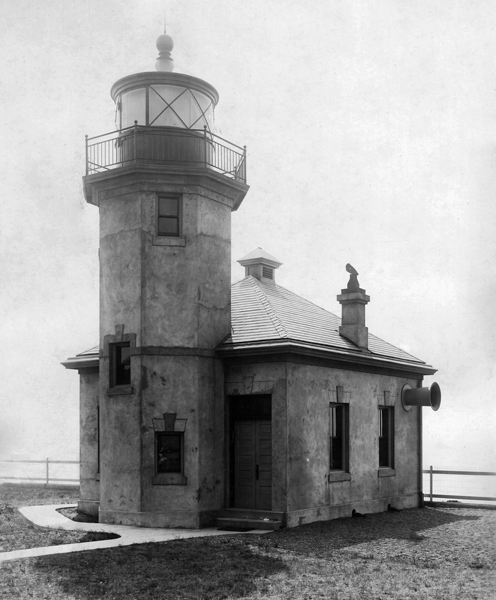
After the government purchased an octagonal parcel at the tip of the point from Edward Hanson for a sum of $9,999, the present concrete fog signal building with attached, thirty-seven-foot octagonal tower was completed on April 29, 1913, and the station was activated a few weeks later on June 1.
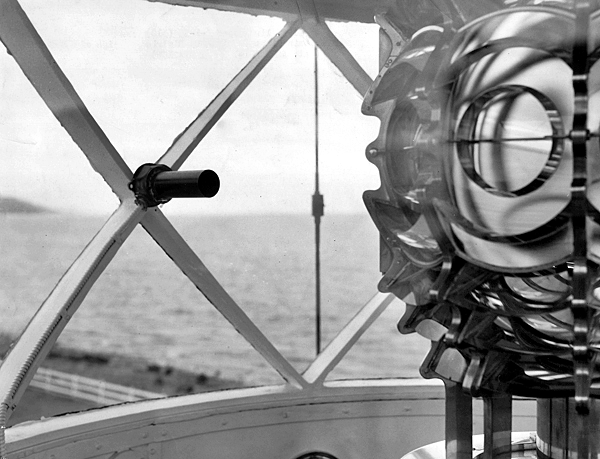
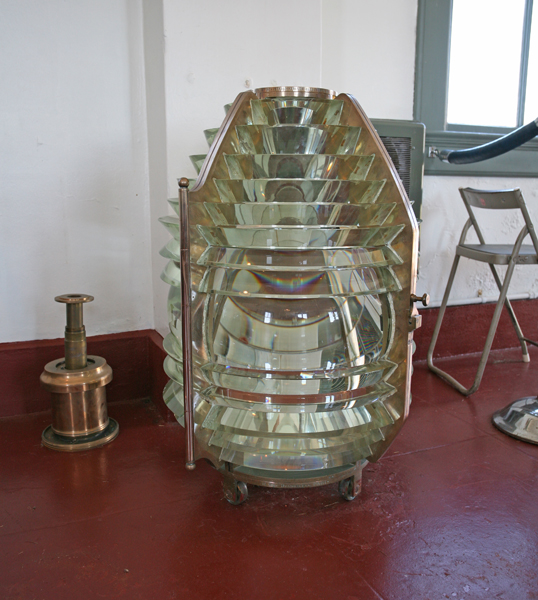
The fourth-order Fresnel lens used in the tower was manufactured in Paris by L. Sautter and Lemonnier and contained multiple bull’s-eye panels. A clockwork mechanism, powered by a suspended 110-pound weight, was used to rotate the lens every ten seconds, producing a group of five white flashes followed by a five-second eclipse. The weight had to be wound up every five hours to keep the lens revolving.
|
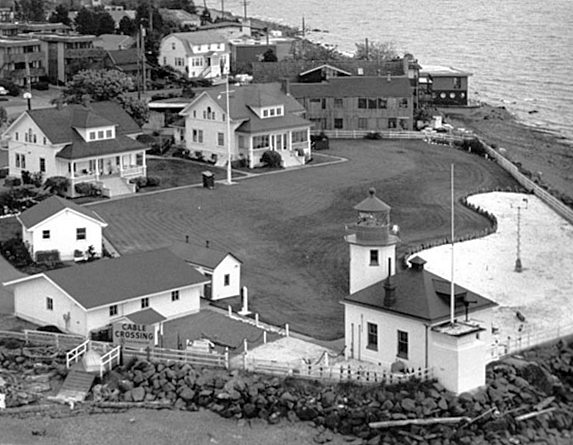
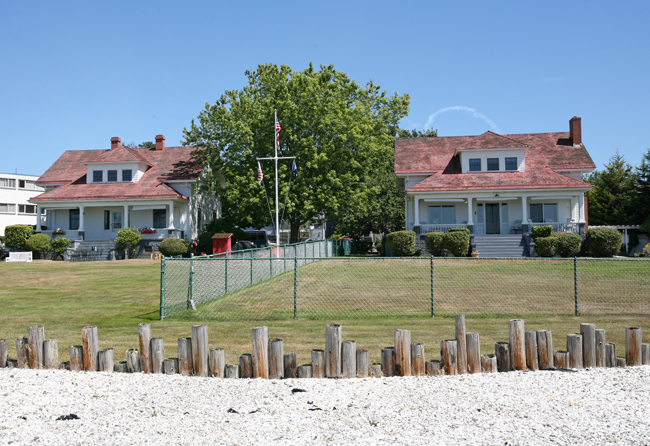
Two eight-room, frame dwellings were constructed for the keepers, and an oil house was built to store the kerosene the station’s fuel. The original light source used in the station’s Fresnel lens was an incandescent-oil-vapor lamp.
Harry Mahler was the first head keeper at Alki Point. Before coming to the station, he had served as an assistant keeper at New Dungeness lighthouse, starting in 1890, and then as head keeper at Patos Island (1893 – 1903), Cape Meares (1903 – 1907), and West Point (1907 – 1913). Keeper Mahler retired in 1930 at the age of sixty-five, after forty years of service.
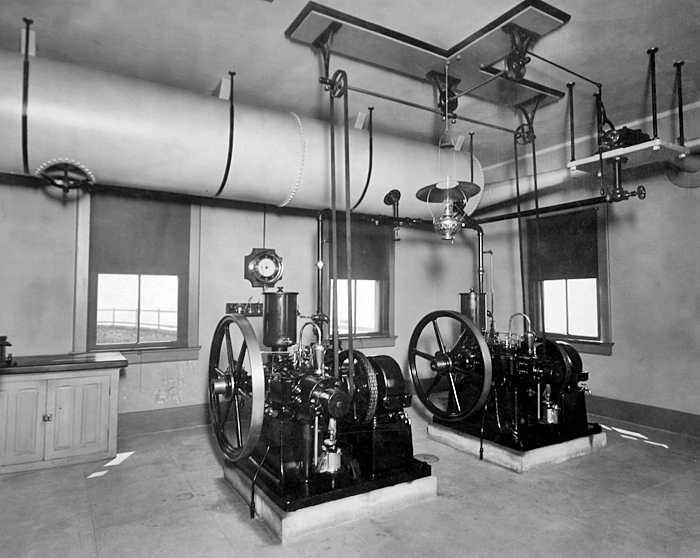
As dependable commercial electric current was available at the point in 1919, a three-horsepower electric motor was installed in placed of one of the oil engines in the fog signal building. The upgrade saved money, took up less space, and was less of a fire hazard. The electric motor drove a hydroturbine compressor, in which twice during each revolution water alternately entered and receded from the rotor, acting as a piston to produce thirty cubic feet of compressed air per minute at ten pounds per square inch.
One of the head keepers of Alki Point had an interesting hobby to which he devoted many hours while keeping an eye on the light. Charles N. Elliot was known as a “one-man reference library” as a result of the time he spent researching the works of Walt Whitman and collecting many original works and postcards written by the poet. In a newspaper article, Elliott commented, “watching the light on long foggy nights leaves me plenty of time to study,” and Elliot used that time to become an expert on Whitman. Elliot even published a collection of writings on Whitman made by the poet’s friends entitled “Walt Whitman, as Man, Poet and Friend.”
A sign in front of the lighthouse notes that Alki Point Lighthouse is one of thirteen along the shores of Puget Sound, and that one of the last two civilian lighthouse keepers in the country retired at the light in 1970. This keeper was Albert Anderson, who joined the Lighthouse Service in 1927 and was stationed first on the Columbia River Lightship. When the Coast Guard assumed control of lighthouses in 1939, the keepers could either join the Coast Guard or serve as civilian keepers. Anderson chose the latter option and served at Tillamook Rock and Cape Blanco before transferring to Alki Point in 1950. It wasn’t the pay that kept Anderson at his post for so long, as the annual salary of a civilian keeper had been stuck at $5,100 for over a decade when Anderson was interviewed in 1969. “It has been a long time between raises,” remarked Anderson, but at least his job came with a house and a retirement plan.
|
Coastguardsmen assigned to Alki Point still stood eight-hour shifts, turned on the airway beacon one-half hour before sunset, and switched it off one-half hour after sunrise up until October 1984, when the station was fully automated. Alki Point Lighthouse and nearby West Point Lighthouse were the last two staffed lighthouses on the West Coast.
After automation, one of the two keeper’s dwellings at Alki Point was remodeled to house the Commander of the Thirteenth Coast Guard District, while the second dwelling housed a resident keeper. The Commander later moved to Medina, and the two dwellings became home to senior Coast Guard officers. Two years after the fog signal at Alki Point was discontinued in 2005, the Commander moved back to the station with its scenic location on Puget Sound.
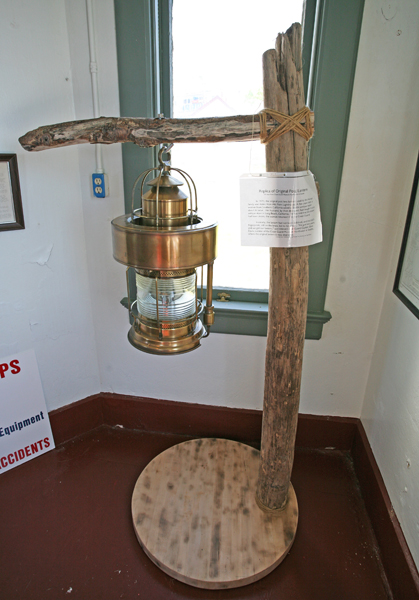
The original lens-lantern used at Alki Point was on display in the lighthouse until the early 1970s, when a thief broke in and stole the lantern. Although law enforcement was notified, the perpetrator could not be tracked down. A few years later, a woman showed up in Seattle inquiring about the value of a lantern that her late husband had purchased from an antique dealer in Southern California. The dealer in Seattle had a suspicion that the lens might have come from Alki Point and notified the police. By contacting the dealer in Southern California, the seller of the lantern was identified and arrested. Amazingly, his fingerprints were still on the lantern, which helped lead to his conviction. “He got two years, and we got our lantern,” said retired Coast Guard Captain Gene Davis. The lens lantern is now safely displayed at the Coast Guard Museum in Seattle, and a replica is exhibited at the lighthouse.
Keepers:
References